Aciclovir (Acyclovir) – Patient-Friendly Guide (Australia)
Aciclovir (also spelled acyclovir) is an antiviral medicine used to treat infections caused by certain herpes viruses. It works by interfering with the virus’s ability to multiply, helping your immune system clear the infection more effectively and reducing symptoms such as pain, fever, and blistering.
This guide explains what aciclovir is, how it works, how it behaves in the body, typical uses and timing, important food and alcohol interactions, dosing considerations, safety information, practical tips, and common questions—written for customers in Australia.
Quick product overview
| Category | Details |
|---|---|
| Medicine name | Aciclovir (Acyclovir) |
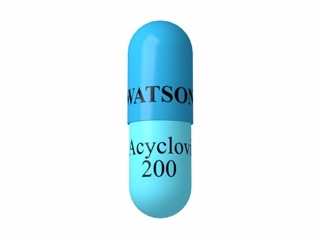
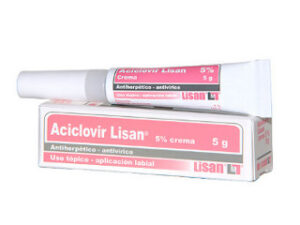
| Common forms | Tablets/capsules, oral suspension, creams/ointments, and other specialised formulations depending on brand and manufacturer |
| Type | Antiviral (anti-herpes virus) |
| Target viruses | Herpes Simplex Virus (HSV types 1 & 2), Varicella-Zoster Virus (VZV) and others depending on formulation and indication |
| How it helps | Slows/blocks viral replication, reducing duration and severity of symptoms |
| Key success factor | Starting treatment early (ideally within the first 24–48 hours for many conditions) |
How aciclovir works (mechanism of action)
Herpes viruses replicate by copying their genetic material. Aciclovir is a “prodrug-like” antiviral that becomes active inside infected cells.
- Step 1: Cellular activation – When aciclovir enters infected cells, it is converted to its active form through viral enzymes (notably thymidine kinase for HSV and VZV).
- Step 2: Interferes with viral DNA – The active metabolite can inhibit viral DNA polymerase (the enzyme needed to copy viral DNA).
- Step 3: Stops viral replication – By disrupting DNA synthesis, aciclovir limits the virus’s ability to multiply, allowing the infection to resolve more quickly and with less viral activity.
Because aciclovir is activated preferentially in infected cells, it targets viral replication while having less impact on normal human cell processes.
Pharmacokinetics: how your body handles aciclovir
Pharmacokinetics describes absorption, distribution, metabolism, and elimination. Exact values can vary by formulation (tablets vs. cream) and patient factors (kidney function, age).
Absorption
- Oral forms (tablets/capsules/suspension) are absorbed from the gastrointestinal tract.
- Absorption can be affected by individual factors, adherence to dosing schedules, and kidney function.
Distribution
- Aciclovir distributes into body tissues and can reach sites of viral infection.
- In general, it is concentrated in areas related to viral activity more effectively when started early.
Metabolism
Aciclovir is minimally metabolised. Most of the medicine remains pharmacologically active.
Elimination
- Primary route is renal (through the kidneys).
- Kidney function strongly influences how quickly aciclovir leaves the body.
Practical implication: If you have reduced kidney function, doses may need adjustment for safety and effectiveness.
What aciclovir is commonly used for (indications)
Aciclovir is used for infections caused by herpes viruses. The right formulation and schedule depend on the specific diagnosis and how severe the symptoms are.
Common herpes-related conditions
- Genital herpes (HSV-2 and HSV-1) – treatment of outbreaks and, in some circumstances, prevention of recurrent outbreaks. >
- Herpes simplex lesions – for cold sores/fever blisters (HSV-1) and other HSV-related skin or mucosal infections depending on clinician direction and product suitability.
- Shingles (Herpes zoster, VZV) – to reduce duration and severity, especially when started promptly after rash onset.
Your pharmacist or healthcare professional can help match the correct product type to your symptoms (e.g., oral vs topical) because availability and suitability differ between brands and conditions.
Timing: when to start aciclovir for best results
For many herpes virus infections, antiviral medicines work best when started early.
- Outbreaks (HSV) – many people benefit most when treatment begins at the first signs (tingling, itching, burning) or as soon as lesions appear.
- Shingles (VZV) – treatment is often most effective if started within the first 72 hours after the rash begins.
- Prevention/recurrence plans – some patients use scheduled regimens during periods of higher recurrence risk.
If you’re unsure whether your symptoms fit the typical pattern, seek advice before starting—herpes-like symptoms can sometimes have other causes.
Dosing information (general guidance)
Dosing varies widely based on the specific condition, severity, age, and kidney function, and also depending on whether you are using oral tablets/suspension or a topical product. Always follow the instructions supplied with your medicine and any advice you have been given.
Typical dosing approaches
Below are common dosing patterns seen in clinical practice. Exact dose and frequency should be confirmed for your product strength and indication.
- HSV outbreaks (oral use) – commonly multiple daily doses spread throughout the day for several days, with the schedule designed to keep adequate levels in the body. >
- Recurrent HSV suppression (oral use) – often once to multiple times daily depending on risk profile and clinician guidance.
- Shingles (oral use) – commonly higher-frequency dosing over a fixed course (often around 7 days), started early after rash onset.
Kidney function and elderly patients
Because aciclovir is eliminated via the kidneys, dosing may be reduced or spaced differently in people with impaired kidney function. Older adults may require dose adjustments even if kidney impairment is mild.
Topical aciclovir (cream/ointment)
Topical products are sometimes used for certain herpes lesions. Effectiveness can depend on lesion location and timing, and topical preparations generally do not replace oral treatment for more severe or systemic infections.
Food interactions
Food effects can vary by formulation. In general:
- Oral aciclovir can often be taken with or without food, but some people find food reduces stomach upset.
- Consistency matters – take doses at similar times each day to maintain stable antiviral activity.
If your specific product label provides dietary instructions, follow those directions.
Alcohol interactions
Aciclovir is not typically known for a direct “dangerous interaction” with alcohol. However, alcohol can worsen dehydration and may aggravate side effects such as dizziness, nausea, or general malaise—especially if you are unwell.
- Recommended approach: limit alcohol while you’re treating an infection, and avoid binge drinking.
- Hydration: drink fluids regularly, particularly if you are taking oral aciclovir and want to support kidney health.
- Plan around symptoms: if you feel lightheaded or nauseated, avoid alcohol until you feel better.
Medicine interactions (important safety considerations)
Many people can use aciclovir safely alongside other medicines. However, certain drugs and situations can increase the risk of side effects—particularly those affecting the kidneys or affecting blood counts.
Medicines that may require extra caution
- Other medicines removed by the kidneys – may compete with aciclovir, affecting blood levels.
- Nephrotoxic medicines (medicines that can affect kidney function) – may increase risk of kidney stress when combined with aciclovir.
- Other antiviral medicines – combination therapy may change dosing strategies.
What to do
- Tell your pharmacist about all medicines and supplements you use (including over-the-counter products).
- Provide a list of kidney-related history (e.g., chronic kidney disease, reduced kidney function).
- If you take medicines that increase dehydration risk (e.g., certain diuretics), maintain good fluid intake unless restricted by a clinician.
Safety profile: who should be cautious
Like all medicines, aciclovir can cause side effects. Many people experience mild effects or none, but you should be aware of warning signs.
Common side effects
- Nausea, vomiting
- Headache
- Diarrhoea or stomach discomfort
- Dizziness
Less common but important effects
- Kidney-related issues – may occur particularly with dehydration, high doses, or reduced kidney function. Symptoms can include reduced urine output or swelling.
- Neurological symptoms (rare) – confusion, agitation, tremor, or drowsiness may require urgent assessment, especially in vulnerable patients.
- Allergic reactions – rash, swelling, breathing difficulty.
Seek urgent medical help if you experience signs of an allergic reaction (e.g., swelling of face/lips, difficulty breathing) or severe side effects such as confusion or significantly reduced urination.
Pregnancy and breastfeeding
For many antiviral medicines, use during pregnancy or breastfeeding depends on the balance between benefits and risks for the individual. Discuss with a healthcare professional for personalised advice. If you are pregnant or breastfeeding, do not start aciclovir without professional guidance.
Practical use tips (how to get the best outcome)
- Start early – aim to begin at the first sign of an outbreak or as soon as advised after symptom onset.
- Complete the course – even if symptoms improve, finish the treatment unless instructed otherwise.
- Set reminders – antiviral schedules often require multiple doses per day.
- Drink fluids – especially for oral use. Good hydration supports kidney clearance.
- Use barrier precautions – herpes viruses can be transmitted through contact with active lesions. Cover lesions when possible and consider advice on safer sex practices.
- Avoid touching lesions – wash hands after contact to reduce spread to other body areas (e.g., eyes).
- For topical products – apply only to the affected area as directed. Avoid broken skin unless product instructions allow it.
If your symptoms worsen, do not improve, or you develop eye involvement (pain, redness, or vision changes), seek medical advice urgently.
Alternative options to consider
Depending on the herpes infection, severity, and personal circumstances, there may be alternative antiviral treatments. Options can include:
- Valaciclovir – an alternative oral antiviral for certain HSV and VZV conditions; dosing frequency may differ.
- Famciclovir – another oral alternative for HSV and shingles in some situations.
- Topical antivirals – may be suitable for some localized HSV presentations, though oral therapy may be preferred for systemic involvement.
- Supportive care – pain relief, wound care, and measures to prevent spread may be used alongside antivirals.
Choice depends on your diagnosis, how quickly treatment is started, kidney function, tolerance, and product availability. A pharmacist can help compare options once the relevant details are known.
Aciclovir in Australia: market and legal context
In Australia, medicines are regulated through the Australian Register of Therapeutic Goods (ARTG) and are supplied in accordance with the Therapeutic Goods Act and relevant state/territory legislation. Availability can vary by brand, strength, and formulation.
Online pharmacy services typically require customers to meet product eligibility and supply requirements (which may differ depending on whether the product is scheduled, unscheduled, or requires additional checks). Always follow the product category and ordering steps presented on the website at the time of purchase.
Product availability
- Oral and topical aciclovir products may be available from different manufacturers.
- Stock can vary by formulation and strength. Some strengths may be temporarily unavailable.
- Certain dosing regimens may require specific tablet strengths to achieve the correct total dose.
Recent guidance and clinical approach
Clinical practice commonly emphasises prompt antiviral treatment for shingles and HSV outbreaks, and tailoring therapy for people at higher risk (e.g., immunocompromised individuals, older adults, and those with renal impairment). Guidance may be updated by professional bodies and medicine regulators over time.
If you have complex medical needs, are immunocompromised, or have frequent recurrences, talk to a healthcare professional for an individual plan (including whether suppressive therapy is appropriate).
Delivery and availability (online ordering in Australia)
When purchasing aciclovir online, delivery options typically depend on your location and the medicine’s supply category. Many online pharmacies offer standard and express shipping, with tracking for dispatched orders.
What you can expect
- Verification steps may be required depending on the product type.
- Packaging is usually designed to protect tablets/suspensions from damage during transit.
- Dispensing accuracy – check the medicine name, strength, and form on the label when your order arrives.
If you need the medicine by a particular date (for example, you are starting therapy soon after symptoms begin), choose delivery options that suit your timeline and allow for processing time.
FAQ – Frequently asked questions
1) How soon will aciclovir start working?
Many people notice symptom improvement within a few days, but the exact timeline depends on the condition, severity, and how early treatment begins. Starting promptly is one of the biggest factors affecting how well antiviral medicines help.
2) Can I use aciclovir for cold sores?
Aciclovir is used for HSV infections including cold sores in certain circumstances. Whether topical or oral therapy is most appropriate depends on factors like outbreak frequency, lesion severity, and timing. If you’re unsure, ask a pharmacist which formulation fits your situation.
3) What if I miss a dose?
Take the missed dose when you remember unless it’s close to the next scheduled dose. Do not double up to make up for a missed dose. If you’re uncertain, check the product label or ask your pharmacist for advice based on your dosing schedule.
4) Can I stop treatment once I feel better?
It’s usually recommended to complete the prescribed or labelled course for the best outcome. Stopping early may allow the virus to rebound. If you have side effects or concerns, consult a pharmacist or healthcare professional before stopping.
5) Does aciclovir cure herpes?
Aciclovir helps control and reduce outbreaks, but it generally does not eliminate herpes viruses from the body permanently. HSV and VZV can remain in nerve cells and reactivate later, which is why outbreaks can recur.
6) Is aciclovir the same as acyclovir?
Yes. “Aciclovir” is the Australian spelling of “acyclovir.” They refer to the same active antiviral medicine.
7) Can I drink alcohol while taking aciclovir?
A direct dangerous interaction is not commonly expected, but alcohol can worsen dehydration and make side effects more likely. It’s best to limit alcohol and maintain good hydration while you’re unwell.
8) What should I do if I have kidney disease?
Because aciclovir is eliminated through the kidneys, kidney disease may require dose adjustment or additional monitoring. Discuss your kidney history with a pharmacist or healthcare professional before starting or changing treatment.
9) Are there any signs that mean I should get urgent help?
Seek urgent medical advice if you develop signs of allergy (swelling of face/lips, difficulty breathing), severe confusion, significant reduced urination, or symptoms suggesting eye involvement (eye pain/redness or vision changes).
10) How can I reduce the risk of spreading herpes?
Avoid skin-to-skin contact with active lesions, keep affected areas covered, wash hands after touching lesions, and follow safer sex guidance. Transmission risk can be highest during outbreaks, but it may occur even when symptoms are not present.
Need more help?
If you have questions about the right aciclovir formulation for your symptoms, or about dosing adjustments for kidney function or other medicines you take, speak with a pharmacist. They can help you use your medicine safely and effectively.