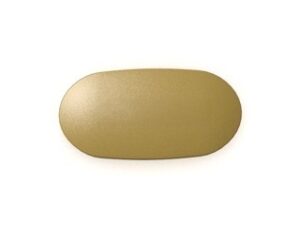
Copegus (Ribavirin) – Patient Information
Copegus contains ribavirin, an antiviral medicine used in combination regimens for certain viral infections. This page explains how Copegus works, how it is used, and what to consider for safety and day-to-day use in Australia.
If you have questions about your treatment plan, speak with a doctor or pharmacist.
1) Basic product information
- Medicine name: Copegus
- Active ingredient: Ribavirin
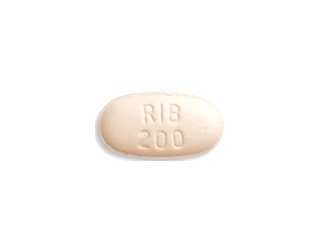
- Form: Usually tablets/capsules depending on the product presentation (availability may vary)
- How it is supplied: In Australia, Copegus is typically supplied via prescription channels and may be subject to supply arrangements
- Drug class: Antiviral (nucleoside/nucleobase analogue)
2) How Copegus works (mechanism of action)
Ribavirin is a synthetic nucleoside analogue that interferes with viral replication. Its antiviral effects are complex and may include several mechanisms, such as:
- Increased error rate during viral RNA/DNA replication, leading to non-viable viral particles
- Inhibition of viral nucleic acid synthesis
- Modulation of immune responses that support antiviral activity
- Antiviral effects that depend on the presence of other medicines in the regimen
Ribavirin is generally not used alone; it is intended to be part of an approved combination regimen for specific infections.
3) Typical uses and indications
In current clinical practice in Australia and internationally, ribavirin-containing regimens have historically been used for certain chronic hepatitis C combinations, particularly in situations where specific combination therapy is indicated. Use depends on genotype, prior treatment history, liver disease stage, and availability of other direct-acting antivirals.
Your healthcare team will select therapy based on:
- Type and stage of infection
- Previous treatment history
- Other medical conditions
- Medication interactions
Important note
Indications and the best regimen can change as new therapies become available. Always follow the regimen provided with your care plan.
4) How to take Copegus (timing and dosing principles)
The exact dose of Copegus depends on your treatment regimen and factors such as weight, kidney function, and tolerance. Dosing schedules vary between regimens; follow the dose and schedule provided by your healthcare team.
Timing
- Take Copegus at the same times each day to maintain consistent blood levels.
- Many regimens involve two daily doses (morning and evening). If your prescribed schedule differs, follow that schedule.
With or without food?
Ribavirin is often taken with food to improve tolerability and reduce stomach upset. In general, take it with food if that works for you, and keep your routine consistent.
Swallowing and missed doses
- Swallow tablets/capsules whole with water unless your pharmacist advises otherwise.
- If you miss a dose, take it when you remember on the same day.
- If it is close to your next dose, skip the missed dose and continue your schedule. Do not double up.
If you miss multiple doses or are unsure what to do, contact your pharmacist or prescriber.
5) Pharmacokinetics (how the body processes it)
Understanding pharmacokinetics can help explain why side effects may occur and why careful dosing and monitoring are important.
- Absorption: Ribavirin is absorbed after oral dosing; absorption and exposure can be affected by food and individual factors.
- Distribution: It distributes widely through the body, including into tissues.
- Metabolism: Ribavirin is metabolised mainly via pathways involving phosphorylation and other metabolic processes.
- Half-life: Ribavirin has a long terminal half-life. This means it can remain in the body for weeks after stopping.
- Elimination: Excretion occurs primarily via the kidneys. Kidney function is therefore important for safe dosing.
Because ribavirin can persist in the body, side effects may last for some time after treatment ends, particularly those related to blood counts.
6) Food interactions
Food can influence ribavirin absorption. To support consistent exposure:
- Try to take ribavirin with food if your regimen includes instructions to do so.
- Keep the same pattern (for example, always with breakfast and dinner).
- Avoid sudden, large dietary changes during treatment without discussing with your pharmacist or doctor.
If you have gastrointestinal issues (nausea, vomiting, diarrhoea), discuss them early so your team can help maintain adherence and manage symptoms.
7) Alcohol interactions
While alcohol does not have a single “direct” interaction with ribavirin in the way some drugs do, drinking alcohol during antiviral treatment is generally strongly discouraged—especially for people with chronic liver disease.
- Liver health risk: Alcohol can worsen liver inflammation and damage, potentially reducing the chance of a successful outcome and increasing the risk of complications.
- Side effect overlap: Alcohol may worsen common side effects such as tiredness and mood changes.
A safer approach is to avoid alcohol during therapy. If you struggle to stop, seek support from your healthcare team.
8) Medicine interactions (including important examples)
Ribavirin can interact with several medicines. Some interactions may require dose adjustments, additional monitoring, or avoidance.
Tell your pharmacist/doctor about all medicines you take
- Prescribed medicines
- Pharmacy medicines and supplements (including herbal products)
- Over-the-counter pain relief and cold/flu products
- Antacids or stomach medicines
Common interaction themes to be aware of
- Kidney-related interactions: Drugs that affect kidney function can change ribavirin exposure.
- Blood cell effects: Medicines that may affect blood counts could increase risk of anaemia or other blood-related problems.
- Timing with other antivirals: In combination regimens, coordination of medicines is crucial for effectiveness and safety.
Because interaction details depend on your exact regimen, confirm compatibility with your specific medicines.
9) Dosing guidance (what “typical” means)
Ribavirin dosing varies by regimen and patient factors. Doses may be calculated based on body weight and adjusted for kidney function and tolerance. Your clinician will determine the appropriate dose for you.
Key dosing considerations
- Renal impairment: Reduced kidney function can increase ribavirin levels. Dose adjustments may be necessary.
- Haematologic tolerance: If blood counts drop (especially haemoglobin), the dose may need reduction or temporary interruption.
- Adherence: Taking doses regularly is important for effectiveness.
If your regimen includes ribavirin, follow the schedule exactly. Do not change the dose without medical advice.
10) Safety profile and monitoring
Like all medicines, Copegus can cause side effects. Many people experience mild to moderate effects, but some require dose changes and close monitoring.
Common side effects
- Anaemia (low red blood cells), which can cause fatigue or shortness of breath
- Tiredness or weakness
- Headache
- Difficulty sleeping
- Nausea or reduced appetite
- Skin reactions or rash (varies by regimen)
- Hair thinning (more common when used with other agents in combination regimens)
Serious risks (seek urgent medical advice)
- Severe anaemia (worsening breathlessness, chest pain, fainting)
- Signs of severe allergic reaction (swelling of face/lips, difficulty breathing)
- Severe depression, suicidal thoughts, or significant mood changes (especially if the overall regimen affects mood)
- Worsening liver symptoms (yellowing of eyes/skin, severe abdominal pain, confusion)
Monitoring typically includes
- Blood tests to monitor haemoglobin and other blood counts
- Kidney function tests
- Liver function tests
- Virology tests to assess treatment response (according to the regimen plan)
Follow your scheduled blood tests. Early detection allows timely dose adjustments that can prevent complications.
11) Practical use tips (to help you stay on track)
- Use a medication organiser (pill box) and set reminders on your phone or watch.
- Stay hydrated and eat regularly to support tolerance.
- Plan for fatigue: schedule rest breaks and avoid driving if you feel unwell or dizzy.
- Monitor mood and energy: tell someone close to you how you’re feeling, particularly if mood changes occur.
- Don’t skip monitoring: blood tests are part of safe treatment.
- Report side effects early: small symptoms can sometimes be managed before they become severe.
If you vomit soon after taking a dose, ask your pharmacist whether you should repeat that dose. This depends on timing and the formulation.
12) Alcohol and lifestyle considerations
Since ribavirin treatment often occurs in people living with liver disease, lifestyle measures can meaningfully affect outcomes. Consider:
- Avoid alcohol during treatment.
- Eat a balanced diet and maintain hydration.
- Discuss exercise if you experience fatigue.
- Avoid unnecessary medicines and supplements that may stress the liver—always check first with a pharmacist.
13) Pregnancy, contraception, and fertility precautions (important)
Ribavirin is known to be harmful to an unborn baby. Because ribavirin can remain in the body for a long time after stopping, pregnancy prevention is critical.
- Women: avoid pregnancy during therapy and for a period after treatment ends (the exact duration should be confirmed by your prescriber).
- Men: avoid fathering a child during therapy and for a period after treatment ends (confirm the time window with your prescriber).
- Contraception: use effective contraception during treatment and the recommended post-treatment period.
If you are planning pregnancy, or if you think you may be pregnant, seek urgent advice. Your healthcare team can discuss safe timing and next steps.
14) Alternative options
Depending on the viral infection and your medical history, alternatives may include other antiviral regimens that do not include ribavirin, or different combinations with differing safety profiles. Options can change as new therapies become available in Australia.
Examples of what “alternatives” may mean
- Different combinations of direct-acting antivirals for hepatitis C
- Regimens tailored to genotype, cirrhosis status, and prior treatment history
- Supportive treatments to help manage side effects during ribavirin therapy
Your doctor can advise what alternatives are appropriate for your condition.
15) Market and legal context in Australia
In Australia, medicines are regulated through the Therapeutic Goods Administration (TGA). Availability, supply constraints, and listing status can change over time.
- Supply arrangements: Brands and presentations may vary; pharmacists can check the most current supply options.
- Guideline-driven prescribing: Treatment selection for viral infections in Australia follows current clinical guidance, including availability of newer medicines and monitoring requirements.
- Quality and authenticity: Pharmacy services in Australia focus on dispensing products meeting regulatory requirements.
For the most up-to-date information on ribavirin use in your situation, speak to your healthcare professional. Guidance may evolve as new data and therapies emerge.
16) Recent guidance and how it may affect your care
Antiviral treatment guidelines—especially for hepatitis C—have evolved considerably with the introduction and broad availability of newer therapies. This has influenced when ribavirin is used and in which combinations.
If ribavirin is part of your regimen, it is usually because your healthcare team considers it beneficial for your specific situation (for example, certain circumstances in treatment history or resistance patterns). Your team may also adjust monitoring and dose based on how you respond.
Always follow your clinician’s instructions and attend recommended appointments.
17) Delivery and availability (Australia)
If you are purchasing via an online pharmacy service, availability may depend on:
- Current stock and supplier availability
- Timeframes for dispensing and packaging
- Delivery locations and service capacity across states/territories
Delivery timelines vary. For the best estimate, check the retailer’s delivery details at checkout and allow extra time during peak periods or when stock is temporarily limited.
Storage advice until use
- Store as directed on the pack (typically at controlled room temperature).
- Keep in the original packaging to protect from light/moisture as instructed.
- Keep out of reach of children.
18) FAQ
1. What is Copegus used for?
Copegus (ribavirin) is an antiviral medicine used as part of combination therapy for specific viral infections. The exact indication depends on the regimen you are taking.
2. How do I take Copegus?
Take it at the times and dose your healthcare team has provided. Many regimens involve twice-daily dosing, often taken with food. Keep a consistent routine.
3. What should I do if I miss a dose?
If you remember on the same day, take it when you can. If it is near the next scheduled dose, skip the missed dose and continue your normal schedule. Do not double doses.
4. Can I drink alcohol during treatment?
It is strongly recommended to avoid alcohol during treatment, especially if you have liver disease. Alcohol can increase liver-related risks and may worsen side effects.
5. How long does ribavirin stay in the body after I stop?
Ribavirin has a long half-life, so it can remain in the body for weeks after stopping. This is one reason pregnancy prevention precautions may extend beyond the end of treatment.
6. What side effects are most common?
Common effects include fatigue, headache, nausea, sleep disturbance, and anaemia. Side effects and severity vary by regimen.
7. When should I seek urgent medical help?
Seek urgent help if you have severe breathlessness, chest pain, fainting, signs of serious allergic reaction, severe mood changes (including suicidal thoughts), or worsening liver symptoms.
8. Can Copegus be taken with food?
Food can affect absorption. Many patients are advised to take it with food for better tolerability. Keep your routine consistent and follow your regimen instructions.
9. What if my kidney function is reduced?
Kidney function is important because ribavirin is eliminated through the kidneys. Dose adjustments and closer monitoring may be needed.
10. Are there alternatives to ribavirin?
Alternatives may include other antiviral combinations that may or may not include ribavirin, depending on your condition and treatment history. Your prescriber can advise the most suitable options.
19) Quick reference summary
| Topic | Key points |
|---|---|
| Medicine | Copegus (ribavirin) |
| What it does | Antiviral action that interferes with viral replication (generally part of combination therapy) |
| How to take | Follow exact dose and schedule; often twice daily; take consistently and commonly with food |
| Food | Food may improve tolerability/absorption; keep timing consistent |
| Alcohol | Avoid—especially with liver disease; discuss supports if needed |
| Interactions | Tell your pharmacist all medicines/supplements; kidney function and blood count effects are important |
| Safety monitoring | Regular blood tests (anaemia and other parameters) and kidney/liver monitoring |
| Pregnancy risk | Ribavirin can harm unborn babies; contraception and pregnancy prevention are critical during and after treatment |
| Availability in Australia | Subject to regulatory and supply arrangements; confirm stock and delivery timelines with the pharmacy |
Disclaimer: This information is intended to support understanding of Copegus (ribavirin) and does not replace medical advice. Your healthcare team can provide guidance tailored to your condition and regimen.