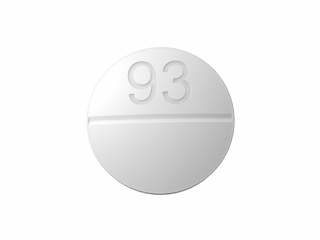

Maxolon (Metoclopramide) – Patient-Friendly Medicine Information (Australia)
Maxolon is a medicine that contains metoclopramide. It is used to help control certain nausea and vomiting, and to treat specific stomach emptying problems. This page is designed to provide clear, practical information for patients in Australia, including how it works, when to take it, common side effects, and important safety considerations.
1. Basic product information
Brand name: Maxolon
Active ingredient: Metoclopramide
Common forms (availability may vary): Tablets and oral liquid (and in some settings, injectable formulations)
What it’s used for: Nausea/vomiting and delayed stomach emptying (gastroparesis), among other specific indications
Note: Always check the product packaging or the information provided by your pharmacist for the exact strength and how to take your particular formulation.
2. How Maxolon works (mechanism of action)
Metoclopramide works mainly in two ways:
- Blocks dopamine (D2) receptors: In the brain and upper gut, it reduces signals that trigger nausea and vomiting.
- Improves stomach movement (prokinetic effect): It increases coordinated contractions in the upper gastrointestinal tract and helps move food onward.
Because it can promote gastric emptying and reduce nausea signalling, metoclopramide is helpful for conditions where nausea, vomiting, or delayed stomach emptying are features.
3. Pharmacokinetics (how the body handles it)
Pharmacokinetics describes how the body absorbs, distributes, metabolises, and eliminates metoclopramide.
- Absorption: Metoclopramide is absorbed after oral doses, with onset of action often occurring within 30–60 minutes (timing varies by person and condition).
- Distribution: It distributes throughout the body, including reaching the central nervous system (the brain), which explains both therapeutic effects and certain side effects.
- Metabolism: It is metabolised in the liver.
- Elimination: It is primarily cleared by the kidneys (so dose adjustments may be needed for people with kidney impairment).
- Half-life: The duration of effect varies; for many people, the medicine is taken in repeated doses across the day to maintain symptom control.
Kidney and liver considerations: If you have kidney disease or other significant organ impairment, your healthcare professional may adjust the dose and monitoring plan.
4. Typical uses (indications)
Maxolon (metoclopramide) may be used for:
- Nausea and vomiting associated with certain conditions (as determined by a clinician).
- Delayed gastric emptying (gastroparesis) and symptoms such as nausea, vomiting, early satiety, and upper abdominal discomfort due to impaired stomach emptying.
- Adjunct management in selected situations where improving gastric motility helps reduce symptoms.
Important: The exact suitability depends on your diagnosis, age, symptom pattern, and safety factors. If you are unsure whether metoclopramide is appropriate for your situation, speak with your pharmacist.
5. When and how to take Maxolon (timing)
The best timing depends on why you’re taking it and what formulation you have. In many cases, metoclopramide is taken:
- Before meals if it is being used to help with delayed stomach emptying or meal-related symptoms.
- At times that match nausea/vomiting episodes, as advised by your pharmacist.
How to take:
- Take with water.
- If you miss a dose, take it when you remember unless it’s close to the next dose. Do not double up.
- Follow the schedule on the dispensing label or as directed on the product packaging.
Do not take more often or longer than advised. Metoclopramide can cause serious side effects, especially with prolonged use.
6. Dosing (general guidance)
Dosing varies by age, the reason for treatment, and kidney function. Your pharmacist can confirm dosing for your specific situation and product strength.
| Patient group | Typical dosing approach (general) | Key safety notes |
|---|---|---|
| Adults | Usually taken in divided doses several times per day, timed to symptom control and stomach emptying support. | Use the lowest effective dose for the shortest duration needed. |
| Older adults | Dose may be reduced depending on sensitivity and organ function. | Greater risk of side effects such as drowsiness, movement disorders, and falls. |
| Children | Only use where appropriate for age and indication, with weight/age-based dosing. | Metoclopramide use in children requires extra caution and adherence to specific guidance. |
| Kidney impairment | May require reduced dose or less frequent dosing. | Ask for individualised dosing advice. |
Duration of treatment: Metoclopramide is generally intended for limited durations. Longer treatment increases the risk of unwanted movement-related effects.
7. Food interactions and taking with meals
Metoclopramide can be taken with or without food, but your pharmacist may recommend timing relative to meals to best manage symptoms.
- For nausea around mealtimes: Taking it before food may help.
- If you’re vomiting: keep dosing as directed; if you repeatedly vomit soon after a dose, ask your pharmacist how to handle this.
- General absorption: Food may slightly affect how quickly it is absorbed, but the overall effect is still usually sufficient when taken appropriately.
Practical tip: Maintain hydration, especially if you have vomiting or diarrhoea. Oral rehydration solutions may be helpful.
8. Alcohol and medicine interactions
Alcohol
Alcohol can increase side effects of metoclopramide, especially:
- Drowsiness or dizziness
- Reduced alertness
- Increased risk of falls (particularly in older adults)
Recommendation: Avoid or limit alcohol while taking Maxolon, and do not drive or operate machinery if you feel drowsy.
Other medicines
Metoclopramide can interact with medications that affect the brain, movement, or stomach function. Tell your pharmacist about all medicines you take, including over-the-counter products and supplements.
Common interaction categories include:
- Medicines that also affect dopamine pathways (e.g., some antipsychotics) – may increase movement-related risks.
- Medicines that cause drowsiness (e.g., opioids, sedating antihistamines, some anxiety medicines) – can add to sedation.
- Anticholinergic medicines – may reduce the prokinetic effect.
- Levodopa (Parkinson’s disease) – metoclopramide can oppose its effects.
- Serotonergic medicines and other central nervous system agents – may require caution depending on your regimen.
Always check: your pharmacist can screen for interactions based on your exact medicine list.
9. Safety profile and side effects
Like all medicines, Maxolon (metoclopramide) can cause side effects. Many people experience none or only mild effects, but some reactions require urgent attention.
Common side effects
- Drowsiness or tiredness
- Restlessness or feeling “on edge”
- Dizziness
- Diarrhoea or abdominal discomfort
- Headache
Serious side effects (seek urgent medical help)
Contact urgent medical care or seek immediate help if you develop:
- Uncontrolled muscle movements or sudden spasms (e.g., neck twisting, face/eye movements), especially in the early stages of treatment.
- Fever, severe stiffness, confusion (rare but serious).
- Signs of an allergic reaction such as swelling of the face/lips, difficulty breathing, or widespread rash.
- Persistent uncontrollable movements or symptoms that worsen over time.
- Severe depression or behavioural changes that concern you.
Movement disorders risk (key counselling point)
Metoclopramide can, in some people, cause movement-related adverse effects such as dystonia, akathisia (inner restlessness), and—particularly with longer use—tardive dyskinesia. Risk is higher with:
- Longer duration of therapy
- Higher doses
- Older age
- History of movement disorders or neurological conditions
Safety action: If you notice restlessness, abnormal movements, or muscle spasms, stop and contact your pharmacist/doctor promptly. Early recognition is important.
Who needs extra caution?
- People who are elderly
- People with Parkinson’s disease or similar conditions
- People with a history of movement disorders caused by medicines
- People with kidney impairment
- Those taking medicines that affect dopamine or the brain
10. Practical use tips (making treatment safer and easier)
- Use a clear schedule: If taking before meals, set reminders so doses are not missed or doubled.
- Start with the lowest effective dose: If symptoms improve, ask your pharmacist whether a shorter duration or dose reduction is appropriate.
- Watch for early side effects: Restlessness, unusual facial/neck movements, or tremor should be reported quickly.
- Hydration matters: If you’re vomiting, focus on fluid intake; oral rehydration solutions may be helpful.
- Avoid driving if drowsy: Dizziness and drowsiness can affect reaction times.
- Keep an “in symptom” diary: Note when nausea starts and how well metoclopramide helps—this can support safer dose/timing decisions.
11. Alternative options
Nausea and delayed gastric emptying can have multiple causes, and different treatments may be suitable. Alternatives may include:
- Other anti-nausea medicines: Some options work through serotonin or antihistamine pathways.
- Gastro-motility treatments: Depending on the diagnosis, your clinician may consider different prokinetic agents.
- Non-medicine strategies:
- Smaller, more frequent meals
- Avoiding high-fat foods and large portions
- Staying upright after eating
- Managing blood glucose carefully if diabetes is a contributor
Because causes vary—for example infections, reflux, medication side effects, or diabetic gastroparesis—alternative options should be selected based on your specific condition and risk factors. Your pharmacist can help discuss what might be appropriate.
12. Market and legal context in Australia
In Australia, medicines are regulated by the TGA (Therapeutic Goods Administration), and pharmacy supply is governed by Australian laws and scheduling requirements. Metoclopramide products are regulated according to their classification and may be supplied under pharmacy directions or with specific conditions depending on the product and indication.
What this means for you:
- Supply and suitability may depend on age and symptoms.
- Your pharmacist may ask screening questions to ensure safety.
- Additional information may be required for certain groups (e.g., children or people with complex medical histories).
Always read the consumer medicines information and follow the directions on the label.
13. Recent guidance and key safety updates (general themes)
Across many countries, guidance and safety communications for metoclopramide have focused on:
- Limiting duration of use to reduce the risk of long-term movement disorders
- Using the lowest effective dose
- Increasing awareness of early warning signs such as restlessness and abnormal movements
- Extra caution for children and older adults
Because recommendations may be updated over time, it’s a good idea to confirm current advice with your pharmacist—especially if you’ve used metoclopramide before or are considering repeated courses.
14. Delivery and availability in Australia
Maxolon (metoclopramide) availability may vary by pharmacy and formulation (for example, tablets vs oral liquid). Online pharmacies in Australia typically offer:
- Convenient delivery to eligible addresses within Australia
- Product listing that shows strength, pack size, and formulation
- Pharmacist review when required, depending on the medicine’s classification
Delivery timeframes: These vary depending on location, courier service, and stock availability. At checkout, you can usually see expected delivery estimates and costs.
Availability: If Maxolon is temporarily out of stock, the pharmacy may offer an alternative metoclopramide brand or advise the best next step.
15. FAQ – Frequently asked questions
How quickly does Maxolon work?
Many people notice improvement within 30–60 minutes after taking an oral dose, though timing can vary depending on the reason for treatment, the formulation, and whether you have ongoing vomiting.
Can I take Maxolon with food?
Yes, metoclopramide can generally be taken with or without food. If you’re taking it to manage symptoms related to meals, taking it before food is often recommended—ask your pharmacist for the best approach for your situation.
What should I do if I miss a dose?
Take the missed dose when you remember, unless it’s close to the next scheduled dose. Do not double doses to catch up. If you’re unsure, contact your pharmacist.
How long can I take metoclopramide?
Metoclopramide is generally used for the shortest time necessary to control symptoms. Longer courses increase the risk of movement-related side effects. Your pharmacist can advise the appropriate duration for your specific indication.
Are there any signs I should stop taking it and get help?
Seek urgent medical help if you develop signs of severe allergic reaction, fever with severe stiffness/confusion, or persistent abnormal movements. If you notice early movement symptoms such as spasms, unusual facial/neck movements, or severe inner restlessness, contact your pharmacist promptly.
Can I drive after taking Maxolon?
If you feel drowsy, dizzy, or unsteady, do not drive or operate machinery. Effects vary by person—use caution until you know how the medicine affects you.
Can I drink alcohol while using Maxolon?
It’s best to avoid or limit alcohol because it may increase drowsiness and dizziness. If you have any concerns, speak with your pharmacist.
Does Maxolon interact with other medicines?
Yes. Metoclopramide may interact with medicines that affect dopamine pathways, cause drowsiness, or alter gastrointestinal motility. Share your full medicine list (including over-the-counter products and supplements) with your pharmacist.
Is Maxolon suitable for everyone?
No. Safety depends on your age, medical history (including Parkinson’s disease or movement disorders), kidney function, and your current medicines. A pharmacist can help check suitability.
Summary
Maxolon (metoclopramide) helps treat nausea and vomiting and can improve delayed stomach emptying in selected patients. It works by blocking dopamine receptors and increasing upper gastrointestinal movement. While many people tolerate it well, it can cause side effects—particularly movement-related reactions—and risk increases with longer use and higher doses. Using the right dose, at the right time, and for the shortest effective duration, plus monitoring for early warning signs, can make treatment safer.
If you have questions about Maxolon, dosing, timing, or side effects, speak with your pharmacist.