
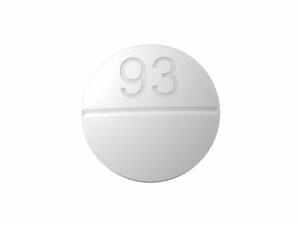
Nexium (Esomeprazole) – Patient Information (Australia)
Nexium contains esomeprazole, a medicine used to reduce stomach acid. It is commonly used for conditions such as gastro-oesophageal reflux disease (GORD/heartburn) and to help treat and heal certain stomach and intestinal ulcers.
This page is written to be patient-friendly and practical. It explains how Nexium works, when to take it, important interactions, and what to expect. Always follow the instructions provided by your healthcare professional and the information on the product packaging.
Quick facts
- Active ingredient: Esomeprazole
- Medicine type: Proton pump inhibitor (PPI)
- Main use: Reduces stomach acid
- Common conditions: Heartburn/reflux, oesophagitis, ulcers, prevention of NSAID-related ulcers (varies by product and indications)
- Best timing: Usually 30–60 minutes before food (or as directed)
- How it’s taken: Swallowed capsules/tablets; some forms may be taken as granules/suspension (depending on product)
Basic product information
| Feature | Details |
|---|---|
| Brand name | Nexium |
| Generic name | Esomeprazole |
| Drug class | Proton pump inhibitor (PPI) |
| Common strengths | Strengths vary by product (e.g., lower-dose options may be used for heartburn; higher doses may be used for ulcer healing under clinical guidance) |
| Route | Oral (by mouth) |
| Typical onset | Some relief may occur within 1 day; full healing can take longer depending on the condition |
In Australia, availability may differ by brand and formulation (for example, capsules or granules). The product you choose (including dose) should match the condition being treated and the directions on the packaging or healthcare advice.
How Nexium works (mechanism of action)
Esomeprazole belongs to the class of medicines called proton pump inhibitors (PPIs). PPIs work by blocking the final step of acid production in the stomach.
Specifically, esomeprazole reduces acid secretion by inhibiting H+/K+ ATPase (the proton pump) in stomach parietal cells. With less acid produced, irritation and damage caused by excessive acid can improve, and ulcers can heal.
- Helps relieve heartburn and reflux symptoms
- Supports healing of inflamed oesophagus (oesophagitis)
- Promotes healing of stomach/duodenal ulcers (often in combination with other medicines for certain causes)
Pharmacokinetics (how the body handles it)
Pharmacokinetics describes how a medicine is absorbed, processed, and eliminated. Key points for esomeprazole include:
- Absorption: Esomeprazole is absorbed after oral administration. Because it’s acid-sensitive, it is formulated to protect the drug through the stomach and allow absorption in the intestines.
- Onset of action: PPIs work best when taken before food because food stimulates acid secretion. Taking Nexium at the right time allows it to inhibit the proton pumps before they become highly active.
- Metabolism: Esomeprazole is primarily metabolised by liver enzyme systems (notably CYP pathways).
- Elimination: The medicine and its metabolites are eliminated mainly through the kidneys and/or bile, depending on the metabolic pathways.
- Accumulation: When taken daily, acid suppression becomes more consistent over several doses.
Individual factors such as age, liver function, other medicines, and the specific formulation can influence response.
Typical uses and indications
Nexium is used for conditions where reducing stomach acid is beneficial. Indications can vary by dose and product formulation. Common uses include:
- GORD (gastro-oesophageal reflux disease): Treatment of heartburn and acid reflux.
- Erosive oesophagitis: Healing of inflammation and damage to the oesophagus caused by acid reflux.
- Prevention and treatment of ulcers: Such as stomach (gastric) and duodenal ulcers (management plans may vary).
- Ulcers related to medicines (e.g., NSAIDs): In some situations, PPIs are used to reduce the risk of ulcer development in people taking NSAIDs. The exact suitability depends on your overall risk profile.
- Zollinger–Ellison syndrome: A rare condition involving excess acid production.
For some conditions (for example, certain ulcer types linked to infection), a combination of medicines may be required. Always follow the complete treatment plan provided.
When and how to take Nexium (timing and use)
Best timing for maximum benefit
Nexium works most effectively when taken before meals, because food triggers acid secretion. A common recommendation is:
- Take Nexium 30–60 minutes before eating (often before breakfast).
- If your dose is twice daily, it is commonly taken before breakfast and before dinner.
If your product label or healthcare professional provides different timing, follow their instructions.
How to swallow
- Capsules/tablets: Swallow whole with water.
- Granules/special formulations: Follow the specific instructions for that formulation carefully (some are mixed with water and taken immediately).
How long it takes to work
- Symptom relief: Many people notice improvement within 1 day, but individual results vary.
- Healing: Healing of oesophagitis and ulcers can take weeks, even when symptoms improve earlier.
- Do not stop early: Stopping once you feel better may reduce effectiveness, depending on the condition.
Food interactions (what to know)
Nexium’s timing is the main “interaction” with food. Because PPIs inhibit acid pumps that are most active after food stimulation, taking Nexium before meals improves effectiveness.
- Taking with food: If you take Nexium with or after meals, it may be less effective for symptom control.
- Consistency matters: Take it at the same time each day for the best results.
- Follow the product directions: Different formulations may have slightly different instructions.
There are no specific foods that must be avoided in all cases, but reflux symptoms vary by person. Lifestyle measures (smaller meals, avoiding late-night eating, and identifying trigger foods) may improve outcomes.
Alcohol and medicine interactions
Alcohol
Alcohol can worsen reflux symptoms in some people and may irritate the stomach lining. There is no universal rule, but if you notice increased heartburn after drinking, reducing or avoiding alcohol may help.
If you have peptic ulcer symptoms, severe reflux, or are on combination therapy for ulcers, it’s especially important to discuss alcohol use with a healthcare professional.
Medicine interactions (important)
PPIs can interact with certain medicines by affecting stomach acidity and/or liver enzyme metabolism. Some interactions may reduce effectiveness or change medicine levels. Tell your pharmacist or healthcare professional about all medicines and supplements you use, including over-the-counter products.
Common interaction examples:
- Medicines where absorption depends on stomach acidity: Examples can include some antifungals and certain antivirals. Reduced acid may affect absorption.
- Antiplatelet medicine clopidogrel: PPIs may interact in some circumstances. This can be important for people with cardiovascular conditions.
- Medicines affected by CYP enzymes: Esomeprazole is metabolised in the liver and can affect or be affected by other drugs that influence these pathways.
- Warfarin (and other anticoagulants): Changes in INR or bleeding risk have been reported with acid-suppressing therapies in some patients—monitoring may be needed.
- Some antiretrovirals: Specific agents may require careful selection and monitoring.
This is not a complete list. Interaction potential can depend on dose, formulation, and your personal medical history.
Dosing information (general guidance)
Dosing varies depending on the condition being treated, severity, and the specific product strength. Always use the dose and schedule on the product packaging or as directed by your healthcare professional.
General “patient-level” guidance:
- Once daily: Often taken before breakfast for reflux symptoms.
- Twice daily: May be used for more severe reflux or oesophagitis as part of a longer course (follow your instructions).
- Short courses vs longer courses: Some heartburn treatments may be used short-term; healing of ulcers or oesophagitis may require longer duration.
- Missed dose: Take it when you remember unless it’s close to the next dose. Do not take a double dose to make up for a missed one.
If you need Nexium for more than a brief period, it’s wise to check in with a healthcare professional to confirm the diagnosis and the best treatment plan.
Safety profile and side effects
Common side effects
Like all medicines, Nexium can cause side effects. Many people have no side effects or only mild, temporary effects. Commonly reported side effects include:
- Headache
- Nausea or stomach discomfort
- Diarrhoea or constipation
- Gas (flatulence)
- Dry mouth or dizziness (less common)
Seek medical advice urgently if you experience
- Signs of an allergic reaction such as swelling of the face/lips, hives, or difficulty breathing
- Severe or persistent diarrhoea, especially if accompanied by fever or blood in stool
- Unexplained bruising or bleeding
- Severe abdominal pain or vomiting blood
Longer-term safety considerations
PPIs are widely used. When taken long-term, ongoing assessment may be appropriate—particularly in people with multiple risk factors. Possible associations reported in medical literature include:
- Low magnesium (hypomagnesaemia) in some cases
- Vitamin B12 deficiency over prolonged periods
- Increased risk of certain infections due to reduced stomach acidity
- Bone health considerations with long-term use (especially in those with other risk factors)
If you plan to use Nexium for months or beyond, discuss monitoring and the most appropriate duration with a healthcare professional. Do not stop abruptly without advice, because symptoms can sometimes return when acid suppression is reduced.
Practical use tips (getting the best results)
- Take it before meals: If you’re taking Nexium, aim for 30–60 minutes before eating.
- Build a routine: Taking it at the same time daily improves consistency.
- Don’t rely only on the medicine: If you have reflux, lifestyle measures often enhance results (for example, avoiding late meals and reducing trigger foods).
- Use correct swallowing technique: Don’t crush or chew capsules unless your specific formulation allows it.
- Track symptom response: If you’re not improving after the expected timeframe, speak with a healthcare professional.
- Review interactions: Especially if you take blood thinners, antifungals, antivirals, or clopidogrel.
Alternative options to consider
Depending on your symptoms and medical history, alternatives may include:
Other acid-lowering medicines
- Other PPIs: Such as omeprazole, pantoprazole, lansoprazole, and rabeprazole. These may have similar effects but are not always identical in response.
- H2-receptor antagonists: Such as famotidine or similar medicines. They can help some people, particularly for milder symptoms, though PPIs are generally stronger for healing reflux-related damage.
- Antacids and alginate products: Can provide faster, short-term relief for occasional symptoms. They do not heal ulcers in the same way a PPI may.
Non-medicine measures
- Smaller meals and avoiding lying down soon after eating
- Elevating the head of the bed if night symptoms occur
- Identifying trigger foods (often varies: spicy foods, fatty meals, chocolate, caffeine, and alcohol can be common triggers)
Choosing the right option depends on whether you need symptom relief only or stomach/oesophagus healing. A healthcare professional can help determine the best approach.
Australia: market, legal and regulatory context
In Australia, medicines are regulated under the Therapeutic Goods Administration (TGA). Access to Nexium/esomeprazole can vary by product type, strength, and whether it is available through general sale or other pharmacy channels.
Pharmacy supply practices may include guidance on appropriate use, safety checks, and ensuring the medicine matches the person’s symptoms and risk factors.
Recent guidance and clinical considerations
In recent years, clinical practice across many countries—including Australia—has emphasised:
- Using the lowest effective dose for the shortest necessary duration when appropriate
- Reviewing ongoing need for long-term PPI therapy
- Ensuring alarm features are assessed (for example, unexplained weight loss, bleeding, persistent vomiting, or difficulty swallowing)
- Confirming diagnosis when symptoms are persistent or not responding as expected
If you have been taking a PPI for a long time, periodic review is a good safety practice.
Delivery and availability in Australia
Nexium (esomeprazole) may be available through Australian pharmacies and online pharmacy services, depending on local supply arrangements and the specific product strength/formulation.
- Availability: Stock levels can change; online listings typically show current availability.
- Delivery: Delivery options and timeframes depend on the pharmacy provider and your location.
- Packaging: Medicines are usually shipped in tamper-evident packaging with clear labelling.
- Storage: Store in a cool, dry place as directed on the pack. Keep away from moisture and heat.
If you’re unsure which strength or formulation is right for you, you can contact the pharmacy team before placing an order.
FAQ
1) How soon will Nexium start working?
Many people notice symptom improvement within 24 hours. Healing of inflammation or ulcers often takes longer—typically weeks—depending on the condition and dose. If symptoms are not improving after the expected timeframe, get medical advice.
2) Can I take Nexium with food?
Nexium generally works best when taken 30–60 minutes before food. Taking it with or after meals may reduce effectiveness for reflux control. Follow the instructions on your product pack.
3) What if I miss a dose?
Take it as soon as you remember if it’s not close to the next dose. If it’s nearly time for your next dose, skip the missed dose. Do not take a double dose to catch up.
4) Are there foods I should avoid?
There are no universal “must-avoid” foods for Nexium itself. However, reflux triggers differ between individuals. If certain foods worsen your heartburn, reducing them may improve symptoms.
5) Can I drink alcohol while taking Nexium?
Alcohol may worsen reflux symptoms for some people. There is no one rule for everyone, but if you notice increased heartburn after alcohol, consider limiting or avoiding it.
6) What medicines commonly interact with esomeprazole?
Interaction potential can include some anticoagulants (e.g., warfarin), antiplatelet therapy (e.g., clopidogrel), and some medicines where absorption depends on stomach acidity. Always check with a pharmacist if you take multiple medicines or have complex health conditions.
7) Is Nexium safe for long-term use?
Many people use PPIs safely under appropriate clinical supervision. If you need long-term therapy, periodic review can help ensure the dose remains appropriate and to consider monitoring for side effects when relevant.
8) Who should be extra cautious?
Take extra care if you have liver disease, low magnesium history, a history of vitamin B12 deficiency, osteoporosis risk, or frequent infections. Also seek advice if you have alarm symptoms such as difficulty swallowing, vomiting blood, black stools, unexplained weight loss, or persistent vomiting.
9) Can Nexium be stopped suddenly?
Some people experience a return of reflux symptoms when stopping PPIs. If you’ve been taking Nexium regularly for a longer period, ask a healthcare professional about the best way to reduce or stop safely.
10) What are alternatives if Nexium doesn’t help enough?
Depending on your diagnosis, a different PPI, an H2-receptor antagonist, an alginate/antacid for symptom relief, or a reassessment of the underlying cause may be considered. If symptoms persist, it’s important to get clinical review.
When to seek medical advice
Consult a healthcare professional promptly if you develop:
- Chest pain or symptoms that could be heart-related
- Difficulty swallowing, painful swallowing, or food sticking
- Vomiting blood or passing black/tarry stools
- Unexplained weight loss or ongoing vomiting
- Severe diarrhoea or signs of an infection
If you’re using Nexium for reflux symptoms, it’s also wise to seek advice if symptoms keep returning, worsen, or do not improve after the recommended treatment period.
Note: This information is general and may not cover every situation. For individual advice, speak with a pharmacist or healthcare professional and review the consumer medicine information (CMI) provided with your product.