
Mirtazapine (Australia) — Patient-Friendly Guide
Mirtazapine is a prescription medicine commonly used to treat certain forms of depression. It is also sometimes used for other conditions under medical guidance. This page explains how mirtazapine works, how it’s taken, what to expect, and important safety information for people in Australia.
Note: Always follow the instructions provided by your healthcare professional and the information on the product packaging. If you have questions about your personal situation, speak with your doctor or pharmacist.
Quick Facts
- Common uses: Depression (major depressive disorder), and sometimes other conditions depending on clinical judgement.
- How it works: Improves key brain chemical signals (serotonin and noradrenaline) and can also reduce anxiety and improve sleep for some people.
- When it’s taken: Often once daily, typically in the evening or at night (depending on your symptoms and side-effect profile).
- Onset: Some benefits may appear within 1–2 weeks; fuller effects may take several weeks.
- Common side effects: Sleepiness, increased appetite, weight gain, dry mouth, dizziness.
- Important cautions: Don’t stop suddenly; caution with alcohol and other medicines that affect serotonin or sedation.
Basic Product Information
- Medicine name: Mirtazapine
- Medicine type: Antidepressant
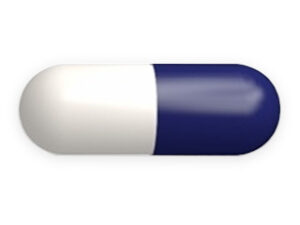
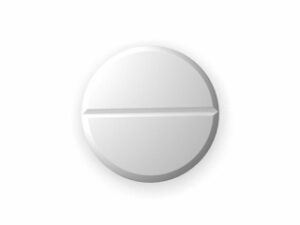
- Common forms (may vary by brand): Tablets and/or orally disintegrating tablets (ODT) depending on availability
- Strengths: Common strengths include 7.5 mg, 15 mg, 30 mg, and 45 mg (availability varies)
- Brand examples: Different brands may exist; your pharmacist can advise on what’s available.
Storage: Store as directed on the label (typically at room temperature, protected from moisture).
How Mirtazapine Works (Mechanism of Action)
Mirtazapine affects neurotransmitters involved in mood, anxiety, and sleep. The exact combination of actions varies by dose, but key mechanisms include:
- Increases noradrenaline and serotonin signalling in the brain.
- Blocks specific serotonin receptors, helping to rebalance signalling pathways.
- Strong antihistamine activity (H1 blockade), which can contribute to sedation and improved sleep.
Because it can reduce anxiety and improve sleep, mirtazapine may feel particularly helpful for people whose depression includes insomnia or significant restlessness.
Pharmacokinetics (How Your Body Handles It)
Pharmacokinetics describes how the body absorbs, distributes, metabolises, and eliminates mirtazapine.
- Absorption: Mirtazapine is absorbed after oral dosing. Food generally does not significantly change the overall extent of absorption.
- Distribution: It spreads throughout body tissues and crosses into the brain to affect mood-related pathways.
- Metabolism: Mainly metabolised in the liver through enzymes including CYP pathways (notably CYP1A2, CYP2D6, and CYP3A4).
- Elimination: Metabolites are removed primarily through the kidneys and urine.
- Half-life: Mirtazapine has an elimination half-life that supports once-daily dosing for many people; exact timing can vary by individual factors.
Why it matters: Because liver metabolism is involved, interactions with certain medicines (especially those that affect liver enzymes) may influence levels of mirtazapine.
Typical Uses and Indications in Australia
Mirtazapine is primarily indicated for depression. Depending on your symptoms and medical history, clinicians may choose it when:
- Depression is accompanied by sleep disturbance or anxiety.
- There is concern about certain side effects seen with other antidepressants.
- There is an individual preference or past experience that suggests mirtazapine may be suitable.
In some situations, doctors may use mirtazapine for other conditions off-label (not listed on the product label), based on clinical judgement and available evidence.
When to Take Mirtazapine (Timing and Routine)
Common timing: Mirtazapine is often taken once daily, frequently in the evening or before bed because of its sedating effects in many people.
If you feel too drowsy: Taking it at night can help. If drowsiness remains problematic, speak with your pharmacist or doctor—sometimes dose adjustment is considered.
If your sleep improves: Many people notice a gradual improvement in sleep quality over the first days to weeks.
How to take it
- Follow your dosing schedule exactly.
- Take consistently at about the same time each day.
- Tablets: Swallow with water.
- Orally disintegrating tablets (if provided): Place on the tongue and allow it to dissolve; avoid chewing.
Dosing — What’s Typical?
Dosing is individualised based on your age, symptoms, response, and side effects. Your clinician may start at a lower dose and adjust gradually.
Typical approach (general guidance)
- Starting dose: Often begins low (commonly 15 mg daily), though the exact starting dose can vary.
- Titration: Dose may be adjusted after assessing how you tolerate it.
- Maintenance: Once a beneficial effect is achieved and side effects are acceptable, the dose is usually kept stable.
Do not change your dose without advice. If you miss a dose, follow your pharmacist’s instructions or the product leaflet—generally you should not double up to make up for a missed dose.
How long until it works?
- Early changes: Sleep, appetite, and anxiety may improve earlier for some people.
- Mood effects: A clearer antidepressant response often takes 2–6 weeks.
- Full benefit: May require ongoing treatment and dose review over time.
Food Interactions
With food: Mirtazapine can typically be taken with or without food. Some people prefer taking it with a light snack if it helps reduce nausea or settles the stomach.
- Grapefruit: Grapefruit can affect certain drug-metabolising enzymes. The risk for mirtazapine specifically is not usually highlighted as a major issue, but if you use grapefruit regularly, ask your pharmacist for advice.
- Coffee/caffeine: No direct interaction is expected, but if you notice increased anxiety or insomnia, consider reducing late-day caffeine.
Appetite: Mirtazapine may increase appetite; planning meals and monitoring weight can help.
Alcohol and Medicine Interactions
Alcohol
It’s generally recommended to avoid or minimise alcohol while taking mirtazapine. Alcohol can:
- Increase sedation and impair coordination
- Worsen mood symptoms in the long term
- Increase the risk of dizziness or accidents
Other medicines that may interact
Interactions can increase side effects, change mirtazapine levels, or increase serotonin-related risks. Tell your pharmacist/doctor about all medicines you take, including:
- Other antidepressants or medicines that increase serotonin (risk of serotonin syndrome—rare but serious).
- Benzodiazepines, sleeping tablets, strong opioid pain medicines, or other sedatives (increased drowsiness).
- Antihistamines or anti-nausea medicines that cause drowsiness (may add to sedation).
- Certain antibiotics or antifungals, and HIV medicines (can affect metabolism depending on the drug).
- Anti-seizure medicines that change liver enzyme activity (may lower levels).
- Medicines affecting heart rhythm (discuss if you have known QT prolongation risk).
Always check: If you start any new medicine—prescription, over-the-counter, or herbal—ask whether it is safe with mirtazapine.
Safety Profile — Side Effects and When to Get Help
Like all medicines, mirtazapine can cause side effects. Many are mild and improve after the first days to weeks.
Common side effects
- Drowsiness/somnolence (often dose-related)
- Increased appetite and weight gain
- Dizziness, especially when standing
- Dry mouth
- Constipation
- Headache
- Fatigue
- Vivid dreams or sleep changes
Less common but important risks
- Low blood pressure (particularly at the start), which may increase fall risk.
- Changes in mood (including worsening depression or unusual behaviour), especially in younger people.
- Serotonin syndrome (rare) if combined with other serotonergic medicines: symptoms may include agitation, fever, sweating, tremor, diarrhoea, confusion.
- Increased bleeding risk may occur when combined with medicines that affect clotting (e.g., some NSAIDs or anticoagulants). Discuss with your pharmacist.
- Mania/hypomania in people with bipolar disorder (need careful screening).
- Agranulocytosis (very rare blood condition): signs may include fever, sore throat, or mouth ulcers.
- Seizures (uncommon, but risk may be higher in people with a seizure disorder).
Seek urgent medical help if
- You develop symptoms of serotonin syndrome
- You have fainting, severe dizziness, or signs of serious allergic reaction (swelling of face/lips, difficulty breathing, severe rash)
- You have high fever, severe agitation, confusion, or muscle stiffness
- You experience thoughts of self-harm or feel significantly worse—contact emergency services or local crisis supports immediately
Practical Use Tips (How to Make Treatment Easier)
- Start low, go slow (with your clinician): Gradual dose adjustments can improve tolerability.
- Plan for sleep: If it makes you drowsy, take it in the evening/night.
- Manage appetite/weight: Use balanced meals, include protein and fibre, and consider monitoring weight during the first months.
- Rise carefully: If you feel light-headed, stand up slowly—especially in the morning.
- Be cautious driving: Avoid driving or operating machinery until you know how it affects you.
- Track progress: Note sleep, appetite, mood, and anxiety levels weekly to support discussions with your doctor.
- Don’t stop abruptly: If you need to stop, your clinician will usually recommend a gradual taper to reduce withdrawal symptoms.
Stopping and Withdrawal Considerations
Stopping mirtazapine suddenly can cause discomfort for some people. Possible discontinuation symptoms may include dizziness, nausea, irritability, anxiety, sleep disturbance, and flu-like feelings.
Always use a taper plan: Your healthcare professional can provide a schedule suited to your dose and how long you’ve been taking it.
Alternative Options (If Mirtazapine Isn’t Right for You)
There are multiple treatments for depression and related conditions. Your clinician may consider alternatives depending on your symptoms, medical history, and side-effect tolerance.
Other antidepressants
- SSRIs (e.g., sertraline, fluoxetine, escitalopram): often first-line in many guidelines, but may cause gastrointestinal symptoms or sexual side effects.
- SNRIs (e.g., venlafaxine, duloxetine): can be helpful for pain-associated symptoms; may cause nausea or increased blood pressure in some people.
- Tricyclic antidepressants (e.g., amitriptyline in some cases): may be sedating but have a different side-effect profile.
- Other agents (e.g., agomelatine in some contexts, depending on availability and suitability).
Non-medicine options
- Psychological therapies such as CBT (Cognitive Behavioural Therapy) or other structured approaches.
- Lifestyle supports: regular sleep routine, physical activity, social support, and reducing alcohol.
- When needed: additional assessments if bipolar disorder, substance use issues, or complex comorbidities are suspected.
Your pharmacist can help explain how mirtazapine compares with other options, especially if sleepiness or appetite changes are a concern.
Market and Legal Context in Australia (What You Should Know)
In Australia, mirtazapine is regulated as a prescription medicine. Availability, brand names, and product strengths may vary through the Australian supply chain. Your ability to obtain it may depend on your healthcare plan and pharmacy processes.
How supply typically works: You’ll generally obtain mirtazapine through a licensed pharmacy with guidance from your clinician and pharmacist to ensure safe use and appropriate monitoring.
Pharmacist support: In addition to dispensing, pharmacists can help review interactions with your current medications, advise on timing, side-effect management, and support adherence.
Recent Guidance and Monitoring (What Clinicians Commonly Review)
Depression treatment in Australia typically involves both medicine and monitoring. While exact recommendations can vary by guideline updates and individual circumstances, clinicians commonly review:
- Response and side effects within the first weeks
- Sleep, appetite, and weight (particularly with mirtazapine’s appetite/sedation effects)
- Suicidal thoughts or rapid changes in mood early in treatment
- Comorbid conditions such as anxiety, bipolar disorder risk, substance use, and medical illnesses
- Medication interactions if new medicines are started
If you’re unsure what follow-up you should expect, ask your doctor or pharmacist about review timing and how to report adverse effects.
Delivery and Availability (Online Pharmacy Considerations)
Availability of mirtazapine products depends on supply from wholesalers and the specific brand/strength. When ordering online, the key points to keep in mind for Australian customers include:
- Product selection: Ensure you select the correct strength and form (e.g., tablet type if offered).
- Packaging: Your medicine will typically arrive in manufacturer packaging with consumer medicine information (CMI) included where required.
- Delivery times: Shipping times can vary by state and stock status.
- Order processing: Some items may require verification steps before dispatch.
- Storage on arrival: Keep tablets in a cool, dry place away from sunlight and out of reach of children.
Tip: If you’re travelling or changing routines, plan ahead so you don’t run out—especially during dose adjustment phases.
FAQ — Mirtazapine for Patients in Australia
1) Is mirtazapine sedating?
Many people experience drowsiness, especially at the beginning of treatment. Taking it in the evening or at night often helps. If you feel overly sedated the next day, speak with your pharmacist or doctor promptly.
2) How quickly will I feel better?
Some improvements (like sleep) may occur within days. Mood improvements generally take longer—often several weeks. If you don’t notice any change after a reasonable trial, your clinician may review the dose or treatment plan.
3) Can I take mirtazapine with food?
Yes. It can usually be taken with or without food. Choose the routine that best suits you and your stomach comfort.
4) Will it cause weight gain?
It can increase appetite, which may lead to weight gain in some people. Weight monitoring and lifestyle strategies can help. Discuss concerns early—adjustments may be possible.
5) Can I drink alcohol?
It’s generally advised to avoid or limit alcohol because of increased sedation and the potential to worsen mood. If you’re unsure how much is safe for you, talk to your pharmacist or doctor.
6) What if I miss a dose?
If you miss a dose, take it when you remember unless it’s close to your next scheduled dose. Do not take double doses. Check the product information or ask your pharmacist for guidance.
7) Can I stop mirtazapine suddenly?
It’s usually not recommended to stop suddenly. Withdrawal symptoms can occur. If stopping is planned, your healthcare professional will usually recommend a gradual taper.
8) Are there driving or work safety concerns?
Yes—at least at the start, or after dose changes, mirtazapine can impair alertness. Avoid driving or operating machinery until you know how it affects you.
9) What medicines should I avoid?
Be cautious with other sedating medicines (sleeping tablets, benzodiazepines, strong opioid pain medicines) and medicines that increase serotonin. Always provide your pharmacist with a full list of medicines and supplements.
10) Is mirtazapine used only for depression?
It is mainly used for depression. It may also be used for other conditions in certain circumstances under medical guidance.
Summary
Mirtazapine is an antidepressant that works by influencing brain serotonin and noradrenaline pathways, and it can also reduce insomnia and anxiety for many people due to its antihistamine effects. With typical once-daily dosing—often in the evening—mirtazapine may improve mood over several weeks. Common side effects include sleepiness and increased appetite, so planning for sleep routines and appetite/weight monitoring can make treatment more manageable.
If you’re considering mirtazapine or already taking it, your pharmacist can help with practical guidance—especially around timing, managing side effects, and checking interactions with other medicines.
| Topic | What to know |
|---|---|
| Type | Antidepressant (commonly for depression) |
| When taken | Often once daily in the evening or at night |
| How it works | Enhances serotonin/noradrenaline signalling; antihistamine effects contribute to sleepiness |
| Food | Generally can be taken with or without food |
| Alcohol | Generally avoid or minimise due to increased sedation and mood impact |
| Onset | Sleep may improve sooner; mood effects often take weeks |
| Common side effects | Drowsiness, increased appetite/weight gain, dizziness, dry mouth |
| Safety note | Don’t stop suddenly; seek urgent help for severe reactions or serotonin-syndrome symptoms |