

Urso (Ursodiol) — Patient-Friendly Guide (Australia)
Urso (ursodiol) is a medicine used to treat certain liver and bile-duct conditions. It works by improving the way bile moves and by reducing the level of harmful bile acids in the body. This page explains how Urso works, when it’s typically taken, key safety information, and what to expect in everyday use.
Note: This information is general and may not replace advice from your healthcare professional. Always follow the dosing plan provided to you.
1) Basic product information
- Medicine name: Urso (ursodiol)
- Active ingredient: Ursodiol (also called ursodeoxycholic acid, UDCA)
- What it’s used for: Selected bile/liver conditions such as primary biliary cholangitis (PBC) and certain gallstone-related conditions
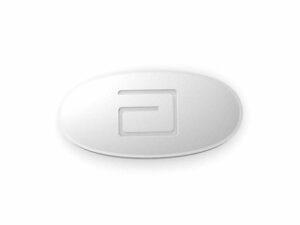
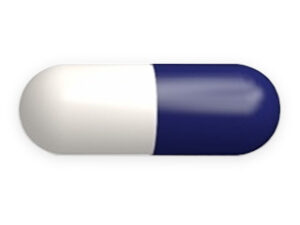
- Common form: Oral capsules/tablets (strengths vary by product)
In Australia, ursodiol products may be listed under brand names and generics. Availability and specific strengths can vary by supplier and by PBS/Restricted benefits status depending on the indication and patient eligibility.
2) How Urso works (mechanism of action)
To understand ursodiol, it helps to know what bile is and why bile acids matter.
- Bile acids are substances made by the liver to help digest fats. They’re carried through bile ducts to the intestine.
- In some liver and bile-duct disorders, bile acids can become imbalanced—potentially leading to inflammation and damage.
Ursodiol’s main actions include:
- Improves bile flow: It may help bile move more effectively (a “choleretic” effect).
- Reduces bile acid toxicity: Ursodiol changes the composition of bile acids, helping replace more toxic bile acids with less toxic ones.
- Protects liver cells: It may stabilise cell membranes and reduce liver inflammation.
- Supports bile-duct function: Over time, this can help lower liver enzyme abnormalities in appropriate conditions.
For some gallstone types, ursodiol works by gradually dissolving cholesterol gallstones over months, rather than quickly “breaking up” stones in the short term.
3) Pharmacokinetics (how the body handles ursodiol)
Pharmacokinetics describes what happens after you swallow ursodiol: absorption, distribution, metabolism, and excretion.
- Absorption: Ursodiol is absorbed in the small intestine. The extent of absorption can vary between individuals.
- Transport in the body: It becomes part of the bile acid pool and circulates through enterohepatic circulation (a cycle involving liver and intestine).
- Metabolism: It is modified by gut bacteria and processed by the liver into bile acids.
- Half-life: The effective half-life can vary, partly due to enterohepatic recycling. In practical terms, it acts gradually, with effects building over weeks to months.
- Excretion: Ursodiol metabolites are eliminated mainly via bile and also to a lesser degree through urine.
What this means for you: Because ursodiol works over time, improvements in lab results (and gallstone dissolution, when relevant) may take weeks to months.
4) Typical uses of Urso
Urso is used for conditions where improving bile composition or flow is helpful. The exact use depends on your diagnosis.
Common indications include:
- Primary biliary cholangitis (PBC): Often to improve liver biochemistry and slow disease progression.
- Cholesterol gallstones: In selected patients when gallstones meet specific criteria (commonly small, cholesterol-rich, and with a functioning gallbladder).
- Other bile-related disorders: Sometimes used under specialist care depending on diagnosis and treatment plan.
Important: Ursodiol is not a universal treatment for every type of gallstone or every liver disease. Your doctor may use ultrasound/scan results and blood tests to determine suitability.
5) Indications vs. suitability (what matters most)
The benefits of ursodiol depend heavily on the condition being treated and the characteristics of bile or gallstones.
- PBC: Usually requires long-term treatment. Response is monitored with blood tests (e.g., liver enzymes and bilirubin).
- Gallstones: Typically only cholesterol stones respond. Other stone types may not dissolve well.
- Time frame: Dissolution of gallstones is slow; symptoms may improve before complete dissolution is achieved, but continued treatment is often needed.
6) How and when to take Urso (timing)
Ursodiol dosing schedules can differ by indication and product strength. Many patients find it easiest to take doses with meals, as bile acids and digestion processes are active after eating.
General timing tips:
- Take it regularly: Consistency helps maintain steady effects.
- Split doses if prescribed: Many regimens use multiple doses per day.
- With food (often helpful): Taking with meals can reduce gastrointestinal discomfort for some people.
- Follow the label instructions: If your prescription instructions differ, follow your own dosing plan.
Missed dose: If you miss a dose, take it when you remember unless it’s close to the next dose. Do not take a double dose to “catch up.”
7) Dosing information (typical approach)
Ursodiol dosing is individual. Your dose should be based on your medical condition, body weight (for some indications), and tolerance.
| Condition (example) | Typical dosing approach | Notes |
|---|---|---|
| Primary biliary cholangitis (PBC) | Often weight-based daily dosing divided into 2–3 doses | Dose is adjusted based on response and tolerability; regular blood tests are used to monitor progress. |
| Cholesterol gallstones | Often once or twice daily dosing depending on product and plan | Gallstone dissolution can take many months. Imaging may be repeated to assess response. |
Why doses vary: Your clinician may choose a dose based on severity, liver test results, imaging findings, and your ability to tolerate treatment.
Always use the exact dose advised for you. If you’re unsure, confirm with your pharmacist.
8) Food interactions and effects
Ursodiol can be influenced by the fat content and digestion of meals because it relates to bile acid activity.
- General approach: Taking ursodiol with meals is often recommended in practice, especially if your regimen includes multiple daily doses.
- High-fat meals: May increase stimulation of bile flow; for most patients this is not a problem, but individual tolerance can vary.
- Gastrointestinal side effects: Nausea, indigestion, or diarrhoea can occur. Taking it with food or adjusting timing may help.
Food diary tip: If you notice symptoms after doses, note what you eat and when—your healthcare professional can help fine-tune timing.
9) Alcohol and medicine interactions
Alcohol: If you have liver disease or bile-duct problems, alcohol may worsen liver stress and can affect your condition and liver tests. Many clinicians advise limiting or avoiding alcohol in people with chronic liver conditions.
- For people with PBC or other liver conditions: Ask your clinician what alcohol limit is appropriate for you.
- For gallstone-related use: Alcohol can still affect digestion and liver function; moderation is generally recommended.
Other medicine interactions: Some drugs can interfere with ursodiol’s effectiveness, while others may increase side effects.
Common types of interactions to discuss
- Bile acid sequestrants (used for cholesterol): may bind bile acids in the intestine and reduce absorption/effect of ursodiol.
- Antacids containing certain aluminium compounds: may affect absorption (timing separation may be needed).
- Some lipid-lowering agents and supplements: effectiveness may be altered in certain cases.
- Medicines affecting liver metabolism: may require monitoring depending on your liver status.
Practical advice: Provide your pharmacist with a full list of medicines, including over-the-counter products and herbal supplements. If you take bile acid sequestrants, your prescriber may schedule doses several hours apart.
10) Safety profile (what to know)
Most people tolerate ursodiol reasonably well, but side effects and risks can occur.
Common side effects
- Diarrhoea or looser stools
- Nausea
- Abdominal discomfort (cramps, bloating, indigestion)
- Headache (less common)
Less common but important
- Worsening liver symptoms or significant changes in lab tests that require review
- Allergic reactions (rash, itching, swelling, breathing difficulty) — seek urgent help if severe
When to seek medical advice promptly
- Severe or persistent diarrhoea/dehydration
- Yellowing of eyes/skin that is new or worsening
- Severe abdominal pain, especially with fever or vomiting
- Signs of allergy: hives, facial swelling, trouble breathing
Pregnancy and breastfeeding: Discuss with your healthcare professional. The suitability of ursodiol depends on your condition, severity, and the benefits/risks for you and your baby.
11) Practical use tips for best results
- Keep consistent dosing: Set reminders if you’re on multiple daily doses.
- Track symptoms and labs: For PBC, blood tests often guide treatment response. Attend appointments for monitoring.
- Take with meals if advised: This can help with tolerability and routine adherence.
- Manage gastrointestinal effects: If diarrhoea occurs, speak to your pharmacist about hydration and whether any dose/timing adjustment is appropriate.
- Don’t stop early: Ursodiol often takes time to show benefit. Stopping can reverse progress in some conditions.
- Use imaging/lab follow-up: For gallstones, ultrasound or scan results may be required to confirm response.
12) Alternative options
Alternative treatments depend on the underlying diagnosis. Your healthcare team will select the best option based on disease type, severity, and your overall health.
For primary biliary cholangitis (PBC)
- Other bile-related therapies may be considered in specific cases.
- Supportive liver care including monitoring, symptom management for itch/fatigue, and cardiovascular risk management.
- Specialist referral and step-up therapy if first-line response is inadequate.
For gallstones
- Procedural options (e.g., surgery or endoscopic approaches) may be considered depending on stone characteristics and symptoms.
- Lifestyle measures to support overall digestive health may be recommended, though they usually do not dissolve stones as reliably as targeted therapy.
Ask your pharmacist or clinician: If ursodiol is not suitable or isn’t working well enough, there may be other pathways tailored to your condition.
13) Urso in the Australian market: availability and legal context
In Australia, medicines are regulated under the Therapeutic Goods Administration (TGA) and supplied through authorised channels.
- Brand/generic availability: Ursodiol may be available under various brands and may include generic ursodeoxycholic acid preparations.
- Funding status: In some cases, treatment may be subsidised under the Pharmaceutical Benefits Scheme (PBS) depending on indication and eligibility criteria. Coverage rules can change, so confirm current status when ordering.
- Supply considerations: Stock availability can vary by strength and manufacturer, and may change with demand.
Recent guidance and monitoring: Treatment decisions for liver/bile-duct diseases may be updated as new evidence becomes available. In practice, clinicians commonly use regular blood tests (and sometimes imaging) to monitor response and guide therapy adjustments. It’s important to follow your specialist’s monitoring schedule.
14) Delivery and availability (online pharmacy in Australia)
Urso/ursodiol availability can vary by:
- Strength (e.g., mg per capsule/tablet)
- Pack size
- Brand/manufacturer
- Regional stock levels
When you order online, delivery time depends on your location and current stock. To avoid delays:
- Check the product strength and pack size before purchasing.
- Confirm the dose instructions you will follow are consistent with the product you receive.
- If you need ongoing treatment, consider ordering in advance to maintain supply.
Storage: Keep ursodiol in its original packaging, at a stable room temperature, away from direct sunlight and moisture. Keep out of reach of children.
15) FAQ
How long does Urso take to work?
It depends on the condition. For bile/liver conditions, improvements in blood tests may take several weeks, and long-term treatment may be required. For gallstones, dissolution—if it occurs—usually takes months and is monitored by imaging.
Can I stop Urso once I feel better?
In many bile-duct and liver conditions, ursodiol is taken long term to maintain benefits. Stopping may allow symptoms or abnormal tests to return. Discuss any change with your healthcare professional.
What if I miss a dose?
Take it as soon as you remember, unless it’s close to the next dose. Skip the missed dose if you’re near the next scheduled time. Do not take a double dose.
Is Urso safe for everyone with liver disease?
Not necessarily. Suitability depends on your diagnosis, liver function, and other medicines you take. Your healthcare professional can assess whether ursodiol is appropriate and monitor for response and side effects.
Does Urso cause weight gain?
Weight changes are not a common direct effect of ursodiol. However, health changes related to liver/bile conditions may affect appetite, weight, and energy. If you notice significant changes, ask your clinician.
Can I take Urso with antacids or other stomach medicines?
Some stomach medicines can affect absorption or tolerateability. It’s best to discuss your full list of medicines with your pharmacist. If separation is needed, they may advise spacing doses.
Are there foods I should avoid?
Most patients can follow a normal diet. Taking ursodiol with meals may help. If you experience stomach upset after certain foods, consider adjusting timing and discuss persistent symptoms with your pharmacist.
Can I drink alcohol while taking Urso?
If you have liver disease, alcohol may worsen liver stress. Many clinicians recommend limiting or avoiding alcohol. Ask your doctor what is appropriate for your individual situation.
What monitoring is usually recommended?
For many indications (particularly PBC), regular blood tests are used to monitor liver enzymes and bilirubin and to check your response. Your specialist may also request periodic imaging in gallstone-related use.
What are signs that I should contact my doctor urgently?
Seek prompt medical help for severe allergic reactions (swelling, rash with breathing difficulty), severe or persistent diarrhoea/dehydration, or significant worsening of jaundice (yellow eyes/skin), or severe abdominal pain with fever/vomiting.
Always read the consumer medicines information (CMI) provided with your specific product and follow the instructions from your healthcare professional. If you have questions about how Urso fits your treatment plan, speak with your pharmacist.