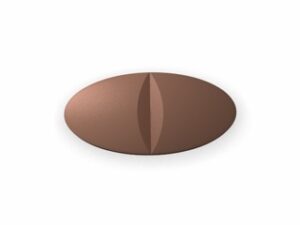

Nortriptyline (Nortriptyline Hydrochloride) – Patient Guide (Australia)
Nortriptyline is a medicine used to treat a range of conditions, most commonly certain types of depression and chronic pain syndromes. It belongs to a group of medicines called tricyclic antidepressants (TCAs). Many people know TCAs for mood-related uses, but nortriptyline is also widely used for nerve-related pain and migraine prevention.
This guide explains how nortriptyline works, how it’s taken, what to expect, and important safety information. It’s written to be patient-friendly and suitable for an online pharmacy website in Australia.
Basic Product Information
| Item | Details |
|---|---|
| Generic name | Nortriptyline (as Nortriptyline Hydrochloride) |
| Medicine type | Tricyclic antidepressant (TCA) |
| Common dosage forms | Tablets and capsules (varies by brand/strength) |
| How it’s commonly used | Depression; chronic neuropathic pain; migraine prevention; other approved uses depending on clinical assessment |
| Typical dosing frequency | Usually once daily or divided doses (depending on condition and tolerability) |
| Onset of benefit | Mood symptoms may take weeks; pain or migraine prevention may improve within days to weeks |
How Nortriptyline Works (Mechanism of Action)
Nortriptyline affects brain chemicals involved in mood, pain signalling, and nerve function.
- Monoamine reuptake inhibition: It helps slow the reuptake of noradrenaline and serotonin in nerve synapses. This can improve mood and reduce pain sensitivity for some people.
- Anticholinergic effects: It can block certain acetylcholine (muscarinic) receptors. This contributes to common side effects such as dry mouth and constipation.
- Alpha-adrenergic effects: It can influence blood vessel tone and may contribute to dizziness or changes in blood pressure.
- Neuropathic pain modulation: By altering neurotransmission, it may reduce abnormal pain signals from nerves.
Because nortriptyline changes how the nervous system signals, the “right” dose is often the one that improves symptoms with the fewest side effects.
Pharmacokinetics (Absorption, Distribution, Metabolism, and Excretion)
Understanding how the body processes nortriptyline can help explain onset and side effects.
- Absorption: Nortriptyline is absorbed from the gastrointestinal tract after oral dosing.
- Distribution: It distributes throughout the body, including the central nervous system, where it can affect mood and pain pathways.
- Metabolism: Nortriptyline is primarily metabolised in the liver. Various liver enzymes are involved, and genetic or medication-related differences can affect blood levels.
- Elimination: Metabolites are excreted mainly via urine. Some people with liver impairment may experience higher exposure or slower clearance.
- Half-life: The elimination half-life is long enough that once-daily dosing is often feasible, and dose changes may take time to fully “settle.”
Why this matters: If you start nortriptyline (or change the dose), side effects and effectiveness may evolve over several days to weeks. Avoid rapid dose changes unless advised by your clinician.
Typical Uses
Nortriptyline is used for conditions where reducing abnormal nerve signalling or improving neurotransmitter balance can help.
- Depression (where a TCA is considered appropriate)
- Chronic neuropathic pain (nerve pain), such as pain related to damaged nerves
- Migraine prevention (helping reduce frequency and severity for some people)
- Other clinician-assessed indications depending on your health profile and available treatment options
Your doctor or pharmacist may recommend nortriptyline after considering other therapies, your medical history, potential interactions, and side-effect tolerance.
When to Take Nortriptyline (Timing and How to Take It)
Most people take nortriptyline once daily, often in the evening, especially if it causes drowsiness. Some may be prescribed divided dosing.
- Try evening dosing if you feel sleepy or “slowed down.”
- Take it at the same time each day to maintain steady effects.
- Do not suddenly stop without advice, because stopping abruptly can worsen symptoms and may cause withdrawal-like effects.
If you miss a dose, follow the “missed dose” guidance on your medicine information materials. In general, if it’s close to your next dose, skip the missed dose rather than doubling.
Food Interactions and Dietary Considerations
Nortriptyline can usually be taken with or without food. However, food may affect how comfortable you feel and, for some people, may reduce stomach upset.
- With food: May help if you experience nausea or stomach discomfort.
- Without food: Some people tolerate it well, particularly when taking at bedtime.
Grapefruit and related citrus products: These can interact with certain medicines that are metabolised by liver enzymes. To reduce the risk of increased nortriptyline levels, it’s wise to avoid grapefruit unless your clinician confirms it’s safe for you.
General nutrition: Maintain adequate hydration and fibre intake to help counteract constipation, a common TCA-related effect.
Alcohol and Medicine Interactions
Alcohol
Avoid or limit alcohol
Other medicines that commonly interact
Nortriptyline has meaningful drug interaction potential. Always tell your pharmacist about:
- All prescribed medicines
- All over-the-counter medicines
- Any herbal products or supplements
Some key interaction categories include:
- Other antidepressants and medicines affecting serotonin or noradrenaline—may increase risk of side effects, including serotonin-related complications.
- Monoamine oxidase inhibitors (MAOIs)—generally not used together; requires careful medical planning and washout periods.
- Certain antibiotics and antifungals—some can inhibit metabolism and increase nortriptyline levels.
- Antiarrhythmics or medicines that affect heart rhythm—risk of abnormal heart rhythm may increase.
- Medicines that raise potassium or affect electrolytes—electrolyte imbalance can increase cardiac risk.
- Strong liver enzyme inhibitors—may elevate drug concentrations, increasing toxicity risk.
- Sedatives (including some sleep medicines), antihistamines, and opioids—may increase drowsiness and impairment.
Do not start or stop any medicine (including supplements) without checking first. Your pharmacist can quickly assess whether a particular product is likely to interact with nortriptyline.
Indications (What Nortriptyline Is Used For)
In Australia, nortriptyline is used for clinically appropriate conditions. Depending on your medical history and symptom pattern, clinicians may use it for:
- Depression, particularly when a TCA is considered suitable
- Chronic neuropathic pain, including nerve pain conditions that haven’t responded adequately to other treatments
- Migraine prevention in people who experience frequent migraines or significant disability despite acute treatment
- Other conditions based on specialist judgement, local protocols, and available evidence
Your exact indication affects how your dose may be adjusted and how long you should wait before assessing benefit.
Dosing (Typical Approach and Important Principles)
Dosing is individual. Your starting dose may be low and increased gradually to minimise side effects while finding the best symptom control. The “right dose” is often a balance between effectiveness and tolerability.
General principles
- Start low, go slow: Many clinicians begin with a lower dose and increase over time.
- Adjust based on response: If symptoms improve without troublesome side effects, the dose may be maintained.
- Consider age and frailty: Older adults often require lower doses due to increased sensitivity and interaction risk.
- Monitor side effects: Drowsiness, dry mouth, constipation, and dizziness are common and may guide dose changes.
Typical dosing patterns (examples)
The exact dose depends on your condition, age, other medications, and tolerability. Many patients are started on a small nightly dose, then slowly increased toward a usual effective range if needed.
Important: Always follow the dose provided with your medicine and your clinician’s instructions. Do not take extra doses to speed up effects—nortriptyline can be harmful in overdose.
What to Expect After Starting Nortriptyline
- First few days: You may notice dry mouth, constipation, sleepiness, or dizziness. Some people feel relief early, but it may take time.
- 1–2 weeks: Side effects may stabilise. If drowsiness is significant, bedtime dosing or dose adjustment may help.
- Weeks: For depression, improvement often takes several weeks. For neuropathic pain or migraine prevention, benefits may also require time and consistent dosing.
If you experience severe side effects or worsening symptoms, contact a healthcare professional promptly.
Safety Profile and Side Effects
Like all medicines, nortriptyline can cause side effects. Many are dose-related and may improve as your body adjusts.
Common side effects
- Dry mouth
- Constipation
- Drowsiness or fatigue
- Dizziness, especially when standing up
- Blurred vision
- Increased sweating or reduced sweating
- Tremor in some people
Less common but important effects
- Changes in heart rhythm (TCAs can affect cardiac electrical activity)
- Urinary retention (more likely in men with prostate enlargement)
- Blood pressure changes, including orthostatic hypotension
- Sensitivity to sunlight (in some people)
Seek urgent medical help if you notice
- Fainting or severe dizziness
- Chest pain, unusual palpitations, or severe shortness of breath
- Severe allergic reactions (swelling of face/lips, difficulty breathing, rash with swelling)
- Confusion, agitation, or severe tremor
- Symptoms of overdose (extreme drowsiness, seizures, or abnormal heartbeat)
Special risk groups
- Heart disease or previous abnormal heart rhythm
- Older adults (greater sensitivity and fall risk)
- People taking interacting medicines
- Those with liver impairment
- People with glaucoma or urinary retention risk due to anticholinergic effects
Practical Use Tips
- Manage dry mouth: Sip water regularly, consider sugar-free gum or lozenges, and maintain good oral hygiene.
- Prevent constipation: Include fibre, water, and regular movement; consider discussing a stool softener or osmotic laxative if needed.
- Reduce dizziness: Stand up slowly, especially in the morning or after lying down.
- Sleep and safety: If you feel drowsy, avoid driving or operating machinery until you know how nortriptyline affects you.
- Keep a symptom diary: Note pain levels, mood changes, sleep, and side effects to help your clinician fine-tune the dose.
- Do not stop suddenly: Tapering may be needed to prevent withdrawal-like symptoms or return of symptoms.
Alternative Options (Discuss With Your Clinician)
Depending on your condition, there may be alternatives to nortriptyline. Your healthcare provider may consider:
- Other antidepressants (for depression)
- Other medicines for nerve pain such as certain anticonvulsants used for neuropathic pain
- Other migraine preventives such as beta blockers, certain antihypertensives, or other classes
- Non-medicine approaches including physiotherapy, psychological therapies (for depression and chronic pain), sleep and lifestyle interventions, and nerve-pain education programs
Choice depends on your medical history, current medications, and what side effects you can tolerate.
Market and Legal Context for Australia (General Information)
In Australia, medicines like nortriptyline are regulated under the Australian medicines framework and may be classified as prescription medicines depending on the specific product and strength. Access can vary by indication and the formulation supplied by the pharmacy.
For safe supply, Australian pharmacies typically require appropriate patient information and may include additional checks for interactions and suitability.
Always follow Australian pharmacy advice and the product consumer medicine information supplied with your medicine.
Recent Guidance and Monitoring (What to Be Aware Of)
Ongoing clinical guidance focuses on safe prescribing for TCAs, particularly around:
- Cardiac risk assessment for patients with existing heart conditions or risk factors
- Drug–drug interaction screening, since TCAs can interact with many common medicines
- Careful initiation and dose titration to reduce side effects
- Monitoring for mood changes in people being treated for depression
If you have risk factors (such as heart disease, electrolyte problems, or you’re taking interacting medicines), your clinician may consider monitoring such as heart-related tests or more frequent follow-up visits.
Delivery and Availability (Online Pharmacy Australia)
Nortriptyline may be available through Australian online pharmacies that supply regulated medicines in accordance with local requirements. Availability can depend on stock levels, manufacturer supply, and your preferred dosage form and strength.
- Delivery: Orders are typically dispatched after processing and verification of suitability and availability. Delivery times vary by location.
- Packaging: Medicines are supplied in original manufacturer packaging where possible.
- Storage: Follow storage instructions on the label and avoid excessive heat or moisture.
- Questions before delivery: If there are stock or interaction concerns, the pharmacy may contact you to clarify details.
Frequently Asked Questions (FAQ)
1) How long does it take for nortriptyline to work?
For depression, improvement may take several weeks. For neuropathic pain or migraine prevention, some people notice changes within days to weeks, but consistent daily use is usually needed to judge effectiveness.
2) Should I take nortriptyline in the morning or at night?
Many people take it at night because drowsiness can occur. If you feel too sleepy, discuss with your pharmacist or clinician whether timing or dose adjustment is appropriate.
3) Can I take nortriptyline with food?
Yes, nortriptyline can typically be taken with or without food. If it upsets your stomach, taking it with food may help.
4) Is it safe to drink alcohol while using nortriptyline?
It’s best to avoid or strictly limit alcohol. Alcohol can increase drowsiness, dizziness, and impairment, and may worsen mood and safety risks.
5) What are the most common side effects?
Common side effects include dry mouth, constipation, drowsiness, and dizziness. These are often dose-related and may improve as your body adjusts.
6) Can nortriptyline affect my heart?
TCAs can influence heart rhythm. If you have heart disease, a history of abnormal rhythm, or you’re taking interacting medicines, your clinician may recommend monitoring or extra precautions.
7) What should I do if I miss a dose?
Check your medicine information for missed-dose instructions. In general, don’t double up. If you’re unsure, ask your pharmacist for advice.
8) Can I stop nortriptyline suddenly?
It’s usually not recommended to stop abruptly. Dose tapering may help prevent withdrawal-like symptoms and reduce the risk of symptoms returning.
9) Are there foods I should avoid?
Avoid or be cautious with grapefruit and related citrus products, since they may affect how certain medicines are metabolised.
10) What alternatives exist if nortriptyline isn’t suitable?
Alternatives depend on what you’re treating (depression, neuropathic pain, or migraine prevention). Your clinician may suggest different antidepressants, nerve-pain medicines, migraine preventives, or non-medicine strategies.
Key Takeaways
- Nortriptyline is a tricyclic antidepressant used for depression and other nerve-related or migraine-related conditions.
- Benefits may take weeks for mood and days to weeks for pain/migraine prevention.
- Common side effects include dry mouth, constipation, and drowsiness.
- It has important drug and alcohol interactions; check with your pharmacist before adding any new medicines.
- Because it can affect the heart, extra caution may be needed for people with cardiac risk factors.
Always read the Consumer Medicine Information provided with your product and follow advice from your healthcare professional. If you’re unsure whether nortriptyline is appropriate for you, speak with your pharmacist or clinician.