
Trazodone (Trazodone Hydrochloride) – Patient Information (Australia)
Trazodone is a prescription medicine used mainly for depression and related conditions. It belongs to a group of medicines often described as serotonin modulators. Many people also take trazodone for sleep difficulties associated with mood disorders, as it can be calming. This guide is designed to help you understand how it works, what to expect, and how to use it safely.
Basic product information
| Item | Details |
|---|---|
| Generic name | Trazodone hydrochloride |
| Medicine type | Serotonin modulator (antidepressant with sedating properties at lower doses) |
| Common forms (varies by brand) | Oral tablets |
| Typical dosing frequency | Often once or twice daily depending on your dose and plan |
| Common use | Depression; sometimes sleep disturbance related to mood symptoms |
| Brand examples | Different brands may be available; ask your pharmacist to confirm yours |
How trazodone works (mechanism of action)
Trazodone works mainly by affecting levels and activity of serotonin in the brain. Serotonin is a chemical messenger involved in mood, anxiety, sleep, and other functions. Trazodone’s effects are “balanced” compared with some other antidepressants, and its action can also help with sedation for some people.
- Serotonin reuptake inhibition (SERT): Trazodone can inhibit serotonin reuptake, which increases serotonin availability.
- Serotonin receptor modulation: It interacts with multiple serotonin receptors, including antagonism at certain receptor subtypes. This contributes to mood effects and may reduce some side effects seen with other antidepressants.
- Antihistamine-like and alpha-adrenergic effects (contributing to sedation): These can lead to calming or sleepiness, especially at lower doses or when taken in the evening.
The exact response varies between individuals. Some people feel calmer or sleep better early on, while mood improvement typically takes longer.
Pharmacokinetics (how your body processes trazodone)
Pharmacokinetics describes what happens to a medicine after you take it—how it is absorbed, distributed, metabolised, and eliminated. While individual results vary, the main points for trazodone are:
- Absorption: Trazodone is absorbed after oral dosing.
- Metabolism: It is metabolised primarily in the liver. A key metabolite is produced by liver enzymes, which can be affected by other medicines.
- Peak effect timing: Blood levels rise after dosing; noticeable effects (such as sleepiness) may occur sooner, while antidepressant effects may take weeks.
- Elimination: Metabolites are eliminated mainly through the kidneys and urine (varies with patient factors).
- Half-life: Trazodone’s activity lasts long enough that dosing schedules are designed to maintain effect while limiting unwanted daytime sedation.
Your prescriber may adjust your dose based on age, liver/kidney function, other medicines, and how you respond. If you ever miss doses, follow your healthcare professional’s instructions rather than changing the schedule suddenly.
Typical uses in Australia
Trazodone is used to treat depression and can be particularly helpful when insomnia or poor sleep is part of the picture. It is sometimes considered in cases where a calmer, sedating effect is useful.
Indications may vary depending on local product information and clinical judgement. Common clinical reasons include:
- Major depressive disorder (as an antidepressant option)
- Depression with insomnia or sleep disturbance
- Situations requiring sleep support during depressive illness (decision based on overall risk and benefit)
If you are using trazodone for sleep symptoms, it is important to address the underlying cause of insomnia as well (stress, anxiety, sleep apnoea, restless legs, medications, alcohol use, and more). Trazodone may be part of a broader treatment plan.
When to take trazodone (timing guidance)
Many people take trazodone in the evening because it can be sedating. However, the best timing depends on: your dose, how it affects you, and your treatment goals.
- Start-up phase: Some people feel sleepy soon after taking it, so starting in the evening (or at the time you can rest) is often preferred.
- Daytime dosing: If you experience morning grogginess, inform your clinician. Dose timing or dose adjustment may help.
- Taking consistently: Take it at the same time each day to help maintain steady effects.
- Allowing time to settle: Avoid taking it and then immediately doing activities requiring full alertness, especially when you first begin.
Do not abruptly stop without medical advice. Trazodone should be tapered when discontinuing to reduce withdrawal-like symptoms.
Dosing (general information)
Dosing must be individual. The information below is general and does not replace advice from your healthcare professional or the product-specific directions. Always use the dose written for you on your medicine label.
- Starting dose: Typically low at first to reduce side effects (especially sleepiness, dizziness, and nausea).
- Adjustment: The dose may be increased gradually based on response and tolerability.
- Maintenance: Once effective, the dose is usually kept at the lowest dose that achieves the desired benefit.
- Older adults: Doses are often lower and increased more slowly due to increased sensitivity to side effects.
- Liver impairment: Because trazodone is metabolised in the liver, dose changes may be needed.
Practical example: Some people begin with an evening dose and adjust after a review if ongoing insomnia or depressive symptoms remain. Others may be placed on a divided dose (morning/evening) if daytime symptoms require coverage. Your pharmacist can help confirm your exact instructions and how to take your specific tablet strength.
Food interactions and what to expect
Food can affect how comfortable or consistent trazodone feels, though it does not usually “block” its action. For many people, taking it with food helps reduce nausea or stomach upset.
- With meals: May reduce gastrointestinal side effects.
- After heavy meals: Some people feel more sedated; monitor how you react.
- Consistency: Try to take it in the same way each day (with or without food) once you know what suits you.
If you experience persistent nausea, vomiting, or dizziness, speak with your pharmacist or doctor—dose timing and adjustments may improve tolerance.
Alcohol interactions (important)
Avoid alcohol while taking trazodone unless your prescriber specifically says otherwise. Alcohol can increase sedation, worsen reaction time, and raise the risk of dangerous side effects such as fainting or accidents.
- More sleepiness: Alcohol plus trazodone can intensify drowsiness.
- Increased dizziness: Higher risk of falls, especially at night.
- Impaired driving: Even if you feel “okay,” your coordination and alertness may be reduced.
If you drink occasionally, discuss a safe approach with your healthcare professional before continuing trazodone.
Medicine interactions
Trazodone can interact with other medicines through liver metabolism, serotonin effects, and cardiovascular effects. Always tell your pharmacist about all medicines you use, including over-the-counter products and herbal supplements.
Serotonin-related interactions
Using trazodone with other medicines that increase serotonin may raise the risk of serotonin syndrome, a potentially serious condition. Seek urgent medical help if you develop symptoms such as agitation, confusion, fever, fast heart rate, muscle stiffness, or severe sweating.
- Other antidepressants (especially serotonergic medicines)
- Some migraine medicines (e.g., triptans)
- Certain pain medicines (e.g., some opioid medicines with serotonergic activity)
- St John’s wort (a herbal supplement often used for mood)
- Some cough/cold medicines that contain dextromethorphan
Medicines affecting liver enzymes
Because trazodone is metabolised in the liver, medicines that strongly inhibit or induce liver enzymes can change trazodone levels. This can increase side effects or reduce benefit.
- Some antifungal medicines
- Some antibiotics
- Some medicines for HIV
- Some medicines for epilepsy
Blood pressure and dizziness
Trazodone may lower blood pressure in some people, increasing dizziness—particularly when standing up. Caution is especially important if you take medicines for blood pressure or have dehydration.
Other sedating medicines
Combining trazodone with other medicines that cause drowsiness can be additive. Examples may include:
- Benzodiazepines
- Some sleep medicines
- Some antihistamines (especially sedating types)
- Some strong pain medicines
Your pharmacist can help check interaction risk across your current list.
Safety profile and common side effects
Like all medicines, trazodone can cause side effects. Many are dose-related and improve after the body adjusts. However, some effects require prompt medical attention.
Common side effects
- Sleepiness or drowsiness
- Dizziness or light-headedness
- Nausea
- Dry mouth
- Headache
- Constipation
- Blurred vision (less commonly)
Less common but important risks
- Low blood pressure (orthostatic hypotension): more likely in older adults or with dehydration.
- Heart rhythm changes: rarely, some people may experience palpitations or faintness—especially if there are existing cardiac conditions.
- Serotonin syndrome: risk increases with other serotonergic medicines.
- Suicidal thoughts: like other antidepressants, mood can change over time; it’s important to monitor changes and seek help if concerned.
- Priapism (prolonged painful erection): rare but urgent. Seek immediate medical help if it occurs.
When to seek urgent help
Contact emergency services or seek urgent medical care if you experience:
- Signs of serotonin syndrome (severe agitation, confusion, fever, sweating, muscle stiffness)
- Fainting, severe dizziness, or chest pain
- Fast or irregular heartbeat with feeling unwell
- Severe allergic reaction (swelling of face/lips, difficulty breathing)
- Priapism (prolonged erection lasting more than a few hours)
- New or worsening suicidal thoughts or unusual behaviour
Practical use tips for safer, more comfortable treatment
- Start low, go slow: Follow your dose plan carefully, especially during the first days.
- Be cautious with driving and machinery: Avoid until you know how trazodone affects you.
- Rise slowly from bed: Reduce dizziness and fall risk, particularly at night.
- Track your response: Note sleep quality, daytime energy, mood, and side effects so adjustments can be made.
- Keep consistent habits: Sleep hygiene, regular mealtimes, and limiting caffeine can help.
- Don’t combine with alcohol: This is one of the simplest ways to reduce risk.
- Discuss other substances: Even recreational substances can increase sedation or serotonin-related risk.
How long does it take to work?
Response time varies:
- Sleep-related effects: Some people notice calming or improved sleep on the first nights.
- Depression symptoms: Antidepressant effects often take several weeks to build.
- Tolerability: Side effects may lessen as your body adapts, usually within the first couple of weeks.
If symptoms do not improve or side effects remain troublesome, speak with your clinician—don’t simply stop or change doses suddenly.
Alternatives to trazodone
If trazodone is not suitable or not effective, other treatment options may be considered. Alternatives depend on the reason for use (depression, insomnia, anxiety, or mixed symptoms) and your medical history.
Possible alternatives (depending on your situation):
- Other antidepressants: such as SSRIs or SNRIs (choice depends on side effect profile and interaction risks).
- Sleep-focused options: non-medication sleep strategies, and in some cases other medicines for insomnia (the safest option depends on your risks).
- Psychological therapies: cognitive behavioural therapy for insomnia (CBT-I) and/or therapy for depression.
- Complementary approaches: mindfulness, regular exercise, and sleep hygiene—best used alongside or as part of a plan.
Your pharmacist can help you understand options available in Australia and what to consider when switching (including tapering and washout periods when relevant).
Australia: market and legal context
In Australia, trazodone is available through the regulated medicines system. Availability depends on product listing, pharmacy supply, and ongoing regulatory requirements. Medicines are monitored for quality and safety, and prescribers and pharmacists follow Australian guidelines and product information.
People commonly access medicines via community pharmacies. Some pharmacies also offer online ordering with delivery options across Australia. Your pharmacy should provide clear information about packaging, dosing instructions, and how to seek help with side effects or questions.
Recent guidance and safety updates (general information)
While specific updates can vary over time, Australian healthcare bodies and prescribers generally emphasise:
- Careful monitoring of mood changes and emerging risks when starting antidepressant therapy
- Assessment of drug interactions (especially serotonergic and sedating combinations)
- Use of the lowest effective dose, especially in older adults
- Attention to driving/fall risk due to sedation or dizziness
If you are concerned about guidance you may have read online, ask your pharmacist for advice tailored to your medicines list.
Delivery and availability (online pharmacy information)
Availability of trazodone products can vary by brand and strength. Many online pharmacies can source stock through approved suppliers. Delivery speed and cost depend on your location and the courier service used.
- Ordering: You typically select the product strength and quantity that matches your dose plan.
- Packaging: Medicines are supplied in appropriate child-safe packaging where required.
- Timing: Plan ahead so you don’t run out—especially during dose changes or regular reviews.
- Contact: If there are supply issues, your pharmacy should contact you promptly or offer an alternative where appropriate.
If you receive your medicine and notice anything unusual (damaged packaging, incorrect strength, or missing tablets), don’t take it—contact the pharmacy.
Storage advice
- Store at room temperature in a dry place, away from direct sunlight (follow the label instructions).
- Keep out of reach of children.
- Check expiry date before use.
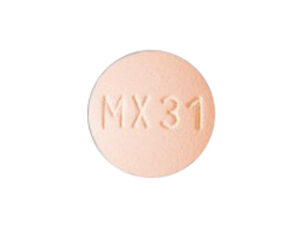
- If your tablets look different (colour, shape, crumbling), return them to the pharmacy for advice.
FAQ about trazodone
1) Is trazodone used for depression?
Yes. Trazodone is primarily used as an antidepressant for depression. It may also help with sleep disturbance that occurs alongside depression.
2) Can trazodone help with insomnia?
It can be calming and may improve sleep, particularly when insomnia is related to mood symptoms. If insomnia is the main issue, your clinician may discuss whether trazodone is appropriate or if other sleep-focused treatments may be better.
3) How soon will I feel better?
Sleep improvement may occur sooner, while depression-related benefits often take several weeks. Side effects may appear early and then reduce as your body adjusts.
4) What should I do if I miss a dose?
If you miss a dose, take it when you remember unless it is close to your next scheduled dose. Avoid doubling up. If you’re unsure, ask your pharmacist for advice based on your exact dosing schedule.
5) Can I stop trazodone suddenly?
It’s generally not recommended to stop suddenly without medical guidance. Stopping abruptly may lead to withdrawal-like symptoms. If you want to stop, talk to your prescriber about a tapering plan.
6) Does trazodone cause dependence?
Trazodone is not typically classified as an addictive sedative like some anti-anxiety or sleeping medications. However, your body may adapt to the medicine, so changes should be made carefully and under guidance.
7) Can I drink alcohol while taking it?
It’s strongly advised to avoid alcohol because it can increase drowsiness and the risk of dizziness, accidents, and other side effects.
8) Are there medicines I must avoid with trazodone?
You should be cautious with medicines that: increase serotonin (risk of serotonin syndrome), cause sedation (additive drowsiness), or affect liver metabolism (changing trazodone levels). Your pharmacist can check your full list for interactions.
9) Will it affect driving?
It can. Until you know how trazodone affects you, avoid driving or operating machinery—especially in the early days or after dose changes.
10) What if I become very dizzy or faint?
Contact a healthcare professional promptly. Severe dizziness may relate to blood pressure changes. If fainting occurs, seek urgent medical attention.
Important: This information is general and may not cover every individual situation. Always read the Consumer Medicine Information (CMI) supplied with your product and ask your pharmacist if you have questions about side effects, interactions, or how to take trazodone safely.