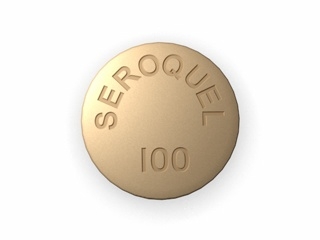

Seroquel (Quetiapine) — Patient Information (Australia)
Seroquel is a brand of quetiapine, a medicine used to treat several mental health conditions. This page explains how Seroquel works, how it is used, what to expect, and important safety information for everyday life in Australia.
Always follow the instructions provided by your healthcare professional and read the consumer medicine information (CMI) supplied with your pack. If you have questions about your specific situation, speak with a pharmacist or doctor.
Key product information
- Medicine: Quetiapine
- Brand: Seroquel
- Common forms: Immediate-release and extended-release formulations (depending on product)
- Therapeutic class: Antipsychotic (atypical)
- Who it’s for: Adults and, for certain formulations/conditions, some adolescents (age guidance depends on indication)
In Australia, quetiapine products are regulated medicines. Availability and supply depend on formulation and prescribing requirements under local laws.
How Seroquel works (mechanism of action)
Quetiapine is an “atypical” antipsychotic. It helps improve symptoms by acting on several brain chemicals (neurotransmitters), including:
- Dopamine pathways: Helps reduce symptoms such as hallucinations, delusions, and agitation.
- Serotonin pathways: Helps improve mood and certain anxiety-related symptoms.
- Other receptors: Quetiapine also affects histamine and alpha-adrenergic receptors, which can contribute to drowsiness and blood pressure changes in some people.
Because of this receptor activity, quetiapine may be used for conditions affecting mood, thoughts, and behaviour—not only for psychosis.
Pharmacokinetics: how your body processes quetiapine
“Pharmacokinetics” describes how the body absorbs, distributes, metabolises, and eliminates a medicine. While exact numbers can vary by formulation and individual factors, the overall pattern for quetiapine includes:
- Absorption: Quetiapine is absorbed after oral dosing. Peak blood levels generally occur within hours.
- Metabolism: It is mainly metabolised by the liver (primarily via CYP enzymes, especially CYP3A4).
- Elimination: Metabolites are excreted mostly through the kidneys and to a lesser extent via bile.
- Half-life: Quetiapine’s effects are influenced by its elimination rate; extended-release forms are designed to smooth blood levels over time.
Your doctor may adjust dose based on liver function, other medicines, age, and how you respond.
Typical use: what Seroquel is commonly prescribed for
Seroquel may be used for several indications, depending on the formulation and local clinical guidance. Commonly it is used to treat:
- Schizophrenia (helping with hallucinations, delusions, disorganised thinking)
- Bipolar disorder
- Manic or mixed episodes
- Maintenance in some cases
- Depressive episodes associated with bipolar disorder (for certain patient groups and product approvals)
- Adjunctive treatment of major depressive disorder in some circumstances (depending on the formulation and guidance)
Important note: The exact approved indications and ages differ by product and formulation. Always check your specific medicine pack instructions and discuss with your clinician.
Timing and how to take Seroquel
How you take Seroquel depends on whether you are using immediate-release or extended-release
General timing guidance
- Consistency matters: Take it at the same times each day.
- Night-time dosing: Many people are advised to take quetiapine in the evening due to its sedating effects.
- Extended-release products: Typically taken once daily and should be taken as instructed for that formulation.
Starting and dose increases
Quetiapine is often started at a low dose and increased gradually (a “titration” schedule). This approach can help reduce side effects such as sleepiness, dizziness, and light-headedness.
Missed dose
- If you miss a dose, take it when you remember unless it is close to your next scheduled dose.
- Do not take a double dose to make up for the missed tablet.
- If you are unsure, ask your pharmacist for advice.
Food interactions: what to know
Food can affect how quetiapine is absorbed, and different formulations have different recommendations. In general:
- Immediate-release quetiapine: Food effects may be formulation-specific. Follow your pack directions.
- Extended-release quetiapine: Food may influence absorption and should be taken as directed by your clinician or product information.
Practical tip: If you consistently take your medicine with the same meal (or without food), this can help maintain steady absorption. Any changes to food timing should be discussed with your pharmacist.
Alcohol and medicine interactions
Alcohol
Alcohol can increase the sedating effects of quetiapine and can impair judgement, coordination, and reaction time. This combination may raise the risk of falls, accidents, and worsening drowsiness.
- Recommendation: Limit or avoid alcohol while taking Seroquel unless your healthcare professional advises otherwise.
- Driving caution: Do not drive or operate machinery if you feel drowsy, dizzy, or “slowed down.”
Common medicine interactions
Quetiapine is metabolised in the liver. Medicines that affect liver enzymes—especially CYP3A4—can change quetiapine levels.
- CYP3A4 inhibitors may increase quetiapine levels, raising risk of side effects. Examples include certain antifungals and some antibiotics.
- CYP3A4 inducers may decrease quetiapine levels and reduce effectiveness. Examples can include some seizure medicines and certain herbal products.
- CNS depressants (for example, some sleeping tablets, opioids, sedating antihistamines) may increase sedation.
- Blood pressure medicines may increase the risk of low blood pressure or dizziness when standing.
- QT prolongation risk medicines: some medicines can affect heart rhythm. Discuss any heart medications with your clinician.
Always tell your pharmacist about all medicines you take, including:
- Over-the-counter products
- Herbal supplements (e.g., St John’s wort)
- Vitamins and “natural” remedies
- Remedies purchased from international sources
If you start or stop a medicine, including short courses (like antibiotics), check whether it may interact with quetiapine.
Dosing: typical approach and what to expect
Dosing is individual and depends on the condition being treated, formulation (immediate-release vs extended-release), age, and tolerability. Below is a general outline of how clinicians commonly start quetiapine. Your prescribed dose may differ.
| Condition / Goal | Typical dosing approach | Important notes |
|---|---|---|
| Schizophrenia | Gradual titration to an effective maintenance dose, usually taken once or divided depending on formulation. | Symptom improvement may take days to weeks; continue as directed even if you feel better. |
| Bipolar disorder (mania/mixed episodes) | Started low and increased over several days, then adjusted based on response. | Monitor sleep, agitation, and mood changes during early treatment. |
| Bipolar depression | Often requires a structured titration schedule; some regimens are taken in the evening. | Benefits may build gradually; report worsening mood promptly. |
| Adjunctive treatment in depression (where applicable) | Added to an antidepressant plan with careful monitoring. | Do not change antidepressants without medical advice. |
Do not stop suddenly
Quetiapine should generally be reduced gradually if it needs to be stopped. Sudden discontinuation may lead to rebound symptoms or withdrawal-like effects (such as insomnia, nausea, dizziness). Discuss any changes with your clinician.
Indications in plain language
- Schizophrenia: Helps reduce positive symptoms (hallucinations, delusions) and can improve disordered thinking and behaviour.
- Bipolar disorder: Helps stabilise mood during manic/mixed states and may help prevent relapse in some maintenance settings.
- Bipolar depression: Targets depressive symptoms in the context of bipolar disorder.
- Major depressive disorder (adjunctive use): In some circumstances, quetiapine may be used alongside antidepressants when recommended by a clinician.
Safety profile: common side effects and serious warnings
Like all medicines, quetiapine can cause side effects. Many are mild and improve as your body adjusts, but some require prompt medical attention.
Common side effects
- Drowsiness/sedation, especially at the start
- Dizziness or light-headedness
- Dry mouth
- Constipation
- Increased appetite or weight gain
- Headache
- Low blood pressure (orthostatic hypotension) in some people
Serious or urgent risks (seek medical help)
- Allergic reaction (swelling of face/lips, rash, difficulty breathing)
- Fainting, severe dizziness, or symptoms of dangerously low blood pressure
- Unusual muscle stiffness, high fever, confusion (rare but serious)
- Signs of blood sugar or cholesterol problems (your clinician may monitor these): excessive thirst, frequent urination, or rapid weight changes
- Symptoms of severe mood worsening including suicidal thoughts—contact support urgently if you or someone else is at risk
- Heart rhythm concerns (palpitations, fainting, severe dizziness)
If you experience severe side effects, call your local emergency number or seek urgent medical care. In Australia, you can also contact Healthdirect on 1800 022 222 for advice when you’re unsure what to do.
Practical use tips (day-to-day living)
1) Manage drowsiness safely
- Take your dose at the time recommended (often evening for sedation).
- Avoid driving until you know how quetiapine affects you.
- Be extra cautious when getting up quickly.
2) Support steady sleep and routine
- Keep a regular sleep schedule.
- If sedation causes daytime sleepiness, speak to your clinician about timing or dose adjustments.
3) Monitor weight, appetite, and metabolic health
- Quetiapine can increase appetite and may contribute to weight gain.
- Your clinician may monitor weight, blood glucose, and lipids periodically.
- Adopt healthy eating patterns and physical activity where possible.
4) Hydration and bowel habits
- Constipation can occur. Drink adequate fluids and include fibre in your diet.
- If constipation becomes persistent, ask your pharmacist about suitable options.
5) Avoid overheating and dehydration
- Quetiapine can affect temperature regulation. Take care during hot weather and when exercising.
6) Don’t skip doses before major events
It’s usually better to take quetiapine as prescribed rather than changing doses “around” events. If you’re experiencing side effects that interfere with daily life, discuss adjustments with your clinician.
Alternative options (what you might discuss with your clinician)
Depending on your diagnosis and individual risk factors, alternative medicines may include other atypical antipsychotics or antidepressant-focused strategies. Your healthcare professional will consider benefits, side-effect profiles, and drug interactions.
Examples of alternatives may include:
- Other atypical antipsychotics (choice depends on symptoms and tolerance)
- For bipolar depression: mood stabilisers and other guideline-supported therapies
- For schizophrenia: long-term antipsychotic options, including some long-acting injections in selected cases
If you’re considering switching from Seroquel, do not stop abruptly. Alternatives may require different tapering schedules.
Market and legal context for Australia
In Australia, quetiapine-containing products are available under regulated medicine frameworks. Supply may be limited to authorised channels and may involve prescription processes depending on the product, indication, and current regulatory status.
Online pharmacies typically require appropriate verification and may request relevant health information to support safe dispensing and delivery. Availability can also vary between immediate-release and extended-release formulations.
Always ensure the medication you receive is sourced through legitimate Australian supply channels and matches the exact strength and formulation directed for you.
Recent guidance and monitoring considerations
Mental health treatments evolve over time as new evidence emerges. While specific guidance can vary, common clinical themes in more recent practice include:
- Metabolic monitoring: Regular checks of weight, blood glucose, and lipids due to metabolic risk.
- Cardiovascular safety: Extra caution in patients with risk factors for heart rhythm problems.
- Falls and sedation risk: Careful assessment in older adults and those with balance issues.
- Side-effect education: Patients are encouraged to report early symptoms such as excessive sleepiness, dizziness, or severe mood changes.
Your doctor or pharmacist can advise what monitoring schedule applies to your age and health history.
Delivery and availability (online purchasing in Australia)
Availability of Seroquel (quetiapine) depends on the specific strength and formulation (for example, immediate-release vs extended-release). Online pharmacy delivery processes commonly include:
- Stock confirmation: Many pharmacies confirm availability before dispatch.
- Packaging: Medicines are typically delivered in protective packaging suitable for transport.
- Delivery times: Delivery can vary by location (metro vs regional) and courier schedules.
- Confidential handling: Online pharmacies often provide discrete packaging for privacy.
If you need urgent medication, contact the pharmacy to ask about delivery options, cut-off times, and substitution policies (if permitted for your product).
FAQ
1) How quickly will Seroquel start working?
Some people notice early changes (such as improved sleep or reduced agitation) within days, but mood and psychotic symptoms typically take longer—often several weeks—for full benefit. Your prescriber may adjust the dose based on your response and side effects.
2) Why does Seroquel make me sleepy?
Quetiapine can affect histamine and other receptors that contribute to sedation. Starting at a lower dose and increasing gradually can reduce this effect. Taking it in the evening (if recommended for your formulation) may also help.
3) Can I take Seroquel with food?
Food interactions depend on the exact quetiapine formulation. Follow the directions on your pack and any advice from your healthcare professional. Keeping consistent timing with meals can help maintain stable absorption.
4) Is it safe to drink alcohol while taking Seroquel?
It’s generally advised to avoid or limit alcohol because it can increase sedation and impair judgement. Ask your pharmacist or doctor for personalised advice, especially if you have other health conditions or take other sedating medicines.
5) What should I do if I miss a dose?
Take it when you remember unless it is close to the next dose. Do not take two doses at once. If you are unsure, ask your pharmacist.
6) What are warning signs that mean I should seek help urgently?
Seek urgent medical attention for severe allergic symptoms, fainting or dangerously low blood pressure symptoms, high fever with muscle stiffness/confusion, or rapidly worsening mental state. If you’re in immediate danger, call emergency services.
7) Can I stop Seroquel suddenly?
It is usually not recommended to stop abruptly. Quetiapine should typically be tapered under medical guidance to reduce the risk of withdrawal-like symptoms and relapse.
8) Will Seroquel affect driving?
It can. Drowsiness and dizziness are common early side effects. Do not drive until you know how it affects you and you feel alert and safe to do so.
9) Are there lifestyle steps that reduce side effects?
Yes. Staying hydrated, taking care when standing up, maintaining a healthy diet, monitoring weight, and keeping regular sleep routines can help. Discuss persistent side effects with your pharmacist or doctor.
10) What should I tell my pharmacist before starting?
Tell them about all medicines and supplements you use, past side effects, liver or heart conditions, diabetes or high cholesterol risk, and any history of falls or fainting. This helps ensure safe dispensing and interaction checks.
Disclaimer: This information is intended to help you understand Seroquel (quetiapine) in general terms. It does not replace advice from your healthcare professional or the consumer medicine information for your specific product.