

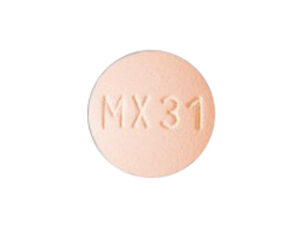

Escitalopram (SSRI) — Patient-Friendly Guide (Australia)
Escitalopram is a medicine commonly used to treat depression and anxiety-related conditions. It belongs to a class of medicines called selective serotonin reuptake inhibitors (SSRIs). If you’re considering escitalopram—or already taking it—this guide explains how it works, how to take it, what to expect, and important safety information.
This information is written for people in Australia and aims to be helpful and easy to understand. Always follow the instructions provided with your medicine and consult a healthcare professional if you have questions.
Basic product information
| Category | Details |
|---|---|
| Generic name | Escitalopram |
| Medicine class | SSRI (Selective Serotonin Reuptake Inhibitor) |
| Common uses | Depression, generalised anxiety disorder (GAD), panic disorder and other anxiety-related conditions (depending on local guidance and clinician assessment) |
| Common strengths | Available in tablet form in multiple strengths (e.g., 5 mg, 10 mg, 20 mg) depending on brand and local supply |
| How it’s taken | Usually once daily by mouth |
| Onset of benefits | Often begins within 1–2 weeks; full benefits may take 4–6+ weeks |
How escitalopram works (mechanism of action)
Escitalopram increases levels of serotonin in the brain. Serotonin is a chemical messenger involved in mood, anxiety regulation, sleep, and appetite.
- Escitalopram selectively inhibits serotonin reuptake in nerve cells.
- This means more serotonin remains available to act on receptors.
- Over time, changes in serotonin signalling contribute to improvements in mood and anxiety symptoms.
Important: SSRIs typically do not work instantly. Many people notice early changes such as reduced anxiety or improved sleep before mood fully improves.
Pharmacokinetics (how the body processes escitalopram)
Understanding pharmacokinetics can help you know what influences effectiveness and side effects.
- Absorption: Escitalopram is absorbed after oral dosing. Peak levels in the blood generally occur within a few hours.
- Distribution: It distributes into body tissues, including the brain.
- Metabolism: The liver breaks down escitalopram, mainly through the CYP2C19 pathway (other pathways also contribute).
- Elimination: The body clears escitalopram gradually; the medication has a relatively long half-life, supporting once-daily dosing.
- Consistency matters: Taking it at the same time each day helps maintain steady levels.
Notable considerations: Some people metabolise escitalopram more slowly (for example, due to genetic factors or interactions with other medicines). This can increase the chance of side effects, so clinicians may recommend dose adjustments.
Typical uses in clinical practice
Escitalopram is used for conditions related to depression and anxiety. The exact indication and dose depend on your symptoms and clinical assessment.
Common indications
- Depression (major depressive disorder)
- Generalised anxiety disorder (GAD)
- Panic disorder (in some cases, based on clinician judgement and local guidance)
- Other anxiety- and mood-related conditions may be considered in specific circumstances
For many people, escitalopram can be part of a broader treatment plan that may include psychological therapies (such as CBT), lifestyle support, and regular follow-up.
When to take escitalopram (timing)
Escitalopram is usually taken , at roughly the same time each day.
- Morning vs evening: Choose the time that fits you best.
- If you feel more energised or alert, morning dosing may suit you.
- If it makes you drowsy, evening dosing may be better.
- Missed dose: If you miss a dose, take it when you remember unless it’s nearly time for the next dose. Don’t take a double dose.
- Do not stop suddenly: Abrupt discontinuation can cause withdrawal-like symptoms. If you’re planning to stop, tapering under medical guidance is important.
Food interactions and what to expect with meals
Escitalopram can usually be taken with or without food. Food does not commonly have a major effect on absorption.
That said, practical tips may help:
- If you experience nausea, taking escitalopram with food may make it easier to tolerate.
- Stay consistent with your routine—do not change timing or meals dramatically unless your clinician recommends it.
Alcohol and medicine interactions
Alcohol
It’s generally recommended to limit or avoid alcohol while taking escitalopram.
- Alcohol can worsen depression and anxiety symptoms.
- It may increase the risk of side effects such as dizziness, drowsiness, and impaired coordination.
- For some people, alcohol can make sleep less restorative, undermining treatment benefits.
Common medicine interactions
Several medicines can interact with escitalopram. Some interactions may require dose changes, monitoring, or avoiding the combination.
- Other serotonergic medicines: combining with medicines that increase serotonin can raise the risk of serotonin syndrome.
- Examples include some migraine medicines (triptans), some pain medicines (e.g., tramadol), and certain antidepressants.
- MAO inhibitors: should generally not be used with escitalopram.
- Linezolid or methylene blue: may raise serotonin-related risks and often require clinician review.
- Medications affecting bleeding: SSRIs can increase bleeding risk, especially when used with:
- Anticoagulants (e.g., warfarin)
- Antiplatelets (e.g., clopidogrel)
- NSAIDs (e.g., ibuprofen, naproxen) in some cases
- Medications affecting heart rhythm: caution is advised if you take medicines known to prolong the QT interval, particularly if you have risk factors.
- CYP2C19 inhibitors: some medicines can increase escitalopram levels, potentially increasing side effects.
- St John’s wort: may increase serotonin effects and is usually discouraged.
Always disclose all medicines you use, including vitamins, herbal products, and occasional “as needed” medications.
Dosing: typical starting and adjustment
Dosage should be individualised by a clinician based on your condition, symptom severity, side-effect tolerance, other medicines, and any health conditions such as liver impairment.
General patterns used in practice include:
- Depression and anxiety disorders: clinicians often start at a lower dose and adjust gradually.
- Titration: dose increases are commonly made after at least 1 week, depending on response and tolerability.
- Maintenance: once symptoms improve, some people continue treatment for a longer period to help prevent relapse.
- Liver impairment: lower dosing may be recommended.
- Older adults: dose selection may be more conservative, with additional monitoring.
Do not adjust your dose without medical guidance. Even if you feel better, suddenly changing dose can lead to symptom return or withdrawal-like effects.
What to expect: effectiveness timeline
It can be helpful to know the typical timeline:
- First few days to 1 week: you may notice side effects such as nausea, sleep changes, or mild activation; sometimes symptoms start to shift.
- 1–2 weeks: some people notice reduced anxiety, improved sleep, or a slight lift in mood.
- 4–6 weeks (or longer): full therapeutic benefit is often assessed around this time.
- Ongoing: clinicians may continue treatment and monitor progress and side effects.
It’s common for early side effects to settle after the first couple of weeks, but not for everyone. If you’re struggling, contact a healthcare professional rather than stopping abruptly.
Safety profile: side effects and warnings
Common side effects
Many side effects are dose-related and often improve as your body adjusts.
- Nausea, stomach upset
- Headache
- Dry mouth
- Sleep changes (insomnia or drowsiness)
- Increased sweating
- Tremor or restlessness
- Sexual side effects (reduced libido, delayed orgasm)
- Fatigue or dizziness
Less common but important risks
- Serotonin syndrome: seek urgent medical attention if you experience symptoms such as agitation, confusion, fever, sweating, rapid heartbeat, severe diarrhoea, muscle stiffness, or jerking.
- Increased bleeding risk: especially if combined with medicines that affect coagulation or if you have a history of bleeding.
- Hyponatraemia (low sodium): more likely in older adults or those taking diuretics; symptoms can include headache, confusion, weakness, and unsteadiness.
- Mania or hypomania: if you have a bipolar disorder history or risk, mood elevation, decreased need for sleep, or impulsive behaviour may occur.
- QT prolongation: may occur in susceptible individuals; clinicians consider risk factors and interacting medicines.
Suicidal thoughts and behavioural changes
Like other antidepressants, SSRIs carry warnings about possible changes in mood or behaviour in certain age groups early in treatment. If you, a family member, or caregiver notices worsening mood, increased agitation, or suicidal thoughts, seek urgent medical help immediately.
If you’re in Australia and need immediate support, you can contact emergency services (000) or relevant crisis services (such as Lifeline).
Pregnancy and breastfeeding
Escitalopram may be used during pregnancy or breastfeeding in some situations, but the benefits and risks should be discussed with your clinician. Do not stop suddenly due to pregnancy without medical guidance.
Practical use tips for best results
- Start low and go slow (as directed): gradual dose changes often reduce side effects.
- Track symptoms: note mood, anxiety, sleep, and any side effects to discuss at follow-up appointments.
- Give it time: many benefits take weeks; early improvements may be subtle.
- Manage nausea: take with food if needed; stay hydrated.
- Sleep strategy: reduce caffeine later in the day and consider evening dosing if drowsiness occurs.
- Do not skip doses repeatedly: missed doses can cause discontinuation symptoms in some people.
- When stopping: tapering helps reduce withdrawal symptoms such as dizziness, “brain zaps,” irritability, or flu-like feelings.
Alternative treatment options
Depending on your symptoms, treatment preferences, and medical history, healthcare professionals may consider:
Other antidepressants (examples)
- Other SSRIs (e.g., sertraline, fluoxetine, paroxetine)
- SNRI options (e.g., venlafaxine, duloxetine)
- Other classes in specific cases (e.g., mirtazapine, depending on symptoms such as sleep and appetite)
Psychological therapies
- CBT (Cognitive Behavioural Therapy)
- Interpersonal therapy
- Mindfulness-based approaches and other structured programmes
Lifestyle and supportive measures
- Regular physical activity
- Sleep routine and good sleep hygiene
- Reducing alcohol and recreational substances
- Stress management and social support
Sometimes the best plan combines medication and therapy. Your clinician can tailor options to your needs.
Market and legal context in Australia
In Australia, escitalopram is regulated under medicines legislation and is made available through approved pharmaceutical supply chains. Access is subject to local requirements for safe prescribing and dispensing. Requirements can include clinical assessment and adherence to product information.
When buying online, ensure the pharmacy is reputable and operates according to Australian regulations. Look for:
- Clear contact details and business identification
- Qualified supply and appropriate documentation
- Secure payment and privacy practices
- Product authenticity assurances
Always check the specific product details (brand, strength, dosage form) listed for the item you’re purchasing.
Recent guidance and treatment considerations (Australia)
Guidance for antidepressant use commonly emphasises:
- Regular follow-up early in treatment
- Starting at an appropriate dose to minimise side effects
- Monitoring for activation, especially in the first weeks
- Assessing comorbid conditions (e.g., anxiety, insomnia, substance use)
- Risk-benefit discussions for groups such as older adults, pregnancy, and people with bipolar risk
- Avoiding unsafe combinations with interacting medicines (including serotonergic drugs)
Local professional standards and medication product information can be updated over time. Your pharmacist or clinician can confirm the latest recommendations relevant to your situation.
Delivery and availability (online pharmacy in Australia)
Escitalopram is typically available as tablets in different strengths, depending on supply. Online pharmacies often offer:
- Secure ordering and discreet packaging
- Home delivery across Australia (availability and delivery timeframes vary by location)
- Tracking updates (where offered)
- Support from pharmacists or customer service for product information
Delivery considerations:
- Allow time for processing and shipping.
- Ensure your address and contact details are correct.
- Order enough to avoid running out—especially important for ongoing mental health treatment.
FAQ: Escitalopram
1) How long does escitalopram take to work?
Many people start to feel some benefit within 1–2 weeks, but full effect often takes 4–6 weeks or longer. Your clinician will review progress and adjust treatment if needed.
2) What are common early side effects?
Common early side effects include nausea, headache, sleep changes, increased sweating, restlessness, and sometimes temporary anxiety activation. These often improve after the initial adjustment period.
3) Can I take escitalopram with food?
Yes. Escitalopram can generally be taken with or without food. If nausea occurs, taking it with food may help.
4) Is it safe to drink alcohol while taking escitalopram?
It’s generally best to avoid or limit alcohol because it can worsen mood and anxiety and may increase side effects like dizziness or impaired coordination.
5) Can I take other medicines together with escitalopram?
Some combinations are safe, while others can be risky. Always tell your pharmacist or doctor about all medicines you take, including over-the-counter products, supplements, and herbal remedies.
6) What should I do if I miss a dose?
Take it when you remember unless it’s close to the next dose. Do not double. If you frequently miss doses, discuss a routine plan with your pharmacist or clinician.
7) Can I stop escitalopram suddenly?
Stopping suddenly may cause discontinuation symptoms. If you want to stop, ask your clinician about a tapering plan.
8) Does escitalopram cause weight gain?
Weight changes can occur with antidepressants, but not everyone experiences them. If you notice significant changes, discuss them with your clinician.
9) How should I manage sexual side effects?
Sexual side effects can occur with SSRIs. Don’t stop abruptly—speak to your clinician. Options may include dose adjustments, timing changes, or alternative treatments depending on your situation.
10) Who should use extra caution with escitalopram?
People with a history of bipolar disorder/mania, those at risk of bleeding, older adults, people with liver impairment, and those taking medications that interact or affect heart rhythm should receive extra monitoring and individualised dosing.
When to seek urgent help
Contact emergency services or seek urgent medical advice if you experience signs of serotonin syndrome, severe allergic reaction (e.g., swelling of face/lips, difficulty breathing), fainting, severe agitation/confusion, or any concerning behavioural changes.
If you’re worried about safety at any time, reach out promptly to a healthcare professional or a local crisis service in Australia.
Reminder: This page provides general information. Your individual dose, monitoring needs, and safety considerations depend on your health history and other medicines. For tailored advice, speak with your pharmacist or clinician.