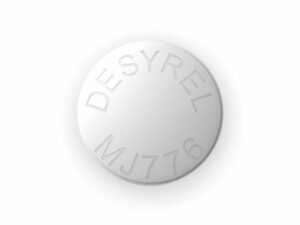
Zyprexa (Olanzapine) – Patient-Friendly Information (Australia)
Zyprexa is a brand of olanzapine, a medicine used to treat certain mental health conditions. This page explains what Zyprexa is used for, how it works, how the body processes it, and important safety information to help you use it more confidently.
Always follow your healthcare professional’s advice. Information below is general and may not replace personalised guidance for your situation.
Basic product information
- Medicine name: Zyprexa (olanzapine)
- Medicine type: Antipsychotic (second-generation/atypical)
- Common forms (may vary by availability): Tablets; some products may also be available as long-acting injections depending on market supply and clinical need
- Therapeutic area: Schizophrenia, bipolar disorder, and related conditions
Brand availability and product strengths can vary. Your pharmacist can confirm the specific strength and form available in Australia.
How Zyprexa works (mechanism of action)
Olanzapine affects several chemical messengers in the brain, especially:
- Dopamine (D2 receptors): helps reduce symptoms such as hallucinations, delusions, and disorganised thinking
- Serotonin (multiple receptor types): contributes to mood stabilisation and improved symptom control
- Other receptor effects (e.g., histamine, alpha-1): can contribute to side effects such as sleepiness and blood pressure changes
Because olanzapine interacts with multiple pathways, it can help with both psychotic symptoms and mood-related symptoms in appropriate conditions.
Pharmacokinetics (how the body handles olanzapine)
“Pharmacokinetics” describes how the body absorbs, distributes, metabolises, and eliminates olanzapine.
- Absorption: Olanzapine is absorbed after oral dosing. Peak levels occur a few hours after taking a tablet (timing varies by dose and individual factors).
- Distribution: It distributes into body tissues, including the brain.
-
Metabolism: Mainly processed by the liver, especially via CYP1A2 (and also other pathways).
- Smoking can increase CYP1A2 activity, which may lower olanzapine levels.
- Some medicines can raise or lower levels by affecting metabolism.
- Elimination: Olanzapine and its metabolites are removed primarily through urine and faeces.
- Half-life: The drug’s effects last beyond the dosing time due to a prolonged elimination half-life, supporting once-daily regimens for many patients.
If you miss doses or change lifestyle (for example, starting or stopping smoking), levels may change—your clinician may adjust your plan.
Typical use and timing
Zyprexa is commonly taken once daily in many treatment plans, but some people may be advised a different schedule based on symptoms, response, tolerability, and product form.
- Start time: Many people take it in the evening if it causes sleepiness.
- Consistency matters: Taking it around the same time each day helps maintain steadier medication levels.
- It may take time: Some symptoms may improve within days, but fuller benefits can take weeks. Your healthcare team may continue monitoring during the early period.
If you feel overly sleepy, have dizziness, or feel “too sedated,” speak to your pharmacist or clinician promptly—dose adjustments may be considered.
Food interactions
For most people, olanzapine can be taken with or without food. However, certain practical considerations still matter:
- General rule: Follow the instructions on the product packaging.
- Absorption: Food may delay absorption, but usually does not prevent it from working.
- Weight and appetite: Olanzapine can increase appetite, so meal choices may influence weight and metabolic health. If you’re concerned about appetite changes, consider discussing strategies with your clinician.
Alcohol interactions
Alcohol can increase the sedative effects of olanzapine and may impair judgment and coordination.
- Avoid or limit alcohol unless your healthcare professional says it is safe for you.
- Alcohol may increase the risk of drowsiness, falls, and accidental injury, particularly when starting or increasing dose.
If you use alcohol, let your clinician and pharmacist know how much and how often so they can advise appropriately.
Medicine interactions (important examples)
Several medicines and substances can interact with olanzapine by changing metabolism, sedation, or effects on blood pressure or blood sugar. Always provide your complete medication list to your pharmacist.
Key interaction themes
- Medicines that affect liver enzymes (especially CYP1A2): may raise or lower olanzapine blood levels.
- Sedating medicines: can add to drowsiness (for example, some sleep medicines, anxiety medicines, strong pain medicines, and certain antihistamines).
- Diabetes and weight-related medicines: may need monitoring if blood sugar changes.
- Blood pressure medicines: may increase risk of dizziness or low blood pressure in some people.
Common points to discuss
- Smoking: starting or stopping smoking may significantly change olanzapine levels. Inform your healthcare team if you smoke (or plan to change).
- Antidepressants and mood medicines: some combinations may affect side-effect risks; monitoring may be required.
- Anticonvulsants (seizure medicines): may change olanzapine levels.
- Antibiotics/antifungals: certain medicines can affect liver enzyme activity.
This is not a complete interaction list. Your pharmacist can check your specific medicines for interactions.
Indications (conditions it is used for)
Olanzapine is used to treat a range of psychiatric conditions, typically including:
- Schizophrenia (including treatment of acute episodes and maintenance in appropriate individuals)
- Bipolar disorder
- Treatment of manic or mixed episodes
- Some plans may also involve maintenance depending on clinical circumstances
- Other related conditions may be considered by clinicians depending on age, symptoms, and local product approvals.
Your clinician will choose the most appropriate treatment based on diagnosis, symptom pattern, past response, and safety considerations (including metabolic risk).
Dosing overview (how dosing is generally approached)
Dosing is individualised. Factors include the condition being treated, age, liver function, other medicines, and how well you tolerate side effects.
General dosing principles
- Start low, go slow: Many treatment plans begin with a lower dose to improve tolerability.
- Adjust based on response: Dose may be increased gradually until symptoms improve.
- Ongoing review: Your healthcare team should regularly review benefit vs side effects.
- Do not stop suddenly: Stopping abruptly can lead to symptom return or withdrawal-like effects. If changes are needed, they are usually planned and supervised.
Missed dose guidance
- If you miss a dose, take it when you remember unless it is close to your next dose.
- Do not double the dose to catch up.
- If you’re unsure, ask your pharmacist or check the patient information leaflet for your specific product.
Product strengths and exact schedules vary. Always refer to your prescription instructions and the package leaflet for your specific Zyprexa formulation.
Safety profile (what to watch for)
Like all medicines, olanzapine can cause side effects. Many are dose-related and may improve as your body adjusts. However, some risks require monitoring, especially with long-term use.
Common side effects
- Drowsiness/sedation
- Increased appetite and weight gain
- Dizziness, especially when standing up quickly
- Constipation
- Dry mouth
- Swelling (occasionally)
- Changes in sleep (may be increased or disrupted)
Metabolic risks (very important)
Olanzapine can increase the risk of metabolic problems. Your clinician may monitor:
- Weight and waist circumference
- Blood glucose (diabetes risk)
- Cholesterol and triglycerides
If you notice excessive thirst, frequent urination, unexplained fatigue, or sudden weight changes, seek advice promptly.
Other risks to discuss
- Blood pressure changes: may increase dizziness or fainting risk in some people.
- Movement-related effects: some antipsychotics can cause tremor, stiffness, or restlessness. Tell your clinician if you notice new movement symptoms.
- Rare but serious reactions: severe allergic reactions and other uncommon complications can occur. Seek urgent care if you develop symptoms like swelling of the face/lips or trouble breathing.
- Neuroleptic malignant syndrome (NMS): rare; symptoms may include high fever, muscle stiffness, confusion, and instability of vital signs.
When to seek urgent medical help
- Severe dizziness or fainting
- Signs of an allergic reaction (swelling, rash with breathing difficulty)
- High fever, severe muscle stiffness, confusion
- Chest pain, severe shortness of breath, or neurological symptoms such as weakness on one side
Practical use tips for better results
- Plan for the first weeks: Some people feel sleepier early on. Avoid driving or dangerous tasks until you know how Zyprexa affects you.
- Manage appetite and weight:
- Consider regular meal times.
- Choose high-fibre foods and include protein.
- Stay active in a way that suits your health and energy level.
- Stay hydrated and address constipation: Constipation can be bothersome. Fibre, water intake, and activity can help. Ask your pharmacist if you need additional advice.
- Keep monitoring appointments: Metabolic monitoring and symptom reviews are key for long-term safety.
- Be consistent with smoking habits: If you smoke, tell your clinician. Changes can influence drug levels.
- Use medication aids: Pill organisers or reminders can reduce missed doses.
Alternative options
The best alternative depends on your diagnosis, symptom pattern, past response, side-effect preferences, and other health conditions. Clinicians may consider other antipsychotics or mood-stabilising strategies.
Examples of alternative treatment approaches
- Other second-generation antipsychotics (various options): may have different side-effect profiles
- First-generation antipsychotics in some cases
- Mood stabilisers for bipolar disorder (depending on the episode type and individual needs)
- Psychosocial supports (such as therapy and structured support) alongside medication
If olanzapine causes unacceptable side effects—particularly weight gain or sedation—speak to your healthcare professional. Switching medicines should be planned carefully.
Market and legal context for Australia
In Australia, antipsychotic medicines are supplied under regulated frameworks designed to support safe use. Olanzapine is a prescription medicine and is generally provided through pharmacies with appropriate counselling and monitoring. Availability of brands, pack sizes, and formulations can vary by supply and supply-chain factors.
Telehealth and online pharmacy services may provide convenient access to medicines, but safety checks (such as confirming details, medication history, and appropriate support) remain important. Always ensure you receive the correct product strength and form.
Important: Product information, approved indications, and safety guidance should be confirmed with the patient information leaflet and your healthcare professional, as approvals and recommendations may update over time.
Recent guidance and monitoring expectations
Australian and international guidance commonly emphasises metabolic monitoring for second-generation antipsychotics due to risks like weight gain, impaired glucose tolerance, and dyslipidaemia.
Typical monitoring discussions with your clinician may include:
- Baseline measurements (before or soon after starting): weight/BMI, blood pressure, blood glucose, and lipids
- Follow-up: repeat checks at intervals based on risk and clinical judgment
- Side-effect review: sleepiness, movement symptoms, constipation, and overall wellbeing
- Adherence and symptom tracking: ensuring the treatment is working and still appropriate
If you’re monitoring for diabetes or cholesterol, ask your pharmacist about what symptoms should prompt earlier review.
Delivery and availability (Australia)
Many Australian customers access medicines via registered pharmacies that may offer delivery. Delivery timeframes vary depending on location, stock availability, and courier schedules.
- Availability: Zyprexa stock can vary by strength and pack size.
- Delivery estimates: Provided at checkout or after confirmation of supply.
- Packaging: Medicines should arrive in proper pharmacy packaging with patient information included.
- Storage: Store at appropriate room temperature as stated on the label; keep away from moisture and heat.
If you need a specific strength or formulation, it’s best to confirm availability with the pharmacy before ordering.
FAQ
1) How long does it take for Zyprexa to start working?
Some people notice symptom changes within days, but meaningful improvements can take several weeks. If you feel there is no improvement or side effects are difficult, speak to your clinician rather than stopping suddenly.
2) Can I take Zyprexa at night?
Yes, many people take olanzapine in the evening if it causes drowsiness. However, follow your individual instructions and discuss timing changes if needed.
3) Will it make me sleepy?
Drowsiness is a common effect. Be cautious with driving, operating machinery, or tasks that require alertness, especially during the first days and after dose changes.
4) Does Zyprexa cause weight gain?
Weight gain and increased appetite are well-recognised risks. Monitoring weight, eating strategies, and activity can help. Your clinician may also schedule regular blood tests.
5) What if I drink alcohol while taking Zyprexa?
Alcohol may increase sedation and impair coordination. It’s best to limit or avoid alcohol unless your healthcare professional says it is safe for you.
6) Can I take it with food?
Usually, olanzapine can be taken with or without food. Keep consistent with your routine and follow the instructions on your product leaflet.
7) How do smoking changes affect Zyprexa?
Smoking can affect liver enzymes (particularly CYP1A2) and may lower olanzapine levels. Starting or stopping smoking can therefore change how you respond—tell your healthcare team about any changes.
8) What should I do if I miss a dose?
Take it when you remember unless it is close to your next dose. Do not double the dose. If unsure, contact your pharmacist for advice.
9) Are there long-term concerns?
Long-term use requires ongoing benefit–risk review, especially for metabolic health. Regular monitoring helps detect issues early.
10) What are some common alternatives if side effects occur?
If side effects like sedation or weight gain are troublesome, clinicians may consider dose adjustments or different medicines with different risk profiles. Do not switch without guidance.
Summary table: Key points at a glance
| Topic | What to know |
|---|---|
| Medicine | Zyprexa (olanzapine) |
| Type | Second-generation (atypical) antipsychotic |
| Common uses | Schizophrenia; bipolar disorder episodes (based on clinical plan) |
| How it works | Affects dopamine and serotonin pathways to reduce symptoms |
| Onset | Some improvement may occur early; full effect often takes weeks |
| Metabolism | Liver metabolism, involving CYP1A2; smoking can influence levels |
| Food | Usually can be taken with or without food |
| Alcohol | May increase sedation; limit or avoid unless advised |
| Major safety focus | Weight gain, blood sugar, cholesterol, and overall metabolic health monitoring |
| Practical tips | Consistent timing, monitor side effects, attend follow-up tests/appointments |
If you have questions about suitability for you, interactions with your current medicines, or what monitoring schedule to expect, speak with your pharmacist or healthcare professional.