

Zovirax (Acyclovir) – Patient Information (Australia)
Zovirax is a well-known antiviral medicine containing acyclovir. It is used to treat and (in some cases) help prevent certain viral infections, including infections caused by the herpes family of viruses. This guide explains how Zovirax works, when and how it is typically used, safety considerations, and practical tips to get the best results.
This information is designed to be patient-friendly and general. Exact dosing and duration can depend on the specific infection, your age, kidney function, and other medicines. Always follow the directions provided with your product.
1. Basic product information
- Medicine name: Zovirax
- Active ingredient: Acyclovir
- What it is: Antiviral (anti-herpes virus) medicine
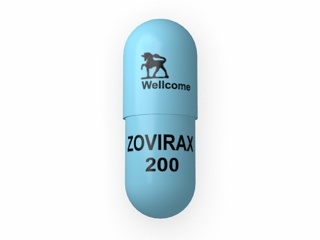
- Common dosage forms (may vary by product): tablets, capsules, cream and ointment, and other formulations depending on availability in Australia
- Typical target viruses: Herpes simplex virus (HSV) and varicella-zoster virus (VZV); certain formulations may also be used for herpes-related conditions
In Australia, brand names and formulations may vary by dispensing arrangements and availability. If you are unsure which form is right for your situation, check the label on your pack.
2. Mechanism of action (how Zovirax works)
Acyclovir works by targeting herpes virus replication. After it enters infected cells, acyclovir is converted into an active form (phosphorylated) primarily by virus-related enzymes.
The active form then interferes with viral DNA synthesis:
- It blocks DNA chain growth in the virus, preventing further viral replication.
- Because the activation step depends partly on viral enzymes, the medicine is more selective for infected cells than for most healthy cells.
Important note: Zovirax helps reduce viral replication and can shorten the course or severity of an outbreak when started early. It does not eliminate herpes viruses permanently; they may remain dormant and reactivate later.
3. Pharmacokinetics (how the body processes it)
Pharmacokinetics describes what the body does with a medicine—how it is absorbed, distributed, metabolised, and eliminated.
Absorption
When taken by mouth, acyclovir is absorbed and reaches therapeutic levels, though absorption may vary between individuals and with formulation.
Distribution
Acyclovir can distribute into body fluids and tissues. It is known to reach sites where herpes viruses replicate.
Metabolism
Acyclovir is not extensively metabolised. It is largely eliminated unchanged.
Elimination
Acyclovir is cleared primarily by the kidneys. This is why kidney function matters when determining dose and frequency.
If you have reduced kidney function (or are older and at higher risk of reduced kidney clearance), your healthcare professional may adjust dosing to reduce the risk of side effects and ensure the medicine stays within a safe range.
4. Typical uses (indications)
Zovirax is used for viral infections caused by herpes viruses. Common indications include:
- Herpes simplex virus (HSV) infections: genital herpes, cold sores (herpes labialis), and certain other HSV-related infections.
- Varicella-zoster virus (VZV) infections: shingles (herpes zoster), and chickenpox in some circumstances depending on patient age and clinical factors.
- Prevention (in some patients): treatment plans may include suppressive therapy to reduce the frequency of recurrent herpes outbreaks in appropriate cases.
The exact indication depends on the virus type, the body area affected, and whether the goal is treatment of an active outbreak or suppression of recurrence.
5. Timing: when to take Zovirax for best effect
Antiviral medicines work best when started early. For many herpes infections, you may see better outcomes if treatment begins as soon as possible after symptoms start.
- Cold sores / HSV outbreaks: start early, ideally at the first signs (tingling, itching, burning, or early redness).
- Genital herpes: early treatment is generally recommended, especially within the first 1–5 days of outbreak onset (timing can vary by clinical plan).
- Shingles: prompt treatment is important; many guidelines emphasise starting within the first 72 hours of rash onset, though your clinician may advise a different window based on severity and risk factors.
If you missed a dose, do not double up unless your product instructions or clinician advise it. Take the next dose at the scheduled time.
6. Food interactions
Food can influence the comfort of taking medicines and may affect absorption for some products. In general, acyclovir tablets/capsules can usually be taken with or without food, depending on the specific formulation.
Practical tips:
- Take with a glass of water to reduce stomach discomfort.
- If you get nausea, consider taking with food (unless your product directions say otherwise).
- Stay well hydrated during treatment.
7. Alcohol and medicine interactions
Alcohol
Moderate alcohol intake is not known to directly “cancel out” acyclovir. However, alcohol can:
- worsen dehydration (and acyclovir is cleared by the kidneys),
- increase the chance of dizziness or stomach upset, and
- impair sleep and recovery during illness.
If you choose to drink alcohol, do so cautiously and consider limiting intake—especially if you have kidney issues, are unwell, or are taking multiple medicines.
Other medicine interactions
Acyclovir has a particular consideration: it is eliminated via the kidneys. Medicines that also affect kidney function or compete for kidney secretion may increase acyclovir levels.
Tell your pharmacist or healthcare professional if you use:
- Other medicines that affect kidney function
- Probenecid (used for gout)
- Other medicines eliminated by the kidneys (your pharmacist can check your specific list)
- Nephrotoxic medicines (where kidney stress is a concern)
Also mention supplements and herbal products, as these can occasionally influence kidney function or overall tolerability.
8. Dosing guidance (general information)
Dosing depends on the condition being treated, severity, age, and kidney function. Below is general information commonly used; always follow the instructions on your product pack and/or the directions provided by your healthcare professional.
Important: Do not change your dose without advice. Kidney impairment may require dose adjustment.
Common dosing patterns (illustrative)
| Condition | Typical goal | General dosing pattern (example only) | Key timing notes |
|---|---|---|---|
| Cold sores (HSV) | Treat an active outbreak | Often multiple times daily for a short period depending on plan | Start early at the first tingling/itching |
| Genital herpes (HSV) | Treat an active outbreak | Often several doses per day for days (varies by severity) | Early initiation improves effectiveness |
| Shingles (VZV) | Treat an outbreak and reduce duration/complications | Typically several daily doses for about 7 days (varies) | Start as soon as possible—commonly within 72 hours of rash |
| Prevention/suppression (selected patients) | Reduce frequency of recurrences | Lower daily dose may be used for longer periods | Continue as directed to maintain suppression |
For cream/ointment formulations: dosing and frequency depend on the product strength and formulation. Follow the directions on your specific package.
Kidney function and hydration
Because acyclovir is cleared by the kidneys, adequate fluid intake can help reduce risk of side effects in susceptible individuals. Your clinician may adjust dosing if you have kidney impairment.
9. Safety profile: what to watch for
Like all medicines, Zovirax (acyclovir) can cause side effects. Many people experience none or only mild effects.
Common or mild side effects
- Nausea
- Headache
- Dizziness
- Diarrhoea or stomach upset
- Fatigue
Less common but important side effects
- Changes in kidney function (more likely with dehydration, higher doses, or kidney disease)
- Allergic reactions
- Neurological symptoms in rare circumstances (more likely in older adults or with kidney impairment)
Seek urgent medical help if
- Signs of a serious allergic reaction occur: swelling of face/lips/throat, severe rash, or difficulty breathing.
- You develop severe dizziness, confusion, unusual agitation, or hallucinations (particularly if you have kidney problems).
- You have markedly reduced urine output, severe back pain, or symptoms suggesting kidney issues.
If you experience side effects, contact a pharmacist or healthcare professional for advice—especially if symptoms are severe, persistent, or unusual for you.
Who should take extra care?
- People with kidney disease or reduced kidney function
- Older adults (kidney function may decline with age)
- People taking medicines that may affect kidneys or hydration
- Anyone with a history of medication allergies
10. Practical use tips (help your treatment work)
General tips
- Start early: begin treatment at the first signs of an outbreak when possible.
- Don’t skip doses: follow the schedule on your pack to maintain antiviral levels.
- Hydrate: drink water regularly during treatment unless you have fluid restrictions.
- Finish the course: even if symptoms improve, complete the prescribed number of days unless advised otherwise.
- Wash hands: to reduce spread, especially with cold sores or genital lesions.
Tips for cold sores
- Avoid touching the area and wash hands after application.
- Consider using separate towels and avoid sharing lip products.
- Protect the area from sunlight where appropriate; sun exposure can trigger recurrences.
Tips for genital herpes
- Avoid sexual contact when lesions are present and discuss prevention strategies with your partner(s).
- Condoms can reduce transmission risk, but they do not eliminate it completely.
- Maintain open communication and seek medical advice for a long-term prevention plan.
Tips for shingles
- Keep the rash covered where possible and avoid contact with people at risk (such as pregnant individuals who are not immune, newborns, and immunocompromised people).
- Use supportive care for pain (your pharmacist can help with suitable options).
- Even if pain persists after rash improves, continue to seek care for prolonged nerve pain.
11. Alternative options (if Zovirax is not suitable)
If Zovirax (acyclovir) is not appropriate or not effective for you, there are other antiviral medicines that may be considered depending on the condition. Your pharmacist or healthcare professional can advise on the most suitable option.
Common alternatives (depending on availability and indication)
- Valaciclovir – an alternative antiviral used for HSV and VZV conditions; often taken less frequently due to different absorption properties.
- Famciclovir – another antiviral option for HSV and VZV-related infections.
- Topical antivirals – for certain lesion types, depending on product access and clinical judgement.
Selection depends on your diagnosis, kidney function, past treatment response, dosing convenience, and side-effect risk. Do not switch medications without guidance.
12. Australia: market and legal context (overview)
In Australia, antiviral medicines are regulated under the national medicines framework. Availability can vary by product type (e.g., tablets vs topical formulations) and by whether a medicine is listed for general supply or subject to prescription-only access depending on the formulation and strength.
Online pharmacy services may be subject to additional verification steps (for example, identity and product suitability checks). A reputable online pharmacy will provide clear product information, usage directions, and advice on safety and interactions.
For up-to-date information about indications, recommended regimens, and clinical guidance, clinicians may reference Australian and international infectious disease guidance, including recommendations for antiviral treatment timing in herpes and shingles.
13. Recent guidance and clinical considerations
Clinical practice continues to emphasise the same key themes for acyclovir and related antivirals:
- Early initiation to maximise benefit.
- Kidney function awareness for dosing and safety.
- Consideration of higher-risk patients (for example, older adults, immunocompromised individuals, and those with severe disease) when planning treatment.
- For shingles, treatment is generally most beneficial when started promptly after rash onset.
If you are in a higher-risk group or the illness is severe, seek timely clinical advice. Antivirals can also affect decision-making around supportive treatment and follow-up.
14. Delivery and availability in Australia
Zovirax availability can vary by formulation and strength. An online pharmacy may stock:
- oral tablets/capsules (where available for sale),
- topical creams/ointments for localised herpes lesions,
- and other related forms depending on current supply.
Delivery timeframes depend on your location and the pharmacy’s dispatch schedule. Reputable services provide:
- clear delivery estimates at checkout,
- tracking updates, and
- secure packaging to protect the product.
If you need urgent treatment (for example, shingles), check dispatch times before ordering. Some symptoms require timely initiation for best outcomes.
15. Storage and handling
- Store according to the label (commonly at room temperature, away from moisture and heat).
- Keep out of sight and reach of children.
- Check expiry dates before use.
- For creams/ointments: keep the container sealed and follow storage directions on the pack.
16. Frequently asked questions (FAQ)
How quickly does Zovirax work?
Many people notice improvement in symptoms within a few days when antivirals are started early. The goal is to reduce viral replication and shorten outbreak duration. Shingles treatment is most effective when started soon after rash appears.
Can I take Zovirax with other medicines?
Often yes, but interactions can occur—especially involving kidney function. Tell your pharmacist about all medicines you take, including over-the-counter products and supplements, so they can check for compatibility.
Is Zovirax safe for children?
Some antiviral regimens are used in paediatric patients for specific infections, but dosing must be age-appropriate and condition-specific. A pharmacist or clinician can advise based on the child’s age, weight, and diagnosis.
What if I miss a dose?
If you miss a dose, take it as soon as you remember, unless it is close to the next dose. In that case, skip the missed dose and return to your schedule. Do not double doses unless advised by your healthcare professional.
Do I need to avoid alcohol?
Alcohol is not typically contraindicated for acyclovir, but it may worsen dehydration or stomach upset. If you drink, do so moderately and ensure you stay hydrated, particularly if you are unwell or have kidney concerns.
Can I stop treatment early if I feel better?
In many cases, you should complete the course to get the full benefit. If you think you should stop early due to side effects or worsening symptoms, contact a pharmacist or healthcare professional first.
Does Zovirax cure herpes?
Zovirax helps control viral outbreaks and reduce symptoms, but herpes viruses can remain dormant. Recurrences can happen, and suppressive therapy may be considered for some patients.
When should I seek medical help?
Seek urgent medical help if you develop signs of an allergic reaction, severe or worsening symptoms, or signs suggesting kidney problems. Also seek prompt care if you have shingles involving the eye area, severe pain, fever, confusion, or if you are immunocompromised.
Is it contagious?
Herpes infections can be contagious, depending on the virus and the presence of lesions. Antiviral therapy may reduce shedding but does not eliminate transmission risk. Follow prevention advice such as avoiding contact when lesions are present and using barrier protection when appropriate.
17. Summary
Zovirax (acyclovir) is an antiviral medicine used to treat and sometimes prevent infections caused by herpes viruses, including cold sores and shingles. It works by interfering with viral DNA replication, and it is cleared largely through the kidneys—making early treatment and kidney-aware dosing important for safe, effective use.
If you are unsure about which formulation is appropriate, how soon to start, or whether your kidney function or other medicines may affect dosing, speak with a pharmacist. Timely antiviral treatment can make a meaningful difference for many patients.