Monoket (Isosorbide mononitrate) — Patient Information for Australia
Monoket is a medicine used to help prevent attacks of angina (chest pain) and, in some situations, to support the treatment of certain heart-related conditions where improved blood flow to the heart muscle is needed. It contains isosorbide mononitrate, a nitrate medicine that relaxes blood vessels.
This information is designed to be patient-friendly and practical. It explains how Monoket works, how it is typically used, key safety considerations, and what you should discuss with your doctor or pharmacist.
Quick Facts
- Active ingredient: Isosorbide mononitrate
- Medicine type: Nitrate vasodilator
- Common use: Prevention of angina episodes
- Typical dosing schedule: Often once or twice daily depending on the formulation
- Key safety warning: Do not combine with medicines containing tadalafil or sildenafil (or other PDE5 inhibitors), or with riociguat, due to risk of dangerous low blood pressure.
Basic Product Information
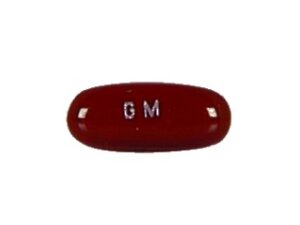
Monoket is available in different strengths and formulations (commonly oral tablets). Your local availability may vary. In Australia, the exact product range depends on brand supply, strength, and whether an immediate-release or prolonged-release (modified release) form is supplied.
What to check on your pack:
- The strength (e.g., mg per tablet)
- Whether it is immediate release or modified/prolonged release
- Your dosing instructions and the time you should take it
How Monoket Works (Mechanism of Action)
Isosorbide mononitrate is a nitrate that helps widen blood vessels.
In simple terms: Monoket increases the availability of nitric oxide in the body, which leads to:
- Relaxation of blood vessel walls (especially veins), reducing the resistance the heart has to pump against
- Improved blood flow to the heart muscle
- Lowering of cardiac workload, which can reduce the frequency and severity of angina attacks
For many people, consistent daily use helps reduce how often angina occurs. It is generally not intended as the fastest “rescue” treatment for sudden chest pain (your doctor may recommend a separate fast-acting nitroglycerin/spray/tablet for attacks, depending on your plan).
Pharmacokinetics (Absorption, Distribution, Metabolism, and Elimination)
Pharmacokinetics describes what the body does to a medicine.
Absorption
- Isosorbide mononitrate is absorbed after oral dosing.
- Onset and duration can vary based on the formulation (immediate vs modified/prolonged release).
Distribution
- The active substance distributes throughout the body and reaches cardiovascular tissues where it exerts its vasodilating effects.
Metabolism
- It is metabolised mainly in the liver.
- One of its metabolites, isosorbide, may also contribute to overall activity.
Elimination
- Metabolites are eliminated largely via the kidneys (urine).
- Half-life and clearance may be affected by kidney or liver function.
Practical takeaway: To maintain benefit for angina prevention, Monoket is often taken at set times each day rather than randomly. If you miss a dose, follow the instructions provided by your prescriber or pharmacist.
Typical Use in Adults
Monoket is most commonly used for:
- Prevention of angina (including stable angina)
- Sometimes, in specialist settings, it may be used for other heart-related conditions where nitrate therapy is appropriate
Important note: Monoket is usually intended for maintenance (ongoing prevention). Your treatment plan may also include other heart medicines such as beta-blockers, calcium channel blockers, statins, antiplatelets, or blood pressure medicines, depending on your condition.
When to Take Monoket (Timing and How to Use)
Follow your dosing schedule exactly as advised on the pack or by your healthcare professional.
Typical timing
- Once daily or twice daily regimens are common depending on the product formulation.
- Many people take it in the morning and, if twice daily, in the afternoon/early evening to minimise late-night low blood pressure and headaches.
Routine tips
- Try to take it at the same times each day.
- If you get symptoms (e.g., dizziness), check whether the dose timing needs adjustment with your pharmacist or doctor.
- Do not double up to make up for a missed dose unless instructed.
Using Monoket as part of an angina action plan
- If you have an angina action plan, keep it visible and follow it.
- Let your clinician know if you are needing rescue treatment more often, because this can indicate that your prevention plan needs review.
Indications (What It’s Used For)
Isosorbide mononitrate is a nitrate vasodilator indicated for clinical use in Australia as determined by the relevant product information and prescriber assessment.
Common indications include:
- Angina pectoris — for prevention of attacks and reduction in frequency
- Some patients may use nitrates as part of broader cardiovascular management as determined by specialist care
If you’re unsure why Monoket was chosen for you, ask your pharmacist. The reason can influence what other medicines you may (or may not) take alongside it.
Dosing Information (General Guidance)
Dosing should be individualised. The most appropriate dose depends on:
- Your angina pattern
- Other medicines you take
- Blood pressure, age, and general health
- Liver and kidney function (if relevant)
Do not change your dose without medical advice.
Typical dosing approach
- Doctors commonly start with a dose aimed at preventing angina while minimising side effects such as headache and low blood pressure.
- The goal is to achieve symptom control with the lowest effective dose.
Important safety considerations in dosing:
- To reduce tolerance (reduced effect over time), nitrate therapy often requires a nitrate-free interval in the dosing schedule. Your clinician will decide what interval is appropriate for your formulation.
- Taking it too late in the day may increase the chance of nocturnal hypotension or morning light-headedness.
Because strength and formulation vary, please refer to your pack or clinician instructions for the exact dose for your product.
Food Interactions (Can You Take It With Meals?)
Isosorbide mononitrate can generally be taken with or without food. However, stomach discomfort may occur in some people.
- If you experience nausea or irritation, consider taking your dose with food.
- A consistent routine (with or without food) may help you manage side effects.
Grapefruit and similar foods: There is no widely known specific grapefruit interaction for isosorbide mononitrate, but always check with your pharmacist if you have other medicines or supplements.
Alcohol Interactions
Alcohol may increase the risk of side effects from Monoket, particularly:
- Dizziness
- Light-headedness due to blood pressure effects
- Fainting in susceptible individuals
If you drink alcohol, consider:
- Limiting intake, especially when starting Monoket or adjusting dose
- Avoiding alcohol if you already feel unwell, dizzy, or have low blood pressure
Medicine Interactions (Very Important)
Several medicines can interact with nitrates. The most critical interaction is with medicines used to treat erectile dysfunction or pulmonary hypertension.
Medicines that should NOT be combined
Do not take Monoket with:
- PDE5 inhibitors used for erectile dysfunction, such as:
- sildenafil
- tadalafil
- and others in the same class
- Riociguat (for pulmonary hypertension)
Why this matters: These combinations can cause a significant drop in blood pressure and may be dangerous.
Medicines that may increase dizziness or low blood pressure
Use caution if you take medicines that also lower blood pressure, such as:
- Some antihypertensives (blood pressure tablets)
- Other vasodilators or nitrates
- Some antidepressants or medicines that affect blood pressure in certain people
Other cardiovascular medicines
Monoket is commonly used alongside other heart treatments under medical guidance. However, your clinician should review your full list of medicines, including:
- Over-the-counter products (cold and flu medicines, pain relief, decongestants)
- Herbal supplements
- Any episodic treatments for chest pain
Always check before starting new medicines
If you are unsure, ask your pharmacist. Keeping a written list of your medicines can make this easier and safer.
Safety Profile and Side Effects
Like all medicines, Monoket can cause side effects. Many are related to blood vessel relaxation and typically improve as your body adjusts.
Common side effects
- Headache (often early in treatment)
- Dizziness or light-headedness
- Low blood pressure (including when standing)
- Flushing
- Fatigue
- Nausea
Less common but important effects
- Palpitations
- Worsening angina in unusual circumstances (seek medical advice)
- Fainting (particularly if dehydrated or combined with other blood pressure-lowering medicines)
When to seek urgent medical help
Get urgent help immediately if you experience:
- Severe dizziness, fainting, or signs of shock
- Chest pain that is severe, new, or not relieved as directed in your action plan
- Symptoms following a combination you know (or suspect) included tadalafil/sildenafil, riociguat, or another interacting medicine
Special considerations
- Tolerance: With continuous nitrate exposure, effect can reduce over time. Clinicians often design dosing with a nitrate-free period to help prevent this.
- Hydration: Dehydration can worsen dizziness and blood pressure drops.
- Driving and operating machinery: If you feel dizzy, avoid driving or hazardous tasks until you know how Monoket affects you.
Practical Use Tips
How to reduce headaches (a common early side effect)
- Stay well hydrated.
- Take doses as prescribed (consistent timing can help).
- If headaches are bothersome, speak to your pharmacist—sometimes dose adjustments are appropriate.
- Only use pain relief medicines that are suitable for you and check possible interactions with your pharmacist.
Managing dizziness or low blood pressure
- Stand up slowly from sitting or lying positions.
- If dizziness occurs, sit or lie down and inform your healthcare provider.
- Avoid alcohol when you’re adjusting to treatment.
Missed dose guidance
- If you miss a dose, take it when you remember unless it’s close to the next dose.
- Do not take a double dose to compensate.
- Ask your pharmacist if you’re unsure—especially if you’re on a twice-daily schedule.
Do not stop suddenly without advice
Stopping preventer medicines can lead to a return of angina symptoms. If you think you should stop, discuss it first with a healthcare professional.
Alternative Options (If Monoket Is Not Suitable)
Alternative treatments depend on why you’re taking Monoket and your overall cardiovascular plan. Options that may be considered include:
- Other long-acting nitrates (different active ingredients or formulations)
- Calcium channel blockers (for some forms of angina)
- Beta-blockers (commonly used in angina and heart disease)
- Other anti-anginal medicines (selected based on your medical history)
- Non-medicine strategies: risk-factor management, exercise rehabilitation (where appropriate), and lifestyle measures
Note: Alternatives may still interact with the same key interacting medicines (especially PDE5 inhibitors and riociguat). Your pharmacist can help check compatibility with your full medicine list.
Monoket and Special Populations
- Older adults: may be more sensitive to dizziness and low blood pressure; clinicians may start at a lower dose.
- Liver disease: may affect metabolism; dose adjustment and monitoring may be needed.
- Kidney disease: may affect tolerance and side effects; discuss individual risk and monitoring.
- Pregnancy and breastfeeding: use should be guided by your doctor; safety decisions depend on your situation.
- Children: use is typically not routine unless specifically advised by a specialist.
Market and Legal Context for Australia
In Australia, prescription medicines and their supply are regulated to support safe and appropriate use. Where Monoket is supplied, pharmacists must follow relevant Australian rules and product instructions. Supply may require authorisation depending on product classification and local policy.
What this means for you:
- Only purchase from reputable Australian pharmacies.
- Check that the pack matches your ordered product and strength.
- Keep your pharmacist informed about your full medication list for safe dispensing and advice.
Regulatory information, brand availability, and current product listings can change over time. If you have questions about the latest Australian product information, ask your pharmacist or check official resources.
Recent Guidance and Ongoing Safety Messages
Nitrate safety guidance commonly emphasises:
- Avoiding dangerous interactions, especially with PDE5 inhibitors (sildenafil/tadalafil) and riociguat
- Monitoring for low blood pressure and associated symptoms
- Ensuring appropriate dosing schedules to reduce tolerance and maintain symptom control
Because recommendations can be updated as more evidence becomes available, it is wise to confirm your personal plan during any medication review (for example, at follow-up appointments or when you start a new medicine).
Delivery, Availability, and Ordering (Australia)
Availability of Monoket can vary by strength and formulation. When ordering online through an Australian pharmacy, you can typically expect:
- Product verification before dispatch (strength, form, and expiry date where applicable)
- Secure packaging for medicines
- Delivery options depending on your location and shipping cut-off times
Delivery considerations:
- Keep medicines in a cool, dry place away from moisture and heat unless the pack states otherwise.
- Check deliveries on arrival and store promptly.
- If your order is incorrect or damaged, contact the pharmacy promptly.
Frequently Asked Questions (FAQ)
1) What is Monoket used for?
Monoket (isosorbide mononitrate) is used to help prevent angina episodes by improving blood flow and reducing the heart’s workload. It is generally used as a long-term prevention medicine rather than a rapid “rescue” for sudden chest pain.
2) How long does Monoket take to work?
Onset depends on the formulation. With consistent daily use, angina prevention benefits build as your regimen becomes established. If you’re concerned about timing for your specific product, ask your pharmacist to confirm the expected onset for your exact brand/strength.
3) Can I take Monoket with food?
Yes, it can generally be taken with or without food. If you experience stomach discomfort, taking it with food may help.
4) Can I drink alcohol while taking Monoket?
Alcohol may increase dizziness and low blood pressure risk. It’s best to limit alcohol, especially when starting or adjusting doses, and avoid alcohol if you already feel light-headed.
5) What should I do if I miss a dose?
Take it when you remember unless it’s near your next scheduled dose. Do not take a double dose. If you’re unsure, ask your pharmacist for advice based on your dosing schedule.
6) Why do I get headaches with nitrates?
Headache is a common nitrate-related effect from blood vessel changes. It often improves after your body adjusts. If headaches are severe or persistent, talk to your pharmacist or doctor—dose adjustment or supportive strategies may be needed.
7) Is it safe to combine Monoket with sildenafil or tadalafil?
No. Monoket must not be combined with PDE5 inhibitors such as sildenafil or tadalafil. This combination can cause dangerous low blood pressure. If you have taken one of these medicines, contact a healthcare professional promptly for advice.
8) Can I take Monoket with other heart medicines?
Often yes, but not without review. Many people take nitrates alongside other cardiovascular medicines safely under medical guidance. Tell your pharmacist about your complete medicine list to ensure compatibility.
9) Are there special warnings for low blood pressure?
Yes. If you feel dizzy, faint, or unusually weak—especially when standing—contact your clinician. Dehydration, heat, and other blood pressure-lowering medicines can increase risk.
10) What are safer “next steps” if my angina is not controlled?
If you notice chest pain more often, or your angina is not responding as expected in your plan, seek medical advice promptly. Your prevention regimen may need adjustment.
At-a-Glance Summary
| Topic | What to know |
|---|---|
| Medicine | Monoket (Isosorbide mononitrate), a nitrate vasodilator |
| Main role | Prevention of angina by improving blood flow and reducing cardiac workload |
| How to take | Follow your schedule (often once/twice daily depending on formulation); keep timing consistent |
| Food | Generally can be taken with or without food |
| Alcohol | May increase dizziness and low blood pressure risk |
| Major interactions | Do not combine with PDE5 inhibitors (e.g., sildenafil/tadalafil) or with riociguat |
| Common side effects | Headache, dizziness, flushing, low blood pressure |
| When to seek help | Severe dizziness/fainting, or chest pain not following your plan; urgent assessment if interacting medicines were taken |
Disclaimer: This page provides general information about Monoket and is not a substitute for personalised medical advice. Always follow the instructions on your medicine pack and consult your pharmacist or doctor if you have questions or concerns, especially about interactions and dosing.