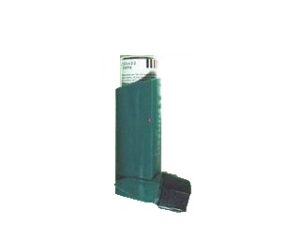
Ventolin Inhaler (Salbutamol) — Patient Information
Ventolin Inhaler contains salbutamol, a short-acting “reliever” medicine used to treat sudden breathing difficulties (such as wheeze, shortness of breath, or chest tightness). It works quickly to open the airways and make breathing easier.
This page explains how Ventolin works, how it’s typically used, safety information, interactions, and practical tips—written for people in Australia.
Quick Facts
- Brand: Ventolin (inhaler)
- Active ingredient: Salbutamol
- Type: Short-acting beta2-agonist (SABA)
- Best for: Fast relief of asthma and other bronchospasm symptoms
- Works in: Usually within minutes
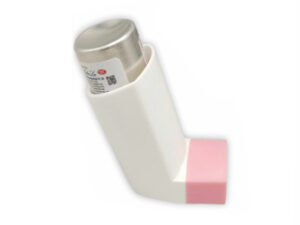
- Common form: Pressurised metered-dose inhaler (pMDI)
Basic Product Information
What is Ventolin inhaler?
Ventolin is an inhaled medicine designed to deliver salbutamol directly into the airways. Because it is inhaled, it acts mainly where it’s needed: in the lungs and bronchial tubes.
How it is used:
Ventolin is intended for relief of symptoms (the “quick relief” component). Many people with asthma also use a separate preventer medicine to reduce inflammation and lower the chance of symptoms returning.
Who typically uses it?
Ventolin is commonly used by people with:
- Asthma (including episodic symptoms)
- Reversible bronchospasm due to airway conditions
- Exercise-induced symptoms (as advised by a clinician)
How Ventolin Works (Mechanism of Action)
Salbutamol belongs to the group of medicines called beta2-adrenoceptor agonists. When inhaled, it stimulates beta2 receptors on the smooth muscle lining the airways.
This causes:
- Relaxation of airway smooth muscle
- Bronchodilation (opening of the airways)
- Reduced bronchospasm (tightening and narrowing)
Important: Ventolin relieves symptoms. It does not treat the underlying inflammation in most asthma cases. That is why many people also need an inhaled corticosteroid (a preventer).
Pharmacokinetics (What the Body Does to the Medicine)
Absorption:
After inhalation, salbutamol reaches the airways. Some of the dose may deposit in the lungs, while some can be swallowed and absorbed from the gastrointestinal tract.
Onset and duration:
- Onset: typically within minutes
- Duration: symptom relief often lasts several hours, but exact duration varies by person and condition
Metabolism:
Salbutamol is metabolised mainly in the liver to inactive or less active metabolites.
Elimination:
Metabolites and a small amount of unchanged drug are primarily eliminated through the kidneys (urine).
Typical Use in Asthma and Other Airways Conditions
Ventolin is commonly used to:
- Relieve sudden asthma symptoms (wheeze, shortness of breath, chest tightness, coughing related to bronchospasm)
- Manage bronchospasm during respiratory flare-ups, as advised
- Help prevent symptoms triggered by exercise, when recommended
- Provide temporary relief while other treatments (such as preventers) work
Seek urgent medical help if symptoms are not improving after reliever use, or if breathing is rapidly worsening.
When to Take Ventolin (Timing and Dose Schedule)
Reliever use:
Ventolin is usually taken as needed for sudden symptoms. Many people follow an action plan provided by their healthcare professional.
Exercise-related symptoms:
For exercise-induced bronchoconstriction, Ventolin may be taken before activity if recommended in an individual asthma action plan. Timing commonly involves taking it shortly before exercise, but follow your own guidance.
Frequent reliever use warning:
Regular reliance on a reliever can be a sign that asthma is not well controlled. If you’re needing Ventolin more often than usual, you should arrange review of your asthma management plan.
Indications (What Ventolin Is Used For)
Ventolin (salbutamol) is indicated for the relief of bronchospasm and symptoms associated with conditions such as:
- Asthma—especially reversible bronchospasm
- Chronic bronchitis and other chronic obstructive pulmonary disease (COPD) with reversible airway narrowing (where applicable)
Exact indications and eligibility depend on individual assessment and local product information.
Dosing (General Information for Adults and Children)
Follow the directions provided with your product and your healthcare professional’s advice. Dose can vary based on age, diagnosis, severity, and inhaler technique.
General approach:
- Ventolin is typically used as 1–2 puffs at a time for relief of symptoms, with repeat dosing if needed, depending on an individual plan.
- Do not exceed the maximum recommended dose on the product information or as advised.
For children:
Dose may differ by age. Children should use a spacer if recommended, and inhaler technique should be supervised.
How often to use:
If symptoms return quickly or Ventolin is being used very frequently, it may indicate poor control. In that case, prompt review is important to adjust preventer therapy.
Note: Because product strengths and device instructions can differ, always check the specific pack instructions and consult a pharmacist if you are unsure.
Practical Use Tips (How to Get the Best Result)
Correct inhaler technique is crucial for effective relief. Consider these practical tips:
- Check the device: Ensure the mouthpiece is clean and dry.
- Shake the inhaler: Many Ventolin pMDIs require shaking before use.
- Breathe out fully: Before placing the mouthpiece.
- Seal lips around mouthpiece: Avoid gaps.
- Start a slow deep breath in: Press the canister once at the start of inhalation.
- Continue inhaling: Breathe in slowly and deeply.
- Hold breath: Hold for about 10 seconds or as long as comfortable.
- Wait between puffs: If more than one puff is prescribed, wait about 30–60 seconds (or follow your instructions) before the next puff.
- Use a spacer if advised: Spacers can improve delivery, especially for children, older people, or those who struggle with timing.
After using:
If you use a spacer, you may be able to see mist in the spacer but still need to follow technique steps. Always rinse your mouth after using an inhaled preventer (not usually necessary for Ventolin alone, but good practice if used alongside other inhalers).
Common technique problems:
- Not starting the breath at the right time
- Stopping inhalation too soon
- Not holding breath long enough
- Not using a spacer when recommended
Safety Profile (Side Effects and Warnings)
Like all medicines, Ventolin can cause side effects. Many are mild and improve as your body adjusts, but some require urgent attention.
Common side effects
- Shaking/tremor (often hands)
- Headache
- Feeling nervous or “jittery”
- Fast heartbeat (palpitations)
- Muscle cramps (occasionally)
Less common but important effects
- Low potassium (hypokalaemia) can occur, especially with frequent high doses
- Changes in heart rhythm may occur in susceptible people
- Worsening breathing or paradoxical bronchospasm (rare)
Seek urgent help if
- Your breathing is not improving or is worsening despite use
- You have severe chest tightness, fainting, or severe palpitations
- You experience signs of an allergic reaction (e.g., swelling of face/lips, hives, difficulty breathing)
Overuse concerns
Using a reliever too often may be a sign of uncontrolled asthma. If you frequently need Ventolin, you may need to review preventer therapy and inhaler technique with a healthcare professional.
Food Interactions
Food interactions: Ventolin is inhaled and mainly acts in the airways. Food is not generally expected to significantly affect its effectiveness.
However, if some of the dose is swallowed, it may be partially absorbed through the digestive tract. In most cases this does not require changes to eating habits.
Best practice: Use Ventolin as directed, regardless of meals.
Alcohol and Medicine Interactions
Alcohol
There are no specific, well-established direct interactions between salbutamol and typical social alcohol intake for most people. However, alcohol may worsen dehydration and can aggravate some breathing conditions or sleep quality.
If you notice your symptoms become worse after drinking alcohol, avoid or limit alcohol and discuss concerns with a pharmacist or doctor.
Interactions with other medicines
Some medicines can affect how Ventolin works or increase the chance of side effects:
- Other asthma inhalers (e.g., relievers and preventers): using them together requires correct technique and timing.
- Beta-blockers (including some eye drops like timolol): may reduce Ventolin’s effect or trigger bronchospasm in susceptible individuals.
- Diuretics (water tablets) and some other medicines that lower potassium: may increase risk of low potassium.
- Antidepressants or monoamine oxidase inhibitors (MAOIs), and certain stimulant medications: may increase cardiovascular side effects.
- Xanthines (e.g., theophylline) and other sympathomimetic medicines: may increase tremor or heart-related side effects.
- Corticosteroids (especially at higher doses): can influence potassium levels when combined with frequent reliever dosing.
Always inform a pharmacist if you take other medications, including non-prescription products, herbal supplements, or eye drops.
Alternative Options (Other Relievers and Related Treatments)
If Ventolin is not suitable or if symptoms are not well controlled, there are alternative approaches. Options may include:
- Other SABA inhalers containing similar reliever medicines
- Different inhaler devices (e.g., breath-activated inhalers or dry powder inhalers where appropriate)
- Combination inhalers for specific plans (reliever plus preventer strategies may be recommended for some asthma patients)
- Longer-acting bronchodilators as part of broader COPD/asthma management (used under medical guidance)
Key point: The “best alternative” depends on your diagnosis (asthma vs COPD), severity, current control, and inhaler technique. A pharmacist can help compare options you may already be prescribed.
Ventolin Inhaler and Asthma Control (Why Preventers Matter)
Many people use a reliever inhaler like Ventolin for symptoms, but asthma control often depends on a preventer medicine that reduces airway inflammation over time (commonly an inhaled corticosteroid).
Consider seeking a review if:
- You need Ventolin frequently (e.g., several times per week)
- Night waking due to asthma symptoms occurs
- You limit activities because of breathing issues
- You rely on Ventolin during respiratory infections
Delivery and Availability in Australia
Ventolin inhalers are widely available in Australia through pharmacies and many online pharmacy services. Availability can vary by brand, device type, and pack size.
What to check before ordering:
- The exact inhaler type (e.g., pressurised metered-dose inhaler)
- The strength and intended dosing instructions
- Stock status and delivery timeframes in your area
Delivery: Delivery times depend on your location and the pharmacy’s courier service. Most online orders in Australia aim to dispatch promptly during business hours.
For the most accurate delivery estimate, refer to the checkout screen of the online pharmacy website you’re using.
Market and Legal Context for Australia (Overview)
In Australia, medicines are supplied under a regulated system and may be classified as:
- Prescription-only medicines
- Pharmacist-only or restricted medicines
- General sales medicines
Ventolin and similar salbutamol inhalers are commonly supplied through pharmacy channels. Requirements can vary depending on the product form, strength, and local policy at the time of supply. Your online pharmacy will follow the appropriate Australian regulations and supply procedures.
Professional advice: Pharmacists can assist with inhaler technique, asthma plans, and safety questions.
Recent Guidance and Practical Updates (What to Know)
Asthma care guidance in Australia regularly emphasises:
- Correct inhaler technique and spacer use when appropriate
- Using preventers as directed to reduce reliever reliance
- Action plans for worsening symptoms
- Early review when symptoms increase or reliever use becomes frequent
Always check the latest advice from trusted asthma and health authorities in Australia, and consult a healthcare professional if you’re uncertain about your personal plan.
FAQ — Ventolin Inhaler (Salbutamol)
1) How quickly does Ventolin work?
Ventolin typically starts to work within minutes. The full effect may be felt shortly after inhalation, and symptom relief often lasts for several hours, depending on your condition and dose.
2) Can I use Ventolin every day?
Ventolin is intended as a reliever, usually used as needed. Daily use may be appropriate for some people only under an asthma action plan and with review. If you’re using it very frequently, you should seek medical or pharmacy review to improve overall control.
3) Why isn’t Ventolin helping?
Possible reasons include poor inhaler technique, incorrect timing, insufficient dosing, airway inflammation that requires a preventer, or a different cause of breathlessness. If your symptoms are not improving, seek urgent medical help—especially if breathing is getting worse.
4) Should I use a spacer?
A spacer is often recommended, particularly for children or anyone having difficulty coordinating a breath with pressing the canister. Spacers can improve delivery to the lungs and reduce throat deposition.
5) What should I do if I accidentally miss a dose?
For reliever inhalers, this usually isn’t relevant because they are used as needed. Use it only when symptoms occur or as directed in your personal plan.
6) Are there side effects from too much Ventolin?
Too much can increase side effects such as tremor, fast heartbeat, and low potassium. Overuse may also mask worsening asthma. If you’ve taken more than recommended, seek advice immediately from a pharmacist or healthcare professional.
7) Can I drive after using Ventolin?
Most people can drive after using Ventolin. However, side effects like tremor or palpitations can occur in some people. If you feel unwell, avoid driving until you feel steady.
8) Does Ventolin interact with antibiotics or cold medicines?
Some cold and flu medicines can affect heart rate or breathing. Interactions are not typical in every case, but it’s best to check with a pharmacist—especially if you’re taking multiple medications.
9) Is Ventolin safe for children?
Ventolin can be used in children as appropriate, but dosing and technique are important. Use a spacer if recommended and ensure correct inhaler technique. If symptoms are severe or not improving, seek urgent help.
10) Can I use Ventolin if I have heart problems?
People with certain heart conditions should use reliever medicines carefully. Discuss your medical history with a pharmacist or clinician so they can advise the safest approach.
Summary
Ventolin Inhaler (salbutamol) is a fast-acting reliever used to treat sudden symptoms of asthma and reversible bronchospasm. It works by opening the airways through beta2-receptor stimulation. Ventolin often provides relief within minutes, but it doesn’t usually treat the underlying inflammation responsible for long-term asthma control.
For best results, use correct inhaler technique (often with a spacer), follow your action plan, and seek review if you need Ventolin more often than usual.
| Category | Information |
|---|---|
| Active ingredient | Salbutamol |
| Medicine type | Short-acting beta2-agonist (SABA) |
| What it does | Relaxes airway muscle to open airways and relieve bronchospasm |
| Typical use | As-needed relief of wheeze, shortness of breath, chest tightness |
| Onset / duration | Often within minutes; typically lasts several hours (varies) |
| Key safety points | Tremor, headache, palpitations; urgent help if breathing worsens or allergic reaction |
| Food interactions | Generally not expected to significantly affect inhaled salbutamol |
| Drug interactions (examples) | Beta-blockers; medicines affecting potassium; other sympathomimetics |
If you have questions about your inhaler technique, timing, or side effects, consider speaking with a pharmacist in Australia for tailored guidance.