Proventil (Salbutamol) — Patient Guide (Australia)
Proventil contains salbutamol, a medicine used to relieve breathing problems caused by asthma and other conditions where the airways tighten. It works quickly to open the airways, making it easier to breathe.
This page is designed to help you understand how Proventil works, how to use it safely, and what to expect. Always follow the instructions provided with your product and any healthcare advice you have been given.
Basic product information
- Medicine name: Proventil
- Active ingredient: Salbutamol
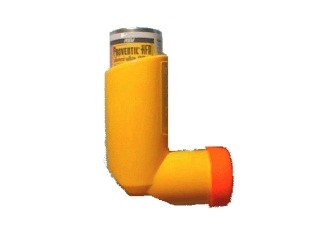
- Common form: Inhaler (pressurised metered-dose inhaler) or similar inhaled delivery options depending on the product you have
- Group: Short-acting beta2-agonist (SABA)
- How it works: Relaxes airway smooth muscle to improve airflow
The exact dose and device type may vary by product strength and presentation. Check your pack for the specific details.
How Proventil works (mechanism of action)
Salbutamol is a beta2-adrenoceptor agonist. When inhaled, it acts mainly on receptors in the smooth muscle lining the airways. This causes the muscles around the bronchi to relax, leading to:
- Bronchodilation: Airways widen so air can move more easily
- Reduced airflow resistance: Symptoms like wheeze and shortness of breath can improve
- Temporary relief: It treats the symptoms of airway narrowing, not the underlying inflammation that often drives asthma
Because it is a SABA, it is generally used for fast relief during episodes of asthma symptoms or bronchospasm.
Pharmacokinetics (how the body handles it)
Pharmacokinetics can vary somewhat by inhaler technique and individual factors. In general, after inhalation:
- Absorption: The medicine reaches the lungs, with a portion deposited in the airways and a portion swallowed if the dose is not well inhaled.
- Distribution: Salbutamol can enter the bloodstream and distribute to body tissues.
- Metabolism: It is mainly metabolised in the liver.
- Elimination: The drug and its metabolites are excreted primarily by the kidneys (urine).
Inhaled salbutamol is designed to act quickly. The time to symptom relief is typically within minutes, with effects lasting several hours.
What Proventil is used for (indications)
Proventil is commonly used in Australia to relieve symptoms associated with:
- Asthma: Relief of acute bronchospasm, wheeze, coughing, and shortness of breath
- Reversible airway obstruction: Where airway tightening responds to bronchodilators
- Exercise-induced bronchoconstriction: Prevention of symptoms before physical activity (where advised)
- Other conditions with bronchospasm: As directed by your healthcare professional and per local product guidance
It is important to note that Proventil provides symptomatic relief. Many people with asthma also need a controller medicine (often an inhaled corticosteroid) to reduce inflammation and prevent flare-ups.
Timing and when it should work
With correct inhaler technique, you may notice improvement in breathing within:
- Minutes: Often the effect begins quickly after inhalation
- Short to moderate duration: Relief may last for several hours (varies by person and severity)
When to seek urgent medical help: If your breathing worsens quickly, if you need repeated doses very frequently, or if you don’t get adequate relief, seek medical advice promptly—severe asthma attacks require urgent assessment.
Dosing (general guidance)
Dosing must be individualised. The information below is general. Always use the specific directions provided with your Proventil product and your clinician’s plan.
Typical dosing approach
- Acute symptoms (rescue use): Usually inhaled as required for relief of wheeze/shortness of breath
- Prevention of exercise-induced symptoms: Often taken shortly before activity (commonly 10–30 minutes beforehand, depending on advice and individual response)
Common practical dosing principles
- Use the lowest effective dose that controls symptoms.
- Follow your action plan if you have one.
- If symptoms keep returning or you need Proventil repeatedly, this may indicate inadequate asthma control.
If you tell me the exact Proventil product strength (e.g., the number of micrograms per puff and your device type) and the age group (adult/child), I can help you interpret the label instructions more clearly.
Food interactions
Because Proventil is delivered by inhalation and acts mainly in the lungs, it has limited direct interactions with food. In most cases, you can take your dose without regard to meals.
However, correct inhaler technique matters. Some people swallow a small amount of medication due to deposition in the throat. Taking the inhaler consistently and using a spacer (if appropriate) can reduce throat deposition and help improve effectiveness.
Alcohol and medicine interactions
Alcohol
Moderate alcohol intake is not typically listed as a direct interaction with salbutamol. That said, alcohol can potentially worsen asthma symptoms in some people (e.g., by irritating airways or affecting breathing patterns). If you notice increased wheeze after alcohol, consider avoiding it and discuss options with your healthcare provider.
Potential medicine interactions
Salbutamol can interact with other medicines, including those affecting heart rhythm, blood potassium levels, and beta-adrenergic activity. Important examples include:
- Other beta-agonists (e.g., related inhalers or tablets): may increase the risk of side effects
- Non-selective beta-blockers (some heart/blood pressure medicines): may reduce bronchodilation or worsen breathing
- Diuretics (water tablets): combined use may increase the risk of low potassium
- Corticosteroids (systemic): combined use may increase effects on potassium balance
- Xanthines (e.g., theophylline): may increase the chance of side effects such as tremor or palpitations
If you take any regular medicines—especially for heart conditions, high blood pressure, depression, or diuretics—review your full medication list with a pharmacist or clinician.
Safety profile and possible side effects
Most people tolerate Proventil well when used as directed. Common side effects are often related to beta-agonist effects in the body.
Common side effects
- Tremor (shaking, often in hands)
- Headache
- Fast or pounding heartbeat (palpitations)
- Feeling restless or jittery
- Muscle cramps (sometimes)
Less common but important side effects
- Low potassium (hypokalaemia): more likely with high or frequent doses
- Heart rhythm changes: rare but may occur, particularly with overdose or in sensitive individuals
- Worsening breathing paradoxically: very uncommon, but if inhalation appears to worsen symptoms, seek advice
When to seek urgent help
Get urgent medical attention if you experience:
- Severe shortness of breath that does not improve
- Chest pain, fainting, severe dizziness, or very irregular heartbeat
- Lips or face swelling, rash, or signs of allergy
Practical use tips (to get the best effect)
Correct inhaler technique is one of the biggest factors in whether Proventil works effectively. Consider the tips below.
Key technique tips
- Shake the inhaler if your device instructions require it.
- Breathe out fully before inhaling the dose (away from the device).
- Seal your lips around the mouthpiece to reduce leakage.
- Press once and breathe in slowly and deeply at the same time (for metered-dose inhalers).
- Hold your breath for about 10 seconds or as long as comfortable, then breathe out slowly.
- If you are using a spacer, follow your spacer instructions.
Why spacers can help
A spacer can improve delivery of medication to the lungs and reduce medicine that deposits in the mouth/throat. This can be especially helpful for children, older adults, and people who struggle with timing.
When to check your inhaler
- If symptoms are not improving with expected rescue use, reassess technique.
- Check dose counters (if present) and ensure the inhaler is not empty.
- Clean the mouthpiece as per product instructions.
Safety considerations for specific situations
Pregnancy and breastfeeding
Salbutamol is commonly used for asthma during pregnancy and breastfeeding when needed. Untreated asthma can be harmful to both parent and baby, so maintaining good symptom control is important. Discuss with your healthcare professional to determine the safest plan for your situation.
Children
Use in children should follow product-specific instructions and an asthma management plan if available. Technique and spacer use are often critical for effectiveness.
Driving and machinery
Proventil can sometimes cause tremor or palpitations. Most people can still drive and operate machinery, but if you feel unwell after using your inhaler, avoid activities that require full alertness.
Alternative options (what else may help)
Whether alternatives are appropriate depends on your diagnosis and symptom pattern. Common alternatives include:
- Other short-acting relievers (different brands of salbutamol or other SABA options)
- Long-acting controllers for asthma, such as inhaled corticosteroids (often essential for long-term prevention)
- Combined inhalers that include controller medicine (e.g., inhaled corticosteroid with a long-acting bronchodilator) where appropriate
- Nebulised bronchodilators in some settings, particularly if inhaler use is difficult
If you find you need Proventil often, it may be a sign you need a controller adjustment rather than relying only on quick-relief inhalations.
Market and legal context in Australia (what you should know)
In Australia, asthma medicines are regulated by the Therapeutic Goods Administration (TGA). Salbutamol inhalers are available through pharmacies and other approved channels, and product availability may vary by strength and device type.
Online pharmacies typically provide medications in accordance with Australian regulations and must follow requirements for product information, supply conditions, and responsible dispensing processes.
If you are unsure about what is right for you, ask a pharmacist—especially if you have other medical conditions, are on multiple medicines, or have had previous adverse reactions.
Recent guidance and typical asthma management approach
Asthma guidance in Australia commonly emphasises:
- Regular control assessment to reduce flare-ups
- Using reliever medicine for symptom relief while ensuring an appropriate controller is in place
- Action plans that outline what to do during worsening symptoms
- Inhaler technique review at check-ups, because many people underuse or misuse inhalers
If your Proventil use is increasing (for example, needing it more frequently than usual, waking at night with symptoms, or limiting activity), it’s important to seek review of your asthma plan.
Delivery and availability (online pharmacy information)
Availability may vary depending on the specific Proventil product you select (device type, strength, pack size). Most online pharmacies in Australia offer:
- Standard delivery to metro and regional areas (delivery timeframes depend on the carrier and your location)
- Trackable orders where supported
- Careful packaging to protect inhaler devices
Delivery times and stock levels can change. Check the product listing for the most up-to-date delivery estimates and availability status.
Comparison table: common considerations
| Topic | Proventil (Salbutamol) |
|---|---|
| Medicinal class | Short-acting beta2-agonist (SABA) |
| Primary purpose | Fast relief of wheeze, chest tightness, and shortness of breath from airway narrowing |
| Typical onset | Often within minutes after inhalation (depends on technique and device) |
| Duration | Several hours for many people (varies) |
| Role in asthma | Reliever; should not replace controller therapy if you have persistent asthma |
| Common side effects | Tremor, headache, palpitations, jitteriness |
| Important safety note | Frequent use may indicate poor asthma control—review your plan |
FAQ: Proventil (salbutamol)
1) How quickly will Proventil work?
Many people feel improvement within minutes. If you’re not getting relief, check inhaler technique and ensure your device has sufficient doses. If breathing continues to worsen, seek medical advice urgently.
2) Can I use Proventil every day?
Some people may use a reliever on an as-needed basis. If you find you need Proventil frequently (including waking at night or using it more often than usual), it often indicates asthma is not well controlled and you may need a review of your controller plan.
3) Is Proventil safe for children?
Salbutamol is used in children for asthma and exercise-induced symptoms. Dosing and technique should follow the product label and guidance from a clinician. Using a spacer can improve delivery for many children.
4) What if I accidentally take more than the recommended dose?
Overuse can increase side effects such as tremor and palpitations and may affect blood potassium levels. If you believe you have taken more than directed, contact a pharmacist or healthcare professional for advice. In severe cases or if symptoms are concerning, seek urgent care.
5) Can I use Proventil with other inhalers?
Often yes, but it depends on what other inhalers you use. Many people use a controller inhaler regularly and a reliever inhaler as needed. Ask a pharmacist to confirm your schedule. If you use multiple inhalers, technique and timing can affect results.
6) Should I rinse my mouth after using Proventil?
Rinsing is more commonly advised after inhaled corticosteroids. With salbutamol alone, mouth rinsing is generally optional, but it may help reduce throat irritation. Follow any specific instructions on your product.
7) Does Proventil interact with my diet?
Food interactions are generally limited because Proventil is inhaled. However, if you notice that certain foods trigger your asthma symptoms, discuss this with your clinician.
8) Can I drink alcohol while using Proventil?
There is no universal direct interaction. However, alcohol may worsen asthma symptoms for some people. If you notice increased wheezing or breathing discomfort after drinking, avoid alcohol and seek advice.
9) What’s the difference between a reliever and a preventer (controller)?
Proventil (salbutamol) is a reliever—it helps open airways during symptoms. Preventers (commonly inhaled corticosteroids) reduce inflammation over time and help prevent symptoms from happening.
10) When should I get my asthma reviewed?
Consider a review if you:
- Need Proventil more often than usual
- Have symptoms at night
- Are limiting activity due to breathlessness
- Have had flare-ups or needed additional treatment
Important reminder
This information is a general guide. Individual instructions may vary by product, age, and diagnosis. If you’re unsure how to use Proventil, or if your symptoms are not controlled, speak to a pharmacist or healthcare professional.