

Valtrex (Valacyclovir) — Patient-Friendly Guide (Australia)
Valtrex is a medicine containing valacyclovir. It is used to treat and help prevent certain viral infections, most commonly herpes virus infections such as cold sores and genital herpes. This guide explains how Valtrex works, how it’s typically taken, key safety considerations, and practical tips—tailored to general information for people in Australia.
Note: Always follow the instructions given by your healthcare professional and the product label. Individual dosing and treatment duration can vary depending on your condition, age, kidney function, and other medicines.
Basic product information
| Information | Details |
|---|---|
| Brand name | Valtrex |
| Active ingredient | Valacyclovir |
| Medicine type | Antiviral (prodrug of acyclovir) |
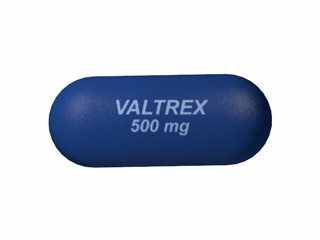
| Common strengths | Often available as 500 mg and 1 g tablets (varies by supply) |
| How it’s taken | By mouth (tablets) |
How Valtrex works (mechanism of action)
Valacyclovir is a prodrug—meaning it’s converted in the body to its active form, acyclovir. After you swallow a dose, valacyclovir is converted mainly in the liver and intestinal wall to:
- Acyclovir (the active antiviral)
- Less commonly, other metabolites
Acyclovir works by interfering with how viruses copy their genetic material:
- It becomes activated inside infected cells
- Activated acyclovir inhibits viral DNA polymerase
- This reduces viral replication and helps the immune system clear the infection
Important: Valtrex reduces viral activity but does not “cure” herpes viruses permanently. Herpes viruses can remain inactive in nerve cells and may reactivate later.
Pharmacokinetics (what the body does to the medicine)
Pharmacokinetics describes absorption, distribution, metabolism, and elimination.
- Absorption: Valacyclovir is absorbed from the gastrointestinal tract and is efficiently converted to acyclovir.
- Bioavailability: Valacyclovir has higher oral bioavailability than acyclovir tablets, which can support convenient dosing.
- Distribution: Acyclovir distributes into body tissues, including areas affected by herpes viruses.
- Metabolism: Primarily converted to acyclovir; minimal transformation to other active products.
- Elimination: Mainly cleared by the kidneys through urine.
Kidney function matters: Because valacyclovir is largely eliminated by the kidneys, people with reduced kidney function may require dose adjustments to reduce side effects.
Typical uses in Australia
Valtrex is commonly used for herpes virus infections, including:
- Cold sores (herpes labialis): Treatment of outbreaks
- Genital herpes (herpes simplex): Treatment of episodes
- Recurrent genital herpes: Suppression (prevention of frequent recurrences) in suitable patients
- Shingles (herpes zoster): Treatment of acute shingles in adults (treatment timing is particularly important)
- Prevention in selected situations: Some patients with specific risk profiles may be advised a preventive regimen for certain infections (as determined by their healthcare professional)
Not every product strength or regimen is appropriate for every indication. Your dosing schedule depends on your diagnosis and treatment goal (episodic treatment vs long-term suppression).
Timing: when to start and when it works best
For best results, timing can be crucial—especially for cold sores and shingles.
- Cold sores: Starting treatment as early as possible in the outbreak (often at the first symptoms such as tingling, burning, or itching) may help reduce duration and severity.
- Genital herpes: Starting during the early phase of an outbreak may help. For suppression therapy, benefits depend on regular dosing.
- Shingles: Treatment is typically most effective when started as early as possible, often within 72 hours of rash onset. However, your clinician will decide what’s appropriate if you present later.
If you miss a dose, follow the instructions on your label. In general, don’t double up unless advised.
Food interactions
Valtrex can usually be taken with or without food. Food does not typically require strict avoidance. However:
- If you experience nausea or stomach upset, taking it with food may improve comfort.
- Try to take doses at consistent times to maintain steady antiviral activity, especially for suppression regimens.
Alcohol and medicine interactions
Alcohol is not usually described as a direct interaction with valacyclovir, but there are practical reasons to be cautious:
- Dehydration risk: Alcohol can contribute to dehydration. Since valacyclovir is cleared by the kidneys, staying well-hydrated is important.
- Side effects: Alcohol may worsen dizziness, headache, or stomach discomfort in some people.
- Immune and recovery effects: Heavy alcohol intake can affect recovery from infections.
General advice: If you drink alcohol, keep it moderate, drink water alongside, and seek medical advice if you have kidney disease or you notice reduced urine output, severe dizziness, or worsening symptoms.
Other medicine interactions (common examples)
Valacyclovir has interactions that can be important, especially with medicines that affect kidney function or compete for kidney secretion pathways. Tell your healthcare professional or pharmacist if you take:
- Nephrotoxic medicines (medicines that can affect the kidneys)
- Other drugs cleared by the kidneys
- Medicines that affect renal tubular function (your pharmacist can check specific combinations)
- High-dose or frequent NSAID use (e.g., ibuprofen) if you have kidney risk factors
Also mention any supplements (including high-dose vitamin products) and herbal remedies. Your pharmacist can provide a tailored interaction check based on your exact regimen.
Indications: what Valtrex is used to treat
In general terms, Valtrex is used for:
- Herpes simplex infections: Cold sores and genital herpes
- Herpes zoster: Shingles
- Prevention of recurrent episodes: In people with frequent recurrences, to reduce the frequency and/or risk of outbreaks
- Prevention in certain high-risk settings: Determined by clinician and based on overall risk factors and health status
Precise eligibility and schedules depend on your diagnosis, severity, and medical history.
Dosing: typical adult schedules (examples)
Because dosing differs by condition and patient factors, the schedules below are general examples. Always use the dose and days recommended on your label or by your healthcare professional.
Key dosing considerations:
- Kidney function: Dose may be reduced or frequency changed if you have kidney impairment.
- Age: Elderly patients may require adjustments due to age-related kidney changes.
- Indication: Episodic treatment differs from suppression therapy.
- Severity: Immunocompromised people may need specialist regimens.
Common adult regimens (for illustration)
- Cold sores (herpes labialis): Often taken as a short course (commonly within 1 day to 5 days depending on plan).
- Genital herpes:
- Episode treatment: Often a course over several days
- Recurrent suppression: Typically taken once daily or as directed for longer periods
- Shingles (herpes zoster): Commonly taken multiple times per day for about a week, started as early as possible
If you’re unsure which regimen you’ve been prescribed, confirm the exact strength and schedule with your pharmacist or check your dispensing label.
How to take Valtrex
- Swallow the tablet(s) with water.
- Take doses at the times indicated for your regimen.
- Drink enough fluids throughout the day, especially if you’re unwell.
- If you miss a dose, take it when you remember—unless it’s close to the next dose. Do not double doses.
Safety profile: common and serious side effects
Like all medicines, Valtrex can cause side effects. Many people tolerate it well.
Common side effects
- Headache
- Nausea
- Abdominal discomfort
- Dizziness
- Fatigue
Less common but important side effects
- Kidney-related effects: Reduced urine output, pain, or swelling may signal a problem, particularly in people with kidney risk factors.
- Neurologic symptoms: Confusion, agitation, hallucinations, or severe drowsiness are uncommon but require urgent attention.
- Allergic reactions: Rash, swelling of the face/lips, difficulty breathing.
Seek urgent medical help if
- You develop signs of an allergic reaction (hives, facial swelling, breathing difficulty)
- You experience severe confusion, fainting, or significant neurologic symptoms
- You have very little urine, severe flank pain, or symptoms of dehydration that are worsening
Kidney and hydration tips: Maintaining good hydration and using the prescribed dose is particularly important if you have kidney disease, are older, are dehydrated, or take interacting medicines.
Practical use tips for better outcomes
- Start early: Use Valtrex at the first signs of an outbreak when possible (especially for cold sores and shingles).
- Don’t stop early: Completing the prescribed course can help maximise benefit.
- Keep a symptom timeline: Tracking when symptoms begin can help you recognise patterns and act quickly next time.
- Hydration: Drink water regularly. This is especially relevant during illness and warmer weather.
- Infection control: Even with antiviral treatment, reduce transmission risk by avoiding sexual contact during outbreaks and using barrier methods as recommended.
- Skin care: Keep the area clean and dry; avoid picking blisters.
- Hand hygiene: Wash hands after touching affected areas to reduce spread to your eyes or other body sites.
Alternative options
If Valtrex is not suitable (for example, due to dose needs, side effects, or supply), other antiviral options may be considered by your clinician or pharmacist.
Other antiviral medicines commonly used for herpes virus infections
- Acyclovir (often requires more frequent dosing)
- Famciclovir (another prodrug antiviral used for similar indications)
- Topical antivirals may be used in some cold sore situations, but oral therapy is often preferred for faster or more reliable effect depending on your case
Your choice depends on your condition, timing since symptoms started, kidney function, and treatment goals (episodic versus suppression).
Market & legal context for Australia (overview)
In Australia, medicines are supplied under regulation by TGA (Therapeutic Goods Administration). Prescription and supply rules vary by medicine category and by the way products are marketed and dispensed. For strong guidance on availability, the best approach is to check with your local pharmacy or the product label and to follow Australian medicines safety practices.
When buying online, ensure:
- The website is legitimate and provides clear product details
- Products list the Australian manufacturer/importer details
- Packaging and batch information are provided
- Storage instructions are followed
Always be cautious of counterfeit or incorrectly labelled medicines.
Recent guidance and evolving practice (general points)
While exact “recent guidance” changes can differ over time, Australian clinical practice generally emphasises:
- Early antiviral treatment for shingles and faster outbreak relief when started promptly
- Renal dose adjustments or careful monitoring in people with kidney impairment
- Ongoing suppression therapy for people with frequent recurrences, balanced against tolerability and kidney health
- Patient education on recognising early symptoms and improving adherence
If you’re taking Valtrex long-term or you have recurrent disease, periodic review with a healthcare professional can help confirm the right dose and duration for your situation.
Delivery and availability (online pharmacy)
Availability can vary based on stock levels, tablet strength, and the region served. When ordering Valtrex online in Australia, you should expect:
- Clear product listings including strength (e.g., 500 mg or 1 g if applicable)
- Secure packaging to protect tablets during transit
- Dispatch timeframes and tracking details where offered
- Product authenticity checks typical of reputable suppliers
Storage: Store tablets in a cool, dry place, typically away from direct sunlight. Keep out of reach of children. Follow the instructions on the label or carton.
If you need the medicine urgently (for example, shingles symptoms started recently), contact customer support to confirm estimated delivery time before placing your order.
FAQ — Frequently asked questions
1) What is Valtrex used for?
Valtrex (valacyclovir) is used for herpes virus infections such as cold sores, genital herpes, and shingles. It may also be used in prevention regimens for some people depending on their condition.
2) How quickly does Valtrex work?
People often notice improvement within a few days, especially when treatment starts early. For shingles, earlier treatment (commonly within 72 hours of rash onset) is associated with better outcomes.
3) Can I take Valtrex with food?
Yes. Valtrex can usually be taken with or without food. If you feel nauseated, taking it with food may help.
4) Do I need to drink extra water while taking Valtrex?
It’s generally a good idea to stay well hydrated, particularly because valacyclovir is cleared by the kidneys. If you have kidney problems, you should ask your pharmacist or clinician about the safest fluid intake for you.
5) Does alcohol affect Valtrex?
Alcohol is not typically listed as a direct interaction, but it may worsen dehydration and side effects. If you choose to drink, keep it moderate and stay hydrated.
6) Can Valtrex prevent transmission of herpes?
Valtrex suppression therapy can reduce the risk of recurrences and may reduce viral shedding, but it does not eliminate transmission risk. Use safer sex practices as advised (for example, condoms and avoiding sex during outbreaks).
7) What if I have kidney disease?
Tell your pharmacist or clinician. Kidney impairment may require dose adjustment. Using the correct dose and staying hydrated is important.
8) What should I do if I miss a dose?
Follow your label instructions. Generally, take the missed dose when you remember unless it’s close to the next scheduled dose. Do not double doses.
9) Are there any warning signs I should watch for?
Seek urgent help if you develop symptoms of a serious allergic reaction (swelling of face/lips, trouble breathing), severe confusion, very low urine output, or signs of severe dehydration.
10) What are common side effects?
Common side effects include headache, nausea, stomach discomfort, dizziness, and fatigue. If side effects are bothersome or worsening, contact a healthcare professional.
11) Are there alternatives to Valtrex?
Yes. Alternatives may include acyclovir or famciclovir depending on your condition and timing. Your pharmacist can advise based on your needs.
12) Can Valtrex be used during pregnancy or breastfeeding?
Herpes management during pregnancy or breastfeeding should be individually assessed by a healthcare professional. Discuss your specific situation for safe and effective treatment choices.
Summary
Valtrex (valacyclovir) is an antiviral medicine used to treat and sometimes suppress herpes virus infections such as cold sores, genital herpes, and shingles. It works by converting to acyclovir in the body, which reduces viral replication. For best results, start treatment as early as possible and take it consistently. Because valacyclovir is cleared by the kidneys, people with kidney impairment may need dose adjustments and should stay well hydrated.
If you have questions about dosing, timing, side effects, or interactions with your other medicines, speak with a pharmacist or healthcare professional.