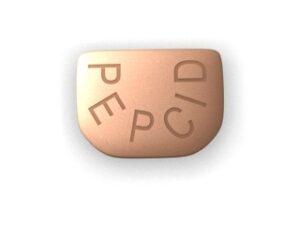



Misoprostol (Tablet)
Misoprostol is a medicine used to prevent or treat certain stomach conditions and to help with medical procedures in specific situations. It belongs to the prostaglandin group of medicines and works by affecting the stomach lining and the uterus and cervix.
This page provides patient-friendly information about how misoprostol works, when it is used, how to take it safely, and what to expect. Always follow the instructions provided with your product or by a qualified healthcare professional.
Quick product information
| Category | Details |
|---|---|
| Medicine name | Misoprostol |
| Typical forms | Oral tablets (often used by placement under the tongue, in the cheek, or swallowed depending on the indication and local clinical instructions) |
| Medicinal class | Prostaglandin E1 analogue |
| Key actions | Reduces stomach acid and protects the stomach lining; can also stimulate the uterus |
| Common uses | Prevention of NSAID-related stomach ulcers; selected obstetric/gynecologic uses under medical guidance |
How misoprostol works (mechanism of action)
Misoprostol is a synthetic prostaglandin that acts at prostaglandin receptors. Its effects differ depending on the tissue:
- Gastrointestinal effects: It increases production of protective substances in the stomach lining (including mucus and bicarbonate) and helps reduce acid secretion. This lowers the risk of ulcer formation and bleeding in people who take non-steroidal anti-inflammatory drugs (NSAIDs).
- Uterine and cervical effects: It can cause the uterus to contract and the cervix to soften and dilate (in selected clinical settings). This is why it may be used in certain medical procedures when directed by a clinician and according to local protocols.
Important: The way it is used (including timing, route, and dosing) depends heavily on the reason you are taking it. Always use it exactly as instructed for your situation.
Pharmacokinetics (how the body processes misoprostol)
Pharmacokinetics describe what the body does with a medicine—how quickly it is absorbed, metabolised, and removed.
- Absorption: Misoprostol is absorbed after oral administration. If taken in the buccal (inside cheek) or sublingual (under tongue) route, onset may be faster in some situations, although exact timing varies by person and preparation.
- Activation: Misoprostol is a prodrug. It is converted to its active metabolite, misoprostol’s acid, which is responsible for most of its clinical effects.
- Distribution: The active metabolite distributes to tissues and is detected systemically after dosing.
- Metabolism: The medicine is metabolised in the body, and the active form is further processed into inactive compounds.
- Elimination: Metabolites are primarily excreted through the kidneys (urine).
Because exposure can vary and because dosing schedules differ by indication, the safest approach is to follow the specific directions provided for your use.
Typical use and indications
Misoprostol is used for more than one clinical purpose. In Australia, availability and prescribing pathways can vary depending on the intended indication and current health system guidance.
1) Prevention of NSAID-related gastric ulcers
Misoprostol can be used to help reduce the risk of gastric ulcers caused by ongoing NSAID use, particularly in people at higher risk of ulcer complications.
2) Selected obstetric and gynaecological indications
Misoprostol is also used for certain uterine/cervical indications in clinical settings and protocols. These uses may include (for example) management related to pregnancy loss or termination of pregnancy, as well as preparation of the cervix. The exact protocol depends on gestational age, clinical circumstances, and local guidance.
Note: This website page is educational and does not replace professional assessment. The appropriate use and dosing must align with your specific situation and local Australian clinical guidance.
Dosing overview (follow your specific instructions)
Dosing depends on why you are taking misoprostol. Below is a general overview of how dosing is often structured. For safety, do not use these as a substitute for the exact plan provided for your indication.
NSAID ulcer prevention (general pattern)
- It is commonly taken multiple times per day with meals to reduce stomach side effects.
- Doses are often adjusted according to tolerability, age, and risk factors.
Uterine/cervical indications (procedure-related dosing)
- Dosing schedules typically involve repeated doses at specific time intervals.
- How the tablet is placed (for example, in the cheek) may be part of the protocol to ensure absorption.
- Clinicians may also provide additional supportive steps depending on symptoms, gestational age, and ultrasound/clinical findings.
If you have been provided with a personalised schedule: follow the number of doses, timing between doses, and any instructions regarding placement versus swallowing.
Timing: when to take misoprostol
Timing differs by the reason for use:
- For stomach protection: it’s usually taken with or shortly after food to improve tolerability.
- For uterine-related protocols: timing between doses can be critical. Follow the interval instructions exactly.
Missed dose: if you miss a dose, contact a pharmacist or healthcare professional for advice specific to your schedule. Do not double up unless instructed.
Food interactions (what to eat and avoid)
Food can influence both tolerability and absorption.
- Gastrointestinal uses: taking misoprostol with food may reduce side effects such as stomach discomfort and diarrhoea.
- Uterine-related protocols: food may not “neutralise” the medicine, but heavy meals may worsen nausea in some people. Many protocols prioritise comfort and hydration; follow the guidance provided with your plan.
Practical tip: choose bland, easily digested foods if you feel nauseated or your stomach is sensitive. Drink fluids regularly.
Alcohol interactions
Misoprostol does not have a classic “dangerous interaction” with alcohol for most people, but combining medicines with alcohol can worsen side effects.
- Possible issues: increased dizziness, nausea, headache, or stomach upset.
- Recommendation: limit or avoid alcohol while using misoprostol, especially if you experience vomiting, diarrhoea, cramping, or light-headedness.
If you need help deciding whether alcohol is safe for you, ask a pharmacist.
Medicine interactions (other drugs that may matter)
Misoprostol can interact with other medicines indirectly by affecting stomach function, blood pressure, bleeding risk, or side-effect profiles.
Tell your pharmacist if you use:
- NSAIDs (if you are taking misoprostol for NSAID ulcer prevention, your overall regimen should be reviewed together)
- Blood pressure medicines (misoprostol can cause changes in blood vessel tone in some people)
- Medicines that affect bleeding (for example, anticoagulants/antiplatelets) if using misoprostol for uterine-related indications—bleeding patterns and safety must be assessed
- Other prostaglandin-related medicines
- Medicines causing diarrhoea or significant gastrointestinal irritation (side effects may add up)
Always carry an up-to-date list of medicines (including supplements) and share it with your pharmacist or clinician.
Safety profile and side effects
Like all medicines, misoprostol can cause side effects. Many are temporary, but some require prompt medical attention.
Common side effects
- Diarrhoea (more likely with stomach-related uses)
- Nausea and stomach cramps
- Headache
- Dizziness
- Fever or chills (may occur after dosing)
Uterine/procedure-related symptoms
In uterine-related protocols, cramping and bleeding are expected for many people. However, severity and duration vary widely.
Serious or urgent warning signs
Seek urgent medical help (call local emergency services or go to the emergency department) if you experience:
- Heavy bleeding (for example, soaking through pads rapidly or passing very large clots)
- Fainting, severe weakness, or signs of shock
- Severe or worsening abdominal pain that does not improve
- Persistent high fever or fever lasting more than the expected period
- Foul-smelling discharge plus fever or worsening pain
- Allergic reaction such as swelling of the face/lips, hives, or trouble breathing
If you’re unsure whether symptoms are within normal limits, contact a pharmacist or local healthcare service for advice.
Practical use tips for comfort and success
The following tips can help with comfort and safe administration. Follow the specific instructions provided for your indication.
- Hydrate: drink water regularly, especially if you experience diarrhoea or fever.
- Manage nausea: take small sips of fluid; consider bland foods (toast, crackers, rice) if tolerated.
- For cramps: many people find heat packs and rest helpful. Use any pain relief only as advised by your clinician or pharmacist.
- Follow the route: if your plan instructs placing the tablet in the cheek or under the tongue, follow that exactly. Do not substitute with swallowing unless told to.
- Track symptoms: note the time you take doses and observe bleeding, cramping, temperature, and overall wellbeing.
- Have support: if possible, arrange for someone to be available, particularly if you may feel unwell or anxious.
Do not: use misoprostol in a way not intended for your situation, and do not combine with additional uterine-active products unless directed.
Alternative options
There may be alternatives depending on the reason misoprostol is being considered. Options can include:
- For NSAID ulcer prevention: other strategies for ulcer prevention may include different gastroprotective medicines (for example, acid-suppressing therapies) and risk-factor management (dose adjustment of NSAIDs, choosing safer alternatives, and protective lifestyle measures).
- For uterine/cervical indications: alternative approaches may include procedure-based methods or other medication combinations depending on gestational timing and clinical assessment.
The best option depends on your medical history, symptom severity, and local clinical pathways. A pharmacist can also help explain differences in side effects and what to expect.
Market and legal context for Australia (overview)
In Australia, medicines are regulated by the Therapeutic Goods Administration (TGA). The availability of misoprostol may be influenced by its scheduling status, approved indications, and prescribing/dispensing rules.
Online pharmacies in Australia must comply with:
- Australian medicine supply requirements and applicable regulatory obligations
- TGA product information and labelling
- Privacy and patient safety policies
- Good pharmacy practice (including counselling and safe supply procedures)
Because rules can change over time and may differ by indication, availability and the required steps to obtain misoprostol can vary. If you’re unsure what applies to your situation, contact the pharmacy before completing your order.
Recent guidance and updates (keeping current)
Clinical guidance related to use—especially for reproductive health—may be updated as evidence evolves. Recommendations can differ by:
- gestational age and clinical setting
- local protocol for follow-up testing and symptom monitoring
- best practice for recognising complications
For the most current guidance in your area, rely on reputable Australian health sources and advice from your healthcare professional or pharmacist.
Delivery and availability (Australia)
Availability may differ depending on stock levels and the supplier arrangement. Typical online pharmacy processes include:
- Order confirmation: you may be asked to complete safety checks and provide relevant information.
- Pharmacist review: where required, a pharmacist may review your order and provide counselling.
- Dispatch: medicines are typically packed and shipped in line with handling and storage requirements.
- Delivery timeframe: delivery depends on your location and courier service.
Storage: keep tablets in their original packaging and store according to label instructions. Keep out of reach of children.
If you need to confirm whether misoprostol is available for delivery to your state/territory, check with the pharmacy’s customer service.
FAQ
Is misoprostol safe for everyone?
No. Safety depends on your medical history, current medications, and the reason you’re taking it. People with certain conditions (for example, some cardiovascular problems) or those who are allergic to components should avoid misoprostol. Ask a pharmacist about suitability.
What side effects are most common?
Diarrhoea, nausea, abdominal cramping, headache, and chills/fever are among the more common effects. Many improve within a short time after dosing, but severe symptoms should be assessed urgently.
How quickly does misoprostol work?
Onset varies by route of administration and individual factors. For gastrointestinal protection, benefits are judged over time. For uterine-related protocols, effects can begin within hours, depending on the dosing schedule.
Can I take misoprostol with food?
For stomach-related uses, taking it with food can improve tolerability. For other uses, follow the specific instructions provided with your plan.
Can I drink alcohol while taking misoprostol?
It’s best to avoid or limit alcohol. Alcohol can worsen nausea, dizziness, and stomach upset.
What should I do if I experience heavy bleeding or severe pain?
Seek urgent medical attention immediately. Heavy bleeding, fainting, severe pain, persistent high fever, or foul-smelling discharge may indicate a complication.
What if I miss a dose?
Contact a pharmacist or clinician for advice specific to your schedule. Do not double up unless you are told to.
Are there alternatives to misoprostol?
Yes—depending on the indication. For ulcer prevention, other acid-suppressing or protective approaches may be considered. For uterine-related indications, alternative medication protocols or procedures may be available. A healthcare professional can guide the safest option.
Do I need follow-up after taking misoprostol for a uterine-related indication?
Follow-up is often important to confirm the outcome and to check for complications. Your clinician or local protocol will advise the timing and type of follow-up (for example, symptom review and/or tests).
How do I store misoprostol?
Keep tablets in their original packaging and store as directed on the label. Keep out of sight and reach of children.
Disclaimer: This information is for general education and does not replace personalised medical advice. If you have questions about misoprostol’s suitability for you, side effects, or interactions with your medicines, speak with a pharmacist.