Tizanidine (Australia) – Patient-Friendly Guide
Tizanidine is a medicine used to reduce muscle spasticity (tightness and stiffness) and help relieve associated discomfort. It works by affecting nerve signals in the brain and spinal cord, helping muscles relax and improving movement and comfort.
This guide is designed to help you understand how tizanidine works, when it’s typically taken, possible side effects, key interactions (including with alcohol and other medicines), and practical tips for safe use in Australia.
Basic product information
- Medicine name: Tizanidine
- Common uses: Spasticity due to conditions such as multiple sclerosis and spinal cord injury
- How it works: Central (brain/spinal cord) muscle relaxant
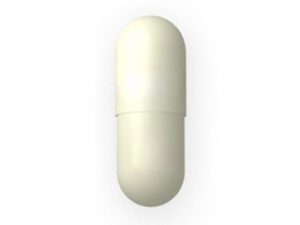
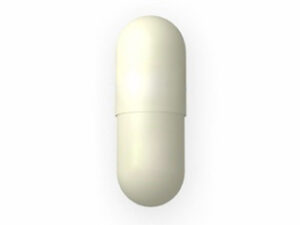
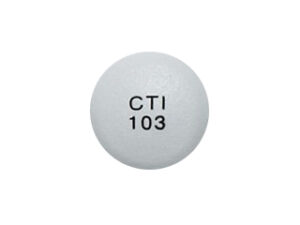
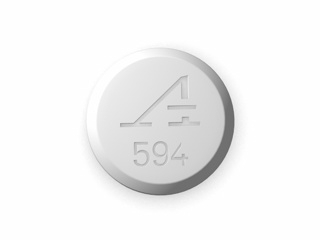
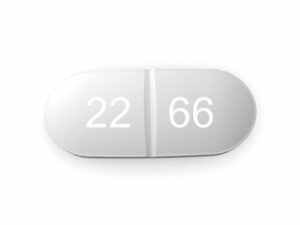
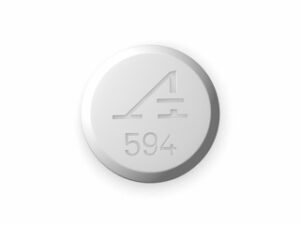
- Typical formulation: Tablets (strength varies by brand)
- Important note: The dose must be individualised based on your condition, response, and tolerability.
Always follow the directions on your medicine packaging and any healthcare professional advice.
How tizanidine works (mechanism of action)
Tizanidine helps reduce spasticity by acting as an alpha-2 adrenergic receptor agonist (a type of nerve signalling “switch”). In simple terms:
- It reduces overactive nerve signals that can cause muscle stiffness.
- It decreases the release of certain neurotransmitters in the spinal cord that contribute to sustained muscle contraction.
- This leads to improved muscle tone and relief from spasms for many people.
Because it acts on the nervous system, it may also affect blood pressure and cause drowsiness in some individuals.
Pharmacokinetics (how the body handles tizanidine)
Pharmacokinetics describes what happens to the medicine after you take it.
- Absorption: Tizanidine is absorbed after oral dosing. The level of absorption can vary with food—particularly in the presence of certain beverages.
- Peak effect: The medicine typically reaches peak blood levels within a few hours of dosing.
- Metabolism: Tizanidine is mainly metabolised by the liver (notably via the CYP1A2 enzyme system).
- Elimination: The medicine is cleared from the body mainly by the kidneys as metabolites.
- Half-life: The duration of action can vary, but the effect is generally noticeable within the dosing interval. Your prescriber may adjust timing based on response.
Because tizanidine is metabolised in the liver, liver impairment and certain interacting medicines can increase blood levels and side effects.
Typical uses and indications
Tizanidine is used to treat muscle spasticity—a condition where muscles remain tight or stiff, sometimes with painful spasms.
Common indications include:
- Multiple sclerosis (MS)
- Spinal cord injury
- Other neurological conditions where muscle spasticity is present (based on clinical assessment)
Tizanidine may also be used to relieve symptoms that spasticity causes, such as discomfort, difficulty sleeping due to muscle spasms, and challenges with mobility.
When to take tizanidine (timing and practical scheduling)
For many people, tizanidine is taken in divided doses across the day to control spasticity while minimising side effects like drowsiness or low blood pressure.
General timing principles:
- Start low, go slow: Many treatment plans begin with a lower dose and increase gradually if needed.
- Be consistent: Try to take doses at similar times each day.
- Consider daytime sleepiness: If you feel drowsy, discussing dose timing (e.g., slightly later or with a larger dose at night) may help.
- Monitor response: Pain, stiffness, and spasm frequency can guide dose adjustments.
Missed dose: If you miss a dose, take it when you remember unless it is close to the time for your next dose. Do not take extra doses to “catch up” without medical advice.
Dosing: what’s typical (and how it’s adjusted)
Dosage varies widely depending on the individual and underlying condition. In practice, clinicians usually:
- Begin with a low dose to reduce side effects.
- Adjust gradually based on spasticity control and tolerability.
- Consider factors such as age, kidney function, liver health, and other medicines.
Important: The exact dose and schedule should follow your healthcare plan. Do not exceed the recommended maximum daily dose.
Special populations:
- Kidney impairment: Tizanidine clearance may be reduced; dosing may need to be lower.
- Liver impairment: Tizanidine should be used with caution; your clinician may order liver function tests.
- Older adults: Increased sensitivity to drowsiness, dizziness, and blood pressure changes may occur.
Food interactions (including beverages)
Food can affect how tizanidine is absorbed and tolerated.
- Food generally: In many people, food does not drastically change tizanidine’s overall use, but it can influence absorption and timing of effects.
- Grapefruit/grapefruit juice: While not always listed for every medicine, it may increase levels of some drugs via CYP pathways. If you use grapefruit products, seek advice.
- Varied meal timing: If you notice stronger drowsiness or lower blood pressure after certain meals, keep dosing timing consistent and discuss with a healthcare professional.
Most important interaction-related beverages:
- Alcohol can significantly worsen sedation and dizziness (see interaction section below).
Alcohol interactions
Alcohol and tizanidine are not recommended together. Combining alcohol with tizanidine can increase:
- Sleepiness and slowed reaction time
- Dizziness and imbalance
- Risk of falls
- Risk of low blood pressure
If you drink alcohol, discuss safe amounts and timing with your clinician or pharmacist. In many cases, the safest approach is to avoid alcohol while using tizanidine, especially when starting or adjusting the dose.
Medicine interactions (including key warnings)
Tizanidine’s metabolism involves the liver enzyme CYP1A2. Medicines that inhibit or induce this enzyme can change tizanidine levels.
Be particularly cautious with the following categories:
- Strong CYP1A2 inhibitors (may greatly increase tizanidine levels)
- Some antibiotics (e.g., ciprofloxacin, enoxacin)
- Some antifungals
- Some other medicines known to inhibit CYP1A2
- Other medicines that cause drowsiness (additive sedation)
- Opioid pain medicines
- Benzodiazepines and other anti-anxiety sedatives
- Sleeping tablets
- Some antihistamines (especially “sedating” types)
- Medicines affecting blood pressure (additive low blood pressure risk)
- Antihypertensives
- Nitrates
- Other centrally acting medicines that lower blood pressure
- Medicines that can affect liver enzymes
- Certain anticonvulsants
- Some antidepressants
- Other drug interactions may apply based on your specific regimen
Tell your pharmacist about all medicines you take, including:
- Prescription and over-the-counter medicines
- Herbal products and supplements
- Occasional medicines (including sleep aids and cold/flu products)
Do not start or stop other medicines without checking interaction risk—particularly during dose changes with tizanidine.
Safety profile and side effects
Most people tolerate tizanidine well, but it can cause side effects due to its effects on the nervous system and blood pressure.
Common side effects
- Drowsiness or tiredness
- Dizziness, especially when standing up (orthostatic effects)
- Dry mouth
- Low blood pressure (may cause light-headedness)
- Weakness or reduced energy
Less common but important effects
- Bradycardia (slower heart rate)
- Hallucinations (rare)
- Severe fatigue or unexpected sedation
- Changes in liver function (see below)
Liver concerns
Tizanidine can affect the liver. Your healthcare professional may consider baseline and/or follow-up liver function tests, particularly if you have risk factors (pre-existing liver disease) or if higher doses are used.
Seek urgent medical advice if you develop symptoms that might suggest liver problems, such as:
- Yellowing of the skin/eyes (jaundice)
- Dark urine
- Severe or persistent nausea/vomiting
- Right upper abdominal pain
- Unusual severe fatigue
Do not stop suddenly (withdrawal considerations)
Stopping tizanidine abruptly after regular use may cause rebound symptoms such as increased spasticity, agitation, or changes in blood pressure. If you need to stop, discuss a tapering approach with your healthcare professional.
Practical use tips (how to get the best results safely)
- Start at a safe time: When beginning or increasing dose, consider taking it at a time when you can rest and observe how you feel.
- Move slowly: Dizziness can occur. Stand up gradually from sitting or lying positions.
- Be careful with driving and machinery: If you feel drowsy, avoid driving and hazardous activities.
- Track symptom changes: Note spasm frequency, stiffness, pain, sleep quality, and any side effects to help guide dosing decisions.
- Hydrate: Dry mouth and dizziness can be reduced by adequate fluid intake (unless you have fluid restrictions).
- Avoid alcohol: It can worsen sedation and dizziness.
- Check for interactions: Keep an up-to-date list of your medicines and show it to your pharmacist.
- Use consistent dosing: Take doses at similar times each day to maintain stable symptom control.
Alternative options for spasticity
If tizanidine is not suitable or side effects are troublesome, clinicians may consider other treatments for spasticity, depending on the cause and your individual needs.
Potential alternatives may include:
- Other oral muscle relaxants (choice depends on symptom pattern and safety profile)
- Physiotherapy and stretching programmes
- Assistive strategies to reduce spasm triggers (positioning, mobility aids, warm-up routines)
- Intrathecal therapy or other specialist treatments for selected patients
Ask your pharmacist or doctor about options if tizanidine doesn’t provide adequate relief or causes intolerable side effects.
Recent guidance and Australian context
In Australia, medicines and spasticity management are guided by evidence-based clinical practice and medicines regulation frameworks. Guidance may be updated based on new safety information, changes to formulation access, and consensus updates from clinical bodies.
Key safety themes commonly emphasised in clinical practice:
- Using the lowest effective dose and adjusting gradually
- Monitoring for sedation, low blood pressure, and liver effects
- Checking for drug interactions, especially CYP1A2 inhibitors
- Educating patients about safe use—particularly when starting therapy or increasing dose
Regulatory and supply: Availability and product brand/strength can vary. Your local pharmacy can help confirm the correct product based on your regimen.
Delivery and availability in Australia
Online pharmacies commonly supply tizanidine based on availability from authorised wholesalers and manufacturers. Stock levels may vary by tablet strength and brand.
- Availability: Check product page details for current stock and lead times.
- Delivery: Delivery timeframes depend on location and dispensing status.
- Packaging: Medicines should be supplied in original packaging with clear dosing instructions and expiry information.
- Contact support: If you need assistance confirming strength or dosing schedule, pharmacy support is typically available.
Availability policies may depend on Australian healthcare requirements and pharmacy verification processes.
Table: Key points at a glance
| Topic | What to know |
|---|---|
| What it’s used for | Treats muscle spasticity and reduces tightness/spasms linked to neurological conditions. |
| How it works | Alpha-2 adrenergic receptor agonist that reduces overactive nerve signals in the spinal cord. |
| Typical dosing approach | Often started low and increased gradually; divided dosing may be used. |
| Common side effects | Drowsiness, dizziness, dry mouth, and possible low blood pressure. |
| Food interactions | Food may influence absorption; be consistent with timing and avoid unsafe beverage combinations. |
| Alcohol | Avoid alcohol due to increased sedation and dizziness and risk of low blood pressure. |
| Medicine interactions | Important with CYP1A2 inhibitors and medicines that cause sedation or lower blood pressure. |
| Safety monitoring | Consider liver monitoring in some patients; seek help for signs of liver problems. |
FAQ (Frequently asked questions)
1) What is tizanidine used for?
Tizanidine is mainly used to treat muscle spasticity—a condition of stiffness and spasms—often associated with conditions such as multiple sclerosis or spinal cord injury. It helps reduce muscle tone and discomfort.
2) How quickly does tizanidine work?
Many people notice symptom improvement within a short time after taking it, but the overall benefit may build as dosing is adjusted and spasticity control stabilises. Response varies between individuals.
3) Can I take tizanidine with food?
In many cases, tizanidine can be taken with or without food. However, consistency is helpful. If you notice that meals change how you feel (such as stronger drowsiness), speak to your pharmacist about optimising your routine.
4) Is it safe to drink alcohol while using tizanidine?
No—alcohol should be avoided or strictly limited because it can intensify sleepiness, dizziness, and low blood pressure effects.
5) What are the most important drug interactions?
Key interactions include medicines that may increase tizanidine blood levels (especially CYP1A2 inhibitors) and medicines that increase sedation or affect blood pressure. Always check with your pharmacist and share your full medication list.
6) Does tizanidine cause drowsiness?
Yes, drowsiness and fatigue are common. Until you know how you respond, avoid driving and operating machinery, and be cautious when standing or walking.
7) What should I do if I feel dizzy?
Sit or lie down immediately if you feel light-headed. Stand slowly when you change positions. If dizziness is persistent or severe—especially if you’ve had fainting—seek prompt medical advice.
8) Can tizanidine affect my liver?
It can. Some patients may experience changes in liver function. If you develop symptoms such as yellowing of the skin/eyes, dark urine, or severe abdominal pain, seek medical advice urgently.
9) What if I miss a dose?
If you miss a dose, take it when you remember unless it is close to the next scheduled dose. Do not take extra doses to catch up.
10) Are there alternatives if tizanidine isn’t working or is causing side effects?
Yes. Alternatives may include other spasticity treatments and non-medication approaches such as physiotherapy. Your clinician can recommend options based on the cause of spasticity and your tolerance.
Summary
Tizanidine is a centrally acting muscle relaxant used to manage spasticity and reduce stiffness and spasms. It can be effective, but it requires careful attention to dose timing, alcohol avoidance, and drug interactions. Many side effects relate to its effects on the nervous system and blood pressure—so starting gently, monitoring your response, and keeping up-to-date with your medication list are key steps for safe use.
If you have questions about interactions, side effects, or how to fit tizanidine into your daily routine, speak with a pharmacist for tailored advice.