

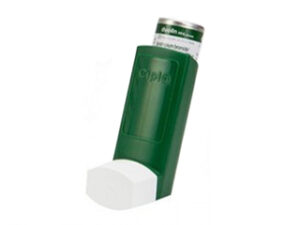
Tiotropium Bromide (Inhalation) — Patient Guide (Australia)
Tiotropium bromide is an inhaled medicine used to help people breathe more easily when they have long-term lung conditions. It works by relaxing airway muscles and improving airflow, helping reduce breathlessness and, for many people, lowering the frequency of flare-ups.
This guide is written to help you understand how tiotropium bromide works, how to use it effectively, what to expect, and what to consider for safety and interactions. It is intended for general information and does not replace advice from your healthcare professional.
Basic product information
- Generic name: Tiotropium bromide
- Medicine type: Long-acting antimuscarinic antagonist (LAMA)
- How it’s taken: Inhalation (commonly via inhaler/device)
- Common uses: Chronic obstructive pulmonary disease (COPD); sometimes asthma in specific circumstances
- Therapeutic focus: Maintenance (ongoing control), not immediate relief of sudden attacks
Note: Brand names and inhaler devices vary. Always use the product-specific instructions supplied with your device and follow your clinician’s plan.
What is tiotropium bromide?
Tiotropium bromide is a bronchodilator that helps open the airways. It belongs to a group of medicines called antimuscarinics (also known as anticholinergics). By blocking muscarinic receptors in the lungs, tiotropium reduces airway constriction and helps keep airways wider for longer periods.
Mechanism of action (how it works)
In the airways, the body uses a chemical signalling pathway called the muscarinic (cholinergic) pathway. When activated, it can cause:
- Bronchoconstriction (tightening of airway muscles)
- Increased mucus production
- Reduced airflow
Tiotropium bromide blocks muscarinic receptors (particularly M3) in the lung, leading to:
- Airway relaxation and improved airflow
- Better breathing over time
- Longer-lasting effects with once-daily dosing for many products
Pharmacokinetics (how the body handles the medicine)
Because tiotropium is inhaled, much of its effect is local in the lungs. Still, a small portion may be absorbed into the bloodstream.
| Area | What typically happens |
|---|---|
| Absorption | Inhaled drug deposits in the lungs; some may be swallowed and absorbed from the gut in smaller amounts. |
| Distribution | Systemic distribution occurs at lower levels than the local lung dose. |
| Metabolism | Tiotropium is not extensively metabolised. |
| Elimination | Primarily eliminated via the kidneys. Kidney function can influence drug levels. |
| Onset & duration | Bronchodilation begins within hours for many people, with benefits lasting about a day for once-daily dosing regimens. |
Kidney considerations: People with reduced kidney function may have higher exposure. Your healthcare professional may adjust treatment or monitor you more closely depending on the product and your health status.
Typical use in Australia
Tiotropium bromide is most commonly used as maintenance therapy for:
- COPD (Chronic Obstructive Pulmonary Disease): To improve symptoms and reduce exacerbations (flare-ups) for many patients.
- Asthma: In some cases, as add-on maintenance therapy under specialist guidance, particularly for certain uncontrolled forms of asthma.
It is generally not intended for relief of sudden shortness of breath during an acute attack. For sudden symptoms, a fast-acting reliever is usually used as part of your action plan.
Indications (when it may be recommended)
Depending on the exact product and your condition, tiotropium bromide may be indicated for:
- Stable COPD for long-term symptom control and exacerbation prevention.
- Asthma in appropriate patients where a long-acting bronchodilator is part of a maintenance regimen.
Your clinician will match the inhaler type, dosing schedule, and your symptom pattern to the best available treatment pathway.
Dosing and timing
Dosing depends on the specific inhaler/device and formulation you have. Many tiotropium bromide inhalers are used , but always check your prescription label and the Consumer Medicines Information (CMI) for your particular brand.
Typical dosing schedules
- Once-daily maintenance: Common for COPD; taken at the same time each day can help adherence.
- Consistent timing: Choose a time you can remember (morning or evening) and stick with it.
If you miss a dose
- Take it when you remember if it is not close to the next dose.
- If it’s nearly time for the next dose, skip the missed dose and continue as normal.
- Do not double to make up for a missed dose.
If you are unsure, check the CMI or ask your healthcare professional or pharmacist.
Food interactions
Because tiotropium is inhaled, food is not usually expected to have a direct interaction with how it works. Your inhaler dose is designed to reach the lungs.
Swallowed drug: Some inhaled medicine can be swallowed. This typically does not meaningfully change the medicine’s effectiveness or safety for most people.
Practical advice:
- Take your dose as directed, regardless of meals.
- If you notice throat irritation, consider rinsing your mouth after inhaling (only if the product instructions advise it).
Alcohol interactions and considerations
There are no widely established direct interactions between tiotropium bromide and alcohol. However, alcohol can affect breathing and medication adherence indirectly.
- Breathing impact: Alcohol may worsen breathlessness in some people, particularly those with severe COPD or sleep-related breathing problems.
- Dizziness/fatigue: Alcohol can add to side effects such as dizziness in susceptible individuals.
- Adherence: Alcohol may make it easier to miss doses—try to maintain a consistent routine.
If you drink alcohol, consider discussing safe levels with your clinician, especially if you have COPD, heart rhythm issues, or other chronic conditions.
Safety profile and side effects
Tiotropium bromide is generally well tolerated. Still, like all medicines, it can cause side effects. The majority are mild and often improve as your body adjusts.
Common side effects
- Dry mouth
- Sore throat or throat irritation
- Cough or mild respiratory irritation after inhalation
- Constipation (less commonly)
Less common but important side effects
- Urinary retention (difficulty passing urine), particularly in people with a history of urinary problems.
- Blurred vision or eye pain if mist accidentally gets into the eyes.
- Heart rhythm symptoms (palpitations) or other cardiovascular complaints—seek medical advice if these occur.
- Allergic reactions (rash, swelling, severe itching, wheeze, or breathing difficulty).
When to seek urgent help
- Sudden worsening breathing, swelling of face/lips, or severe allergic reaction.
- Severe eye pain, redness, or significant vision changes after inhaling (seek urgent care).
- Inability to urinate or severe constipation with significant discomfort.
Practical use tips (to get the best benefit)
Inhaler technique strongly influences how much medicine reaches your lungs. If you’re unsure about your device, ask your pharmacist or clinician to check your technique.
General technique principles
- Use the device correctly: Each inhaler type has a specific “step-by-step” method.
- Breathe out fully before inhaling (unless your device instructions say otherwise).
- Seal lips properly around the mouthpiece if needed.
- Inhale at the right speed: fast or slow inhalation depends on device design.
- Hold your breath briefly after inhalation (if advised by the device instructions).
Avoid common mistakes
- Do not use the inhaler as a “puff and forget”—timing and breath coordination matter.
- Do not let the inhaler spray into your eyes.
- Clean and store the device properly per the manufacturer guidance.
Adherence and expectations
- Tiotropium is a maintenance medicine. Relief builds over time and is intended to be taken regularly.
- If symptoms suddenly worsen, follow your COPD/asthma action plan rather than assuming tiotropium will immediately reverse an attack.
Medicine interactions
Tiotropium has primarily local lung effects. Still, interactions can occur, particularly with other medicines that affect anticholinergic pathways or influence breathing.
Common interaction themes
- Other anticholinergic medicines: Using multiple anticholinergic inhalers together may increase side effects such as dry mouth, constipation, or urinary retention.
- Other bronchodilators: Combination therapy is common in COPD and asthma management, but the exact regimen should be tailored by your clinician.
- Eye symptoms: Avoid getting inhaled mist into eyes; this is not a medication “interaction,” but it is a safety consideration.
Tell your pharmacist about
- All inhalers and nebulisers you use (including “rescue” medications).
- Medicines for overactive bladder, allergies, nausea, or Parkinson’s disease (some have anticholinergic effects).
- Any history of glaucoma (especially narrow-angle glaucoma) or urinary retention.
Your pharmacist can check for clinically significant interactions with your full medication list.
Alternative options
Depending on your condition, alternative or complementary long-acting bronchodilators may be considered. Options may include:
- Other long-acting antimuscarinics (LAMAs): Different LAMA inhalers may be used if you don’t tolerate tiotropium or if another device suits you better.
- Long-acting beta-agonists (LABAs): Such as formoterol or salmeterol—often used in combination with LAMAs for COPD.
- ICS-containing regimens (in appropriate asthma/COPD cases): Inhaled corticosteroids may be added based on your exacerbation history and symptom profile.
- Short-acting bronchodilators (SABA/SAMA): Used for quick relief during symptoms, according to your action plan.
Choosing a replacement: The best alternative depends on your diagnosis (COPD vs asthma), symptom control, exacerbation risk, inhaler technique, comorbidities, and what’s already in your regimen.
Market and legal context for Australia
In Australia, medicines are regulated under the Therapeutic Goods Administration (TGA). Tiotropium bromide inhalers may be provided under relevant prescribing and supply rules, which can vary by product and patient circumstances.
For an online pharmacy, availability may depend on:
- Correct identification of the specific product and strength
- Stock availability and storage requirements
- Compliance with Australian medicines supply frameworks
Always ensure you are purchasing the correct medicine and device type. Do not substitute products without checking with your pharmacist.
Recent guidance and clinical considerations (Australia)
Ongoing COPD and asthma management guidelines emphasise:
- Maintenance bronchodilator therapy for symptom control.
- Regular review of inhaler technique, adherence, and symptom burden.
- Escalation based on control (for example, adding LABA or inhaled corticosteroid where appropriate for asthma or COPD with exacerbations).
- Individualised treatment based on exacerbation history, airflow limitation, and comorbidities.
Your clinician may also advise vaccines, smoking cessation, pulmonary rehabilitation, and action plans alongside inhaled therapy.
Important: Guidance evolves. Your pharmacist can help you confirm the most appropriate current plan for your situation.
Delivery, packaging, and availability
Availability of tiotropium bromide can vary by brand and device type. Online pharmacies typically deliver within Australia using standard courier services, with tracking provided where available.
What to expect when ordering
- Correct product match: Ensure you select the right tiotropium bromide inhaler/device.
- Storage: Store as directed on the pack (commonly at room temperature, protected from moisture/heat).
- Packaging: Your medicine will usually be supplied in the manufacturer’s packaging with patient information.
Delivery considerations
- Delivery times vary by location and courier.
- Some products may require more careful handling; most inhalers are stable and suitable for standard shipping when stored properly.
If you need the medicine urgently or have any delivery concerns, contact the online pharmacy before placing your order.
Safety in special populations
Pregnancy and breastfeeding
The safety of tiotropium in pregnancy and breastfeeding depends on the individual situation and overall risk-benefit balance. Many inhaled therapies are considered because they act mainly in the lungs, but your clinician should review your specific circumstances.
Children and adolescents
Use in younger patients depends on diagnosis, severity, and the specific inhaler product. Follow the guidance provided for your age group and condition.
Older adults
Older adults can use tiotropium, but side effects such as constipation, dry mouth, or urinary issues may be more noticeable. Regular review is helpful.
Kidney impairment
Because tiotropium is eliminated mainly by the kidneys, reduced kidney function may increase exposure. Your healthcare professional may monitor you and choose dosing accordingly.
Practical checklist: using tiotropium day-to-day
- Use it every day (unless your clinician tells you otherwise).
- Follow the inhaler steps exactly for your device.
- Check your technique if symptoms persist or inhaler effects seem minimal.
- Keep track of your dose schedule—a phone reminder can help.
- Review your medicines with your pharmacist, especially if you start new medicines.
- Know your action plan for flare-ups and when to seek help.
FAQ
1) What is tiotropium bromide used for?
Tiotropium bromide is an inhaled maintenance bronchodilator commonly used for COPD to improve symptoms and reduce flare-ups. In some situations it may also be used for asthma as add-on therapy under clinical guidance.
2) How quickly will it start working?
Many people notice improvement within hours, but the full benefit is typically over days with regular use. It is not intended for immediate relief of sudden breathing trouble.
3) Is tiotropium a reliever inhaler?
No. Tiotropium bromide is usually a long-acting maintenance inhaler. Your reliever (often a short-acting medicine) is used for sudden symptoms according to your action plan.
4) Should I take tiotropium with or without food?
Food does not usually meaningfully affect tiotropium inhalation. Take your dose at the time recommended for your inhaler/device.
5) Can I drink alcohol while using tiotropium?
There are no commonly recognised direct interactions. However, alcohol may worsen breathing or lead to missed doses in some people. Use caution and follow your clinician’s advice.
6) What if I get dry mouth?
Dry mouth is a common anticholinergic-type effect. Staying hydrated, using sugar-free lozenges, and improving mouth care can help. If it becomes troublesome or you also experience urinary difficulties, contact your pharmacist or doctor.
7) What should I do if I accidentally get mist in my eyes?
Eye exposure can cause discomfort or blurred vision. If this happens and you develop significant eye pain, redness, or vision changes, seek urgent medical advice. Avoid touching eyes during inhalation.
8) Can I use other inhalers together with tiotropium?
Combination inhaler regimens are common in COPD and asthma, but the exact combination depends on your diagnosis and current treatment. Check with your pharmacist before combining new inhalers, especially other anticholinergic medicines.
9) What are the most important side effects to watch for?
Seek urgent help for signs of severe allergy or significant breathing worsening. Contact a healthcare professional promptly if you experience urinary retention, severe constipation, or eye symptoms after inhalation.
10) How do I know if my inhaler technique is correct?
If your symptoms aren’t improving, or you’re unsure, ask your pharmacist to watch you use the inhaler. Small changes in breath timing and device handling can make a big difference.
Summary
Tiotropium bromide is an inhaled long-acting antimuscarinic medicine used mainly for COPD and, in some cases, asthma as add-on maintenance therapy. By relaxing airway muscles and improving airflow, it helps reduce breathlessness and can lower the frequency of exacerbations. With correct inhaler technique and consistent daily use, many people achieve better day-to-day control.
If you have questions about your specific inhaler device, dosing schedule, or how it fits with your other medicines, speak with your pharmacist or healthcare professional.