

Amitriptyline (Patient Information) — Available in Australia
Amitriptyline is a widely used medicine belonging to the tricyclic antidepressant (TCA) family. It is prescribed for several long-term conditions, including certain types of depression and a range of nerve-related pain problems and migraines. Many people know it best as a medicine that can help with persistent pain, sleep disturbance, and some chronic symptom patterns.
This guide is written to be patient-friendly. It explains how amitriptyline works, how it behaves in the body, typical uses, how to take it safely, and what to expect in terms of side effects and interactions. Always follow the advice of your healthcare professional and the instructions on your medicine label.
Basic product information
Generic name: Amitriptyline
Medicine type: Tricyclic antidepressant (TCA)
Common strengths: Tablets and/or liquid formulations are available (strengths vary by product).
Typical brand examples: Brand names vary; your pharmacist can confirm what’s available.
How it may be supplied
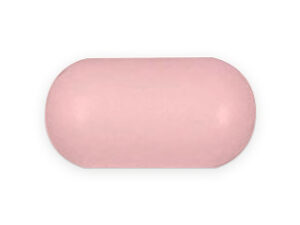
- Tablets: Often taken once daily or split doses depending on the dose and side effects.
- Liquid: Helpful for people who need flexible dosing or have difficulty swallowing tablets.
How amitriptyline works (mechanism of action)
Amitriptyline affects brain chemical signalling, mainly by altering the balance of neurotransmitters such as:
- Serotonin (5-HT)
- Noradrenaline (norepinephrine)
- Additional actions on histamine (H1), acetylcholine receptors, and other pathways
In pain and migraine-related conditions, amitriptyline can reduce “pain amplification” in the nervous system. In depression, it helps improve mood by modulating neurotransmitter activity.
Sedating effects (via histamine pathways) are also why it may be used in conditions where improving sleep and reducing night-time symptoms is beneficial.
Pharmacokinetics: what the body does with amitriptyline
Pharmacokinetics describes how the medicine is absorbed, distributed, metabolised, and eliminated.
| Stage | What to expect |
|---|---|
| Absorption | Amitriptyline is absorbed from the gastrointestinal tract. Uptake can vary between individuals. |
| Onset of effects | Sedation or sleep improvements may occur sooner (often within days). Mood and pain benefits commonly take longer, typically weeks. |
| Metabolism | The liver metabolises amitriptyline. It is converted to active metabolites, including nortriptyline. |
| Half-life (elimination) | Amitriptyline has a relatively long half-life, meaning effects and side effects may persist and doses are typically adjusted gradually. |
| Excretion | Metabolites are eliminated mainly via the kidneys (urine). |
Typical uses in Australia
Amitriptyline may be used for more than one condition. Common indications include:
- Depression (particularly when accompanied by sleep disturbance)
- Chronic pain conditions such as neuropathic pain
- Headache and migraine prevention (often for people with frequent or persistent episodes)
- Fibromyalgia (symptom control, especially sleep and pain)
- Functional abdominal pain or other long-term pain syndromes (where clinically appropriate)
- Other nerve-related pain diagnoses as determined by your clinician
Note: The specific indication and dose regimen can differ by the condition being treated. Amitriptyline doses used for pain and migraine prevention are often lower than doses used for depression.
Indications: when amitriptyline may be considered
In clinical practice in Australia, amitriptyline may be considered when the goal is to:
- Reduce persistent nerve-related pain, including burning, shooting, or tingling pain
- Help prevent migraine or tension-type headaches in selected patients
- Improve sleep and reduce pain-related night-time symptoms
- Treat depression where a sedating antidepressant may be beneficial
Your clinician will weigh the benefits against potential risks, especially if you have a history of heart rhythm problems, severe side effects with TCAs, or significant interactions with other medicines.
How to take amitriptyline: dosing and timing
The “right” dose for amitriptyline depends on the condition, your age, other medical problems, and how sensitive you are to side effects. Dose changes are usually gradual.
Starting dose (general approach)
- Many patients start with a low dose to reduce early side effects (like drowsiness and dry mouth).
- Dose may be increased slowly over days to weeks depending on response and tolerability.
Typical timing
- Because amitriptyline can be sedating, it is often taken at night (or in the evening) to support sleep and minimise daytime drowsiness.
- Some people may be advised to split the dose morning and night if daytime symptoms occur or if sedation is too strong.
- If you experience significant morning grogginess, discuss timing with your healthcare professional rather than stopping suddenly.
How long until you notice benefit?
- Sleep and sedation: can improve within days.
- Pain and migraine prevention: often requires several weeks to gauge full effect.
- Depression symptoms: may also take several weeks.
Do not stop suddenly
Stopping amitriptyline abruptly can cause uncomfortable symptoms (for example nausea, headache, dizziness, or mood changes). If you need to stop, your clinician may reduce the dose gradually.
Food interactions
Amitriptyline can generally be taken with or without food. However, certain practical considerations apply:
- Taking with food may reduce nausea for some people.
- Avoid heavy meals right before bedtime if you feel drowsy or nauseated.
- Be consistent with how you take it (with or without food) to help maintain stable effects.
Alcohol and medicine interactions
Alcohol
It is strongly recommended to avoid or minimise alcohol while taking amitriptyline. Alcohol can:
- Increase drowsiness and impair reaction time
- Worsen sleep disruption despite early sedation
- Increase risk of falls and accidents
- Increase strain on the liver
Other medicines that may interact
Interactions depend on your current medicine list. It’s important to review all medicines with your pharmacist or prescriber, including “over-the-counter” products and supplements.
Common interaction themes include:
- Other medicines that cause drowsiness (e.g., sedating antihistamines, some cough medicines, sleep aids, opioids): may intensify sedation.
- Medicines that affect heart rhythm (QT prolongation or rhythm issues): TCAs may raise risk in susceptible individuals.
- Medicines that affect liver enzymes (CYP450 interactions): can raise or lower amitriptyline levels.
- Serotonin-related medicines (some antidepressants, migraine medicines like triptans, or other serotonergic agents): can increase risk of serotonin-related adverse effects.
- Anticholinergic medicines (some bladder, bowel, or motion sickness medicines): may add to dry mouth, constipation, and blurred vision.
Examples of medicines that may be relevant (not an exhaustive list) include:
- Other antidepressants, especially certain SSRIs/SNRIs or MAO-related medicines
- Some antipsychotics or antiarrhythmics
- Some antihistamines (particularly sedating ones)
- Some migraine preventers or acute migraine medicines
- Medicines for nausea/motion sickness that have anticholinergic effects
- St John’s wort (a supplement that can affect metabolism)
Your pharmacist can help you check interactions quickly if you provide the names and doses of all your medicines.
Safety profile: side effects and who needs extra caution
Common side effects
Many side effects are dose-related and may improve as your body adapts. Commonly reported effects include:
- Drowsiness or fatigue
- Dry mouth
- Constipation
- Dizziness, particularly when standing up
- Blurred vision
- Increased appetite and weight gain (in some people)
- Sweating or changes in temperature tolerance
- Sexual side effects (for some people, particularly at higher doses)
Less common but important warnings
Contact a healthcare professional promptly or seek urgent help if you experience:
- Irregular heartbeat, fainting, severe palpitations, or chest pain
- Severe dizziness or confusion
- Allergic reactions (swelling, rash, difficulty breathing)
- Severe constipation with significant abdominal pain or inability to pass stool
- Symptoms of serotonin excess (agitation, fever, sweating, tremor, diarrhoea) especially if other serotonergic medicines are used
- Worsening mood or unusual behaviour changes
Who should use caution?
Extra caution may be needed if you have:
- Heart disease or known rhythm problems
- Low blood pressure or a history of fainting
- Glaucoma or other eye conditions
- Urinary retention or prostate enlargement symptoms
- Constipation-prone bowel conditions
- Liver impairment (dose adjustments may be required)
- Age-related vulnerability (older adults may be more sensitive to sedation and falls)
Practical use tips for everyday life
- Start low and go slow: your clinician may increase the dose gradually to improve tolerability.
- Assess driving and machinery use: if you feel drowsy, avoid driving or using hazardous machinery until you know how amitriptyline affects you.
- Manage dry mouth: sip water, use sugar-free lozenges, and maintain good oral hygiene.
- Prevent constipation: increase fluids and dietary fibre where appropriate; ask a pharmacist about suitable stool softeners if needed.
- Rise slowly: to reduce dizziness from low blood pressure.
- Keep a simple symptom diary: note sleep quality, pain intensity, headache frequency, and any side effects (timing helps identify patterns).
- Don’t mix with alcohol: unless your clinician specifically advises otherwise.
- Bring your medicine list: including over-the-counter products, supplements, and herbal remedies.
Missed dose guidance
If you miss a dose, take it when you remember unless it is close to the time of your next dose. Do not take a double dose to make up for a missed dose.
If you’re unsure, contact your pharmacist for advice based on your schedule and dose.
Alternative options
Depending on why you are taking amitriptyline (depression, neuropathic pain, migraine prevention, sleep-related symptoms, etc.), other options may be considered. Alternatives can include medicines from different classes and non-medicine strategies.
Medication alternatives (examples)
- Nortriptyline (another TCA, sometimes better tolerated)
- Duloxetine (commonly used for some chronic pain and depression)
- Venlafaxine (for depression and sometimes pain-related symptoms)
- Gabapentin or pregabalin (commonly used for neuropathic pain)
- Other migraine preventers such as beta-blockers, topiramate, or CGRP-related medicines (where appropriate)
- Non-drug approaches such as physiotherapy, cognitive behavioural therapy (CBT), sleep hygiene, stress management, and exercise programmes
The best alternative depends on your symptoms, comorbidities, prior response, and side effect tolerability. Your pharmacist or doctor can discuss suitability.
Market and legal context in Australia
Amitriptyline is used across Australia for a range of conditions. In the Australian medicines system, access depends on the product format and strength.
Online pharmacy supply is regulated to ensure medicines are sourced lawfully and provided safely. Where a medicine is not suitable for general supply online, participating pharmacies may require:
- verification of eligibility and suitability
- medication history checks
- appropriate consultation with a pharmacist
Always check product details at checkout (including whether the item is available for online purchase in your state/territory) and ensure it matches your prescribed plan.
Recent guidance and monitoring (what patients should know)
Ongoing safety reviews and clinical guidelines continue to emphasise:
- Careful dose titration to minimise adverse effects.
- Monitoring in people at higher risk of falls, sedation, or heart rhythm issues.
- Attention to interactions with other medicines (especially those affecting heart rhythm or serotonin pathways).
- Awareness of mood changes and behavioural changes, particularly when starting antidepressant-type medicines.
Your pharmacist can provide up-to-date information about product-specific warnings and help you identify new interaction concerns based on your current medication list.
Delivery and availability
Availability of amitriptyline can vary depending on formulation (tablet vs liquid), strength, and brand. Many pharmacies in Australia keep commonly used strengths in stock, while others may order in based on demand.
- Dispatch times: often depend on stock status and local delivery routes.
- Packaging: medicines are typically supplied in manufacturer packaging where possible.
- Storage: store at room temperature in a dry place away from direct sunlight, keeping out of reach of children.
When ordering online, ensure you select the correct strength and form (tablet or liquid) as listed on the product page.
Frequently Asked Questions (FAQ)
Is amitriptyline only used for depression?
No. While amitriptyline is a tricyclic antidepressant, it is also commonly used for chronic nerve-related pain, migraine prevention, and other persistent symptom conditions where it can reduce pain signalling and improve sleep.
When should I take it for best results?
Many people take it in the evening or at night because it can be sedating. If you experience daytime drowsiness, your clinician or pharmacist may adjust the timing or dose. Follow your label instructions.
How long does amitriptyline take to work?
Some effects (like drowsiness or sleep improvement) may appear within days. For pain, migraine prevention, and depression, it often takes several weeks to see meaningful benefit.
Can I take it with food?
Yes. Amitriptyline can generally be taken with or without food. If you feel nauseated, taking it with food may help.
Can I drink alcohol while taking amitriptyline?
It’s best to avoid or minimise alcohol. Alcohol can worsen drowsiness and increase the chance of accidents. Ask your pharmacist for personal advice if you plan to drink.
What are the most common side effects?
Common side effects include dry mouth, constipation, drowsiness, dizziness (especially when standing), and blurred vision. These may improve as your body adjusts.
What should I do if I feel too sleepy?
Don’t stop suddenly. Discuss the issue with your pharmacist or prescriber. They may adjust the dose or timing, or suggest practical steps like taking it earlier in the evening.
Are there any medicines I should avoid?
Amitriptyline can interact with several medicines, particularly those that cause drowsiness, affect heart rhythm, or increase serotonin-related effects. Tell your pharmacist about all medicines and supplements you use so they can check for interactions.
Is it safe for older adults?
Older adults may be more sensitive to sedation, dizziness, and falls. Dosing may need adjustment and monitoring may be recommended. Your pharmacist can help assess suitability and precautions.
What if I miss a dose?
Take it when you remember unless it is close to the next dose. Don’t take a double dose. If unsure, ask your pharmacist.
Can I stop amitriptyline suddenly?
It is usually not recommended to stop suddenly. Gradual dose reduction is often needed to minimise withdrawal-like symptoms and rebound effects. Speak with your prescriber for a safe taper plan.
Safety note
This information is general and may not cover all individual circumstances. If you are pregnant or breastfeeding, have a medical condition affecting your heart, liver, or bowel habits, or take multiple medicines, speak with a healthcare professional to ensure amitriptyline is suitable for you.