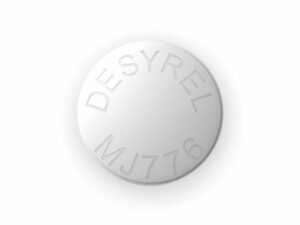



Quetiapine (Australia) – Patient-Friendly Medicine Information
Quetiapine is a well-established medicine used to treat several mental health conditions. It belongs to a group of medicines called antipsychotics. Depending on your condition, your dose and the way you take it may differ. This guide explains how quetiapine works, how it behaves in the body, and practical tips for safe use—tailored to general information commonly relevant in Australia.
Important: Always follow the instructions given to you by your healthcare professional. If you have questions about your specific situation, talk to a clinician or pharmacist.
Quick Overview
| Feature | Information |
|---|---|
| Generic name | Quetiapine |
| Medicinal class | Atypical antipsychotic (antipsychotic) |
| Common forms | Immediate-release tablets and extended-release (XR) tablets (brand and availability vary) |
| Typical effects | Helps reduce symptoms of psychosis and mood instability; can improve agitation, sleep disturbance related to certain conditions |
| How it’s usually taken | Often once or twice daily depending on formulation; XR is commonly taken once daily |
| Key safety considerations | Drowsiness, dizziness, blood pressure changes, metabolic effects (weight, sugar, lipids), and interactions with other medicines |
What Is Quetiapine?
Quetiapine is a medicine used for conditions such as schizophrenia, bipolar disorder (including bipolar depression and mania), and sometimes other related mood or behavioural symptoms as advised by clinicians. It may also be used to help manage agitation or symptoms associated with certain psychiatric conditions.
Quetiapine comes in different formulations, and your dose schedule and onset of effect can vary. Some people experience drowsiness early in treatment, while mood-related benefits may take longer.
How Quetiapine Works (Mechanism of Action)
Quetiapine works mainly by affecting several chemical messengers in the brain, particularly serotonin and dopamine pathways.
- Dopamine receptor effects: Quetiapine helps stabilise dopamine signalling, which is important for symptoms like hallucinations or delusions.
- Serotonin receptor effects: It influences serotonin receptors, contributing to mood and anxiety-related symptom improvement in some people.
- Other receptor actions: Quetiapine can also affect histamine and alpha-1 receptors, which may explain sleepiness and lower blood pressure in some individuals.
Because it interacts with multiple pathways, quetiapine may help both psychotic symptoms and mood symptoms in appropriate patients.
Pharmacokinetics (How the Body Handles Quetiapine)
Pharmacokinetics describes what the body does to the medicine—how it is absorbed, distributed, metabolised, and eliminated. Understanding this can help explain dosing timing and interaction risks.
Absorption
Quetiapine is absorbed after oral dosing. The extent and speed of absorption can vary with formulation (immediate-release vs extended-release) and whether you take it with food.
Distribution
Quetiapine distributes widely into tissues and can cross into the brain where it acts on neurotransmitter receptors.
Metabolism
Quetiapine is mainly metabolised in the liver by CYP enzymes (commonly CYP3A4). This is why some medicines that inhibit or induce CYP3A4 can significantly change quetiapine levels.
Elimination
Quetiapine and its metabolites are cleared primarily through the liver and eliminated via the body’s normal processes (metabolites are excreted mainly through urine and faeces).
Why this matters: Liver function, age, smoking status, and interacting medicines can all influence quetiapine levels and side effects.
Typical Uses in Practice
Quetiapine may be used for several approved and clinically established indications, depending on the product and local regulatory guidance. Common uses include:
- Schizophrenia: to reduce psychotic symptoms such as hallucinations, delusions, and disorganised thinking.
- Bipolar disorder:
- Bipolar depression: to treat depressive episodes associated with bipolar disorder.
- Mania and mixed episodes: to reduce symptoms like elevated mood, irritability, and energy.
- Maintenance of bipolar symptoms: in some people to help prevent relapse as part of a broader treatment plan.
Your prescriber may choose an immediate-release or extended-release product depending on the condition, tolerability, and convenience.
How to Take Quetiapine: Timing & Routine
Follow your clinician’s instructions and the product label. In general:
- Immediate-release: often taken once or twice daily, sometimes with titration (gradual dose increases) at the beginning to reduce side effects.
- Extended-release (XR): commonly taken once daily, usually at a consistent time each day.
Best time to take it: Many people take quetiapine in the evening because it can cause drowsiness, especially during the first days or weeks. However, for some dosing plans, it may be split through the day. If you feel unusually sleepy, discuss timing adjustments with your pharmacist or clinician.
Do not stop suddenly
Stopping abruptly can cause symptoms to return and may worsen withdrawal-like effects in some people. If discontinuation is needed, it should usually be done gradually under medical guidance.
Food Interactions (What to Know About Meals)
Food can affect the way quetiapine is absorbed, particularly for extended-release formulations. As a general patient-friendly approach:
- If you are using an extended-release product, follow the instructions on your specific brand (some regimens have clearer recommendations about taking with or without food).
- To reduce variability, try to take your dose at the same time relative to meals each day.
If you are switching products (for example, from immediate-release to XR), ask your pharmacist about any timing or meal differences.
Alcohol Interactions
Combining quetiapine with alcohol may increase side effects such as:
- Drowsiness and sedation
- Dizziness and impaired coordination
- Slower reaction time, affecting driving or machinery use
- Reduced blood pressure symptoms (light-headedness)
For safety, it’s best to avoid alcohol or discuss how much (if any) is safe with your healthcare professional—especially when starting treatment or adjusting dose.
Medicine Interactions (Important Safety Points)
Quetiapine can interact with other medicines because of liver metabolism and additive effects on sedation or blood pressure. Always tell your pharmacist or clinician about:
- Prescription medicines
- Over-the-counter medicines
- Herbal products and supplements
Common interaction themes
- Sedating medicines: Antihistamines that cause drowsiness, some sleep aids, opioids, and some anxiety medications may increase sleepiness and dizziness.
- Medicines affecting CYP3A4: Some antibiotics/antifungals and HIV medicines can raise quetiapine levels, increasing risk of side effects.
- Medicines that induce metabolism: Certain seizure medicines and herbal products (e.g., St John’s wort) may lower quetiapine levels, reducing effectiveness.
- Blood pressure–lowering medicines: Using multiple agents that lower blood pressure may increase risk of dizziness or fainting, particularly when standing up.
What to do
If you start, stop, or change any medicine, re-check with your pharmacist. Even common products can affect quetiapine safety.
Dosing: Typical Approaches (General Information)
Dose depends on the condition, your age, tolerability, and whether you are using immediate-release or extended-release quetiapine. A titration schedule is often used at the beginning to reduce side effects.
Patient-friendly dosing principles:
- Start low, go slow: Many people begin with a lower dose and increases over days or weeks.
- Consistent timing: Take it at the same time each day to maintain stable levels.
- Adherence matters: Missing doses can lead to symptom return or variability in side effects.
- Formulation matters: Do not switch between immediate-release and XR without guidance.
Typical dosing patterns (not a personal prescription):
- Immediate-release: often titrated with doses divided through the day depending on the indication.
- Extended-release (XR): usually taken once daily and titrated more gradually.
Because exact dosing varies widely by indication and product strength, always follow the exact dosing instructions on your medicine label and those provided by your clinician.
Safety Profile: Common and Serious Side Effects
Like all medicines, quetiapine can cause side effects. Many are mild and improve as your body adjusts, especially during the first weeks. Others require prompt medical attention.
Common side effects
- Drowsiness or fatigue
- Dizziness, especially when standing up
- Dry mouth
- Constipation
- Weight gain in some people
- Increased appetite
- Headache
Metabolic changes (weight, blood sugar, cholesterol)
Some people experience changes in metabolism, including:
- Weight gain
- Higher blood sugar (risk of diabetes in susceptible individuals)
- Higher blood fats (lipids)
Regular monitoring (weight, blood glucose, and lipids) may be recommended by your healthcare professional.
Cardiovascular effects and orthostatic hypotension
Quetiapine can lower blood pressure, especially during dose changes. Get medical advice if you experience:
- Fainting
- Severe dizziness
- Chest pain or palpitations
Blood and neurological concerns (seek prompt help if severe)
Contact urgent medical care if you develop:
- High fever, severe confusion, muscle stiffness (rare but serious)
- Uncontrolled movements or severe worsening of tremor
- Signs of allergic reaction (swelling, rash, breathing difficulties)
- Severe drowsiness or difficulty staying awake
Suicidality risk and mood changes
In people with mood disorders, monitor mood closely—especially during early treatment or dose changes. If you or someone close to you notices worsening depression, unusual behaviour, or thoughts of self-harm, seek immediate medical attention.
Note: This information is general. Your clinician may explain additional risks specific to you.
Practical Use Tips (Day-to-Day Guidance)
1) Manage sleepiness safely
- Avoid driving or operating machinery until you know how quetiapine affects you.
- Plan tasks for times when you feel most alert.
- If you feel drowsy after dose changes, inform your clinician—your schedule or dose may need adjustment.
2) Reduce dizziness when getting up
- Stand up slowly from sitting or lying positions.
- Stay hydrated unless you’ve been told to limit fluids.
- If you frequently feel faint, speak to your pharmacist or clinician promptly.
3) Support metabolic health
- Maintain a balanced diet and regular physical activity where possible.
- Monitor weight and discuss concerns early—small changes can help prevent larger problems.
- Keep appointments for recommended blood tests.
4) Keep a medicine routine
- Use a daily reminder (phone alarm or pill organiser).
- If you miss a dose, take it when you remember unless it’s close to the next dose—then skip and continue your usual schedule. Do not double up.
- When switching formulations, ask for written instructions on timing.
5) Avoid abrupt changes
- Do not stop or change dose without professional advice.
- If you experience side effects, talk to your clinician rather than stopping abruptly.
Alternative Options (Discuss With Your Clinician)
If quetiapine isn’t suitable or isn’t fully effective, clinicians may consider alternatives depending on your diagnosis. Options may include other atypical antipsychotics or mood stabilisers.
- For schizophrenia or psychosis: other antipsychotics may be considered.
- For bipolar disorder: mood stabilisers and other medications targeting depressive or manic episodes may be options.
- For sleep disturbance associated with psychiatric conditions: the underlying condition is usually treated, and clinicians may review whether quetiapine is the best fit.
Note: Alternatives vary in side effect profiles, dosing schedules, and monitoring needs. Your clinician can recommend the most appropriate option for your health history.
Australia Market & Legal/Regulatory Context (General)
In Australia, access to prescription medicines is regulated under the relevant health and medicines frameworks. Quetiapine is typically available only under regulated conditions through approved channels.
In general terms, Australia’s medicine supply system emphasises:
- Quality and safety standards for supply
- Correct identification of medicines and strengths
- Counselling support for medicines where safe use depends on correct administration and monitoring
Online pharmacies serving Australia generally operate under strict compliance requirements. Availability, brands, pack sizes, and formulation types (immediate-release vs XR) may vary.
Recent Guidance & Monitoring (What Clinicians Commonly Review)
Recent clinical practice typically focuses on monitoring benefits and risks over time. Common areas of review include:
- Symptom response (psychosis and/or mood symptoms) and functional improvement
- Side effect tolerance (sleepiness, dizziness, weight changes)
- Metabolic monitoring (weight, blood sugar, lipids)
- Cardiovascular checks when appropriate (blood pressure, heart rhythm concerns in susceptible patients)
- Medication reconciliation to avoid interactions (particularly with sedatives and CYP3A4-related medicines)
- Regular reassessment of whether continued treatment at the current dose is appropriate
Your healthcare professional may also discuss lifestyle supports and adherence strategies.
Delivery, Availability & Ordering Online (Australia)
Availability of quetiapine can vary by:
- Strengths (mg)
- Formulation (immediate-release vs extended-release)
- Brand/manufacturer
- Pack size
When ordering from an online pharmacy in Australia, delivery options may include standard or express shipping depending on location. Processing times can vary, particularly for prescription medicines and certain stock situations.
Helpful tips before ordering:
- Check that the product matches your required formulation and strength.
- Review dosing instructions on the label for timing (especially for XR products).
- Allow time for packaging and dispatch if you need it urgently.
If you’re unsure whether you’re selecting the correct quetiapine type, contact the pharmacy support team before purchase.
FAQ – Frequently Asked Questions About Quetiapine
1) How long does quetiapine take to work?
Some effects, such as sedation or improved sleep, may occur within the first days for some people. Mood or psychotic symptom improvements may take longer—often several weeks. Response varies by condition, dose, and individual factors.
2) Why do people feel sleepy or dizzy at the start?
Quetiapine can affect receptors involved in alertness and blood pressure regulation. Starting low and gradual dose increases help reduce these early side effects.
3) Can I take quetiapine with food?
Food can influence absorption, particularly for certain formulations. Follow the specific instructions for your product, and try to keep timing consistent relative to meals.
4) Is it safe to drink alcohol while taking quetiapine?
Alcohol can increase sedation and dizziness. For safety, it’s generally best to avoid alcohol or seek advice from your healthcare professional—especially during dose changes or when you feel drowsy.
5) What should I do if I miss a dose?
Check your medication instructions or pharmacist advice. In general, if you remember later, take it when you notice unless it’s close to the next scheduled dose—then skip and continue. Do not double up.
6) Will quetiapine cause weight gain?
Weight gain can occur in some people. Not everyone experiences the same change, and lifestyle measures plus regular monitoring can help. Discuss weight concerns early.
7) Are there medicines I should avoid with quetiapine?
Many sedating medicines and some drugs that affect liver enzymes (especially CYP3A4-related medicines) can interact. Provide your full medicine list to your pharmacist for a tailored interaction check.
8) Can I stop quetiapine suddenly?
Stopping suddenly is usually not recommended. If you need to stop, your clinician will generally advise a gradual reduction plan to reduce risk of symptom return and withdrawal-like effects.
9) Does smoking affect quetiapine?
Smoking can influence certain liver enzyme activity. If you smoke, inform your clinician and pharmacist so they can consider whether any dose changes or monitoring are appropriate.
10) What monitoring might be needed?
Monitoring commonly includes weight and metabolic markers (blood glucose and lipids). Your clinician may also monitor blood pressure and discuss side effects regularly.
When to Seek Urgent Help
Seek urgent medical attention if you experience:
- Fainting or severe dizziness
- Severe allergic symptoms (swelling, trouble breathing)
- High fever with severe confusion or muscle stiffness
- Chest pain, severe palpitations, or collapse
- Sudden severe worsening of mood with thoughts of self-harm
Summary
Quetiapine is an atypical antipsychotic used for conditions such as schizophrenia and bipolar disorder. It works by influencing multiple neurotransmitter systems, and its metabolism largely depends on liver pathways that can be affected by other medicines. Many patients start with gradual dose changes to improve tolerability, and side effects such as drowsiness, dizziness, and metabolic changes are key considerations.
If you’d like, share your formulation type (immediate-release or XR) and your main question (e.g., timing, missed dose, interactions), and you can be guided on the safest next steps to ask your pharmacist.