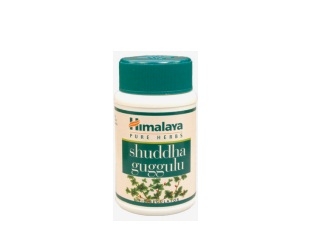

Shuddha Guggulu (Suddha Guggul) – Patient-Friendly Product Guide (Australia)
Shuddha guggulu is a traditional herbal resin preparation made from the Commiphora mukul plant. In traditional Ayurvedic practice, it has been widely used to support metabolic health and healthy inflammatory response. Today, many people in Australia seek Shuddha guggulu as a natural option to complement lifestyle measures such as healthy eating and regular physical activity.
This guide is written to help you understand what Shuddha guggulu is, what it is commonly used for, how it may work, how to take it safely, and what to consider regarding interactions, timing, and Australian availability. Always follow the directions on your product label and consult a qualified healthcare professional if you have questions—especially if you are pregnant, breastfeeding, have a medical condition, or take regular medicines.
Basic Product Information
- Product name: Shuddha guggulu (Shuddha Guggul / Suddha Guggul)
- Common source: Commiphora mukul resin (guggul)
- Traditional use: Supports metabolic balance and healthy inflammatory response
- Common forms: Capsules/tablets, powders, or extracts (varies by brand)
- Typical strength: Depends on the manufacturer; follow label directions
- Suitable for: Adults seeking traditional support (product-specific guidance applies)
Important note about standardisation: Different brands may use different extraction processes and concentrations. Look for products that state the standardised content (e.g., standardized guggulsterones) and provide clear dosing instructions.
How Shuddha Guggulu May Work (Mechanism of Action)
“Guggulu” is known in research literature for compounds such as guggulsterones, which are believed to influence pathways involved in lipid metabolism and inflammation. While herbal preparations can differ in composition, the following mechanisms are commonly discussed:
- Lipid metabolism support: Shuddha guggulu may interact with receptors involved in cholesterol handling, which can contribute to healthier lipid profiles in some people.
- Anti-inflammatory activity: It may support the body’s natural inflammatory balance by affecting inflammatory signalling pathways.
- Antioxidant effects: Some constituents may help reduce oxidative stress, which is associated with metabolic and vascular health.
- Metabolic balance: Traditional use often links guggulu preparations with healthy weight, digestion comfort, and energy metabolism.
What this means for you: Shuddha guggulu is typically used as a supportive supplement. It is not a replacement for medical care and does not “treat” disease by itself. The best results are usually seen when combined with proven lifestyle strategies, such as diet quality, consistent movement, and weight management when relevant.
Pharmacokinetics (What Happens in the Body)
Pharmacokinetics describes how a substance is absorbed, distributed, metabolised, and excreted. For herbal resins like guggulu, detailed PK data in humans are limited and may vary by formulation. However, here is a patient-friendly overview of what is generally understood:
- Absorption: Active resin constituents may be better absorbed with fat-containing meals, although this depends on the product’s formulation.
- Distribution: Once absorbed, guggulu constituents may distribute throughout body tissues and could interact with metabolic pathways in the liver.
- Metabolism: Many herbal compounds are metabolised in the liver by enzymatic systems (the exact enzymes depend on specific compounds and product standardisation).
- Excretion: Metabolites are typically cleared via the bile and/or kidneys, though exact pathways depend on the compound.
Practical takeaway: Because guggulu may be metabolised by the liver and can influence lipid-related pathways, it may interact with certain prescription and over-the-counter medicines. If you take other medicines, please review the interaction section below and consider professional advice.
Typical Use in Adults
Shuddha guggulu is most commonly used by adults for the following goals (as a complementary supplement):
- Supporting healthy lipid profiles (e.g., cholesterol and triglyceride balance)
- Promoting a healthy inflammatory response as part of overall metabolic and vascular health
- Supporting joint comfort and mobility in people who experience stiffness (product dependent; results vary)
- Traditional support for metabolic balance alongside diet, movement, and weight management
Note on expectations: Supplements usually work gradually. Many people reassess progress after several weeks, with lipid or comfort-related goals often requiring consistent use. Always monitor how you feel and stop if you experience adverse effects.
Indications (Commonly Used For)
In an online pharmacy context, “indications” means the typical reasons people choose this supplement—not a guarantee of outcomes for every individual. Shuddha guggulu is often chosen for:
- People aiming to support healthy cholesterol and triglyceride levels
- Those seeking metabolic and inflammatory balance as part of a wellness plan
- Individuals using complementary strategies for joint discomfort associated with daily activity (where appropriate)
If you have a diagnosed condition affecting cholesterol, inflammation, or joints, discuss options with a healthcare professional—particularly if you are already taking cholesterol-lowering or anti-inflammatory medicines.
How to Take Shuddha Guggulu (Dosing & Timing)
Dosing varies by product strength, form (capsule/tablet/powder), and standardisation. For safety and best effectiveness, follow the dosing instructions on your specific product label. The below guidance is general.
Typical adult dosing (general guidance)
- Common range: Often taken once or twice daily, depending on the brand’s standardised content.
- Starting approach: Many people start at the lower end of the labelled dose for several days to monitor tolerance.
- Maximum: Do not exceed the maximum daily dose specified by the manufacturer.
When to take it (timing)
- Consistency: Take at the same times each day.
- With food vs. on an empty stomach: Some preparations may be better tolerated with meals. If your product label recommends taking it with food, follow that. If it is taken without food, some people may experience mild digestive upset.
- Absorption support: Because resin constituents are often more lipophilic, taking with a meal (especially one that contains some healthy fats) may improve absorption—again, follow your product instructions.
How long to use
- Support goals: For metabolic and lipid-related goals, reassessment after 8–12 weeks is commonly used in wellness settings.
- Joint comfort: Some people notice changes within a few weeks; others may take longer.
- If no benefit: If you do not notice any positive change after a reasonable trial period (as advised on label), consider reviewing your plan with a professional.
Food Interactions (What to Consider)
Food can influence absorption and tolerance. While exact interactions depend on the formulation, consider the following:
- Take with meals if sensitive: If you experience stomach discomfort, try taking it with food.
- Hydration: Drink water with your dose—especially if you use capsules or tablets.
- High-fat meals: If your product is more likely to absorb with fats, it may be beneficial to take it with a meal that includes some dietary fat. However, if you are following specific dietary instructions, follow those first.
- Gastrointestinal conditions: If you have reflux, gastritis, gallbladder issues, or chronic digestive disorders, discuss use with a healthcare professional.
Tip: Avoid major changes to your diet right around the start date. A stable routine makes it easier to notice whether Shuddha guggulu suits you.
Alcohol and Medicine Interactions
Alcohol
Moderate alcohol consumption can increase liver workload. Because herbal constituents are metabolised—often by the liver—it's sensible to minimise alcohol while using Shuddha guggulu, especially if you are starting the supplement or have existing liver conditions.
- Best practice: Keep alcohol low or moderate.
- Stop and seek advice: If you notice unusual fatigue, dark urine, jaundice (yellow skin/eyes), or severe abdominal pain, seek medical help immediately.
Interactions with medicines (important)
Herbal supplements may affect how certain medicines work. This is especially relevant for medicines processed by the liver or those affecting lipid levels. Please speak to a healthcare professional if you take any of the following:
- Cholesterol-lowering medicines (e.g., statins, fibrates, bile acid sequestrants): additive effects may increase the risk of side effects.
- Blood-thinning medicines (e.g., warfarin): interaction risk may increase; monitoring may be needed.
- Diabetes medicines (e.g., insulin, sulfonylureas, metformin): supplements affecting metabolism may influence glucose control in some people.
- Anti-inflammatory or pain medicines: although guggulu is often used for inflammatory balance, combining with other anti-inflammatory therapies may affect tolerance.
- Immunomodulating medicines: herbal activity on immune/inflammatory pathways may be relevant.
- Liver-affecting medicines: combining multiple liver-stressors should be approached carefully.
Practical advice: Bring your medication list (including vitamins, herbal teas, and supplements) to a pharmacist or GP for a tailored interaction check.
Safety Profile & Side Effects
Shuddha guggulu is generally considered a traditional herbal supplement, but “natural” does not always mean “risk-free.” Side effects are possible, especially at higher doses or in sensitive individuals.
Commonly reported or possible side effects
- Digestive discomfort: nausea, mild stomach upset, or loose stools in some people
- Headache or dizziness: occasionally reported during the adjustment period
- Skin reactions: rare rashes or itchiness in sensitive individuals
- Changes in liver enzymes: uncommon, but liver-related caution is important for anyone with pre-existing liver issues or who uses other hepatically metabolised medicines
When to stop and seek help
Stop use and seek urgent medical advice if you experience:
- Signs of an allergic reaction (swelling of face/lips, difficulty breathing, hives)
- Jaundice, dark urine, severe right upper abdominal pain, or persistent vomiting
- Severe rash or blistering skin
- Unexplained bruising or bleeding (if you take blood thinners)
Who should use extra caution
- Pregnant or breastfeeding people: consult a qualified healthcare professional before use
- People with liver disease or persistently elevated liver enzymes
- People with gallbladder or bile flow disorders (because of how some herbal compounds may affect digestion/metabolism)
- Those taking multiple medicines with interaction potential (especially lipid-lowering agents)
- People with a history of allergic reactions to herbal products
Practical Use Tips (How to Get the Best Experience)
- Start low and go slow: If your label allows, begin with a smaller dose for 3–7 days to assess tolerance.
- Keep a simple journal: Record timing, dose, and any side effects. Also note diet and exercise changes.
- Don’t chase quick results: Many benefits (if they occur) develop over weeks.
- Choose reputable brands: Prefer products with standardisation, quality testing, and clear ingredient transparency.
- Stay consistent: Benefits are easier to assess when taking the product daily as directed.
- Monitor relevant markers: If you’re using it for lipid support, consider periodic blood tests with your doctor.
Alternative Options
If you’re considering Shuddha guggulu, you may also want to compare other evidence-informed options depending on your goal. Alternatives can include:
- Lipid support supplements: options such as omega-3 fatty acids (for triglycerides) or plant sterols/stanols (for cholesterol—brand-specific dosing applies).
- Anti-inflammatory support: curcumin (with appropriate absorption-enhancing formulations), or other well-studied botanicals.
- Joint comfort approaches: glucosamine/chondroitin (mixed evidence by outcome), hyaluronic acid, or collagen peptides—depending on individual needs.
- Lifestyle-first strategies: Mediterranean-style eating, soluble fibre, strength training, sleep optimisation, and stress reduction.
Choosing an alternative: Select based on your primary goal (lipids, inflammation, joint comfort), your health history, and whether you take other medicines. Ask a pharmacist for compatibility guidance.
Australia Market & Legal Context (What to Know)
In Australia, herbal supplements like Shuddha guggulu are typically supplied as complementary medicines. The regulatory framework aims to ensure product safety, labelling clarity, and quality standards. Requirements can include adherence to Good Manufacturing Practice (GMP), accurate ingredient disclosure, and appropriate claims.
For online shoppers, it is important to:
- Check the label: active ingredients, dosage, batch/expiry date, and directions for use.
- Verify product listings: buy from reputable distributors/retailers that provide clear documentation.
- Be cautious with disease claims: supplement products generally should not promise to “treat” or “cure” conditions.
Recent guidance and best practice: Australian consumers are encouraged to rely on trustworthy brands, avoid unrealistic health promises, and seek medical advice when combining supplements with prescription medicines. Pharmacists can help identify interaction risks and assist with safe use.
Delivery, Availability & Ordering in Australia
Product availability can vary by brand and supply schedules. When ordering online in Australia:
- Check stock status: some brands restock seasonally.
- Confirm delivery estimate: your order page should show expected dispatch and delivery times.
- Temperature handling: most guggulu capsules/tablets are stable at normal conditions; store as directed.
- Packaging: sealed containers help ensure product integrity.
Storage tips: Keep the product in a cool, dry place away from direct sunlight, and keep the lid tightly closed. Always store away from children.
FAQ (Frequently Asked Questions)
1) What is Shuddha guggulu?
Shuddha guggulu is a traditional preparation made from guggul resin (from Commiphora mukul) that has been used in Ayurveda for metabolic balance and healthy inflammatory response. It is commonly sold in capsule or tablet forms as a dietary supplement.
2) How long does it take to work?
People seeking lipid or comfort-related support typically assess results after several weeks. A common approach is to review after 8–12 weeks, depending on your goal and the product label. If you see no benefit after a reasonable trial, consider discussing options with a pharmacist or GP.
3) Should I take it with food?
Many users take supplements with meals to improve tolerance. For Shuddha guggulu, the best choice is whatever your specific brand’s label recommends. If you get mild stomach upset, taking it with food may help.
4) Can I take Shuddha guggulu with cholesterol-lowering medicines?
You should be cautious. Combining guggulu with lipid-lowering medicines may increase the risk of side effects. Speak with a pharmacist or healthcare professional to check interactions and whether monitoring is needed.
5) Does it interact with blood thinners?
Herbal supplements can potentially interact with anticoagulant medicines. If you take blood thinners (for example warfarin), seek professional advice before use. Monitoring (such as INR, where relevant) should follow your clinician’s recommendations.
6) Is it safe for everyone?
Not everyone is suitable for herbal supplements. Extra caution is advised for people with liver disease, gallbladder/bile flow disorders, pregnant or breastfeeding individuals, and anyone taking multiple medicines. If you have underlying health conditions, consult a healthcare professional.
7) What side effects should I watch for?
Possible side effects include mild digestive upset, headache, or skin reactions. Stop use and seek medical help if you develop symptoms of allergy or any signs of liver problems (such as jaundice).
8) Can I drink alcohol while taking it?
It’s best to minimise alcohol while using supplements that may be processed by the liver. If you choose to drink, do so moderately and stop and seek advice if you experience adverse symptoms.
9) Is Shuddha guggulu the same as other guggulu products?
“Shuddha” indicates a purified/traditional preparation, but formulas vary by brand and standardisation. Always check the label for the exact ingredients, dosage, and recommended directions.
10) What’s the best way to choose a quality product in Australia?
Look for:
- Clear ingredient listing and directions for use
- Standardisation claims (when provided)
- Batch/expiry date and quality assurance information
- Reputable supplier/distributor and transparent labelling
Summary
Shuddha guggulu is a traditional herbal resin preparation commonly used to support healthy metabolic function and inflammatory balance. While research suggests potential mechanisms related to lipid metabolism and inflammatory pathways, individual responses vary. For safe and effective use, follow your product label, consider timing with meals if needed, and be mindful of potential interactions—especially with medicines affecting lipids, blood clotting, or liver function.
If you are unsure whether Shuddha guggulu fits your health goals or medication routine, a pharmacist or doctor can help you make a safer, more informed choice.