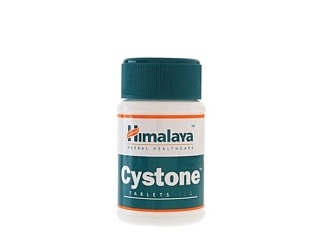

Cystone (Cystone) — Patient Information for Australia
Cystone is an oral medicine used in the management of urinary tract conditions, including recurring urinary symptoms related to kidney and bladder health. This page provides general, patient-friendly information to help you understand what Cystone is, how it works, how it is commonly used, and important safety considerations for people in Australia.
Note: Always follow the dosing instructions provided by your healthcare professional and read the product label carefully. If you have kidney disease, are pregnant or breastfeeding, or take other medicines, check with a healthcare professional before starting Cystone.
Basic product information
| Category | Details |
|---|---|
| Medicine name | Cystone |
| How it is taken | Oral tablet (follow the specific product pack directions) |
| Common uses | Helps with urinary tract symptoms related to urinary stone formation risk and supportive care for recurrent urinary issues (see “Typical use” and “Indications”) |
| Availability | May be available from online pharmacies; availability can vary by brand/strength and Australian regulations at the time of purchase |
| Key safety notes | Generally well tolerated; seek medical advice if symptoms worsen, you develop fever, or you have blood in urine |
What is Cystone?
Cystone is an oral medicine formulated for urinary tract support. It is commonly used as part of a broader plan to help reduce the risk of recurrent urinary issues—particularly those associated with stone formation and ongoing urinary discomfort.
Because brands and formulations can vary, it’s important to confirm the exact product strength and ingredients on your packaging. If you’re unsure which Cystone product you have, check the label or ask your pharmacist.
How Cystone works (mechanism of action)
Cystone is designed to support kidney and bladder function and influence factors involved in urinary stone development. While exact mechanisms can vary by formulation, medicines in this category are generally thought to:
- Help reduce stone-forming tendencies by supporting urinary chemistry.
- Support urinary flow and comfort, which may help reduce bothersome urinary symptoms.
- Assist with elimination of substances that may contribute to crystal or stone formation.
Some users notice symptom improvement over days, though complete benefit may take longer depending on the underlying cause of urinary symptoms.
Pharmacokinetics (what the body does to the medicine)
“Pharmacokinetics” describes how the body absorbs, distributes, metabolises, and eliminates a medicine. For many urinary-support products, detailed pharmacokinetic data can be limited in public sources because they may contain multiple active components.
In general, the following principles are useful:
- Absorption: The medicine is taken by mouth and is absorbed through the gastrointestinal tract.
- Distribution: Active components and/or metabolites may reach the urinary tract via the bloodstream and kidneys.
- Metabolism: Components may be metabolised in the liver and other tissues.
- Excretion: Many active components or their metabolites are eliminated via urine, supporting urinary tract effects.
Because clearance and urinary levels can vary between individuals, consistent daily dosing is typically recommended to maintain supportive effect.
Typical use in Australia
Cystone is commonly used for:
- Support for individuals with a history of urinary stones or risk of recurrence.
- Supportive care in managing recurring urinary discomfort that has been assessed as non-emergency or linked to crystal/stone tendencies.
- Complementary treatment alongside lifestyle measures such as hydration (when clinically appropriate).
Important: Cystone is not a substitute for urgent medical evaluation. If you have severe pain, fever, or signs of infection, seek prompt medical care.
Indications (when Cystone may be used)
Indications can vary depending on the exact product and local regulatory status. In general, Cystone may be used for:
- Supportive management of urinary tract conditions associated with stone/crystal formation risk.
- Recurrent urinary issues where your clinician has assessed that stone tendencies may be a contributing factor.
- Management of mild urinary symptoms related to urinary chemistry imbalance, as part of a broader plan.
If your symptoms suggest a urinary tract infection (UTI)—for example, burning with urination, frequent urination, urgency, and especially fever—contact a healthcare professional promptly. UTIs often require specific assessment and treatment.
Dosing and timing
Always confirm your dosing from the product label or your healthcare professional. The following is general guidance and may differ from your specific pack instructions.
Typical adult dosing
- Common practice: Taken by mouth in divided doses during the day.
- Timing: Many people take it after meals to improve tolerability.
- Consistency: Try to take doses at similar times each day.
If you miss a dose
- Take it as soon as you remember if it’s close to the next dose.
- If it’s nearly time for the next dose, skip the missed dose.
- Do not take a double dose to make up for a missed one.
How long should you take it?
Benefit may be gradual. Many urinary-support regimens are used for a course of days to weeks, depending on symptoms and risk factors. Your clinician can advise an appropriate duration for your situation.
Food interactions
Most urinary-support medicines are taken with or shortly after food. This may help reduce stomach upset and improve consistency.
- With meals: Commonly taken after food (or with meals) to support tolerability.
- Empty stomach: If your label allows it and you tolerate it, you may take it as directed; however, some people find it more comfortable after eating.
- Hydration matters: Drinking adequate water can support urinary tract health and help reduce concentration of stone-forming substances.
Check your specific pack: Ingredients and instructions differ between products. Always follow the label for your exact Cystone.
Alcohol interactions
There is no universal rule that alcohol must be avoided with Cystone, but alcohol can affect hydration and urinary symptoms, and may worsen discomfort in some people.
- Hydration risk: Alcohol can lead to dehydration, which may concentrate urine and potentially worsen stone risk.
- Symptom changes: Some people find urinary burning or frequency worsens after alcohol.
Practical advice: If you choose to drink alcohol, keep fluid intake up and monitor for worsening urinary symptoms. If you have recurrent stones or have been advised to maintain strict hydration, consider limiting alcohol.
Medicine interactions
Interactions depend on your health status and other medicines. Because Cystone’s composition can differ by product, it’s important to check all ingredients on the pack.
In general, consider discussing with a pharmacist if you take:
- Diuretics (“water tablets”)
- Medicines that affect kidney function
- Urinary alkalinisers or acidifiers (if applicable to your condition)
- Other supplements that may influence urine chemistry (e.g., high-dose vitamin C in some contexts)
If you take multiple medicines, take Cystone at the times directed to help maintain consistent dosing. Don’t stop prescribed medicines without medical advice.
Safety profile and precautions
Cystone is generally considered well tolerated when used as directed. However, like all medicines, it can cause side effects in some people.
Common side effects
- Mild gastrointestinal discomfort (e.g., nausea, stomach upset)
- Occasional changes in bowel habits
Serious side effects (seek urgent advice)
Contact urgent medical care or seek advice promptly if you develop:
- Fever or chills
- Severe flank/back pain
- Blood in urine
- Persistent vomiting or inability to keep fluids down
- Allergic reaction symptoms such as swelling of the face/lips, rash, or difficulty breathing
Who should take extra care?
- Kidney disease or reduced kidney function—seek medical advice before use.
- Pregnancy or breastfeeding—consult a healthcare professional.
- Children—use only if directed for paediatric use and per product labelling.
- People with recurrent UTIs or complex stone history—ensure symptoms are medically assessed.
When to stop and get advice: If your symptoms worsen, if you develop new fever or severe pain, or if there is no improvement after a reasonable trial, stop and seek clinical advice.
Practical use tips (to get the best results)
- Take it consistently: Use the same timing each day. If your label says “after food,” follow that guidance.
- Hydrate well: Adequate water supports urinary health and helps reduce urine concentration.
- Track symptoms: Note changes in urinary frequency, burning, pain, and any blood in urine.
- Don’t delay care: If you think you have a UTI or kidney stone with severe pain, seek timely assessment.
- Avoid trigger behaviours: Reduce factors that can worsen urinary symptoms, such as dehydration or prolonged urine holding.
- Maintain a urinary-friendly routine: Regular bathroom breaks and good hygiene can help.
Alternative options
Depending on the underlying cause of urinary symptoms, alternatives may include:
- Prescription or pharmacist-led UTI treatment (if infection is diagnosed)
- Hydration and lifestyle strategies (increasing fluid intake, urine dilution)
- Urine pH management strategies in specific stone types (clinician-guided)
- Stone-prevention measures such as dietary changes (e.g., moderating salt, ensuring adequate—not excessive—calcium intake) where appropriate
- Other urinary support products (different formulations), where suitable and available
If you have had kidney stones, ask your clinician about the stone type (e.g., calcium oxalate) because prevention advice can differ.
Market and legal context for Australia
In Australia, the availability of medicines is regulated by the Therapeutic Goods Administration (TGA) and governed by legislation and state/territory requirements. Products may be registered medicines, listed medicines, or complementary products depending on their classification and evidence base.
What this means for shoppers:
- Product status can vary: Some urinary-support medicines are supplied under different regulatory categories, and their indications may be limited.
- Labelling and ingredients matter: Always rely on the specific Cystone product label you receive.
- Supply may change: Availability may depend on batch release, supplier schedules, and regulatory requirements.
Your online pharmacy listing should include the correct form and pack details for the specific product you purchase. If details are unclear, ask before ordering.
Recent guidance and clinical considerations
Australia-wide, healthcare guidance consistently emphasises:
- Early assessment when urinary symptoms may indicate infection or kidney involvement.
- Not delaying care when there are red flags such as fever, severe pain, or inability to urinate.
- Using evidence-based approaches for recurrent stones (often combining hydration, diet, and targeted prevention based on stone type).
While urinary-support medicines may help with symptom relief or supportive management, they should not replace clinician assessment when symptoms are severe, persistent, or associated with complications.
Delivery and availability (Australia)
Online pharmacies in Australia typically offer home delivery across metro and regional areas, subject to standard shipping conditions and product eligibility.
- Stock availability: Products may be supplied from warehouse stock; limited stock can affect delivery timing.
- Dispatch times: Orders are usually dispatched quickly during business days, but exact timing varies by the supplier.
- Delivery estimates: Your order confirmation will typically show expected delivery days.
- Cold chain: Most oral medicines like Cystone do not require refrigeration unless stated on the pack.
Tip: If you need Cystone for ongoing support, consider ordering early—especially if you’re using it as part of a longer course.
FAQ — Cystone
1) What is Cystone used for?
Cystone is used as a urinary-support medicine. It is commonly used in supportive management for urinary conditions related to stone/crystal tendencies and for people with recurring urinary symptoms where stone risk has been considered.
2) How fast does Cystone work?
Some people notice symptom changes within a few days, but supportive benefits may take longer. If there’s no improvement or symptoms worsen, seek medical advice.
3) Should I drink more water while taking Cystone?
Yes—adequate hydration is generally recommended to support urinary health. Follow any specific hydration advice your clinician has given you, especially if you have heart failure or kidney disease.
4) Can I take Cystone with food?
Many users take it after meals for comfort. Follow the directions on your specific product label.
5) Is alcohol allowed?
Moderate alcohol may be possible for some people, but alcohol can worsen dehydration and urinary discomfort. If you notice symptoms worsen after drinking, reduce or avoid alcohol and increase fluids.
6) Can Cystone be taken with other medicines?
In many cases, yes, but interactions can depend on your other medicines and your health. Check with a pharmacist if you take diuretics, medicines affecting kidney function, or multiple urinary-related treatments.
7) What if I miss a dose?
Take it when you remember unless it’s close to the next dose. Don’t double up.
8) Are there any people who should not use Cystone?
Extra caution is needed for people with kidney disease, pregnant or breastfeeding individuals, and those taking multiple medications. Always follow label guidance and seek professional advice when uncertain.
9) When should I seek urgent care?
Seek urgent medical care if you develop fever, severe flank/back pain, vomiting, inability to pass urine, or blood in urine, or if symptoms rapidly worsen.
10) What are alternatives to Cystone?
Alternatives depend on the cause of your symptoms and may include hydration and dietary strategies, targeted stone prevention measures, or UTI treatment if an infection is diagnosed.
Disclaimer: This information is general and does not replace personalised medical advice. If you have ongoing urinary symptoms, a past history of kidney stones, or other health conditions, speak to a pharmacist or healthcare professional for advice tailored to you.