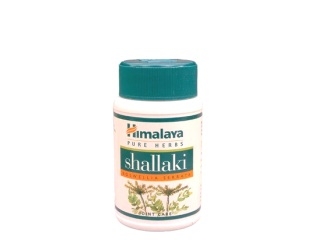
Shallaki (Boswellia serrata) — Patient Information for Australia
Shallaki is a natural herbal product traditionally used to support joint health and mobility. It is commonly made from Boswellia serrata resin (also known as frankincense). In people who experience stiffness, reduced range of movement, or discomfort from inflammatory joint conditions, Shallaki is often chosen as a supportive option alongside healthy lifestyle measures.
This page provides patient-friendly information about what Shallaki is, how it may work in the body, how it is used, possible interactions, and important safety considerations. If you have any medical conditions or take other medicines, it’s wise to check with a pharmacist or doctor—especially if you are pregnant, breastfeeding, have bleeding disorders, or are planning surgery.
Basic product information
- Product name: Shallaki
- Active ingredient: Boswellia serrata extract/resin components (often standardised in different formulations)
- Type: Herbal supplement (often marketed for joint support)
- Common forms: Capsules or tablets (varies by brand)
- Typical purpose: Supporting joint comfort, mobility and function
Important note: Different brands or formulations can vary in strength (e.g., mg per capsule and extract standardisation). Always read the label for the exact composition and directions for your specific product.
How Shallaki may work (mechanism of action)
The main active constituents of Boswellia serrata are boswellic acids. Research suggests these compounds may contribute to joint support through effects on inflammation pathways.
While the exact mechanism can be complex and may differ between extracts, the following actions are commonly described:
- Inflammation support: Boswellic acids are thought to help modulate inflammatory mediators involved in chronic inflammation.
- Potential immune modulation: Some evidence suggests effects on signalling pathways related to inflammation.
- Joint comfort: By supporting the inflammatory component of joint discomfort, overall pain and stiffness may improve over time.
What to expect: Herbal joint products often work gradually rather than immediately. Many people report changes in comfort and mobility after consistent use over several weeks.
Pharmacokinetics (how the body may process it)
Pharmacokinetics can vary based on the exact extract, dose, and whether it’s taken with food. In general:
- Absorption: Boswellic acids are believed to be absorbed to varying degrees. Standardisation and formulation can influence absorption.
- Distribution and metabolism: Once absorbed, constituents may undergo metabolic processing in the body (exact pathways depend on the individual and product).
- Excretion: Metabolites are eliminated through normal body clearance processes.
Practical takeaway: If your product label advises taking with food (or avoiding it), follow those instructions, because food can affect absorption and tolerability.
Typical use and timing
Shallaki is typically used as a daily supportive supplement for joint comfort and mobility. The onset of benefit is usually gradual.
Common timing
- With meals: Many people find it easier on the stomach when taken with food.
- Consistency: Taking it at the same times each day helps maintain steady intake.
When to reassess
- Many users reassess after 4–8 weeks of consistent use.
- If there is no improvement, or symptoms worsen, stop and speak with a pharmacist or doctor for advice.
Indications (what it’s commonly used for)
In Australia, Shallaki is generally marketed for supporting joint health. Common reasons people choose it include:
- Joint discomfort associated with stiffness
- Reduced mobility related to everyday activity
- Comfort support during flare-ups of inflammatory joint conditions (as part of an overall plan)
- General maintenance of joint function with healthy activity and weight management
Reminder: Supplements are not a cure. If you have severe pain, swelling, redness, fever, or rapidly worsening symptoms, seek medical advice promptly.
Dosing (how to take Shallaki)
Dosing depends on the specific product (mg per capsule/tablet and extract standardisation). Always follow the label instructions for your product.
General dosing guidance (label-based)
- Most Shallaki products are taken 1–2 times daily.
- Some may require higher or split doses depending on the strength.
How to take
- Swallow whole with water.
- Take with food if your stomach is sensitive or if the label recommends it.
- Maintain consistent daily timing.
If you miss a dose: Take it when you remember on the same day. If it’s close to the next dose, skip the missed dose and resume your schedule. Do not double dose.
Food interactions
Food can affect how much of an herbal extract is absorbed and how well it’s tolerated.
- Tolerability: Taking Shallaki with meals may reduce the chance of stomach upset.
- Absorption: Some extracts show improved absorption when taken with food, while others may not. Your product label is the best guide.
- Fatty meals: For fat-soluble compounds, meals with some fat may influence absorption; however, this is formulation-dependent.
Practical tip: Try taking Shallaki consistently either with or without food as directed by the label, and monitor comfort during the first week.
Alcohol and medicine interactions
Alcohol
Shallaki is a supplement and is not known to have a specific dangerous interaction with alcohol in all cases. However:
- Limit alcohol if you have gastritis, reflux, liver conditions, or are taking other medicines that affect the liver.
- Monitor for side effects: dizziness, stomach upset, or unusual bruising.
If you drink alcohol regularly, speak to a pharmacist to assess your overall risk profile.
Interactions with other medicines
Herbal products can interact with medicines through effects on liver enzymes, immune pathways, or effects on clotting. While not all interactions are certain, it’s important to check before use if you take:
- Blood thinners / antiplatelets (e.g., warfarin, apixaban, rivaroxaban, clopidogrel, aspirin): ask about bleeding risk.
- Anti-inflammatory or arthritis medicines (especially multiple products at once): confirm safe combined use.
- Immunosuppressants or immune-modifying therapies: consider guidance due to potential immune effects.
- Liver-metabolised medicines: although evidence is limited, a pharmacist can help assess whether extra monitoring is needed.
Action step: If you take regular medicines, bring a list (including supplements and “natural” products) to your pharmacist for an interaction check.
Safety profile (who should be cautious)
Most people tolerate herbal supplements well when used as directed. However, individual reactions can occur.
Common possible side effects
- Mild gastrointestinal discomfort (nausea, stomach upset, reflux)
- Headache in some individuals
- Skin reactions (rare) such as rash or itching
Stop use and seek advice if you experience severe allergy symptoms (e.g., swelling of lips/face, difficulty breathing, widespread rash).
When to use caution or seek professional advice
- Pregnancy or breastfeeding: safety data is limited—discuss with a healthcare professional first.
- Bleeding disorders or upcoming surgery/dental procedures: discuss timing and risk.
- Use of blood-thinning medicines: increased bleeding risk is a key consideration.
- Existing liver disease or abnormal liver function tests: seek medical advice.
- History of allergies to herbal resins or related products.
- Children: consult a clinician for age-appropriate guidance.
Duration of use
Many people take Shallaki for extended periods for ongoing joint support. If you plan long-term use, it’s sensible to review your progress and any side effects with your pharmacist or doctor periodically.
Practical use tips for best results
- Give it time: consider a trial period of several weeks to assess benefits.
- Stay consistent: take daily rather than sporadically.
- Match lifestyle goals: combine with gentle movement, physiotherapy, stretching, and healthy weight management.
- Track changes: note pain/stiffness scores, mobility, or how often you need other symptom-relief strategies.
- Start low if you’re sensitive: follow label directions; if your product allows flexibility, discuss with a pharmacist.
- Stop if symptoms worsen: worsening swelling, redness, fever, or severe pain requires medical assessment.
Alternative options (for joint comfort and mobility)
If you’re considering alternatives, options may include other herbal supplements, nutritional approaches, and established medical therapies depending on the cause of symptoms.
Common supplement alternatives
- Glucosamine and chondroitin (commonly used for osteoarthritis support)
- Curcumin (turmeric extract; often used for inflammation support)
- Omega-3 fatty acids (fish oil) for general inflammation support
- Collagen peptides (some people use for joint comfort and mobility)
Non-supplement options
- Physiotherapy and strengthening (often key to long-term mobility)
- Heat/cold therapy for symptom control
- Activity modification and supportive footwear
- Pain management plans guided by a clinician
Tip: If you’re combining multiple supplements, ask a pharmacist about cumulative interactions and how to avoid doubling similar ingredients.
Market and legal context in Australia
In Australia, products like Shallaki are typically supplied as complementary medicines / therapeutic goods depending on their formulation and claims. How a product can be advertised is governed by Australian regulations and standards aimed at protecting consumers.
What this means for you:
- Product labels must provide accurate ingredient information and directions.
- Therapeutic claims are regulated; many supplements focus on supporting wellbeing rather than curing disease.
- Good Manufacturing Practice (GMP) standards apply to the quality and consistency expected of complementary medicines.
Important: Always purchase from reputable sources that provide clear labelling, expiry dates, and consistent product identification.
Recent guidance and consumer considerations
In recent years, Australian health guidance has emphasised consumer safety when choosing complementary medicines. Common themes include:
- Check labels carefully for exact ingredients, strengths, and directions.
- Be cautious with multiple products targeting the same conditions (e.g., several anti-inflammatory supplements together).
- Consult healthcare professionals when you take regular medicines, have chronic illness, or are pregnant/breastfeeding.
- Report unexpected side effects and stop the product if significant reactions occur.
If you’re unsure about whether Shallaki is appropriate for your situation, a pharmacist can help you weigh potential benefits and risks.
Delivery and availability (Australia)
Online pharmacies in Australia typically offer Shallaki availability as a stocked complementary medicine/supplement, depending on demand and supplier schedules. Delivery timeframes vary based on your location and shipping method.
What you can expect
- Secure packaging to protect capsules/tablets.
- Tracking for many standard shipping services (if offered by the pharmacy).
- Expiry and batch details listed on the product page or packaging.
Delivery tip: If your household has medication storage requirements (cool, dry place), follow label instructions after delivery.
Availability note: Stock can vary by brand and extract standardisation. If your preferred formulation is temporarily out of stock, some pharmacies may offer alternatives with similar ingredients—always confirm the exact amount per dose.
FAQ about Shallaki
1) What is Shallaki used for?
Shallaki is commonly used to support joint health, including comfort and mobility, especially when stiffness or inflammatory discomfort is part of daily life. It is typically used as a supportive supplement rather than a cure.
2) How long does it take to work?
Because it’s a supportive herbal product, some people notice changes after a few weeks, while others may take longer. A reasonable review point is often 4–8 weeks of consistent use, depending on symptoms and product strength.
3) Should I take Shallaki with food?
Many labels advise taking it with meals to improve tolerability. If your product directions differ, follow the label. Keeping your timing consistent (with or without food) may help your body adjust and make results easier to judge.
4) Can I take Shallaki with other supplements?
Often, yes—but it’s important to check overlaps. For example, if you also take other anti-inflammatory supplements or products that may affect clotting, interaction risk could increase. A pharmacist can review your full list.
5) Is it safe to drink alcohol while taking Shallaki?
There is no universal rule that alcohol must be avoided, but keeping alcohol intake moderate is sensible—especially if you have reflux, liver concerns, or take other medicines. If you notice stomach upset or other unusual effects, reduce or avoid alcohol and speak with a pharmacist.
6) Are there interactions with medicines?
Potential interactions depend on what else you take. Extra caution is advised if you use blood thinners/antiplatelets, immunosuppressants, or multiple anti-inflammatory agents. Always check with a pharmacist using your medication list.
7) Who should not use Shallaki?
People who are pregnant or breastfeeding, have certain bleeding risks, have liver disease, or take specific interacting medicines should discuss first with a healthcare professional. Also avoid use if you’ve previously had an allergic reaction to related herbal products.
8) What if I get side effects?
Mild stomach upset can occur. If you experience persistent symptoms, rash, or signs of allergy, stop and seek advice. Severe reactions (swelling, breathing difficulties) require urgent medical attention.
9) How do I choose the right Shallaki product?
Compare the label for:
- Exact ingredient and dose per capsule/tablet
- Standardisation (if stated)
- Recommended directions and storage
- Expiry date and manufacturer details
10) Does Shallaki treat arthritis?
Shallaki is typically positioned for joint support. It may help some people with comfort and function, but it is not a replacement for medical assessment of conditions like rheumatoid arthritis or gout.
Summary
Shallaki, derived from Boswellia serrata, is a popular herbal option for supporting joint comfort and mobility. Its effects are thought to involve modulation of inflammatory pathways. Results generally build over time, and consistent daily use—often with food—may improve tolerability.
As with all supplements, safety and suitability depend on your personal health history and other medicines. If you’re taking blood-thinning medicines, have liver concerns, are pregnant/breastfeeding, or have a complex medical profile, speak to a pharmacist before starting Shallaki.