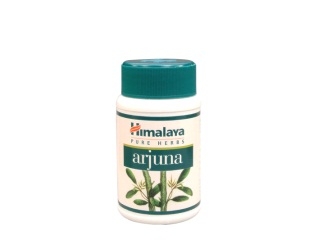
Arjuna (Arjuna) – Patient-Friendly Guide (Australia)
Arjuna is an Ayurvedic herbal medicine traditionally used to support cardiovascular health, especially in people who experience stress-related strain on the heart and who want a natural approach to wellbeing. In Australia, products marketed as “Arjuna” may vary by brand and formulation, but they generally contain Terminalia arjuna (a tree bark herb) as the active ingredient.
This guide explains what Arjuna is, how it may work, how it behaves in the body, how it is typically taken, and important safety considerations—using practical, patient-friendly language. Always follow the specific directions on your product label or the advice of your healthcare professional, particularly if you have chronic conditions or take other medicines.
Basic product information
| Category | Details (general) |
|---|---|
| Medicine type | Herbal supplement / complementary medicine (brand/formulation may differ) |
| Common ingredient | Terminalia arjuna bark extract or standardized powder (varies by product) |
| Typical form | Capsules, tablets, or liquid extract |
| Traditional uses | Cardiovascular support; heart “strength” and stamina; general wellness |
| Who may consider it | People seeking complementary support for cardiovascular wellbeing |
| Note on product variability | Strength per serving and excipients differ between brands |
What is Arjuna used for?
Arjuna is commonly used to support cardiovascular health and general wellbeing. People often choose it for:
- Heart support as a complementary approach to wellbeing
- Stamina and exercise tolerance (especially when feeling run down)
- Stress-related strain on the body (as part of a broader healthy lifestyle)
- Overall cardiovascular wellness as part of prevention-focused routines
Important: Arjuna is not a replacement for evidence-based treatments for diagnosed heart disease. If you have symptoms (such as chest pain, shortness of breath, fainting, or sudden weakness), seek urgent medical attention.
Indications (how it may be used)
Depending on the product and Australian listing, indications may be described as supportive rather than curative. In many settings, Arjuna is positioned for:
- Complementary support for cardiovascular health
- General wellness in adults seeking natural support
- Stamina and performance support as part of a lifestyle routine
Always check the “Directions” and any permitted health claims on the exact label for your brand, as these can differ by manufacturer and regulatory pathway.
Mechanism of action (how Arjuna may work)
Arjuna contains naturally occurring plant compounds, including tannins and other phytochemicals found in Terminalia arjuna. The exact mechanism can vary based on the extract standardization and dosage, but proposed actions include:
- Cardioprotective and antioxidant effects that may help support vascular tissues under oxidative stress.
- Vascular support through effects on blood vessel function and tone.
- Support for healthy inflammatory balance (complementary role).
- Potential influence on lipid-related processes in the context of overall cardiovascular health.
Many findings come from laboratory and human observational data. Individual responses can differ. If you’re using Arjuna alongside other cardiovascular medicines or supplements, it’s particularly important to consider possible interactions.
Pharmacokinetics (what happens in the body)
“Pharmacokinetics” refers to what the body does to a medicine—absorption, distribution, metabolism, and excretion. For herbal products like Arjuna, full pharmacokinetic profiling can be limited and may depend heavily on:
- the standardization of the extract (how active components are measured),
- the dosage form (capsule vs. powder vs. liquid),
- food intake, and
- individual factors (age, liver/kidney function, microbiome).
In general terms, plant-derived compounds are absorbed to varying degrees, metabolized primarily in the liver and gut, and excreted through urine and/or bile. Because Arjuna preparations differ, exact peak times and half-lives are not the same for every product.
What this means for you: expect effects (if any) to be gradual, with most people assessing benefit over weeks rather than days. Consistency is often more important than “timing” on a single day.
Typical use and dosing (general guidance)
Dosing instructions for Arjuna depend on the specific brand, strength, and extract type. For that reason, always use the label directions for your product. Below are general dosing patterns commonly used for Arjuna supplements.
Common adult dosing patterns
- Once or twice daily dosing is common.
- Many products recommend taking it with meals to improve tolerability.
- Some people start at the lower end of the label dose and adjust only if appropriate.
If your product label gives a specific amount (for example, “X mg twice daily”), follow it exactly. Do not exceed the recommended daily serving unless your healthcare professional specifically advises otherwise.
How long does it take to work?
For supportive cardiovascular wellbeing, Arjuna is typically taken as a routine. Many users evaluate results over 4–12 weeks, depending on diet, activity, baseline health, and what “support” means for you.
Timing: when to take Arjuna
Practical timing can help with comfort and adherence:
- With meals: Many people prefer taking Arjuna after breakfast and/or after dinner.
- Consistent daily schedule: Choose a time that you can repeat.
- If sensitive to stomach upset: Take with food and consider splitting the dose (if the label allows).
If you’re also taking other supplements (e.g., fibre, minerals), consider separating by a couple of hours if you notice reduced tolerance or bloating.
Food interactions (can you take it with meals?)
Arjuna is generally taken with food to support absorption and improve gastrointestinal comfort. Specific food–drug interactions are not as well documented as for prescription medicines, but practical guidance is:
- Normal meals: Usually acceptable and often preferred.
- High-fat meals: May affect absorption for some herbal extracts; if you notice variable effects, keep meals consistent.
- Grapefruit and similar foods: Not specifically established for Arjuna, but grapefruit can interact with many medicines through liver enzyme pathways—if you take other medicines, it’s safer to avoid excessive grapefruit intake.
- Large changes in diet: Can influence cardiovascular markers and how you feel; track changes over time.
If you experience stomach upset, try taking it after meals rather than on an empty stomach.
Alcohol interactions and considerations
There are no universally established alcohol-specific interactions for Arjuna across all products. However, alcohol can affect heart rhythm, blood pressure, sleep quality, and liver function—all of which may indirectly influence how you feel and how other medications work.
- Best practice: Keep alcohol intake modest.
- Higher-risk situations: Avoid heavy drinking if you have hypertension, liver disease, arrhythmias, or if you take multiple cardiovascular medicines.
- Watch for symptoms: palpitations, dizziness, unusual fatigue, or nausea—stop alcohol and seek advice if symptoms persist.
Interactions with other medicines (important)
Herbal medicines can sometimes affect the way other medicines work. For Arjuna, the main concern is the potential for additive effects on cardiovascular parameters or changes in how the body handles substances. The exact interaction profile can vary by extract strength.
Speak with a healthcare professional before using Arjuna if you take:
- Blood pressure medicines (e.g., ACE inhibitors, ARBs, beta-blockers, calcium-channel blockers, diuretics)
- Anticoagulants or antiplatelet medicines (e.g., warfarin, apixaban, rivaroxaban, clopidogrel, aspirin)
- Antiarrhythmic medicines
- Cholesterol-lowering medicines (statins, ezetimibe)
- Diabetes medicines (some supplements can influence glucose handling indirectly)
If your healthcare team agrees you can use Arjuna, consider:
- starting at the labelled dose or lower end,
- monitoring blood pressure and pulse,
- tracking any new bruising/bleeding, dizziness, or gastrointestinal symptoms, and
- reviewing your supplement list regularly.
Safety profile: who should be cautious?
Arjuna is generally well tolerated by many adults when used as directed, but safety depends on the individual and the product. Herbal products can cause side effects or interact with medicines.
Potential side effects
- Gastrointestinal discomfort: nausea, indigestion, stomach cramps, or diarrhoea
- Headache (less common)
- Allergic reactions: rash, itching, swelling, or breathing difficulties (rare but serious)
- Changes in blood pressure or heart rate in sensitive individuals (monitor if you have cardiovascular conditions)
Who should avoid Arjuna unless a clinician advises otherwise
- Pregnancy or breastfeeding (insufficient safety data for many herbal preparations)
- Children (adult dosing may not be appropriate)
- People with significant liver or kidney impairment (herbal metabolism/excretion may be affected)
- Anyone with a history of allergy to tree extracts or herbal products
When to stop and seek medical advice
Stop taking Arjuna and seek urgent help if you experience:
- chest pain, fainting, severe shortness of breath
- significant dizziness or palpitations that don’t settle
- signs of severe allergy (swelling of face/lips, trouble breathing)
- unusual bleeding or bruising if you are taking blood thinners
Practical use tips
- Choose a reputable brand: look for standardisation information and clear ingredient lists.
- Start low if you are sensitive: consider starting at the lower end of the label dose (if appropriate).
- Take consistently: take at the same time each day to build a routine.
- Track your response: note changes in energy, exercise tolerance, blood pressure, and any symptoms.
- Keep a supplement list: include vitamins, minerals, teas, and other herbal products—share it with your healthcare provider.
- Don’t combine multiple heart herbs at once unless advised: it can increase interaction risk.
- Hydration and lifestyle matter: cardiovascular support improves most when paired with exercise, a balanced diet, and adequate sleep.
Alternative options (complementary approaches)
If you’re considering Arjuna for cardiovascular support, it can be helpful to know there are other complementary options. Your best choice depends on your goals and current health.
Non-herbal lifestyle measures
- Regular aerobic exercise (as suited to your health status)
- Heart-healthy diet (Mediterranean-style, high in vegetables/legumes, lower in ultra-processed foods)
- Weight management and smoking cessation
- Stress reduction (sleep, mindfulness, breathing exercises)
Other complementary supplements (examples)
- Omega-3 fatty acids (for triglyceride support in some contexts)
- Magnesium (muscle and nerve function; sometimes helpful for cramps)
- Coenzyme Q10 (CoQ10) (particularly if using statins—talk to a clinician)
- Plant sterols/stanols (may support cholesterol goals)
If you take prescription medicines, ask a healthcare professional before combining supplements, especially those that may affect blood pressure, clotting, or metabolism.
Australia market and legal context (what to know)
In Australia, herbal products and supplements can be regulated under different pathways depending on their composition and claims. Many “Arjuna” products sold online are treated as complementary medicines or dietary-type supplements. Manufacturers are expected to comply with applicable Australian requirements for quality, labelling, and permitted claims.
When shopping online, look for:
- clear product identity (brand name, ingredient list, and dosage form)
- lot/batch information where available
- expiry date
- recommended use and warnings
- evidence-based, non-misleading claims consistent with Australian advertising standards
Always check the label for the exact name of the ingredient and the declared standardisation (if the brand provides it). This helps you compare products and use the correct dose.
Recent guidance and updates (staying informed)
Regulatory and public-health guidance can change. As herbal products sometimes raise concerns about quality or interactions, it’s wise to:
- review the most current information from Australian health authorities regarding complementary medicines
- ensure your product is from a reputable supplier
- periodically reassess whether you still need the supplement
- report adverse effects to a healthcare professional
If you are considering Arjuna due to a health condition, discussing it with your healthcare provider can help ensure safe use alongside your existing care plan.
Delivery and availability in Australia
Arjuna products may be available online from pharmacy and health retailers. Delivery options typically depend on your location and the supplier’s dispatch schedule. When ordering, confirm:
- estimated delivery time at checkout
- shipping costs and any minimum spend thresholds
- pack size and whether you receive a single bottle/box or multi-pack
- stock availability and restock times
- storage instructions (some herbal products should be kept in a cool, dry place)
For best results, store your Arjuna product according to the label—usually away from direct sunlight, heat, and moisture.
FAQ: Frequently asked questions
1) Is Arjuna the same as Terminalia arjuna?
“Arjuna” commonly refers to products made from Terminalia arjuna. The exact ingredient amount and standardisation depend on the brand and formulation.
2) How should I take Arjuna?
Follow the label directions for your specific product. Many people take it with meals once or twice daily. If you get stomach upset, taking it after food may help.
3) Can I take Arjuna with my other supplements?
Many people do, but it’s safest to check for potential overlap—especially if you take heart, blood pressure, cholesterol, or blood-thinning supplements. If you’re unsure, ask a healthcare professional.
4) Will Arjuna lower my blood pressure?
Some users may notice changes, but individual effects vary. If you take blood pressure medications, monitor your readings and speak with your clinician if you experience dizziness, light-headedness, or unusually low readings.
5) Are there any alcohol-related concerns?
There is no universal “must avoid” rule for alcohol with Arjuna, but alcohol can affect heart rhythm, blood pressure, and liver function. Keeping intake moderate is sensible, and avoid heavy drinking if you have cardiovascular or liver concerns.
6) Can Arjuna be used long-term?
Many people use herbal supplements as ongoing wellness support. However, it’s good practice to review your need and safety periodically with a healthcare professional—especially if you have chronic conditions or take prescription medicines.
7) What if I miss a dose?
Take it when you remember unless it’s close to your next dose. Don’t double up. Resume your regular schedule.
8) Does Arjuna replace medication for heart disease?
No. Arjuna is generally used as complementary support. It should not replace evidence-based treatments prescribed for diagnosed conditions. If you are managing heart problems, discuss all supplements with your healthcare team.
9) What side effects should I watch for?
Watch for stomach upset, headache, rash, or signs of allergy. If you experience significant palpitations, dizziness, unusual bleeding (especially with blood thinners), or severe symptoms, seek medical advice promptly.
10) How do I choose a good Arjuna product?
Compare brands based on ingredient transparency, dosage per serving, standardisation (if provided), expiry date, and whether warnings and directions are clearly stated.
Summary
Arjuna (Terminalia arjuna) is an herbal complementary product commonly used to support cardiovascular wellbeing, stamina, and overall health. When taken consistently—often with meals—it may offer gradual supportive benefits for some people. Because herbal products can interact with medicines and can affect sensitive individuals, it’s important to consider your current health conditions, monitor any changes, and talk to a healthcare professional if you take blood pressure medications, anticoagulants/antiplatelets, or other cardiovascular drugs.
For the safest experience, always follow the instructions on your product label and choose a reputable supplier with clear labelling.