Rifampin (Rifampicin) – Patient-Friendly Medicine Information (Australia)
Rifampin (also known as rifampicin) is an antibiotic used to treat and prevent several serious bacterial infections. It is particularly important in tuberculosis (TB) treatment, often used in combination with other medicines. This guide explains what rifampin does, how it works, how it behaves in the body, typical uses and timing, important food and alcohol interactions, safety considerations, and practical tips for everyday use in Australia.
Basic product information
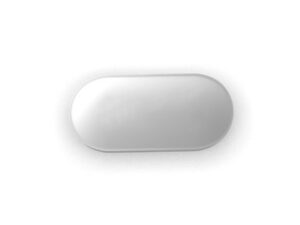
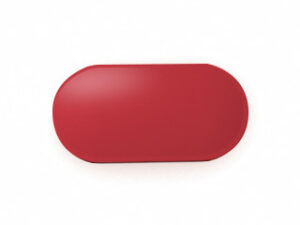
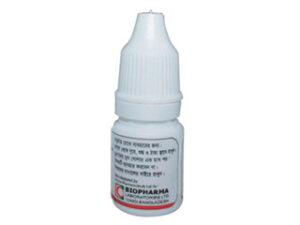
Rifampin is a prescription-only antibiotic available in different formulations (most commonly tablets and capsules; liquid preparations may also be available). Brand names vary by manufacturer. In Australia, the active ingredient is typically referred to as rifampicin, although some materials use “rifampin”.
| Category | Details |
|---|---|
| Medicine name | Rifampin / Rifampicin |
| Type | Antibiotic (rifamycin class) |
| Main uses | TB disease and TB prevention; certain other bacterial infections |
| Key effects | Stops bacteria from making essential proteins by blocking RNA production |
| Common side effect | Orange/red staining of urine, sweat, tears |
How rifampin works (mechanism of action)
Rifampin belongs to the rifamycin antibiotic family. It works by binding to an enzyme called DNA-dependent RNA polymerase in bacteria. This enzyme is required for bacteria to produce RNA (the step they need to make proteins). By blocking RNA formation, rifampin helps stop bacterial growth and can kill susceptible organisms.
Rifampin is considered bactericidal (it can kill bacteria rather than only slowing growth). In TB, rifampin is used in combination therapies to prevent resistance and to improve cure rates.
Pharmacokinetics: how the body handles rifampin
“Pharmacokinetics” describes absorption, distribution, metabolism, and elimination. Understanding these factors can help with timing, expectations, and interaction awareness.
- Absorption: Rifampin is absorbed from the gut. Food can affect the rate and extent of absorption (details below).
- Distribution: It spreads through many tissues and body fluids, which supports its use in systemic infections like TB.
- Metabolism: It is metabolised primarily in the liver.
- Elimination: Rifampin and its metabolites are removed via the liver/bile and kidneys.
- Half-life (general): The elimination half-life is typically in the range of a few hours in adults, but can vary. Rifampin also induces liver enzymes, which can affect its own metabolism over time.
Because rifampin can induce (activate) liver enzymes, drug interactions are a major practical issue. Patients often need careful review of their current medicines.
Typical uses and indications
Rifampin is used for several conditions. The exact regimen depends on the organism and the severity of illness. The most common and important indication is TB, but rifampin may also be used for other bacterial infections or to prevent transmission.
Tuberculosis (TB)
- Active TB disease: Rifampin is a core medicine in standard multi-drug TB therapy.
- TB prevention (prophylaxis): Rifampin may be used as part of preventive strategies in selected situations.
Other bacterial infections (examples)
Depending on local guidelines and susceptibility testing, rifampin may be used for certain infections, such as:
- Some cases of staphylococcal infections (typically in combination regimens)
- Haemophilus influenzae and Neisseria meningitidis prophylaxis in outbreak or exposure contexts (as directed by public health)
- Certain other infections where rifampin is appropriate and resistance is considered
The suitability of rifampin depends on bacterial sensitivity and the overall treatment plan. For many serious infections, rifampin is used with other antibiotics to improve effectiveness and reduce resistance risk.
Dosing: general guidance
Rifampin dosing varies widely by indication, body weight, age, kidney function, liver function, and whether it is used for treatment or prevention. The safest approach is to follow the dosing plan provided with your medicine and confirmed by a clinician.
Common dosing patterns (illustrative, not a substitute for individual advice):
- TB treatment: Often involves daily dosing for specific periods, typically as part of multi-drug therapy.
- TB prevention: Preventive regimens may vary (e.g., daily schedules or alternative combinations).
- Other indications: Doses may differ depending on the infection and local protocol.
If you miss a dose, don’t double up without guidance. Because rifampin can significantly interact with other medicines, a missed dose can affect more than just antibiotic coverage—so it’s important to confirm what to do if doses are missed.
Timing: when to take rifampin
Rifampin schedules are designed to keep effective drug levels in the body. Many regimens use once-daily dosing for adults, but some cases use different schedules. Always align with your specific plan.
- Consistency helps: Take rifampin at the same time each day where possible.
- With meals: For many patients, rifampin can be taken with or without food, but food may reduce absorption rate/extent. Your medicine label may include specific instructions.
- Separate interacting medicines: If you take other medications that interact, your clinician or pharmacist may advise spacing schedules.
- Staining awareness: Rifampin may cause orange/red urine and other body fluid staining. This can occur soon after starting therapy.
Food interactions
Food can influence rifampin absorption. To minimise variability, many regimens aim for a consistent approach from day to day. Your product information may give specific directions.
Practical tips regarding meals:
- Follow the label: If your instructions say to take it on an empty stomach, do so consistently.
- Don’t frequently change your pattern: Switching between “with food” and “without food” day-to-day may alter absorption.
- If you have nausea: Some people find it easier with a light meal—confirm with your clinician/pharmacist whether this is appropriate for your formulation and regimen.
Alcohol interactions
Alcohol and rifampin both can affect the liver. Together, they may increase the risk of liver-related side effects. For safety, it is generally recommended to avoid alcohol or keep it to an absolute minimum while taking rifampin, particularly if you have any liver disease or elevated liver enzymes.
- Higher-risk situations: Heavy alcohol use, existing hepatitis, cirrhosis, or concurrent liver-stressing medicines.
- Watch for warning signs: Seek prompt medical advice if you notice yellowing of the skin/eyes, dark urine, severe fatigue, persistent nausea/vomiting, or upper right abdominal pain.
Medicine interactions (especially important)
Rifampin is known for significant drug–drug interactions because it induces enzymes in the liver and other systems. This can lower the effectiveness of many medicines by reducing their levels in the bloodstream. It can also alter levels of rifampin and other drugs depending on the combination.
Common categories affected:
- Oral contraceptives (the Pill): Rifampin can reduce effectiveness, increasing pregnancy risk.
- Warfarin and anticoagulants: May require close INR monitoring and dose adjustments.
- Antiretrovirals (HIV medicines): Interaction potential is substantial; regimen adjustments may be needed.
- Antifungals: Some antifungal therapies may be affected by enzyme induction.
- Anticonvulsants (seizure medicines): Levels may change; seizure control must be monitored.
- Antiarrhythmics and other heart medicines: Interaction risk varies by drug.
- Some diabetes medicines: Blood glucose control may change.
- Other antibiotics: Effectiveness can be altered depending on regimen and susceptibility.
Always provide your pharmacist and clinician with a complete list of all medicines and supplements you use, including: over-the-counter products, herbal medicines (e.g., St John’s wort), and vitamins. Do not start or stop any medicine without checking interactions.
Herbal and “natural” products
Some herbal products can also affect liver enzymes. For example, St John’s wort may interact with rifampin and reduce effectiveness. If you use herbal supplements, discuss them before continuing rifampin.
Safety profile: what to expect and when to seek help
Like all medicines, rifampin can cause side effects. Many people tolerate it well, but some effects require urgent assessment. Below is a patient-friendly overview of common and serious risks.
Common side effects
- Orange/red staining: Urine, sweat, tears, and sometimes other body fluids may turn orange/red. This is a known effect and usually harmless.
- Gastrointestinal symptoms: Nausea, vomiting, stomach discomfort, or loss of appetite.
- Headache or general tiredness.
- Skin reactions (mild rash may occur).
- Flu-like symptoms in some individuals, particularly early in therapy.
Serious side effects (seek urgent medical advice)
- Signs of liver injury: Yellow skin/eyes (jaundice), dark urine, severe fatigue, persistent vomiting, severe abdominal pain, or unusual bruising/bleeding.
- Severe allergic reaction: Swelling of face/lips, difficulty breathing, widespread hives.
- Severe rash or blistering: Especially if accompanied by fever, mouth sores, or peeling skin.
- Severe symptoms of blood-related problems: Unusual bruising, fever with no clear cause, or severe weakness.
- Drug-induced flu syndrome: Fever, chills, muscle aches, and shortness of breath soon after dosing in some regimens—contact a clinician promptly if this occurs.
Monitoring
Clinicians often arrange blood tests to monitor liver function and other safety measures, especially for longer courses or higher-risk patients. Attend scheduled appointments and report new symptoms promptly.
Practical use tips
The following tips can make rifampin easier to take and may reduce avoidable problems:
- Plan for fluid staining: Expect orange/red urine and stains on clothing or contact lenses. Consider using dark-coloured towels and avoid light-coloured contact lens cases until you know how you react.
- Take consistently: Use a medication reminder app, alarm, or blister pack system.
- Hydrate if you’re nauseated: Small sips and bland foods may help GI upset. Ask a pharmacist for advice on managing nausea safely.
- Confirm contraception needs: If pregnancy prevention is relevant, discuss non-hormonal or alternative options because rifampin can reduce some hormonal methods.
- Keep an updated medicine list: Include doses and schedules. Share it at every healthcare visit.
- Avoid alcohol: This reduces liver stress and may improve tolerance.
- Do not stop early: For infections like TB, stopping early can lead to treatment failure and resistance. If you have problems tolerating the medicine, contact a clinician rather than stopping on your own.
Alternative options
“Alternative” depends on the infection being treated and whether rifampin is essential to the regimen. Rifampin is a key TB medicine in many treatment frameworks, so alternatives are often not direct one-for-one substitutes.
Possible alternatives (depends on indication)
- For TB: Other anti-TB medicines may be used as part of combination therapy (based on susceptibility, patient factors, and guideline recommendations).
- For bacterial susceptibility situations: Some infections may be treated with other antibiotics depending on resistance patterns.
If rifampin is unsuitable due to side effects, liver issues, or interactions, clinicians may adjust the regimen. Do not switch medicines without specialist advice.
Rifampin in Australia: market, legal, and guidance context
In Australia, rifampin/rifampicin is regulated as a prescription antibiotic and is supplied under the requirements for medicines in the Therapeutic Goods Administration (TGA) framework. Use and access typically involve clinical assessment, appropriate monitoring, and adherence to antimicrobial stewardship principles.
TB treatment in Australia is coordinated through healthcare providers and public health services, and regimens are informed by national guidance and local protocols. Because rifampin interactions can be substantial, clinicians often conduct medicine reconciliation and risk assessment before starting therapy.
Recent guidance and practical updates (general)
Over recent years, guidance across many countries—including Australia—has continued to emphasise:
- Combination therapy for TB to prevent resistance
- Early identification and monitoring for adverse effects, especially liver toxicity
- Medication review to manage enzyme induction interactions
- Adherence support (reminder systems, follow-up appointments, and managing adverse effects)
- Public health coordination for contact tracing and preventive strategies when needed
For the most current regimen details, the clinic or treating team should be consulted, as protocols may vary by patient and local public health advice.
Delivery and availability (online pharmacy)
Rifampin products may be available from online pharmacies depending on supply, formulary availability, and your location within Australia. Availability can vary by:
- Strength and formulation (tablet/capsule/liquid)
- Manufacturer stock levels
- Regional distribution schedules
- Local dispensing processes
Delivery timelines depend on the courier service and your address. Many pharmacies provide tracking updates. If your preferred strength or brand is temporarily unavailable, a pharmacist may contact you about alternatives that are therapeutically equivalent (as allowed by law and clinical appropriateness).
FAQ: Common questions about rifampin
1) Why does rifampin make my urine orange/red?
Rifampin can turn urine, sweat, tears, and sometimes other body fluids orange/red. This is a common, expected effect. It can stain clothing and contact lenses. It generally does not mean the medicine is unsafe, but if you have symptoms of liver problems (such as jaundice), contact a clinician urgently.
2) Can I take rifampin with food?
Many patients can take rifampin with or without food, but food may affect absorption. The safest approach is to follow the exact instructions on your medicine label and keep your approach consistent day-to-day. If you have significant nausea, speak to a pharmacist about options.
3) What should I do if I miss a dose?
If you miss a dose, take it when you remember unless it is close to your next dose. Avoid doubling up. Because rifampin interacts with other medicines and is often used in specific treatment plans, it’s best to ask your pharmacist or clinician for guidance tailored to your schedule.
4) Will rifampin affect birth control?
Rifampin can reduce the effectiveness of some hormonal contraceptives (including combined oral contraceptives). Discuss contraception options before starting rifampin. Non-hormonal methods or alternative strategies may be recommended depending on your situation.
5) How long does rifampin take to start working?
Rifampin begins acting soon after it is absorbed. In infections such as TB, symptom improvement and culture conversion may take time, and treatment duration is determined by clinical protocols. Do not stop early even if you feel better.
6) Is it safe to drink alcohol while on rifampin?
Alcohol can increase liver strain. It is generally recommended to avoid alcohol or keep it to an absolute minimum during rifampin therapy—especially if you have any liver risk factors. Seek medical advice if you develop liver warning signs.
7) What medicines commonly interact with rifampin?
Rifampin can interact with many medicines because it induces liver enzymes. Common categories include oral contraceptives, warfarin/anticoagulants, some HIV medicines, anticonvulsants, and antifungals. Provide your complete list to a pharmacist or clinician for interaction checking.
8) What are the danger signs that I should report immediately?
Contact urgent medical care if you have: yellow skin or eyes (jaundice), severe or persistent vomiting, severe abdominal pain, widespread rash/blistering, swelling of the face/lips, or trouble breathing. Also report unusual bruising, severe weakness, or persistent fever.
9) Can rifampin be used if I have liver problems?
Rifampin may be used cautiously in some circumstances, but liver risk can be higher. Clinicians typically consider baseline liver tests, monitor during therapy, and adjust regimens if needed. Always discuss your liver history and any past medication-related liver issues.
10) What if I have ongoing nausea or stomach upset?
Many mild stomach effects improve over time. A pharmacist can advise on strategies such as taking with food (if appropriate for your product), managing meal timing, or addressing contributing factors. Persistent or severe symptoms should be assessed promptly.
Summary
Rifampin (rifampicin) is an important antibiotic used for infections including TB and, in selected situations, prevention or other bacterial conditions. It works by inhibiting bacterial RNA production, and its metabolism and enzyme-inducing effects lead to many medication interactions. Patients commonly experience orange/red body fluid staining and may also have gastrointestinal upset. Because rifampin can affect the liver and interact with many medicines, careful monitoring, medicine review, and adherence to the recommended regimen are essential. If you have symptoms such as jaundice, severe rash, or breathing difficulty, seek urgent medical help.