
Imodium (Loperamide) — Anti-Diarrhoea Medicine for Adults & Children
Imodium contains loperamide, an anti-diarrhoea medicine used to help reduce the frequency and urgency of loose or watery bowel movements. It works by slowing down the movement of the bowel, allowing more water to be absorbed from the stool.
This patient-friendly guide explains how Imodium works, when to use it, how to take it safely, and what to watch for. If you are unsure whether loperamide is appropriate for your situation (especially in children or if diarrhoea is severe), speak with a pharmacist or other healthcare professional.
Basic Product Information
- Active ingredient: Loperamide
- Product type: Anti-diarrhoea medicine
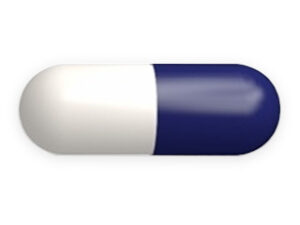
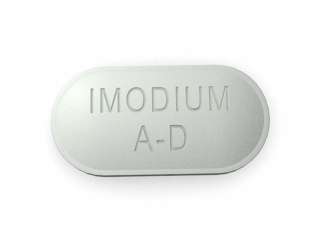
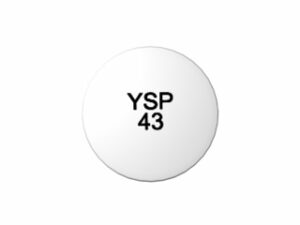
- Available forms: Commonly tablets/capsules and liquid preparations (brand/form may vary by supplier)
- Typical OTC availability: Often available without a prescription in Australia, depending on formulation and pack size
Note: Always check the strength (e.g., mg per tablet or mg per mL) and the age/dosing instructions on your specific pack.
How Imodium Works (Mechanism of Action)
Loperamide acts on the gut to reduce diarrhoea:
- It binds to opioid receptors located in the intestinal wall (mainly the myenteric plexus).
- This leads to a reduction in bowel motility (slower movement of the intestines).
- It increases water and electrolyte absorption from the gut contents.
- The result is less frequent and less urgent bowel movements and firmer stool.
Important: Imodium treats symptoms (stops/lessens diarrhoea). It does not remove the underlying cause of infection or poisoning. For certain diarrhoea types, slowing the gut can be risky—so it’s important to use it only when appropriate.
Pharmacokinetics (How the Body Handles Loperamide)
Understanding how loperamide is processed can help you use it safely.
- Absorption: Loperamide is absorbed from the gastrointestinal tract.
- Distribution: It has effects mainly in the gut.
- Metabolism: Loperamide is extensively metabolised in the liver.
- Elimination: It is mainly cleared via metabolism and excretion (predominantly in the faeces, with some urine excretion).
- CNS effects: Normally, only small amounts reach the brain. However, very high doses or drug interactions can increase the risk of serious side effects.
Why this matters: Do not exceed the recommended dose. Avoid combining with medicines that may interfere with loperamide metabolism or transport, especially at high doses.
Typical Use and Indications
Imodium is commonly used for symptomatic relief of acute diarrhoea in adults and older children. It may also be used to manage certain chronic conditions where diarrhoea is persistent (for example, irritable bowel syndrome with diarrhoea, depending on local guidance and product instructions).
Common situations where loperamide may help
- Acute, non-bloody diarrhoea (e.g., due to dietary change or mild gastroenteritis where no red flags are present)
- Urgency and frequency causing significant disruption to daily activities
- Chronic diarrhoea under healthcare guidance (for example, IBS-D), where symptom control is needed
When it should NOT be used (key cautions)
Do not use loperamide if you have diarrhoea with features suggesting invasive infection or a condition where slowing the bowel may cause harm.
- Blood in the stool or black/tarry stools
- High fever
- Severe abdominal pain or a swollen/distended abdomen
- Suspected antibiotic-associated diarrhoea (including C. difficile)
- Acute ulcerative colitis flare
- Infectious diarrhoea where medical assessment is needed
If any of these apply, seek medical advice urgently rather than trying to stop the diarrhoea with loperamide.
When to Take Imodium: Timing and Duration
For acute diarrhoea, loperamide is typically taken soon after the first loose stool, as directed on the pack or by a pharmacist.
- Typical start: Take the first dose after the initial episode of diarrhoea.
- Ongoing dosing: Repeat doses after subsequent loose stools, according to the product instructions.
- Use timeframe: If diarrhoea does not improve within a short period (often 48 hours for adults), stop and seek advice.
- Hydration is essential: Continue to drink fluids and use oral rehydration if needed, even if you take loperamide.
Tip: If you have frequent urges, consider taking doses at times that align with your symptoms while staying within the maximum daily dose on the label.
Food Interactions (Taking Imodium With Meals)
In general, loperamide can be taken with or without food. Food does not typically have a clinically significant effect on the medicine’s ability to work.
- If you have nausea or stomach upset, taking a dose after a small snack may feel easier.
- Stay hydrated regardless of whether you eat.
Still follow the pack instructions for your specific formulation. For best results, keep consistent with how your product suggests taking doses (for example, with water).
Alcohol Interactions
Loperamide is not the same as many medicines that are directly “blocked” by alcohol, but alcohol can worsen diarrhoea and dehydration, and it may increase the risk of dizziness or drowsiness in some people.
- Avoid alcohol during diarrhoea to support hydration and recovery.
- If you choose to drink, do so cautiously and do not exceed recommended amounts.
Safety note: Do not exceed the recommended loperamide dose. Using loperamide with alcohol does not justify higher dosing.
Medicine Interactions (Other Drugs and How They Matter)
Some medicines can affect how loperamide is metabolised and transported in the body. This can raise loperamide levels and increase the risk of serious side effects—especially if doses are too high.
Be especially cautious if you take medicines such as:
- Opioids or other medicines that slow the gut (may increase side effects)
- Certain antibiotics and antifungals that can inhibit drug metabolism
- Some HIV medicines (antiretrovirals) that can affect metabolism/transport
- Azole antifungals and some macrolide antibiotics
- CYP/P-gp interacting medicines (many medicines can inhibit or induce these pathways; a pharmacist can check your specific products)
What to do:
- Tell your pharmacist or healthcare professional about all medicines you take (including OTC products, herbal supplements, and frequent pain medicines).
- Do not “top up” doses if diarrhoea continues—overuse increases risk.
- If you develop severe constipation, worsening abdominal pain, dizziness, or unusual sleepiness, stop and get medical advice.
Dosing: How to Take Imodium Safely
Dosing depends on age, the severity of symptoms, and the specific strength of the product. Always use the dosing schedule on your package leaflet.
General adult approach (typical OTC guidance)
- Initial dose: Often 2 capsules/tablets or 4 mg (depending on formulation), after the first loose stool.
- Maintenance dose: Usually 2 mg after each subsequent loose stool.
- Maximum daily dose: Commonly 8 mg per day OTC for self-treatment (may vary by product/strength and local regulations).
Important: Do not exceed the maximum daily dose on the label.
Children
Loperamide is generally not recommended for younger children unless specifically advised by a healthcare professional, because of the increased risk of serious side effects (including breathing problems and severe constipation). Some OTC products have age restrictions.
- Always check the age limits and paediatric dosing on the pack.
- If diarrhoea is in a child and you’re unsure, ask a pharmacist before giving loperamide.
- Oral rehydration solution is usually the cornerstone of treatment for children with diarrhoea.
If diarrhoea persists beyond the stated guidance window (often 48 hours in adults, sooner in children), seek medical advice.
Practical Use Tips for Best Results
- Start early: Taking loperamide soon after the first loose stool can help reduce symptom duration.
- Hydrate: Replace lost fluids with water and/or oral rehydration solution (ORS). This is particularly important in heat, elderly patients, and those with poor intake.
- Monitor symptoms: Keep track of stool frequency, fever, blood, and pain.
- Choose simple foods: After the worst passes, bland foods may be easier to tolerate (e.g., toast, rice, bananas, soup).
- Stop if red flags appear: If you develop fever, blood in stool, severe abdominal pain, or worsening condition, stop loperamide and get advice urgently.
- Avoid “doubling up”: Use only the medicine that is appropriate for your symptoms. Don’t take multiple anti-diarrhoea products together.
Safety Profile: Side Effects and When to Seek Help
Like all medicines, loperamide can cause side effects. Most people tolerate it well when used correctly. However, serious reactions can occur if it is misused (for example, taking too much or using it when it shouldn’t be used).
Common side effects
- Constipation
- Abdominal discomfort, cramps, bloating
- Nausea
- Dizziness or headache
Serious side effects (seek medical attention urgently)
Get urgent help if you experience:
- Severe constipation or inability to pass gas
- Severe or persistent abdominal pain
- Swelling of the abdomen
- Fainting, marked drowsiness, or confusion
- Slow or irregular breathing (especially if loperamide is taken in large amounts)
- Allergic reaction (swelling of lips/face, difficulty breathing, rash)
Overuse warnings
Taking more than recommended increases the risk of potentially dangerous effects on the heart and nervous system. Loperamide abuse/misuse has been associated with serious outcomes, particularly at high doses.
Do not: exceed the maximum daily dose, use for longer than recommended, or use when diarrhoea appears to be invasive or severe.
Alternatives to Imodium
If loperamide isn’t suitable, alternatives may be considered depending on the cause of diarrhoea.
Non-medicine options
- Oral rehydration solutions (ORS): Helps prevent dehydration and supports recovery
- Fluid replacement: Water, clear soups, and electrolyte drinks
- Diet adjustments: Bland foods as tolerated; avoid alcohol and very fatty foods
Other medicine options (depending on cause)
- Bismuth subsalicylate (where appropriate): may help some types of diarrhoea
- Probiotics: may help reduce duration for some diarrhoea types, though evidence varies
- Antibiotics: only if specifically indicated by a clinician (not for routine viral gastroenteritis)
A pharmacist can help choose the most appropriate option for your symptoms and medical history.
Market and Legal Context for Australia
In Australia, loperamide products are regulated as medicines and are typically available through pharmacies (and sometimes other retail channels) depending on the formulation and pack size. Availability can vary, and age restrictions may apply for certain products or strengths.
Australian healthcare guidance generally emphasises:
- Hydration first for diarrhoea
- Correct patient selection (avoid loperamide in diarrhoea with red flags like blood and fever)
- Adherence to dose limits and duration of self-treatment
Where to check: Refer to the product packaging and the Australian product information/consumer medicine information provided with your specific Imodium brand and formulation.
Recent Guidance and Ongoing Safety Considerations
While specific recommendations can change, commonly reinforced safety themes for loperamide include:
- Do not use loperamide for diarrhoea associated with fever or blood in the stool.
- Do not exceed the labelled dosing, especially in children and older adults.
- Seek medical advice early if symptoms are severe, persistent, or accompanied by dehydration signs.
- Be cautious with drug interactions that can increase loperamide exposure.
If you have been told you have kidney/liver problems or you take multiple medications, ask a pharmacist about safe use and whether you should choose a different approach.
Delivery and Availability (Online Pharmacy Considerations in Australia)
Imodium (loperamide) is generally available online through Australian pharmacies that comply with local regulatory requirements. Availability can depend on the exact formulation (e.g., tablet or liquid) and stock levels.
- In-stock items: Often dispatched quickly once payment and verification steps are complete.
- Delivery times: Vary based on location and courier service.
- Packaging: Medicines are typically shipped in original retail packaging with dosing information.
Storage: Store at room temperature and keep out of sight and reach of children, following the pack instructions.
FAQ: Common Questions About Imodium (Loperamide)
1) How fast does Imodium work?
Many people notice improvement within a few hours. Timing can vary depending on the cause and severity of diarrhoea. Hydration and diet support recovery as well.
2) Can I use Imodium for diarrhoea due to food poisoning?
It may be appropriate for some cases of acute, non-bloody diarrhoea where there are no red flags (no fever, no blood, no severe pain). However, if you suspect severe infection or have red flags, it’s safer to seek advice rather than self-treat.
3) Should I stop Imodium once symptoms settle?
Yes. Use the minimum amount needed for the shortest time. Continue only as directed for ongoing loose stools, and stop if there’s no improvement within the recommended period on the label.
4) Is Imodium safe for children?
Use in children depends on age and the specific product formulation. Many loperamide products have age restrictions and are not recommended for very young children. Check the pack carefully and ask a pharmacist if you are uncertain.
5) Can I take Imodium if I have blood or fever?
No. Blood in stool and/or fever can indicate an infection or inflammatory condition where loperamide is not appropriate. Seek medical advice urgently.
6) What if diarrhoea lasts longer than 48 hours?
Persistent diarrhoea can lead to dehydration and may have an underlying cause that needs assessment. Stop self-treatment and seek medical advice.
7) Does Imodium cause dehydration?
Loperamide slows bowel movement and can reduce fluid loss, but it doesn’t replace fluids. You should still drink fluids/ORS to prevent dehydration, particularly in children, older adults, or those with ongoing losses.
8) Can I drink alcohol while taking Imodium?
It’s best to avoid alcohol during diarrhoea because it can worsen dehydration and wellbeing. Do not exceed the recommended loperamide dose.
9) What should I do if I accidentally take too much?
Do not take additional doses. If you suspect overdose, contact Poisons Information Centre or seek urgent medical advice immediately. Provide the product strength and the amount taken.
10) What are signs of dehydration to watch for?
- Dry mouth, thirst
- Little or no urination
- Dizziness, light-headedness
- Sunken eyes (in children)
- Extreme tiredness
If dehydration is suspected, seek medical advice promptly.
Summary
Imodium (loperamide) helps reduce diarrhoea by slowing intestinal movement and improving water absorption. For best and safest results:
- Use only when diarrhoea is suitable for anti-diarrhoeal symptom relief (avoid if blood, fever, severe pain, or suspected invasive infection).
- Follow the label dosing and do not exceed the maximum daily dose.
- Keep up with fluids and oral rehydration to prevent dehydration.
- If symptoms don’t improve within the recommended timeframe, or if red flags appear, seek medical advice.
If you have questions about which product strength is right for you, or about interactions with your current medicines, a pharmacist can help you choose the safest option.