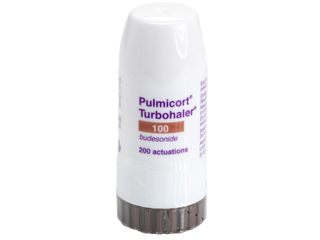
Pulmicort (Budesonide) – Patient Information (Australia)
Pulmicort is a medicine containing budesonide, a corticosteroid (anti-inflammatory medicine). It is used to reduce inflammation in the airways and help control breathing symptoms such as wheeze and shortness of breath. This page provides clear, practical information about how Pulmicort works, how it is used, and what to consider for safe use.
Note: Always follow the instructions on your product label and the advice of your healthcare professional. If you are unsure, ask a pharmacist.
Quick Facts
- Active ingredient: Budesonide
- Medicine type: Inhaled corticosteroid (anti-inflammatory)
- Common uses: Asthma control; inflammation management in some respiratory conditions as directed
- Key benefit: Helps prevent symptoms by reducing airway inflammation
- Works best: When used consistently every day
- Usually comes as: Nebuliser suspension and/or inhaler formulations (availability may vary by brand and strength)
Basic Product Information
| Category | Details |
|---|---|
| Brand name | Pulmicort |
| Generic name | Budesonide |
| How it’s taken | Inhalation (commonly via nebuliser; other inhaled forms may be available) |
| What it treats | Airway inflammation associated with conditions such as asthma (and other indications as advised) |
| Typical onset | Some symptom improvement may be noticed within hours to days; maximum benefit often takes longer |
How Pulmicort Works (Mechanism of Action)
Budesonide is a corticosteroid. When inhaled, it acts primarily in the lungs. It helps:
- Reduce inflammation in the airways
- Lower the activity of inflammatory cells involved in asthma
- Reduce airway swelling and mucus production
- Make airways less reactive to triggers such as allergens, cold air, exercise, or respiratory infections
Because it controls underlying inflammation, Pulmicort is designed to be used regularly to prevent symptoms and flare-ups. It is typically not used as the quick-relief medicine for sudden breathlessness.
Pharmacokinetics (How the Body Handles It)
Pharmacokinetics describes how the body absorbs, distributes, metabolises, and eliminates a medicine.
- Absorption: After inhalation, budesonide acts mainly locally in the airways. A portion may be swallowed and absorbed from the gastrointestinal tract.
- Metabolism: Budesonide is extensively metabolised, mainly by the liver enzyme CYP3A4. This helps convert it into less active metabolites.
- Elimination: Metabolites are eliminated primarily via the kidneys (and to a lesser extent via bile).
- Local effects: The inhaled route supports targeted treatment in the lungs, reducing systemic exposure compared with some other steroid routes.
Practical meaning: Drug interactions that affect CYP3A4 can change budesonide levels in the body (see “Alcohol and medicine interactions”).
What Pulmicort is Typically Used For (Indications)
Pulmicort is used to manage inflammatory conditions of the airways. The exact indication depends on the product type and strength and your individual treatment plan.
Common indication: Asthma
- Long-term asthma control to reduce frequency and severity of symptoms
- Helping to prevent flare-ups and improve overall lung function
- Often used alongside a reliever medicine (such as a short-acting bronchodilator), depending on your asthma plan
Other indications
Depending on availability and formulation in Australia, budesonide inhalation may also be used in other airway inflammatory conditions as directed by a clinician. If you’re unsure which condition it is for in your case, check with your pharmacist.
Typical Use and Timing
Inhaled corticosteroids like Pulmicort generally work best when used consistently.
How often?
- Frequency depends on your asthma severity and the product form (nebuliser suspension or other inhaled devices).
- Some regimens are once daily, while others may be twice daily.
- Your clinician will provide the exact schedule for your situation.
When to take it
- Try to use it at the same times each day.
- Use it after cleaning the nebuliser device (if using a nebuliser), and keep the device well maintained.
- If you are also using other inhaled medicines (such as bronchodilators), your pharmacist may suggest an order of use (commonly bronchodilator first, then Pulmicort).
How quickly does it work?
- Relief may begin: within hours to days for some people.
- Full benefit: can take longer (commonly days to several weeks), especially for prevention of flare-ups.
Important: If you feel your asthma is getting worse—more frequent symptoms, waking at night, or increased reliance on your reliever—seek medical advice promptly.
Food Interactions
Because Pulmicort is inhaled and acts largely in the lungs, food interactions are generally not a major concern. However, there are practical points:
- If any medicine is swallowed from nebuliser use, taking it with food may not be necessary, but maintaining normal eating patterns is recommended.
- If you’re using other medications, especially those affecting the stomach, follow the advice provided for those medicines.
Best practice for oral comfort: If using nebuliser, rinse your mouth after dosing (and spit out the water) if appropriate for your regimen. This can help reduce throat irritation and the risk of oral thrush.
Alcohol and Medicine Interactions
Alcohol
There is no widely recognised direct interaction between inhaled budesonide and alcohol. However:
- Alcohol may worsen asthma symptoms for some people (for example, by triggering symptoms or affecting sleep).
- Alcohol may make it harder to recognise early signs of worsening breathing.
- If you choose to drink, do so cautiously and avoid drinking during periods when your asthma is unstable.
Medicine interactions (important)
Budesonide is metabolised by CYP3A4. Medicines that inhibit or induce CYP3A4 may affect budesonide exposure.
- CYP3A4 inhibitors: can increase budesonide levels, potentially increasing side effects (e.g., some antifungals and certain antibiotics). Examples include ketoconazole and ritonavir (not an exhaustive list).
- Systemic corticosteroids: using additional steroids may increase overall corticosteroid-related effects.
- Other asthma medicines: combining with bronchodilators or other controllers may be appropriate. Your clinician will tailor the plan.
- Diuretics, heart medicines, or other drugs: generally not direct interactions, but always check with your pharmacist if you are on multiple medicines.
What to do: Tell your pharmacist about all medicines you use, including:
- Prescription medicines
- Over-the-counter medicines
- Herbal products (e.g., St John’s wort can affect metabolism)
- Recent courses of antibiotics or antifungals
Dosing (How Much to Take)
Dosing depends on several factors, including age, condition severity, symptom control, and the specific Pulmicort product (nebules vs other inhaled formulations). Follow the dosing instructions provided with your medicine.
General dosing principles
- Use the lowest effective dose that maintains control.
- If control is stable, your clinician may consider adjusting the dose over time.
- Do not suddenly stop Pulmicort without advice, especially if you’ve been using it regularly.
Typical dosing approach for asthma (illustrative)
Different strengths and regimens exist. Your exact dose may be once or twice daily. For children, dosing is often based on age and clinical assessment.
- Adults: regimens vary by asthma control and product strength.
- Children: dosing varies by age, body size, and severity; careful administration technique is especially important.
Always check your label: The number of nebules, the volume per nebule, and your prescribed schedule may differ between products.
Safety Profile and Side Effects
Like all medicines, Pulmicort can cause side effects. Many people tolerate inhaled budesonide well, especially at recommended doses. Side effects can include:
Common (usually mild)
- Throat irritation or hoarseness
- Cough or mild breathing discomfort after inhalation
- Oral thrush (fungal infection in the mouth/throat) – risk reduced by rinsing mouth after use
- Headache in some people
Less common but important
- Worsening asthma symptoms if the dose is inadequate or if technique is poor
- Systemic corticosteroid effects are less likely with inhaled therapy but may occur with higher doses or long-term use, such as:
- Reduced growth velocity in children (monitoring is recommended)
- Bruising or skin thinning
- Bone effects with long-term high dosing
- Eye effects such as cataracts or glaucoma (especially with prolonged use)
- Allergic reactions (rare), including rash, swelling, or breathing difficulty
Seek urgent help if
- you develop severe allergic symptoms (e.g., facial swelling, hives, severe wheezing)
- breathing is rapidly worsening despite your reliever
- you develop signs of serious infection or feel very unwell
What to report to your healthcare professional
- Persistent hoarseness or suspected thrush
- Frequent use of reliever medicine
- Any concerns about growth in children
- Unexpected bruising or new symptoms suggesting steroid effects
Practical Tips for Using Pulmicort Safely and Effectively
Correct use improves effectiveness and reduces side effects.
1) Use the correct technique
- If using a nebuliser: ensure the mask/mouthpiece fits properly and the nebuliser is functioning.
- If using another inhaled form: check device technique regularly; many people benefit from a pharmacist or asthma nurse demonstrating correct use.
2) Rinse your mouth after inhalation
- Rinse with water and spit it out (do not swallow) to help reduce the risk of oral thrush, especially with higher doses.
3) Maintain your nebuliser equipment (if relevant)
- Clean and store the nebuliser components as instructed by the manufacturer.
- Replace worn parts if recommended.
- Use clean water for preparation where required by the product instructions.
4) Don’t use it as a reliever
Pulmicort reduces inflammation over time. If you have sudden breathing difficulty, follow your asthma action plan for the reliever medication you’ve been prescribed.
5) Monitor your response
- Track symptoms and reliever use as advised by your clinician.
- If symptoms worsen, seek advice rather than increasing dose on your own.
Missed Doses and Overuse
If you miss a dose
- Take it as soon as you remember if it’s close to the scheduled time.
- If it’s almost time for the next dose, skip the missed dose—don’t double up.
- If you are unsure, ask your pharmacist.
Overuse concerns
Using more than recommended can increase side effects. If you think you may have used too much, contact a pharmacist or healthcare professional for advice.
Alternative Options
If Pulmicort isn’t suitable or you need a different option, there are alternatives. Your clinician may consider:
- Other inhaled corticosteroids (different budesonide brands or other steroid molecules)
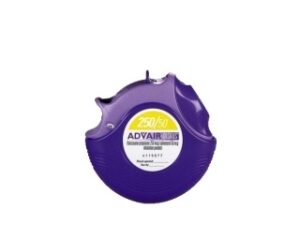
- Combination inhalers that include an inhaled corticosteroid plus a long-acting bronchodilator (for certain asthma control levels)
- Nebulised options or different delivery devices depending on age and technique
- Non-steroid add-ons in specific cases (e.g., leukotriene receptor antagonists) as directed
Your pharmacist can help compare available options in Australia, including strengths and delivery devices.
Australia Market & Legal/Regulatory Context
In Australia, medicines such as Pulmicort are supplied under the country’s medicines framework. Availability may vary by product form and strength. Many inhaled corticosteroids are regulated and supplied according to Australian scheduling and pharmacy requirements.
- Pharmacy supply: depending on the specific product, it may be available under pharmacist supply rules or other arrangements.
- Safety requirements: patients may be asked for medication details and for confirming appropriate use, particularly for ongoing respiratory therapy.
- Asthma management: inhaled steroid therapy is supported by national and international asthma guidance, typically emphasizing regular controller use and correct inhaler technique.
For the most accurate information about your exact Pulmicort product and its supply status, check the product details displayed on the pharmacy website or ask a pharmacist.
Recent Guidance and Treatment Principles (Australia-focused)
Asthma and airway management guidelines commonly emphasise a few consistent themes:
- Anti-inflammatory treatment: inhaled corticosteroids remain a core controller therapy for persistent asthma.
- Technique matters: correct inhalation technique improves effectiveness and reduces wasted medicine.
- Regular review: clinicians review symptoms, lung function (where appropriate), and reliever use to determine whether dose adjustment is needed.
- Stepwise approach: treatment may be increased when control is poor and reduced once stable, under supervision.
Practical takeaway: Pulmicort works best as part of an overall asthma plan, which often includes a reliever medicine and an agreed action plan for flare-ups.
Delivery and Availability (Online Pharmacy)
Online pharmacies in Australia typically stock Pulmicort according to demand and supply schedules. Availability can depend on:
- Product form (e.g., nebuliser suspension vs other inhalers)
- Strength and pack size
- Stock levels and distribution timelines
Delivery considerations:
- Cold-chain is usually not required for inhaled corticosteroid nebules, but always follow the storage instructions on the pack.
- Check estimated delivery times at checkout.
- Make sure someone is available to receive the parcel if delivery requires signature.
If your preferred product strength is out of stock, your pharmacist may suggest an alternative formulation or strength that matches your prescribed regimen.
Storage and Handling
- Store as directed on the pack (commonly at controlled room temperature away from heat and moisture).
- Keep medicines out of reach of children.
- Do not use expired medicine.
- If using nebules, follow the product instructions for opening and discarding (single-use practice is common).
FAQ – Pulmicort (Budesonide)
1. Is Pulmicort a reliever medicine?
No. Pulmicort is an inhaled corticosteroid that helps control inflammation over time. It is typically used as a controller, not for sudden symptom relief. Use your reliever medicine as directed in your asthma action plan.
2. How long will it take to work?
Some people notice improvement within hours to days, but maximum benefit often takes longer (commonly days to weeks). Consistent daily use is key.
3. What if my child uses Pulmicort—are there growth concerns?
Inhaled corticosteroids can affect growth velocity in some children, especially at higher doses or prolonged use. Your clinician should monitor growth. Do not stop therapy without medical advice; uncontrolled asthma can also affect growth and wellbeing.
4. How do I reduce the risk of thrush?
Rinse your mouth after inhalation (and spit out the water) when appropriate for your regimen. Use the correct technique and follow dose instructions.
5. Can I use Pulmicort during a flare-up?
Pulmicort is part of long-term control and is usually continued during flare-ups. However, worsening asthma may require additional treatment. Follow your asthma action plan and seek medical advice if symptoms are not improving.
6. Are there any interactions with antibiotics or antifungal medicines?
Some medicines can affect budesonide levels because of CYP3A4. Tell your pharmacist about all medicines you’re taking, including antibiotics and antifungals, to check for interaction risks.
7. Does food affect Pulmicort?
Food interactions are generally not a major issue because the medicine is inhaled. Practical steps like rinsing the mouth can still help reduce side effects.
8. Can I drink alcohol while using Pulmicort?
There is typically no direct interaction, but alcohol may worsen asthma symptoms for some people. If you choose to drink, do so cautiously—especially if your asthma is not well controlled.
9. What should I do if I miss a dose?
Take it as soon as you remember if it’s close to the scheduled time. If it’s nearly time for the next dose, skip the missed dose—don’t double up. Ask your pharmacist if unsure.
10. Where can I get help with inhaler or nebuliser technique?
Ask your pharmacist to demonstrate correct technique. Many asthma control issues come from incorrect device use or poor coordination.
When to Seek Professional Advice
Contact your healthcare professional or pharmacist promptly if you experience:
- Increasing breathlessness, wheeze, or coughing
- More frequent night-time symptoms
- A sudden increase in reliever use
- Suspected thrush (white patches in the mouth, soreness, unusual taste) that does not improve
- Concerns about side effects or questions about dosing
With regular use and correct technique, Pulmicort can be an effective part of long-term airway inflammation control.