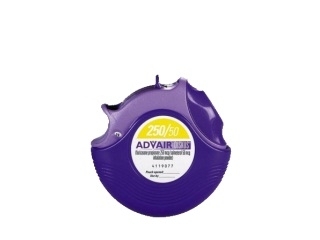
Advair Diskus (Salmeterol + Fluticasone) – Patient Information (Australia)
Advair Diskus is an inhaled medicine used to help control long-term breathing problems such as asthma and chronic obstructive pulmonary disease (COPD). It combines two medicines in one device:
- Salmeterol (a long-acting bronchodilator, belonging to the LABA group)
- Fluticasone (an inhaled corticosteroid, ICS)
This page explains how Advair Diskus works, how it is used, and important safety information for people in Australia.
Key Product Facts
| Feature | What it means for you |
|---|---|
| Medicine | Fluticasone + Salmeterol (inhaled) |
| Type | Maintenance (controller) medicine for long-term control |
| Device | Breath-activated dry powder inhaler (Diskus) |
| Common uses | Asthma control and COPD symptom reduction |
| When it works | Designed for regular daily use; benefits build over time |
| Not for | Quick relief of sudden breathlessness (you still use a reliever inhaler as advised) |
How Advair Diskus Works (Mechanism of Action)
Advair Diskus contains two complementary components that work together to improve airflow and reduce airway inflammation:
-
Salmeterol (LABA): Relaxes the muscles around the airways, helping keep them open. This improves airflow and reduces symptoms such as wheeze, chest tightness, and shortness of breath over a longer period.
-
Fluticasone (ICS): Reduces inflammation in the airways. This helps decrease swelling and mucus production, which are key drivers of asthma and COPD symptoms.
Why the combination matters: Using a long-acting bronchodilator together with an inhaled corticosteroid helps improve control more effectively than either component alone for many people.
Pharmacokinetics (Absorption, Distribution, Metabolism, Elimination)
Because Advair Diskus is inhaled, the medicine primarily acts in the lungs. The exact levels in the body vary between individuals and depend on inhalation technique and device use.
- Absorption: A portion of the inhaled dose reaches the lungs; some is swallowed and absorbed through the gastrointestinal tract at a lower extent.
- Distribution: Both components can be detected at systemic levels, but inhaled dosing aims to keep systemic exposure relatively low compared with oral steroid therapy.
- Metabolism: Fluticasone is extensively metabolised in the liver (primarily via CYP3A4). Salmeterol is also metabolised in the liver.
- Elimination: Metabolites are eliminated mainly via the faeces, with some renal excretion.
Clinical relevance: Systemic side effects may be more likely at higher doses or with certain drug interactions that increase levels of fluticasone.
Typical Use and Indications
Advair Diskus is used as a maintenance (controller) medicine to help prevent symptoms and reduce flare-ups.
Indications (Common Uses)
- Asthma: For individuals who need ongoing control of symptoms and prevention of exacerbations.
- COPD: To help reduce symptoms and improve lung function in people with chronic obstructive pulmonary disease.
Important note: Advair Diskus is not intended to relieve sudden breathing difficulty. A separate reliever inhaler (often a short-acting bronchodilator) is typically used for quick relief, as advised by your healthcare professional.
Timing: When to Take Your Doses
Advair Diskus is usually taken twice daily. Consistency is key to maintaining control.
- Set a routine: Choose times that suit your day (for example, morning and evening).
- Try not to miss doses: If you miss a dose, take it as soon as you remember unless it is nearly time for the next dose. Avoid doubling up.
- It is normal to feel better gradually: Fluticasone’s anti-inflammatory effects may take time, so continue regularly even if symptoms improve quickly.
During worsening symptoms (e.g., increased wheeze, more frequent reliever use, or worsening breathlessness): follow your asthma/COPD action plan and seek medical advice if symptoms do not improve.
Food Interactions
Because Advair Diskus is an inhaled medicine, food interactions are generally not a major concern. There is no common requirement to take it with or without food.
- Swallowed portion: Some inhaled powder may be swallowed; this is unlikely to be affected significantly by food.
- Stomach comfort: If you experience throat irritation, it can sometimes help to rinse your mouth after inhaling (see practical tips below).
If you have specific dietary restrictions or experience side effects, it’s reasonable to discuss them with your healthcare professional.
Alcohol and Medicine Interactions
Alcohol
There is no well-established direct interaction between typical amounts of alcohol and Advair Diskus. However:
- Alcohol can worsen breathing for some people, especially in asthma or COPD, and may affect sleep and recovery.
- Alcohol plus other sedating medicines may increase risk of dizziness or reduced coordination—relevant if you are also using other medicines.
As a general approach, it’s safest to keep alcohol moderate and avoid it if you notice it worsens symptoms.
Medicine Interactions (Most Important)
Some medicines can affect the way fluticasone is metabolised, potentially increasing side effects. In particular:
- CYP3A4 inhibitors (e.g., certain antifungals like ketoconazole, and some antibiotics such as clarithromycin): may raise fluticasone levels and increase risk of systemic corticosteroid effects.
- Other medicines that affect heart rhythm: Be cautious if you take drugs that can influence heart rate or rhythm (interaction risk depends on the specific medicine).
- Beta-blockers (including some eye drops for glaucoma): may reduce the bronchodilator effect of salmeterol. Use only if your clinician decides it is appropriate.
- Other inhaled bronchodilators: Your plan may include reliever medicines; follow your action plan to avoid overuse.
Tell your pharmacist or doctor about all medicines you take (including over-the-counter products and herbal supplements) to check for interactions.
How to Use Advair Diskus (Practical Use Tips)
Advair Diskus is a dry powder inhaler that releases medicine when you inhale with sufficient force. Good technique helps ensure the medicine reaches your lungs.
Before You Start
- Check that the dose counter shows you have medicine remaining.
- If you are using it for the first time or after a long break, ensure you understand the steps with the help of a pharmacist or nurse.
Step-by-Step Inhalation (General Instructions)
- 1. Open the Diskus: Move the lever until you hear/feel it click (this prepares the dose).
- 2. Breathe out away from the mouthpiece: Do not blow into the device.
- 3. Inhale forcefully and deeply: Seal your lips around the mouthpiece and inhale steadily.
- 4. Hold your breath: Hold for about 5–10 seconds if comfortable.
- 5. Close the device: Close the Diskus after inhalation.
After Inhalation
- Rinse your mouth and spit out after each dose (important for reducing risk of oral thrush and hoarseness).
- Dry powder can taste different: Some people notice a mild taste or grit—this is common.
- If you use a spacer-like approach (not typical for Diskus), follow clinician guidance. Advair Diskus is designed as a dry powder device.
When to Seek Help
Contact your healthcare professional if you:
- Are using your reliever more often than usual
- Have persistent wheeze, chest tightness, or breathlessness
- Develop fever, worsening cough, or signs of infection
- Experience severe allergic symptoms (e.g., swelling of face or throat, rash, difficulty breathing)
Dosing (General Information)
Dosing depends on the condition being treated, your severity, age, and response to therapy. Available strengths vary between products, and your clinician will select the appropriate dose.
- Typical pattern: Often twice daily for maintenance therapy.
- Strength: Different Advair Diskus strengths contain different amounts of salmeterol and fluticasone.
- Adjustment: Your clinician may increase or decrease your dose depending on symptom control and side effects.
Do not change your dose without medical advice. If control is stable, your healthcare professional may consider stepping down to the lowest effective dose over time.
Safety Profile: Common and Important Side Effects
Like all medicines, Advair Diskus may cause side effects. Many are mild and related to local effects in the mouth and throat. The benefit should outweigh risks when used correctly.
Common Side Effects
- Hoarseness or voice changes
- Throat irritation
- Oral thrush (usually preventable with mouth rinsing)
- Headache
- Nervousness or mild tremor (more related to salmeterol for some people)
- Muscle cramps (uncommon but can occur)
Less Common but Serious Risks
- Adrenal suppression: Inhaled steroids can affect adrenal function, especially at higher doses or with long-term use.
- Increased risk of pneumonia in some COPD patients: Report persistent fever, increased sputum, or worsening cough/breathlessness.
- Heart effects (palpitations, fast heartbeat), particularly at higher doses or in susceptible individuals.
- Electrolyte changes (e.g., low potassium) are possible with beta-agonist components, especially if combined with certain other medications (like some diuretics).
- Paradoxical bronchospasm: Rare; if it occurs, stop and seek immediate advice.
- Allergic reactions: Seek urgent care if severe symptoms occur.
When to Seek Urgent Medical Attention
Get urgent help if you experience:
- Severe or rapidly worsening shortness of breath
- Swelling of face, lips, tongue, or throat
- Fainting, severe chest pain, or significant irregular heartbeat
- Signs of infection that rapidly worsen (particularly in COPD)
Safety Considerations for Special Groups
- Children: Dosing and suitability depend on age and diagnosis. Inhaler technique is crucial and should be reviewed regularly.
- Older adults: Monitoring may be important due to higher likelihood of co-existing conditions and medication interactions.
- Pregnancy and breastfeeding: Discuss risks and benefits with a clinician. Do not stop controller therapy without guidance.
- People with heart conditions or known rhythm problems: Use should be carefully assessed.
- People with infections (e.g., untreated thrush): Inform your clinician; mouth rinsing can help prevent recurrence.
Recent Guidance and Practical Updates (What to Know)
In Australia, asthma and COPD management commonly follows evidence-based clinical guidelines. These generally emphasise:
- Regular controller use for asthma and COPD when indicated
- Inhaler technique checks at reviews, because correct technique is strongly linked to better outcomes
- Rinse after inhaled steroids to reduce thrush and hoarseness
- Action plans for exacerbations, including when to step up treatment and when to seek urgent care
Your personal plan may differ depending on symptom pattern and stability. If you have frequent flare-ups, it may be a sign that your current regimen needs review.
Alternative Options
If Advair Diskus is not suitable or if your regimen needs adjusting, there are several common alternatives depending on whether asthma or COPD is being treated.
Asthma Alternatives
- Other inhaled corticosteroid (ICS) controllers alone for some people
- ICS/LABA combinations in different strengths or with different LABA agents
- Leukotriene receptor antagonists (add-on option for some individuals)
- Biologic therapies for specific asthma types (for eligible patients under specialist care)
COPD Alternatives
- Long-acting bronchodilators (e.g., LAMA or LABA)
- ICS/LABA combinations for selected patients
- Triple therapy inhalers (ICS + LABA + LAMA) for some people based on exacerbation history
Your clinician can advise which option is best based on symptoms, lung function, exacerbations, and side effect risks.
Market and Legal Context for Australia (High-Level)
In Australia, inhaled medicines are regulated through the usual medicines framework and prescribing processes. For safety and appropriate use, treatments for asthma and COPD typically involve clinician oversight to ensure:
- Correct indication and inhaler choice
- The right inhaler technique
- Suitable dosing and monitoring of response
- Appropriate action plans for exacerbations
Online pharmacies may offer delivery services within Australia subject to state and federal requirements, with medicines supplied in accordance with applicable rules and documentation.
Delivery and Availability in Australia
Availability can vary by strength and device type. Many online pharmacies can deliver Advair Diskus to eligible Australian customers.
- Packaging: Typically supplied in sealed, manufacturer-labelled packaging.
- Stock availability: Strengths and formats may sell out at different times.
- Delivery timeframe: Delivery estimates vary by location and courier service.
- Storage: Store at room temperature as directed on the carton; protect from moisture.
Tip: If you rely on this medicine daily, consider ordering in advance before you run low.
Practical Use Tips for Better Outcomes
- Use every day (maintenance therapy): even when you feel well.
- Check technique: Ask a pharmacist to watch you inhale; small improvements can make a big difference.
- Rinse and spit after each dose to help prevent thrush.
- Keep track of symptoms: note changes in wheeze, cough, and how often you use your reliever.
- Know your action plan: understand when to seek urgent care.
- Don’t stop suddenly: controller medicines should be reviewed if you plan to discontinue.
- Consider triggers: allergens, smoke, infections, and cold air can affect control.
Frequently Asked Questions (FAQ)
1. Is Advair Diskus a reliever or a preventer?
Advair Diskus is a preventer/controller medicine for long-term control. It is not designed for quick relief of sudden breathlessness. You will usually also be given a separate reliever inhaler for rapid symptoms.
2. How quickly will I feel better?
Some people notice improvement in breathing within days, but full benefit—especially from the inhaled steroid—may take longer. Keep using it regularly as advised and review control after an appropriate period.
3. What should I do if I miss a dose?
Take it as soon as you remember unless it is almost time for your next dose. Avoid taking extra doses to “catch up.” If you’re unsure, ask your pharmacist.
4. I heard that inhaled steroids can cause thrush. How can I prevent it?
Rinse your mouth and spit out after each dose. This reduces medicine remaining in the mouth and helps lower the risk of thrush and hoarseness.
5. Can I drink alcohol while using Advair Diskus?
Moderate alcohol use is not known to have a direct interaction with Advair Diskus for most people. However, alcohol can worsen breathing for some, and it may interact with other medicines you take. If alcohol affects your symptoms, consider avoiding it.
6. Are there foods I should avoid?
No specific food restrictions are typically required for Advair Diskus. Still, maintaining a healthy diet supports overall respiratory health.
7. What medicines are most likely to interact?
Medicines that affect liver enzymes (especially CYP3A4 inhibitors) may increase fluticasone exposure. Always tell your pharmacist about all medicines and supplements so they can check for interactions.
8. My symptoms are getting worse—should I increase my Advair Diskus dose?
Do not change your dose without clinician advice. Worsening symptoms may indicate an exacerbation or incorrect inhaler technique, and your action plan may require a different approach.
9. Can Advair Diskus be used for both asthma and COPD?
Yes. Advair Diskus is used for both conditions in appropriate patients. The selected strength and dosing schedule can differ depending on the diagnosis and individual needs.
10. How long can I use Advair Diskus?
Many people use controller therapy long-term. Your clinician may reassess periodically and consider step-down therapy if control is consistently good.
Summary
Advair Diskus combines salmeterol and fluticasone to provide maintenance control of asthma and COPD. It works by keeping airways open and reducing inflammation. For best results, use it consistently as a controller medicine, use the inhaler technique correctly, and rinse your mouth after each dose. If you experience worsening breathing, frequent reliance on your reliever, or symptoms such as fever or chest tightness that do not improve, follow your action plan and seek medical advice.