

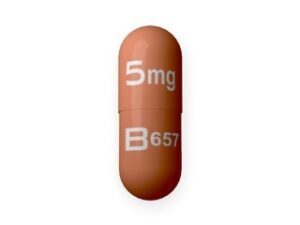

Provigil (Modafinil) — Patient Information (Australia)
Provigil is a brand of modafinil, a wakefulness-promoting medicine used to help people stay alert. It is commonly prescribed for certain sleep disorders and for excessive daytime sleepiness where appropriate.
This page is written to be patient-friendly and practical. Always follow the advice of your treating clinician and the instructions provided with your medicine.
Quick facts
- Active ingredient: Modafinil
- Brand example: Provigil
- Medicine type: Wakefulness-promoting agent
- Common reason for use in Australia: Excessive daytime sleepiness associated with specific conditions (see “Indications” below)
- How it’s taken: Usually once daily in the morning (timing can depend on your condition)
- Notable effects: Can improve alertness; may affect sleep if taken too late
How Provigil works (mechanism of action)
Modafinil’s exact mechanism is not fully understood, but it is believed to promote wakefulness through effects on brain signalling systems involved in alertness.
Key points:
- Promotes wakefulness: It helps reduce excessive sleepiness and improves the ability to stay awake and alert.
- Brain neurotransmitter effects: Modafinil appears to influence neurotransmitters (such as dopamine and orexin/hypocretin pathways indirectly), which are involved in arousal and attention.
- Less “sedative reversal”: Unlike classic stimulants, modafinil is generally not described as simply “counteracting sedation”—it is used to treat a sleepiness disorder.
What you may notice: Many people experience improved alertness within hours, but the medicine does not typically “replace” good sleep. It works best when used as part of a structured treatment plan for the underlying sleep condition.
Pharmacokinetics (how the body processes it)
Pharmacokinetics describes how modafinil is absorbed, metabolised, and eliminated. Understanding this helps explain why timing matters.
| Topic | Typical information (overview) |
|---|---|
| Absorption | Modafinil is absorbed after oral dosing. Peak blood levels usually occur within several hours (commonly ~2–4 hours in many patients). |
| Onset of effect | Improved alertness often begins within the first few hours after taking the dose. |
| Metabolism | Primarily metabolised in the liver, mainly via CYP enzymes (notably CYP3A4 and related pathways). |
| Half-life | Often described as roughly ~12–15 hours (individual variation occurs). This contributes to the need for morning dosing to protect sleep. |
| Elimination | Metabolites are excreted mainly via the kidneys. |
Typical use and indications
Provigil is used in Australia for conditions that cause excessive daytime sleepiness. The exact approved indications and requirements can depend on product formulation and current listings.
In many clinical settings internationally, modafinil is used for:
- Narcolepsy (often with or without cataplexy)
- Obstructive Sleep Apnoea (OSA) or sleep-disordered breathing, typically as an adjunct to appropriate therapy (such as continuous positive airway pressure, where indicated)
- Excessive daytime sleepiness associated with other documented sleep disorders (for example, in some jurisdictions including shift-work sleep disorder)
Important: If you have OSA, treating the airway obstruction (e.g., with CPAP or other measures) is essential. Modafinil may help sleepiness, but it does not cure the underlying breathing disorder.
Dosing overview (how it’s usually taken)
Dosing should be individualised by your clinician based on your diagnosis, age, other health conditions, and other medicines you use.
General dosing pattern (commonly used):
- Adults: Often taken once daily in the morning.
- Dose strength options: Provigil products may be available in different tablet strengths (commonly 100 mg and 200 mg in many markets; availability may vary).
- Special caution: Dose adjustments may be needed in people with liver impairment or other risk factors.
Do not exceed your prescribed dose and do not change the dose without medical advice. Taking extra to “feel it sooner” increases the risk of side effects.
Timing: when to take Provigil
Timing is one of the most important practical factors with modafinil because it can affect your ability to sleep.
- Best time: Many people take their dose in the morning (for example, at or before breakfast).
- Avoid late dosing: Taking it too late can cause insomnia or trouble falling asleep.
- If you work shifts: Your clinician may advise a tailored schedule (e.g., around your working hours).
Tip: If you notice difficulty sleeping at night, speak to your clinician about adjusting timing or dose. Don’t simply stop suddenly without discussing it.
Food interactions
Food can influence how quickly the medicine is absorbed, but it usually does not drastically change how well modafinil works overall.
- With food: Taking modafinil with food may delay onset slightly in some people.
- Without food: Some people feel effects earlier when taken on an empty stomach.
Practical approach: Choose a consistent routine (e.g., always morning with breakfast or always on an empty stomach) and monitor how you feel. If you are sensitive to sleep disruption, avoid taking it late and keep it consistent.
Alcohol interactions
Combining modafinil with alcohol can increase the risk of side effects such as:
- dizziness
- headache
- impaired judgement
- sleep disruption (which may worsen next-day sleepiness)
Even though modafinil can make you feel more awake, it does not reliably reduce the impairing effects of alcohol on thinking, reaction time, or safety. For safety reasons, avoid drinking alcohol close to dosing or in situations where alertness is critical.
Medicine interactions (including important CYP interactions)
Modafinil can interact with other medicines. It may affect liver enzymes involved in drug metabolism, and some medicines can affect modafinil levels.
Always tell your clinician and pharmacist about all medicines you take, including:
- Prescription medicines
- Over-the-counter products
- Herbal supplements (e.g., St John’s wort)
- Vitamins or high-dose supplements
Potential interaction categories include:
- Hormonal contraceptives: Modafinil may reduce the effectiveness of some hormonal contraceptives in some circumstances due to enzyme induction effects. Reliable contraception is important—ask your clinician for advice.
- Medicines metabolised by liver enzymes: Because modafinil can influence CYP pathways, interactions may occur with certain antidepressants, antipsychotics, anticonvulsants, and other drugs metabolised in the liver.
- Strong enzyme inhibitors or inducers: Some medicines can increase or decrease modafinil blood levels.
What to do:
- Ask your pharmacist to check interactions when starting, stopping, or changing doses of any medicine.
- If you have unexpected side effects or loss of effect, contact your clinician—this can indicate an interaction.
Safety profile: side effects and warnings
Most people tolerate modafinil reasonably well, but like all medicines, it can cause side effects. The likelihood and severity vary by person and dose.
Common side effects
- Headache
- Nausea or stomach discomfort
- Dry mouth
- Insomnia or trouble sleeping (especially with late dosing)
- Anxiety, nervousness, or restlessness
- Dizziness
Less common but important effects
- Rash (including new or worsening skin reactions)
- Palpitations or changes in heart rate
- Blood pressure changes (your clinician may monitor)
- Reduced appetite or weight changes
Seek urgent medical care for
Contact a healthcare professional urgently or seek emergency help if you develop:
- Severe rash, blistering, or peeling skin
- Swelling of the face/lips, trouble breathing, or severe allergic reactions
- Chest pain, fainting, or severe palpitations
- Signs of serious illness such as high fever with rash or general deterioration
Note: Serious skin reactions are rare, but they are a known concern with medicines like modafinil. Any rash should be taken seriously, especially if it is widespread or accompanied by fever or illness.
Driving and safety
If you drive, modafinil may improve wakefulness, but it does not guarantee you are fully alert or unaffected. Avoid driving or operating machinery until you know how your body responds to modafinil and until you are confident it does not cause sleep problems or dizziness.
Practical use tips (getting the best results)
- Use it consistently: Take it at the same time each day as directed.
- Keep to the morning schedule: To reduce insomnia, avoid late dosing.
- Prioritise sleep quality: If you use CPAP for OSA, continue it as advised—modafinil is not a substitute.
- Limit caffeine: Too much caffeine combined with modafinil can worsen anxiety, palpitations, or sleep onset. If you use caffeine, keep it moderate and earlier in the day.
- Track your response: Note daytime sleepiness, sleep quality, headaches, and mood changes for the first couple of weeks.
- Don’t abruptly stop: If you want to discontinue, discuss with your clinician for an appropriate plan.
- Be cautious with other stimulants: Combining with energy drinks, high-dose decongestants, or other stimulants can increase side effects.
Alternative options
Depending on your diagnosis, there may be alternatives to modafinil. Your clinician can recommend options based on your condition, response to treatment, side effect profile, and current availability.
Possible alternatives may include:
- Armodafinil (a related wakefulness-promoting medicine with a similar purpose)
- Other prescription wakefulness treatments used for specific sleep disorders (choice depends on the diagnosis and local prescribing practices)
- Non-medicine strategies (especially for OSA and sleep hygiene):
- CPAP and mask optimisation
- Sleep schedule and behavioural adjustments
- Light management and scheduled activity for shift work
- Addressing contributing factors (e.g., alcohol timing, sedating medications)
How to choose: Alternatives may differ in timing, duration, and individual tolerability. Discuss with your clinician if Provigil isn’t working well or if side effects occur.
Market and legal context in Australia (overview)
In Australia, medicines are regulated by the Therapeutic Goods Administration (TGA) and are supplied under rules designed for safety. The classification of modafinil and the legal requirements for supply can change over time.
When purchasing or sourcing medicines in Australia, it’s important to:
- Ensure products are TGA-approved or otherwise legally supplied.
- Use reputable pharmacies and compliant supply channels.
- Be aware that availability may vary by strength, formulation, and stock levels.
Recent guidance: Australian supply and prescribing practices can be updated based on safety monitoring, risk communication, and TGA advice. If you are starting modafinil, check that you are using current product information and follow the latest clinical guidance from your treating team.
Delivery and availability (Australia)
Availability may depend on the specific modafinil product and tablet strengths. For the most reliable delivery estimates, allow time for processing and verification steps that pharmacies may require.
- Stock status: Some strengths may be in higher demand; delivery times can vary.
- Order processing: Online pharmacies typically process orders during business hours.
- Shipping times: Delivery timelines depend on your location within Australia and courier schedules.
Tip: If you are starting treatment, ordering a few days earlier can help avoid gaps, particularly if you travel or have work schedules that don’t allow easy delays.
What to expect when starting Provigil
Many people notice alertness improvements quickly, but the overall benefit can take time—especially if your sleep pattern or underlying condition is still being managed.
- First days: You may notice changes in wakefulness; side effects like headache or nausea can occur.
- First 1–2 weeks: Your sleep quality and “daytime crash” pattern may stabilise.
- Ongoing: Your clinician may adjust timing or dose if needed.
If your symptoms worsen, or if you develop concerning side effects (especially rash), contact a healthcare professional promptly.
FAQ
1) Is Provigil the same as modafinil?
Yes. Provigil is a brand name that contains modafinil as the active ingredient.
2) How long does Provigil last?
Because modafinil has a relatively long duration in the body (often described with a half-life around 12–15 hours), effects can carry into the evening. This is why morning dosing is commonly recommended.
3) Can I take it with breakfast?
Yes, many people take it with food to reduce stomach upset. Food may slightly affect the speed of absorption, but it generally does not prevent the medicine from working.
4) Will Provigil make me feel “high”?
For most patients, modafinil is used to treat sleepiness and is not typically described as producing intoxication like some recreational stimulants. However, it can cause side effects such as anxiety or restlessness in some people.
5) Can I drink coffee or energy drinks?
Moderate caffeine is often tolerated, but combining high caffeine or energy drinks with modafinil can increase anxiety, headaches, or sleep problems. If you notice these effects, reduce caffeine and keep it earlier in the day.
6) Can I drink alcohol while taking Provigil?
It’s best to limit or avoid alcohol. Alcohol can worsen side effects such as dizziness and sleep disruption. Even if you feel more awake, alcohol can still impair judgement and reaction time.
7) What if I miss a dose?
If you miss a dose, take it only if it does not interfere with your sleep schedule. If it is already late in the day, skip the missed dose and continue with your next morning dose as directed by your clinician or pharmacist.
8) What should I do if I get a rash?
Contact a healthcare professional promptly. A new or worsening rash should not be ignored, especially if accompanied by fever or feeling unwell.
9) Who should be extra cautious?
Extra caution may be needed for people with liver problems, a history of skin reactions to similar medicines, cardiovascular issues, or those taking medicines with known interaction potential.
10) Are there alternatives?
Yes. Depending on your diagnosis and local availability, alternatives may include similar wakefulness-promoting agents or non-medicine strategies (especially for OSA and shift-work related sleepiness). Discuss options with your clinician.
Disclaimer: This information is intended as general patient education for consumers in Australia. It does not replace personalised medical advice. If you have questions about your condition, dosing, interactions, or side effects, speak to your clinician or pharmacist.