Prograf (Tacrolimus) — Patient Guide (Australia)
Prograf is a brand of tacrolimus, an immunosuppressant medicine used to help prevent organ rejection after transplantation. It works by reducing the body’s immune activity so your transplanted organ can be accepted and function normally.
This guide is written to be patient-friendly and practical. It explains how Prograf works, how it’s used, what to expect, and key safety information. It also covers important food and medicine interactions and offers an FAQ section for common questions.
Key Product Information
| Feature | What to know |
|---|---|
| Medicine name | Prograf (tacrolimus) |
| Medicine class | Immunosuppressant (calcineurin inhibitor) |
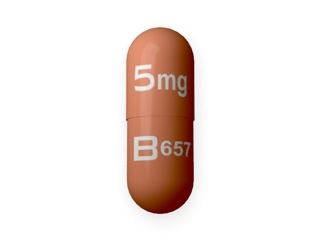
| Common forms | Oral capsules (strengths vary by product) |
| When used | Prevention and treatment of rejection in transplant recipients; in certain settings as directed |
| How it’s monitored | Blood tests for tacrolimus levels are commonly required |
| Main safety focus | Kidney function, blood sugar, potassium, infection risk, and drug interactions |
How Prograf Works (Mechanism of Action)
Tacrolimus (Prograf) belongs to the group of medicines called calcineurin inhibitors. The immune system activates T-cells to attack transplanted tissue. Tacrolimus interferes with this activation process by inhibiting a signalling pathway inside T-cells.
- It blocks calcineurin, a protein needed for immune activation.
- This reduces production of immune signalling chemicals (including interleukins) that drive rejection.
- The result is weaker immune response, lowering the chance of rejection.
Because tacrolimus has a narrow range between effective and potentially harmful doses, your healthcare team typically monitors your blood tacrolimus levels and organ function.
Pharmacokinetics (How Your Body Handles Tacrolimus)
“Pharmacokinetics” describes what happens to the medicine in the body: absorption, distribution, metabolism, and elimination.
Absorption
- Tacrolimus is absorbed after taking it by mouth.
- Absorption can vary between people and may be affected by food.
- Some transplant patients switch between similar tacrolimus brands or formulations; if you do, monitoring is often increased because blood levels may change.
Distribution
- Tacrolimus binds extensively to proteins in the blood.
- It distributes widely through the body.
Metabolism
- Tacrolimus is metabolised primarily in the liver and gut.
- A key enzyme involved is CYP3A (and related transporters).
- Because many medicines affect CYP3A, drug interactions are very important.
Elimination
- Most of the drug and its metabolites are removed through the body’s elimination pathways (mainly via bile and faeces).
- Because the half-life may be variable, steady dosing and monitoring matter.
What Prograf Is Used For (Typical Use and Indications)
Prograf is used to help prevent rejection of transplanted organs, and it may also be used in certain cases as part of a transplant regimen. Common transplant settings include:
- Prevention of organ rejection in people receiving solid organ transplants.
- Some patients may receive it with other immunosuppressive medicines (for example, corticosteroids and/or antimetabolites) depending on the transplant plan.
The exact regimen and goals depend on your transplant type, time since transplant, your risk of rejection, and your blood test results.
How to Take Prograf (Timing and Practical Use Tips)
Follow the instructions given to you by your transplant team. Tacrolimus dosing is individual and usually adjusted based on blood levels and side effects.
Typical timing
- Tacrolimus is often taken in two divided doses per day (for example, morning and evening), spaced approximately 12 hours apart.
- Try to take your doses at consistent times each day.
- If your regimen is once daily, follow your specific prescription schedule.
Consistency with daily routine
- Take your dose at the same times and keep your routine stable.
- Do not change brand or formulation without guidance, because dosing and absorption can differ.
Missed dose guidance
If you miss a dose, take it when you remember unless it’s close to the next dose. If it is close, skip the missed dose and resume your normal schedule. Do not take a double dose to catch up.
If you are unsure, contact your transplant team or pharmacist for advice.
Practical handling tips
- Swallow capsules whole with water unless your healthcare professional advises otherwise.
- Keep medicine in a cool, dry place and away from moisture.
- Keep a medication list and bring it to appointments.
Food Interactions (What You Should Know)
Food can affect tacrolimus absorption. This means that what you eat, when you eat, and changes to diet may influence your blood tacrolimus levels.
- Try to take Prograf consistently with respect to meals.
- Some patients are advised to take tacrolimus either on an empty stomach or consistently with meals (your team will specify which is best for you).
- A major change in meal timing (for example, switching from empty stomach to always with food) can alter blood levels.
Grapefruit and Seville oranges: Avoid grapefruit and products made from grapefruit/Seville oranges, as they can affect enzymes involved in tacrolimus metabolism. This may lead to increased tacrolimus levels and toxicity.
If you have dietary questions, ask your pharmacist or transplant team for personalised advice.
Alcohol and Medicine Interactions
Alcohol
- Alcohol may increase side effects such as dizziness or tiredness in some people.
- Because tacrolimus can affect liver metabolism and overall health, it’s generally safest to limit alcohol and discuss an appropriate amount with your clinician—especially if you have liver problems or are managing other conditions.
Major medicine interactions (very important)
Tacrolimus is affected by the liver enzyme system CYP3A. Some medicines increase tacrolimus levels (raising risk of toxicity), while others decrease tacrolimus levels (raising risk of rejection).
Tell your transplant team about all medicines, vitamins, supplements, herbal products, and “over-the-counter” products you take.
Examples of medicines that can increase tacrolimus levels (risk of toxicity):
- Some antifungals (for example, azole antifungals)
- Macrolide antibiotics (for example, clarithromycin; also discuss interactions with other macrolides)
- Some medicines used for HIV (antiretroviral therapies)
- Some calcium channel blockers
Examples of medicines that can decrease tacrolimus levels (risk of rejection):
- Rifampicin and related antibiotics
- Some anticonvulsants (antiepileptics)
- Herbal products such as St John’s wort (commonly causes clinically significant interactions)
This is not an exhaustive list. Your pharmacist can help check specific interactions for your exact product strengths and other medicines.
Dosing (What “Dose” Usually Means for Prograf)
Dosing for Prograf is individualized. Your transplant team uses multiple factors, including:
- Type of transplant and time since transplant
- Your kidney and liver function
- Your blood tacrolimus (trough) levels
- Your rejection risk
- Other medicines you take
In many regimens, tacrolimus doses are adjusted to achieve an appropriate target blood concentration, often measured as a trough level (the level just before the next dose).
Typical approach to dosing
- Early after transplant, doses may be adjusted more frequently.
- Once stable, monitoring continues at intervals determined by your care team.
- When medicines are added, removed, or doses changed, tacrolimus levels may need re-checking.
Do not attempt to estimate dosing based on other medicines or prior experience. Always use the dosing schedule provided to you.
Safety Profile (Common Side Effects and Important Risks)
Like all medicines, Prograf can cause side effects. Not everyone will experience them, and many effects are manageable with dose adjustments and monitoring.
Common or notable side effects
- Kidney-related effects: changes in creatinine or kidney function
- Metabolic effects: elevated blood sugar, potassium changes
- Nervous system effects: headache, tremor, tingling or other neurological symptoms
- Gastrointestinal effects: nausea or diarrhoea in some people
- Increased infection risk: because immunosuppression reduces immune response
Serious risks to watch for
Seek urgent medical help if you develop symptoms that could indicate serious complications. Examples include:
- Signs of infection (fever, chills, persistent cough, painful urination, unusual fatigue)
- Signs of rejection relevant to your organ type (for example, reduced kidney function or other organ-specific symptoms)
- Severe allergic-type reactions (swelling of face/lips, difficulty breathing)
- Severe neurological symptoms (confusion, severe tremor, seizures)
- Significant changes in heart rhythm or severe weakness
When to call your transplant team promptly
- New infections or fever
- Unexplained vomiting/diarrhoea (can affect absorption)
- New medicine started by another doctor
- Significant changes in diet or timing of meals
- Symptoms suggesting kidney problems or high blood sugar
Important: Because tacrolimus levels matter, do not stop Prograf suddenly without medical advice. Stopping can increase the risk of organ rejection.
Monitoring and Follow-Up
Transplant recipients taking tacrolimus are commonly monitored with:
- Blood tests for tacrolimus trough levels
- Kidney function tests (for example, serum creatinine and estimated GFR)
- Electrolytes (including potassium and magnesium)
- Blood sugar (particularly if you have diabetes risk)
- General health checks for infection and other side effects
Monitoring frequency varies by time since transplant, stability of tacrolimus levels, and overall clinical status.
Practical Use Tips (Everyday Safety)
- Keep a consistent routine: take doses at the same times daily.
- Be careful with “new” products: check interactions before starting new antibiotics, antifungals, antidepressants, supplements, or herbal remedies.
- Avoid grapefruit and related citrus products: they can raise tacrolimus levels.
- Stay hydrated: dehydration can stress kidneys; follow your transplant team’s advice on fluid intake.
- Attend all blood test appointments: tacrolimus dosing relies on these results.
- Keep your medication list updated: including dose, timing, and other immunosuppressants.
If you have trouble remembering doses, consider setting alarms or using a pill organiser (if your pharmacist approves). Always ensure the correct timing is maintained.
Alternative Options
In transplant care, other immunosuppressants may be used either in combination or as alternatives depending on your transplant type and clinical situation.
Possible alternatives include:
- Other calcineurin inhibitors (for example, another tacrolimus formulation or cyclosporine in some cases—your clinician will decide what fits your regimen)
- Different immunosuppressant classes used as part of combination therapy (examples may include antimetabolites, mTOR inhibitors, or steroids depending on your care plan)
Because changing tacrolimus products can affect blood levels, any switch should be carefully managed with additional monitoring.
Prograf in Australia: Market and Legal Context
In Australia, medicines are supplied through regulated channels. Tacrolimus-containing products are used in transplant medicine and are subject to Australian regulatory and quality standards.
Online pharmacies operating in Australia typically provide medicines that are permitted for supply and may require appropriate patient and prescription-related checks where relevant under Australian law. Always ensure you purchase from a reputable supplier that complies with Australian regulations and uses quality-assured supply chains.
For safest use, confirm the exact product name, strength, and formulation you receive (for example, whether it is immediate-release tacrolimus or an alternative extended-release formulation). Your transplant team can help ensure you have the correct one for your regimen.
Recent Guidance and Ongoing Safety Considerations
Transplant guidance continually evolves based on clinical evidence. Key ongoing themes include:
- Consistency of formulation: patients are often advised not to switch tacrolimus brands or formulations without guidance and monitoring.
- Therapeutic drug monitoring: maintaining appropriate tacrolimus blood levels remains central to safe care.
- Interaction awareness: healthcare teams increasingly emphasise checking both prescription and non-prescription medicines, plus herbal supplements.
- Infection prevention: due to immunosuppression, vaccinations and infection risk reduction strategies may be discussed with your transplant team (vaccination schedules should be tailored to immunosuppressed status).
If you want the most up-to-date information for Australia, ask your pharmacist to refer you to Australian product information and current safety bulletins relevant to tacrolimus.
Delivery and Availability (Online Pharmacy Considerations)
Availability of Prograf may vary by strength and formulation. Many online pharmacies offer:
- Home delivery across Australia where permitted and available
- Order tracking and updates
- Customer support to answer questions about product details and stock availability
To avoid interruptions: if you use tacrolimus regularly as part of ongoing transplant care, it’s wise to plan ahead for refills. Try to order before you run out, especially if you’re travelling or if delivery times could be affected.
Always store your medicine as directed on the packaging, and check that you receive the correct product (name and strength).
FAQ (Frequently Asked Questions)
1) What is Prograf used for?
Prograf (tacrolimus) is used to reduce immune activity to help prevent organ rejection in transplant recipients. It may also be used as part of a transplant immunosuppression plan as directed by your healthcare team.
2) Why do I need regular blood tests?
Tacrolimus levels can vary between people and can change with diet, illness, and other medicines. Blood tests help your team adjust dosing to keep the level within a safe, effective range and to monitor kidney function and other safety markers.
3) Can I take Prograf with food?
Food can influence absorption. Many transplant patients are advised to take tacrolimus consistently either with or without food. Your pharmacist or transplant team will give specific instructions—follow them closely.
4) Is grapefruit safe with Prograf?
No. Grapefruit and related citrus products can significantly increase tacrolimus levels and raise the risk of side effects. Avoid them unless your clinician specifically advises otherwise.
5) What should I do if I miss a dose?
Take it when you remember unless it is close to the next dose. If it’s close, skip the missed dose and continue your usual schedule. Do not take a double dose. If uncertain, contact your pharmacist or transplant team.
6) Can I drink alcohol while taking tacrolimus?
Alcohol is not always strictly forbidden, but it may increase side effects and may affect your liver and overall health. It’s best to discuss a safe amount with your clinician, particularly if you have liver issues or other medical conditions.
7) Are there medicines I should avoid?
Yes. Many medicines interact with tacrolimus (including some antibiotics, antifungals, HIV medicines, and herbal products such as St John’s wort). Always check with your pharmacist before starting or stopping any medicine or supplement.
8) What are warning signs that I should contact a doctor urgently?
Call urgently if you develop signs of serious infection (such as fever), severe or worsening symptoms, confusion or seizures, reduced urine output or significant kidney-related symptoms, or symptoms suggesting organ rejection relevant to your transplant.
9) Can Prograf be stopped if I feel well?
No. Tacrolimus is part of long-term immunosuppression for many transplant recipients. Stopping suddenly can increase the risk of rejection. Any changes must be supervised by your transplant team.
10) Are there alternative tacrolimus options?
There are different tacrolimus formulations and other immunosuppressants used in transplant regimens. Switching between products should be managed carefully with monitoring to maintain appropriate blood levels.
Summary
Prograf (tacrolimus) helps protect transplanted organs by reducing immune system activity. It requires careful, consistent use and ongoing monitoring because tacrolimus levels can be affected by food, illness, and interacting medicines. By taking your doses at consistent times, avoiding grapefruit, checking interactions, and attending blood tests, you can support the safe and effective use of this important transplant medicine.
If you have specific questions about your dosing schedule, interactions, or side effects, speak with your pharmacist or transplant team for personalised advice.