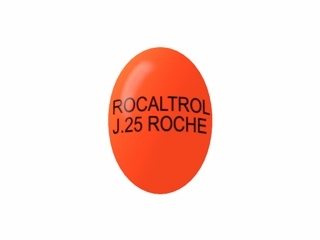


Rocaltrol (Calcitriol) — Patient Guide (Australia)
Rocaltrol is a brand of calcitriol, the active (naturally occurring) form of vitamin D. It is used to help manage certain conditions where the body cannot make enough active vitamin D, or where calcium and phosphate balance needs careful control.
This guide explains how Rocaltrol works, when it’s typically used, how to take it safely, and what to know about interactions, side effects, and monitoring. If you have been given this medicine, follow your healthcare professional’s instructions and do not change your dose without advice.
Quick Facts
- Active ingredient: Calcitriol
- Medicine type: Vitamin D analogue (active form)
- Common purpose: Helps regulate calcium and phosphate in the body
- Typical forms: Oral capsules (strengths vary by product)
- Key safety point: Too much calcitriol can raise blood calcium (hypercalcaemia), which may be harmful
Basic Product Information
Name: Rocaltrol
Generic name: Calcitriol
What it does: Provides active vitamin D to support normal calcium absorption and bone/mineral health.
| Category | Details |
|---|---|
| Active ingredient | Calcitriol |
| How it works | Improves calcium absorption and supports mineralisation |
| Administration | Oral capsules |
| Monitoring | Blood calcium, phosphate, kidney function (as advised) |
| Availability | Supplied through Australian pharmacy channels (availability may vary by strength) |
Mechanism of Action (How Rocaltrol Works)
Calcitriol is the body’s active vitamin D. After entering the bloodstream, it binds to vitamin D receptors in the intestine, kidneys, and bones. This helps:
- Increase calcium absorption from the gut
- Support phosphate balance (effects can vary depending on the condition)
- Promote normal bone mineralisation by enabling appropriate mineral supply
- Reduce parathyroid hormone (PTH) levels in some situations by improving calcium availability (helpful in secondary hyperparathyroidism)
Because Rocaltrol is already “active” vitamin D, it does not require the kidney to convert vitamin D into its usable form—an important advantage when kidney function is reduced.
Pharmacokinetics (What the Body Does With Calcitriol)
While exact values vary among individuals, calcitriol generally behaves as follows:
- Absorption: Absorbed from the gastrointestinal tract after oral dosing.
- Distribution: Binds to vitamin D–binding proteins in the blood and distributes to tissues involved in mineral regulation.
- Metabolism: Metabolised mainly in the liver and other tissues into inactive metabolites.
- Excretion: Cleared via metabolic pathways and eliminated through the bile/urine system.
- Onset and duration: Effects on calcium levels may be observed within days, but the timing of stabilisation can vary; regular blood tests guide dose adjustments.
Why monitoring matters: Because Rocaltrol directly affects calcium and phosphate, dosing often requires lab checks to avoid overcorrection.
Typical Use and Indications (What It Treats)
Rocaltrol is used for conditions associated with inadequate active vitamin D or abnormal calcium/phosphate regulation. Common indications include:
- Hypocalcaemia due to conditions such as hypoparathyroidism
- Hypoparathyroidism (including after surgery or due to other causes)
- Secondary hyperparathyroidism in chronic kidney disease (in appropriate cases, guided by clinical assessment)
- Renal osteodystrophy and related bone disorders associated with impaired mineral metabolism
- Conditions where calcium and bone mineralisation are affected by reduced conversion of vitamin D to its active form
Note: The exact indication and dosing plan depend on your diagnosis, blood test results, and overall treatment regimen.
How to Take Rocaltrol (Timing and Practical Instructions)
Take Rocaltrol exactly as advised by your healthcare professional. Dose schedules may be daily or alternate-day depending on your condition and test results.
Timing
- Consistency helps: Try to take your dose at the same time each day (if prescribed daily).
- With or without food: Many people can take calcitriol with or without food. If your prescriber notes a specific routine, follow that advice.
- Missed dose:
- If you miss a dose, take it when you remember unless it is close to the next dose.
- Do not double up to make up for a missed dose.
- If unsure, ask your pharmacist.
Practical use tips
- Use a pill organiser if it helps you stay consistent.
- Keep track of blood tests (calcium and kidney function) and report results to your clinician.
- Avoid extra vitamin D unless instructed: Many supplements contain vitamin D (including active forms). Combined dosing may increase the risk of high calcium.
- Stay hydrated, especially if you have kidney-related conditions—follow your clinician’s advice.
- Watch for symptoms of high calcium (see safety section).
Food Interactions
Food is not usually the main factor affecting calcitriol compared with lab monitoring, but certain dietary considerations are helpful:
- Calcium-containing foods/supplements: If you take calcium supplements or consume a high-calcium diet, your calcium levels may rise more easily. This may be intended, but it should be monitored.
- High-dose vitamin D foods/supplements: Avoid taking additional vitamin D (including other active vitamin D medicines) unless your healthcare professional specifically recommends it.
- General advice: Maintain a balanced diet and follow any dietary guidance provided for kidney disease or mineral balance.
Alcohol and food: Moderate alcohol intake may not directly change calcitriol levels, but alcohol can affect hydration and overall health. If you drink alcohol, do so carefully and inform your clinician if your intake is significant or changes suddenly.
Alcohol Interactions
There is no widely established direct “tablet-to-alcohol” interaction unique to calcitriol that applies to everyone. However:
- Hydration matters: Alcohol can lead to dehydration in some people, which may not suit those with kidney conditions.
- Nutrition and adherence: Alcohol use may make it harder to take medicines consistently or maintain a stable diet.
- Safety first: If you have kidney disease, a history of high calcium, kidney stones, or other relevant conditions, discuss alcohol use with your healthcare professional.
Medicine Interactions (Important)
Calcitriol can interact with other medicines and supplements, primarily through effects on calcium levels and kidney function. Tell your healthcare professional and pharmacist about all medicines you use—including over-the-counter products and herbal supplements.
Common interaction categories
- Calcium supplements and other vitamin D products (including cholecalciferol or ergocalciferol, and active vitamin D analogues): may increase the risk of hypercalcaemia.
- Thiazide diuretics (e.g., hydrochlorothiazide): can raise calcium levels, increasing hypercalcaemia risk.
- Magnesium-containing medicines or antacids:
- In people with kidney impairment, magnesium can accumulate; this may indirectly affect mineral balance.
- Phosphate binders and phosphate supplements: may require dose adjustments to maintain the correct phosphate balance.
- Digitalis (digoxin):
- High calcium can increase the risk of heart rhythm problems in some patients taking cardiac glycosides.
- Corticosteroids (e.g., prednisolone): may reduce vitamin D effects on calcium absorption.
- Enzyme-inducing medicines (some anticonvulsants, and certain other drugs): may alter vitamin D activity and levels, potentially changing effect.
What to do
- Do not start or stop calcium/vitamin supplements without checking.
- Ask your pharmacist before taking over-the-counter vitamin D or “bone” supplements.
- Keep lab monitoring on schedule when starting or changing other medicines.
Dosage (Typical Dosing and How Adjustments Work)
Rocaltrol dosing is individual. It depends on the condition being treated and your blood test results—especially calcium. Your clinician may start at a lower dose and adjust based on response.
Important: This website guide provides general information only. Follow your prescribed plan.
General dosing approach
- Start low and titrate: Doses may be adjusted to achieve target calcium levels.
- Regular blood tests: Calcium is typically checked periodically to prevent both low and high calcium.
- Individual factors: Kidney function, baseline calcium/phosphate, diet, and concurrent medications all influence dosing.
Timing frequency
- Daily dosing is common in many conditions.
- Alternate-day schedules may be used in certain situations to maintain stable calcium levels while minimising side effects.
Safety Profile (Risks, Side Effects, and When to Seek Help)
Like all medicines, calcitriol can cause side effects. The most important risk is hypercalcaemia (too much calcium in the blood). This can occur if the dose is too high, if calcium intake is higher than expected, or when kidney function changes.
Common or possible side effects
- Constipation
- Nausea or stomach discomfort
- Headache
- Dry mouth or increased thirst
- Generalised weakness
Signs of high calcium (seek urgent medical advice)
Contact a healthcare professional promptly if you experience symptoms such as:
- Confusion or unusual drowsiness
- Severe constipation, persistent vomiting
- Marked thirst, frequent urination
- New irregular heartbeat sensations or fainting
- Severe muscle weakness
Why urgency matters: Severe hypercalcaemia can be dangerous and may require immediate medical attention and blood tests.
Other important safety considerations
- Kidney stones risk: High calcium levels may increase risk in susceptible individuals.
- Kidney impairment: People with reduced kidney function may be more sensitive to changes in calcium/phosphate balance; monitoring is especially important.
- Pregnancy and breastfeeding: Vitamin D needs change during pregnancy and postpartum. Discuss individual risks and monitoring with your healthcare professional.
Practical Use Tips (Getting the Best Results Safely)
- Keep scheduled blood tests: Your dose is often adjusted based on calcium and phosphate results.
- Know your target ranges: Ask your clinician what calcium range you should aim for.
- Review supplements: Many “multivitamins,” “calcium + vitamin D,” and “bone health” products contain vitamin D and/or calcium. Tell your pharmacist what you take.
- Be consistent with diet: Do not dramatically change calcium intake without discussing it.
- Medication list on hand: Keep a list of all medicines and show it during consultations.
- Recognise early symptoms: Mild changes like increased thirst or constipation may be early signs of rising calcium.
Alternative Options (Other Ways to Treat Vitamin D–Related Calcium Issues)
Alternative treatments depend on the cause of your vitamin D and mineral imbalance. Your clinician may consider:
- Other vitamin D forms (e.g., cholecalciferol/ergocalciferol) in conditions where the body can convert vitamin D to its active form
- Calcium supplements (often used alongside vitamin D strategies, depending on labs)
- Non–vitamin D strategies for specific causes of hypocalcaemia or secondary hyperparathyroidism (for example, therapies targeting PTH pathways in chronic kidney disease)
- Phosphate management (including phosphate binders) for disorders involving mineral metabolism
Why alternatives may differ: Rocaltrol is active vitamin D, which is particularly useful when conversion steps are impaired. Switching to other options should be guided by blood tests and clinical factors.
Market and Legal/Regulatory Context for Australia
In Australia, medicines containing active vitamin D (including calcitriol) are supplied under the country’s medicines regulatory framework. Supply may be restricted depending on the product strength and clinical category. Pharmacy dispensing is supported by pharmacist oversight to ensure:
- Appropriate selection for the patient’s condition
- Safe counselling around monitoring needs
- Checks for potential medicine/supplement interactions
Important: Always follow the instructions provided with your product, and do not share your medicine with others. Dosing is tailored to individual blood test targets.
Recent guidance: In recent years, clinical practice has continued to emphasise careful monitoring of calcium/phosphate (especially in chronic kidney disease and hypoparathyroidism) and awareness of hypercalcaemia risk when prescribing active vitamin D analogues. Your healthcare professional may also consider updated renal bone and mineral guidance in routine care pathways.
Delivery and Availability (Online Pharmacy Notes)
Online pharmacies in Australia typically supply Rocaltrol subject to standard availability, product strength, and order processing times. When placing an order:
- Check stock/strength: Product strength may differ; ensure you order the correct one.
- Allow processing time: Delivery time depends on location and courier selection.
- Cold-chain: Calcitriol capsules are generally not stored as a cold-chain product; follow the storage instructions on the pack.
- Delivery address accuracy: Ensure your address and contact details are correct to avoid delays.
Availability varies by supplier and strength. If your usual strength is not available, contact customer support or your pharmacist for alternatives that suit your prescribed plan.
FAQ
1) What is Rocaltrol used for?
Rocaltrol (calcitriol) helps correct calcium/phosphate problems caused by conditions like hypoparathyroidism and certain bone/mineral disorders, including in some people with chronic kidney disease where active vitamin D is needed.
2) How quickly does Rocaltrol work?
Some changes in calcium levels can occur over days, but achieving stable targets can take longer. Dose adjustments are typically guided by blood tests, not symptoms alone.
3) Can I take Rocaltrol with food?
Many people can take calcitriol with or without food. If you notice it upsets your stomach, you may find it easier with a meal—discuss any routine changes with your pharmacist if you have concerns.
4) Should I take vitamin D or calcium supplements as well?
Only if your healthcare professional recommends it. Taking additional vitamin D or calcium can raise calcium levels too much, especially when you are already using an active vitamin D medicine.
5) What should I do if I miss a dose?
Take it when you remember unless it’s close to the next dose. Do not double your dose. If you’re unsure, ask your pharmacist for tailored advice.
6) What are the warning signs of too much calcium?
Look out for constipation, nausea, increased thirst, frequent urination, weakness, confusion, or irregular heartbeat sensations. Seek prompt medical advice if symptoms are significant.
7) Are there any alcohol interactions?
No universal direct interaction is known, but alcohol may worsen hydration and can complicate kidney-related conditions. If you drink alcohol, keep it moderate and discuss with your healthcare professional—especially if you have kidney problems or a history of high calcium.
8) Does Rocaltrol interact with other medicines?
Yes, calcitriol can interact with medicines that affect calcium/phosphate balance or kidney function. Examples include calcium supplements, thiazide diuretics, some heart medicines (like digoxin), phosphate management products, and certain other drugs. Always check with your pharmacist.
9) Who should be extra careful when using Rocaltrol?
People with kidney impairment, a history of kidney stones, those taking cardiac glycosides, and anyone receiving multiple supplements that affect calcium/vitamin D should be monitored closely and follow lab schedules.
10) Can I stop Rocaltrol suddenly?
Do not stop without medical advice. Stopping may lead to low calcium and worsening symptoms. If you’re having side effects or you’re considering stopping, contact your healthcare professional for a plan.
Disclaimer
This information is provided for general education and does not replace advice from your healthcare professional. If you have questions about your personal treatment plan, dosing, or monitoring, speak with your doctor or pharmacist.