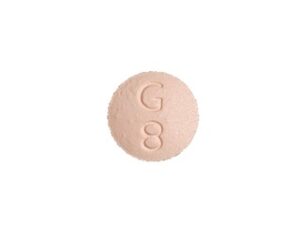
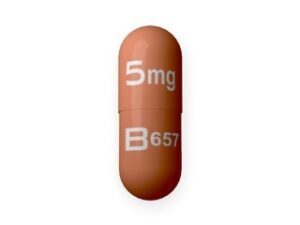
Pletal (Cilostazol) – Patient Information (Australia)
Pletal contains cilostazol, a medicine used to improve walking ability in certain people with peripheral arterial disease (PAD)—often described as intermittent claudication (pain in the legs when walking). This page explains how Pletal works, how it is taken, what to expect, important safety information, and where to find alternatives.
Quick facts
- Medicine name: Pletal (cilostazol)
- What it’s used for: Improving walking distance in PAD/intermittent claudication
- How it works: Helps improve blood flow and reduces platelet “stickiness”
- Common dosing form: Tablets (often taken twice daily)
- Key safety notes: Not suitable for some people (e.g., certain heart conditions)
- Monitoring: Your prescriber may check response and review other medicines
Basic product information
Pletal is an oral medicine containing cilostazol. It is used to treat symptoms related to reduced blood flow to the legs. Cilostazol helps you walk further by targeting multiple pathways that affect circulation and blood cells.
| Category | Details |
|---|---|
| Active ingredient | Cilostazol |
| Common use | Intermittent claudication due to peripheral arterial disease |
| How it’s taken | Usually by mouth, typically twice daily |
| Medicinal effect | Improves walking distance; may reduce claudication symptoms |
How Pletal works (mechanism of action)
Cilostazol has several actions that together support improved circulation and walking ability:
- Increases cAMP in blood vessel walls: Cilostazol inhibits breakdown of cyclic adenosine monophosphate (cAMP), which can promote relaxation of blood vessels.
- Improves microcirculation: By helping blood vessels remain more open and responsive, it may improve blood flow to working muscles during walking.
- Anti-platelet effects: Cilostazol can reduce platelet aggregation (less “clumping”), contributing to smoother blood flow.
- Anti-inflammatory and anti-proliferative effects: These may support longer-term vascular benefits in some patients.
The result is often an increase in walking distance and a reduction in the onset of leg pain during activity. Many people notice changes within a few weeks, though individual response varies.
Pharmacokinetics (how your body handles cilostazol)
“Pharmacokinetics” describes what happens after you take a dose: absorption, distribution, metabolism, and elimination. While exact values can vary, the general pattern for cilostazol is:
- Absorption: Cilostazol is absorbed after oral administration and reaches peak levels within a few hours.
- Metabolism: It is broken down mainly in the liver by enzymes in the CYP system (notably CYP3A4 and CYP2C19).
- Active metabolites: Cilostazol forms metabolites that may also contribute to overall effect.
- Elimination: Metabolites are cleared primarily via the kidneys (urine) and to a lesser extent via other pathways.
- Dosing frequency: Because of its metabolism and elimination rate, it is commonly taken twice daily to maintain therapeutic effect.
Typical uses and indications
Pletal is used for:
- Intermittent claudication due to peripheral arterial disease (PAD): to improve walking distance in people with symptoms of pain or cramping in the legs during walking caused by insufficient blood flow.
Cilostazol is not a pain reliever for every type of leg discomfort. It is intended for circulation-related claudication symptoms associated with PAD.
When to take Pletal (timing and routine)
A common approach is to take cilostazol twice daily, approximately 12 hours apart. The goal is to keep a consistent effect throughout the day so you can maintain walking ability.
- Choose consistent times: e.g., morning and evening.
- Take regularly: Skipping doses may reduce symptom improvement.
- Allow time for response: Many people require several weeks to see a stable improvement.
If you are unsure about your schedule, follow the instructions provided by your healthcare professional and the product label.
Food interactions
Cilostazol can generally be taken with or without food, but food may affect how quickly it begins to work. To keep your dosing routine consistent and predictable:
- Be consistent: Take it the same way each day (with meals or on an empty stomach), unless your clinician advises otherwise.
- Absorption timing: Taking with food may delay peak absorption slightly; however, overall benefit often remains.
- Grapefruit caution: Because cilostazol is metabolised by liver enzymes, grapefruit or grapefruit juice may increase cilostazol levels (similar to other strong CYP inhibitors).
If you have dietary restrictions or significant reflux/gi issues, ask a pharmacist for personalised advice on best timing.
Alcohol and medicine interactions
Alcohol
Moderate alcohol use may be tolerated by many people, but cilostazol can increase side effects such as dizziness or headache in some individuals. Alcohol can also worsen dehydration and dizziness.
- Practical advice: If you drink alcohol, do so in moderation and watch for dizziness or palpitations.
- Avoid binge drinking: Higher alcohol intake increases the chance of side effects and may interact with other medicines.
Medicine interactions (important)
Because cilostazol is metabolised by CYP enzymes and can affect platelet function and vascular tone, interactions may occur with certain medicines. Tell your healthcare professional about all medicines and supplements you take.
- Strong CYP inhibitors (may increase cilostazol levels): may raise the risk of side effects. Examples can include some antifungals and certain antibiotics.
- Strong CYP inducers (may reduce cilostazol effect): may make it work less effectively. Examples can include certain seizure medicines and herbal products.
- Other antiplatelet or anticoagulant medicines: because cilostazol has anti-platelet effects, combining with blood thinners can increase bleeding risk in some situations.
- Blood pressure or heart-rate affecting medicines: cilostazol can sometimes influence heart rate, and combining with other cardiovascular medicines may require careful monitoring.
- Medicines affecting bleeding risk: non-steroidal anti-inflammatory drugs (NSAIDs) and other agents may increase bleeding risk, particularly if used regularly.
This list is not exhaustive. A pharmacist can help check specific interactions based on your exact medication list.
Dosing (general information)
Dosing for cilostazol is typically twice daily for intermittent claudication. The exact dose for you depends on your health profile, kidney function, liver function, and other medicines.
- Typical regimen: Twice daily dosing is common for PAD symptoms.
- Swallow whole: Take tablets with water; do not crush unless instructed.
- Missed dose: If you miss a dose, take it when you remember unless it is close to the next dose. Do not double up.
Kidney or liver impairment: Cilostazol is metabolised and cleared through liver and kidney pathways. Dose adjustments or careful monitoring may be needed in certain patients—your clinician will advise the right approach for you.
Safety profile and warnings
Like all medicines, cilostazol can cause side effects. Most are mild and manageable, but some people need extra caution. Always seek medical advice promptly if you develop concerning symptoms.
Common side effects
- Headache
- Dizziness
- Palpitations or feeling aware of heartbeat
- Diarrhoea or stomach upset
- Nausea
- Abnormal stool in some cases
Serious but less common risks
- Bleeding risk: Because it has anti-platelet activity, it may increase bleeding tendency, especially if combined with other blood-thinning medicines.
- Heart-related effects: It may increase heart rate in some individuals. People with certain cardiac conditions may be at higher risk.
- Allergic reactions: Seek urgent help if you have swelling of the face/lips, breathing difficulty, or severe rash.
- Severe gastrointestinal symptoms: Report persistent or severe abdominal pain, vomiting blood, or black/tarry stools.
Key contraindications / “do not use in” situations
Cilostazol should not be used in all patients. In particular, it is not recommended for people with certain types of heart failure or reduced heart function (because of safety concerns). Your healthcare professional can determine suitability.
Who should be extra cautious
- History of bleeding or ulcers
- Concomitant anticoagulants/antiplatelet therapy
- Known liver disease
- Kidney impairment
- Heart rhythm disorders or frequent palpitations
Practical use tips
The best results with Pletal often come from combining medication with lifestyle measures that support circulation. These practical tips can help you use Pletal more effectively:
- Follow a walking plan: Many people with PAD benefit from supervised exercise or a structured walking routine. Consider pacing yourself: walk until claudication pain starts, rest, then resume.
- Give it time: If you feel no immediate change, do not stop early on your own—give the medicine a fair trial unless side effects are troublesome.
- Track your response: Note how far you can walk before pain begins, and how symptoms change over weeks.
- Review your other medicines: Update your pharmacist/doctor about all prescriptions, over-the-counter products, and supplements.
- Hydration: Staying hydrated can reduce dizziness and headache triggers in some people.
- Report palpitations: If you notice fast heartbeat that feels uncomfortable or persistent, seek advice.
Monitoring and expectations
In PAD, the goal is improved walking capacity and reduced symptoms. Response varies; not everyone will experience a dramatic change. Your clinician may review symptoms, walking distance, cardiovascular risk factors, and whether treatment remains beneficial.
- Expected timeline: Improvement may be noticed over several weeks.
- Ongoing benefit: If it works well, continued use may be appropriate as part of an overall PAD management plan.
- Reassessment: If there is no meaningful benefit or side effects are problematic, a review is needed.
Alternative options for intermittent claudication (PAD)
Treatment for PAD usually includes a combination of lifestyle measures, risk-factor management, and symptom-targeted medicines. Alternatives depend on your overall health, severity of symptoms, and test results.
Non-medicine options
- Exercise therapy (supervised or structured): commonly recommended and can improve walking distance.
- Smoking cessation: one of the most important steps for vascular health.
- Foot care and skin protection
- Vascular risk management (e.g., cholesterol, blood pressure, diabetes)
Medication alternatives
- Antiplatelet therapy (commonly aspirin or similar agents): sometimes used to reduce cardiovascular events in PAD patients.
- Other approaches for symptoms: Depending on your circumstances, clinicians may consider other medications or different strategies.
- Revascularisation procedures: In some cases, angioplasty/stenting or bypass surgery may be considered if symptoms are severe or if anatomy is suitable.
A pharmacist or doctor can help you compare options, expected benefits, and risks, based on your medical history.
Market and legal context for Australia (patient-friendly overview)
In Australia, medicines are regulated under the national framework overseen by the Australian Therapeutic Goods Administration (TGA). Availability, classification, and prescribing rules depend on the specific product and its approved indications.
- Product quality and supply: Medicines sold in Australia must meet TGA requirements for quality, safety, and performance.
- Pharmacy dispensing: Many cardiovascular medicines require careful counselling and may have specific supply categories.
- Healthcare guidance: Because PAD relates to broader cardiovascular risk, treatment decisions are typically guided by your clinician’s assessment and ongoing risk management.
For the most accurate guidance about current supply status and product classification, speak with a qualified pharmacist or refer to official Australian medicine information sources.
Recent guidance and clinical practice themes
While individual patient care varies, clinical practice for PAD commonly emphasises:
- Structured exercise as a cornerstone of symptom management
- Comprehensive cardiovascular risk reduction (cholesterol, blood pressure, diabetes care, smoking cessation)
- Medication review to reduce bleeding risk and prevent harmful interactions
- Shared decision-making regarding medicines for symptom relief
Your healthcare team may review whether cilostazol remains appropriate based on symptom improvement and your risk profile.
Delivery and availability (Australia)
Online pharmacy services may offer delivery to eligible Australian addresses. Availability can vary by strength, packaging size, and current stock levels.
- Check stock: Product listings typically show whether an item is currently available.
- Dispatch times: Dispatch is usually scheduled on business days after payment confirmation.
- Packaging: Medicines are generally packed to protect tablets from damage and moisture.
- Storage: Store tablets in a cool, dry place as directed on the pack. Keep out of reach of children.
- Shipping conditions: Your order confirmation may include estimated delivery windows.
If you need help choosing the right product strength or have questions about delivery, contact customer support or speak with a pharmacist.
FAQ
How long does it take for Pletal (cilostazol) to work?
Many people notice improvement in walking symptoms within a few weeks, but the time to benefit can vary. If you do not feel any change after an appropriate trial, ask your pharmacist or clinician to review the plan.
What should I do if I miss a dose?
Take the missed dose when you remember, unless it is close to your next scheduled dose. Do not double up to make up for a missed dose.
Can I take Pletal with food?
Cilostazol is often taken with or without food. For best routine, take it consistently the same way each day. If your stomach is sensitive, taking with food may be more comfortable.
Does alcohol affect cilostazol?
Alcohol may increase side effects such as dizziness or headache in some people. If you drink, keep it moderate and watch for symptoms like lightheadedness or palpitations.
Are there medicines I should avoid with Pletal?
Interactions can occur, particularly with medicines that affect liver enzymes (CYP pathways), bleeding risk, or heart rate. Provide your full list of medicines and supplements to a pharmacist for an interaction check.
Why might my walking improve but not disappear?
PAD may progress despite treatment. Pletal aims to improve symptoms and walking distance, but it may not eliminate claudication entirely. Combining medication with exercise and cardiovascular risk reduction improves overall outcomes.
What side effects are most common?
Common side effects include headache, dizziness, diarrhoea, and palpitations. If side effects are severe or persistent, seek advice.
When should I seek urgent medical help?
Seek urgent help if you have signs of a serious allergic reaction (swelling, difficulty breathing), black/tarry stools, vomiting blood, severe chest symptoms, or fainting.
Can I use Pletal long-term?
Many patients use cilostazol as a long-term symptom management option if it helps and remains safe for them. Your clinician should periodically reassess benefit and safety.
What is PAD and how is it different from general leg pain?
PAD is a circulation problem caused by narrowed arteries, often leading to leg pain or cramping when walking. General leg pain has many causes—cilostazol is specifically intended for claudication symptoms related to PAD.
Important note
This information is intended to help you understand Pletal (cilostazol) and its safe use. It does not replace medical advice. If you have questions about suitability, interactions, or whether cilostazol is the right choice for you, speak with a pharmacist or healthcare professional.