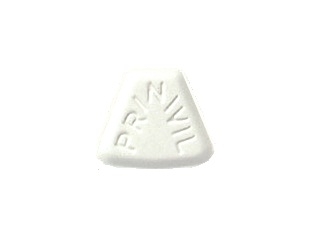
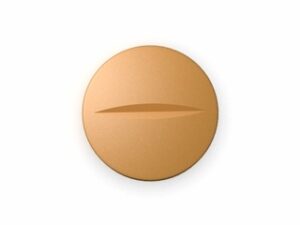

Prinivil (Lisinopril) – Patient Information (Australia)
Prinivil contains lisinopril, a medicine used to treat certain heart and blood pressure conditions. It belongs to a group of medicines called ACE inhibitors (angiotensin-converting enzyme inhibitors). This page explains how Prinivil works, how it is used, and what to expect regarding safety and interactions—written in patient-friendly language for people in Australia.
Important: Always follow the directions given by your healthcare professional. If you are unsure about anything in this leaflet, ask your pharmacist or doctor.
Quick facts
| Product | Active ingredient | Class | Common uses | Typical dosing frequency |
|---|---|---|---|---|
| Prinivil | Lisinopril | ACE inhibitor | High blood pressure, heart failure, certain post-heart-attack cases | Usually once daily |
What is Prinivil?
Prinivil (lisinopril) is an oral medicine taken by mouth. It helps control blood pressure and can improve heart function in selected conditions.
In Australia, medicines like Prinivil are regulated under the Australian regulatory framework. Availability and supply depend on product availability, pharmacy supply arrangements, and your individual treatment plan.
How Prinivil works (mechanism of action)
Prinivil (lisinopril) blocks the ACE enzyme (angiotensin-converting enzyme). ACE plays a key role in the body’s renin–angiotensin–aldosterone system, which influences:
- Blood vessel tightening
- Salt and water balance
- Hormones that affect blood pressure and heart workload
By reducing angiotensin II production and affecting aldosterone, lisinopril:
- Relaxes blood vessels, lowering blood pressure
- Reduces the strain on the heart
- Can help slow harmful heart remodelling in certain heart conditions
Pharmacokinetics (how your body handles it)
Pharmacokinetics describes how a medicine is absorbed, distributed, metabolised, and eliminated.
- Absorption: Lisinopril is absorbed after oral dosing. Food generally has only a modest effect on absorption.
- Time to peak: The medicine typically reaches its highest concentration in the blood within a few hours after taking a dose.
- Distribution: It spreads through body tissues and primarily acts on the body systems involved in blood pressure control.
- Metabolism: Lisinopril is not extensively metabolised in the liver.
- Elimination: It is mainly cleared by the kidneys. Dose adjustments may be required if you have kidney impairment.
- Onset: Some blood pressure lowering may be noticed after the first doses, but the full effect—especially for blood pressure targets—often develops over several weeks.
Typical uses (indications)
Prinivil is commonly used for:
- Hypertension (high blood pressure): To lower blood pressure and reduce cardiovascular risk.
- Heart failure: To improve symptoms and reduce hospitalisation risk in selected patients.
- After a heart attack (acute myocardial infarction): In some patients, it may be used as part of post–heart attack treatment to support heart function.
Your doctor will decide if Prinivil is suitable based on your medical history, blood pressure, kidney function, potassium levels, and other medicines you take.
Timing and how to take Prinivil
Typical schedule: Prinivil is usually taken once daily at the same time each day.
- Consistency matters: Try to take it at a similar time daily.
- With or without food: It can usually be taken with or without food.
- Swallow whole: Take the tablet/capsule form as directed. Do not crush or chew unless your pharmacist advises it is appropriate for your specific formulation.
If you miss a dose
- Take it when you remember unless it is close to the time of the next dose.
- If you are near the next dose, skip the missed dose.
- Do not double up to make up for a missed dose.
If you stop suddenly
Stopping an ACE inhibitor suddenly may lead to a rise in blood pressure or worsening of heart failure symptoms. Do not stop without medical advice.
Dosing: what patients should know
Dosing is individual. Your dose depends on the condition being treated, your blood pressure, kidney function, and potassium levels, among other factors.
Common real-world approach: Doctors typically start with a lower dose and adjust gradually while monitoring your response and lab results.
- High blood pressure: Dose may be started low and increased as needed to reach target blood pressure.
- Heart failure: Dose is often initiated carefully due to the risk of low blood pressure, especially if you are also taking diuretics (water tablets).
- Post–heart attack: Dosing may begin soon after the event if appropriate and tolerated.
Monitoring is part of safe dosing: Your clinician may check:
- Kidney function (creatinine/eGFR)
- Potassium
- Blood pressure and symptoms such as dizziness
If you have kidney problems: you may need a lower starting dose and closer monitoring. Always follow the plan your healthcare professional provides.
Food interactions
Food is generally not a major issue with lisinopril. Most patients can take Prinivil with or without food.
However, your overall tolerance may be affected by how you respond to blood pressure changes. If taking Prinivil makes you feel light-headed, discuss timing adjustments with your pharmacist or doctor.
Alcohol interactions and safety
Alcohol can increase the chance of light-headedness or dizziness, particularly when you first start treatment or after a dose increase. It may also worsen dehydration.
- Be cautious with alcohol, especially in hot weather or if you have diarrhoea/vomiting.
- If you feel faint or dizzy, avoid driving or operating machinery and seek advice.
Seek urgent help if you pass out, have severe dizziness, chest pain, or symptoms of an allergic reaction.
Medicine interactions (important)
Prinivil can interact with other medicines, particularly those affecting kidney function, potassium levels, or blood pressure.
Common interaction categories
- Potassium supplements and potassium-containing salt substitutes: can increase risk of high potassium (hyperkalaemia).
- Potassium-sparing diuretics (e.g., spironolactone, eplerenone, amiloride, triamterene): may increase potassium levels and require monitoring.
- Diuretics (“water tablets”) (e.g., hydrochlorothiazide, furosemide): can contribute to low blood pressure and require dose timing and monitoring.
- Other blood pressure medicines: can increase the blood pressure-lowering effect (sometimes beneficial, sometimes leading to low BP).
- NSAIDs (e.g., ibuprofen, naproxen, diclofenac—especially if used regularly): may reduce the blood pressure-lowering effect and increase risk of kidney problems, particularly in older adults or those with dehydration.
- Dual RAAS blockade combinations (ACE inhibitor + ARB, or ACE inhibitor + direct renin inhibitors): generally not recommended without specific clinical direction due to increased risks (including kidney impairment and high potassium).
- Medicines affecting kidney function: any medicine that impacts kidneys may require additional monitoring when combined with lisinopril.
- Lithium: ACE inhibitors may increase lithium levels, raising toxicity risk. This combination requires close monitoring.
Herbal and over-the-counter items
Tell your pharmacist about all supplements and non-prescription products. Some may affect blood pressure or potassium (or interact with kidney function).
- Decongestants containing stimulants (e.g., pseudoephedrine) can raise blood pressure in some people.
- Salt substitutes often contain potassium—check labels.
Before starting or stopping any medicine, ask your pharmacist or doctor if it is safe with Prinivil.
Safety profile and side effects
Most people tolerate Prinivil well, but like all medicines it can cause side effects. Your clinician will weigh benefits against risks for your personal situation.
Common side effects
- Dizziness or light-headedness, especially when starting or increasing dose
- Dry cough
- Headache
- Fatigue
- Nausea or stomach discomfort (less common)
Less common but important risks
- High potassium (hyperkalaemia): may not cause symptoms initially. Lab monitoring is important.
- Kidney function changes: creatinine/eGFR may rise temporarily or persistently; monitoring helps detect problems early.
- Low blood pressure (hypotension): can lead to dizziness or fainting.
- Angioedema: swelling of the face, lips, tongue, or throat. This can be life-threatening and requires urgent care.
Seek urgent medical attention if you have
- Swelling of the face, lips, tongue, or throat
- Trouble breathing or swallowing
- Fainting or severe dizziness
- Severe chest pain or symptoms of stroke (call emergency services)
Who needs extra caution?
- People with kidney impairment or narrowing of kidney arteries
- People with diabetes (may be at higher risk of potassium changes and kidney issues)
- Older adults (may be more sensitive to blood pressure changes and dehydration)
- Those taking diuretics or medicines that raise potassium
- History of angioedema related to ACE inhibitors
Practical use tips for better outcomes
- Monitor blood pressure: If advised, check regularly and record readings (including times and symptoms).
- Stay hydrated: Dehydration increases the risk of kidney problems and low blood pressure. During vomiting/diarrhoea, ask your healthcare professional for guidance.
- Do not use potassium salt substitutes unless your clinician has approved them.
- Get lab tests: Follow recommended blood tests for kidney function and potassium — especially after dose changes.
- Stand up slowly: If you feel dizzy, rise gradually from sitting/lying positions.
- Be careful with driving: If the medicine makes you dizzy, avoid driving until you know how you respond.
Alternative options (if Prinivil is not suitable)
There are several alternatives depending on the condition being treated and your response to Prinivil.
Other ACE inhibitors
- Some people can switch to a different ACE inhibitor if tolerated better—this is a decision for your doctor.
ARBs (angiotensin receptor blockers)
- Examples include losartan, valsartan, and irbesartan. These are often considered if ACE inhibitors are not tolerated (e.g., certain cough issues).
Other blood pressure/heart failure medicines
- Depending on the indication, alternatives may include beta blockers, calcium channel blockers, diuretics, or other therapies.
Do not switch medicines on your own. Your clinician may need to adjust dosing and monitoring.
Market and legal context in Australia
In Australia, prescription medicines are supplied through regulated channels. Pharmacists can provide information on safe use, interactions, and how to manage missed doses. Product availability can vary by state, supply schedules, and manufacturer batches.
For patient safety, always confirm the medication details with your pharmacy, including strength and brand, before use. If you have concerns about appearance, packaging, or expiry date, speak to your pharmacist.
Recent guidance and monitoring considerations
Guidance for ACE inhibitors commonly emphasises:
- Baseline assessment of kidney function and electrolytes (including potassium)
- Monitoring after initiation and dose changes, especially in people at higher risk
- Caution with NSAIDs and dehydration, due to kidney risk
- Recognising angioedema symptoms promptly
Local clinical practices and formularies may update over time. Your pharmacist or doctor can advise what monitoring is appropriate for you.
Delivery and availability (online pharmacy)
Prinivil is an Australian-supplied medicine that may be available through approved online pharmacies. Availability depends on:
- Stock levels and manufacturer supply
- Your required strength and tablet count
- Pharmacy processing and delivery schedules
Delivery timing: Online pharmacies typically provide estimated delivery windows at checkout. Delays can occur due to weather, courier schedules, or demand.
Check on arrival: Verify the strength, expiry date, and packaging. If anything seems incorrect, contact the pharmacy.
FAQ
1. Does Prinivil cause a cough?
Yes, a dry, persistent cough can occur with ACE inhibitors like lisinopril. If the cough is bothersome, speak to your doctor or pharmacist. Sometimes an alternative medicine class (such as an ARB) is considered.
2. How long does it take to work?
Some blood pressure reduction may occur within days. However, full benefit—especially for sustained blood pressure lowering—may take several weeks after starting or dose changes.
3. Will I need blood tests?
Often, yes. Blood tests help monitor kidney function and potassium, particularly after starting Prinivil or changing dose.
4. Can I take Prinivil with food?
Usually, yes. Prinivil can typically be taken with or without food. Choose the time that helps you remember consistently.
5. Is it safe to drink alcohol while taking Prinivil?
Alcohol can increase dizziness and low blood pressure risk. If you choose to drink, do so cautiously and avoid activities that require full alertness if you feel unwell.
6. What should I do if I become dehydrated (e.g., vomiting/diarrhoea)?
Dehydration can increase kidney risk with ACE inhibitors. Contact your healthcare professional for advice on whether to pause medicines temporarily in that situation and when to restart.
7. What are the signs of high potassium?
High potassium may be asymptomatic, which is why lab tests matter. In some cases it can cause muscle weakness, tingling, or abnormal heart rhythm—seek urgent help if you have symptoms like palpitations, severe weakness, or collapse.
8. Can I take ibuprofen or other pain relievers?
NSAIDs like ibuprofen can interact with ACE inhibitors and may increase kidney risk, especially if used frequently or if you are dehydrated. For occasional use, many people still need advice from a pharmacist or doctor—especially if you have kidney disease, are older, or take diuretics.
9. What if I get swelling of my face or lips?
Swelling that affects the face, lips, tongue, or throat can be angioedema and can be dangerous. Seek urgent medical attention immediately.
10. Are there alternatives if I cannot tolerate Prinivil?
Yes. Alternatives may include other ACE inhibitors (in some cases), ARBs, or other heart and blood pressure medicines depending on your diagnosis and symptoms. Your doctor can guide the safest option.
Remember
Prinivil (lisinopril) is widely used in Australia to manage high blood pressure and certain heart conditions. It works by relaxing blood vessels and reducing strain on the heart. Safe use typically includes consistent daily dosing, awareness of side effects (especially dizziness and swelling), and recommended monitoring of kidney function and potassium.
If you have questions about your dose schedule, side effects, or possible interactions with other medicines, speak with your pharmacist or healthcare professional.