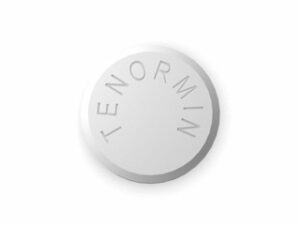
Atenolol (Australia) — Patient-Friendly Medicine Information
Atenolol is a commonly used medicine for heart and blood pressure conditions. It belongs to a group of medicines called beta-blockers. If you’ve been prescribed atenolol, this guide will help you understand how it works, how it’s taken, what to expect, and important safety considerations.
This information is designed to be easy to read and practical. Always follow the instructions provided by your healthcare professional and read the consumer medicine information (CMI) included with your product.
Basic product information
- Active ingredient: Atenolol
- Medicine type: Beta-blocker
- Common forms: Tablets (often once-daily formulations are used)
- Brand examples: Brand names vary by manufacturer and supplier in Australia
- Therapeutic uses: Blood pressure, certain heart rhythm and angina conditions
Your exact strength (for example 25 mg, 50 mg, or 100 mg) and dosing schedule depend on your condition and your overall health.
How atenolol works (mechanism of action)
Atenolol blocks beta-adrenergic receptors, mainly the beta-1 receptors found in the heart. By blocking these signals, atenolol can:
- Slow the heart rate
- Reduce the force of heart contractions
- Lower oxygen demand of the heart muscle
- Reduce blood pressure by lowering cardiac output and supporting blood vessel effects over time
For angina (chest pain), reducing heart workload can help prevent symptoms. For some rhythm problems or post-heart events, slowing the heart can also be beneficial.
Pharmacokinetics (how the body handles atenolol)
“Pharmacokinetics” describes what the body does to the medicine (absorption, distribution, metabolism, and elimination). Atenolol has some characteristics that help explain its dosing pattern.
- Absorption: Atenolol is absorbed from the gastrointestinal tract. Food can influence absorption slightly, but the overall clinical effect is usually modest.
- Distribution: It circulates in the bloodstream and reaches the heart and other tissues.
- Metabolism: Atenolol is not extensively metabolised by the liver compared with some other beta-blockers.
- Excretion: It is eliminated primarily via the kidneys (renal clearance). This is particularly important in people with kidney impairment.
- Onset: Heart-rate and blood-pressure effects may be noticed within hours, though full stabilisation can take days.
Because elimination is largely through the kidneys, your clinician may adjust the dose if you have reduced kidney function.
Typical use in Australia (indications)
Atenolol is used to treat a range of cardiovascular conditions. The exact indication depends on your medical history. Common uses include:
- High blood pressure (hypertension): helps lower blood pressure and reduce cardiovascular risk.
- Angina (stable angina): helps reduce frequency and severity of chest pain episodes by lowering cardiac workload.
- Heart rhythm issues: may help control certain fast heart rates in some conditions, depending on diagnosis.
- After heart-related events: beta-blockers are sometimes used in selected patients following a heart attack or in ongoing cardiac management.
If you’re unsure why you’re taking atenolol, ask your pharmacist or healthcare professional. It can be prescribed for different reasons even when the same dose form is used.
Timing and how to take atenolol
When to take it
Many people take atenolol once daily. Some products or situations may require different schedules. Use the instructions on your label and those given by your healthcare professional.
Consistency is important
- Take your dose at the same time each day to maintain steady effects.
- If you miss a dose, take it when you remember unless it is close to your next dose. Do not double up unless instructed.
- Do not stop suddenly without medical advice, because abrupt withdrawal can cause worsening symptoms (including chest pain) or an increased heart rate.
Practical daily routine tip
Consider tying your dose to a routine event (e.g., after breakfast) so it becomes easier to remember. If you take another medicine at a different time, you can coordinate schedules for convenience.
Food interactions (what to know about meals)
Food may affect the absorption of atenolol to a limited extent. In many patients, this difference is not clinically significant. However, keeping a consistent relationship to meals can help maintain predictable effects.
- Typical approach: take it the same way each day—either always with food or always on an empty stomach—unless your clinician advises otherwise.
- Grapefruit juice: Unlike some other beta-blockers, grapefruit is not generally a major concern for atenolol because it is not heavily metabolised by CYP enzymes. Still, if you regularly consume grapefruit products, mention it to your pharmacist.
If you notice dizziness or blood pressure changes after a particular meal pattern, discuss it with your healthcare professional.
Alcohol and medicine interactions
Alcohol can affect blood pressure and may increase side effects such as dizziness, light-headedness, and fatigue. Atenolol already lowers heart rate and blood pressure, so combining the two may make you feel unwell, especially when standing up.
- Limit alcohol: consider reducing intake and avoiding binge drinking.
- Watch for symptoms: dizziness, faintness, or unusual tiredness.
- Be cautious with “sedating” alcohol use: especially if you also take medicines that cause sedation (some sleep tablets, opioids, or certain anxiety medicines).
If you have liver disease or a history of falls, discuss alcohol use with your healthcare professional. For personalised advice, include all medicines and supplements you use.
Medication interactions (important combinations)
Atenolol can interact with other medicines that also affect heart rate, blood pressure, or heart electrical activity. Inform your pharmacist or doctor about all medicines, vitamins, herbal products, and “over-the-counter” products you use.
Common interaction types
- Other blood-pressure or heart medicines: combining can increase the risk of low blood pressure or slow heart rate.
- Calcium channel blockers (non-dihydropyridine types): such as verapamil or diltiazem may further slow heart rate. This combination may be used in some patients under monitoring.
- Antiarrhythmics: some medicines that affect rhythm can have additive effects on heart rate/conduction.
- Clonidine (if used): stopping one medicine can cause rebound effects. If clonidine is stopped, atenolol may not protect against rebound symptoms; follow a structured plan if either is changed.
- Diabetes medicines: beta-blockers can mask some low-blood-sugar symptoms (like fast heartbeat). They may still allow sweating or other symptoms, but the warning sign “feel” may be reduced.
- Non-steroidal anti-inflammatory drugs (NSAIDs): frequent NSAID use may reduce blood pressure control in some people and can affect kidney function (important because atenolol is largely cleared by kidneys).
- Some asthma/COPD medicines: beta-blockers can worsen bronchospasm in susceptible individuals, especially non-selective beta-blockers. Atenolol is beta-1 selective, but caution is still advised in asthma.
If you use an inhaler for asthma or COPD, tell your healthcare professional before starting or changing atenolol.
Dosing: how much and how often
Dosing depends on the condition being treated, your age, kidney function, and other medicines you take. Typical dosing patterns are described below, but your personal dose should follow your clinician’s instructions.
| Condition (examples) | Typical dose pattern (general information) | Notes |
|---|---|---|
| Hypertension | Often once daily; dose may be adjusted based on response | Clinicians may start low and increase gradually to reach target blood pressure. |
| Angina | Once daily or divided dosing depending on symptom control | Goal is to reduce frequency/severity of angina episodes. |
| Heart rate control / rhythm issues | Dose varies by diagnosis and response | Regular monitoring of pulse and symptoms is commonly used. |
Kidney function matters: because atenolol is mainly eliminated by the kidneys, doses may be reduced in people with impaired renal function.
Never adjust your dose yourself. If your blood pressure is too low, your pulse is very slow, or you have side effects, contact your healthcare professional for review.
Safety profile and side effects
Like all medicines, atenolol can cause side effects. Not everyone will experience them, and many are dose-related. Side effects can include both “common” effects and rarer but important reactions.
Common side effects
- Slow heart rate (bradycardia)
- Dizziness or light-headedness
- Fatigue or reduced exercise tolerance
- Cold hands or feet
- Sleep changes (sometimes)
- Gastrointestinal upset (occasionally)
Less common but important risks
- Worsening of symptoms in asthma/COPD: beta-blockers can potentially trigger bronchospasm in susceptible patients.
- Low blood pressure (especially when standing up).
- Heart conduction problems: if you have underlying conduction disease, your clinician may monitor you more closely.
- Masking of low blood sugar warning signs in diabetes.
Seek urgent medical help if you experience
- Fainting, severe dizziness, or signs of a very slow pulse
- Wheezing or difficulty breathing
- Chest pain that is new or worsening
- Swelling of the face/lips or signs of allergy
Practical use tips (getting the best results)
- Check your pulse and blood pressure if advised: especially during dose changes.
- Stand up slowly: if dizziness occurs, rise gradually from sitting or lying positions.
- Track symptoms: note any changes in chest pain frequency, breathing, fatigue, or sleep.
- Don’t stop abruptly: stopping suddenly can worsen heart-related symptoms. If treatment needs to be stopped, it should be tapered under medical guidance.
- Keep an updated medication list: include all prescriptions, OTC medicines, and supplements.
- Plan for exercise: if you feel tired or your heart rate drops, discuss an exercise plan with your clinician.
- Diabetes awareness: if you use insulin or medicines that can cause hypoglycaemia, consider how you recognise low blood sugar (not only heart rate symptoms).
Who should use extra caution?
Atenolol may not be suitable for everyone. Extra caution and closer monitoring may be needed if you have:
- Asthma or COPD (especially if you have a history of bronchospasm)
- Very slow heart rate, certain types of heart block, or severe conduction disease
- Low blood pressure
- Kidney impairment
- Diabetes or frequent episodes of low blood sugar
- Peripheral circulation problems (such as severe Raynaud’s phenomenon)
If any of these apply, discuss your risk profile with your healthcare professional before starting or changing atenolol.
Alternative options (other medicines that may be considered)
If atenolol isn’t a good fit due to side effects, interactions, or other medical factors, your clinician may consider other beta-blockers or related heart medicines. Examples of alternatives include:
- Other beta-blockers: such as metoprolol, bisoprolol, propranolol, or carvedilol (choice depends on condition and patient factors).
- Non-beta-blocker blood pressure medicines: such as ACE inhibitors, angiotensin receptor blockers (ARBs), calcium channel blockers, or diuretics (depending on diagnosis).
- Anti-anginal options: such as nitrates or certain calcium channel blockers (selected patients may use combinations).
The “best alternative” depends on your specific diagnosis, kidney and liver function, blood pressure targets, and other medicines. Do not switch on your own—discuss options with your healthcare professional.
Market and legal context in Australia (overview)
In Australia, medicines are regulated under the Therapeutic Goods Administration (TGA) and supplied according to scheduling rules. Availability and classification can vary by brand and strength. Many cardiovascular medicines are supplied through pharmacy channels and may require consultation or clinical assessment depending on the product.
When purchasing medicines in Australia online, reputable pharmacies will provide:
- Product details and strength information
- Clear packaging and labelling
- Information about safe use, storage, and side effects
- Support for delivery, returns, and counselling if needed
Always check the product you receive matches the intended medicine and strength on the label.
Recent guidance and monitoring (general trends)
Clinical practice evolves as new evidence emerges. In general, current beta-blocker guidance emphasises:
- Individualised dosing based on symptom response and heart rate/blood pressure targets
- Careful review in people with asthma/COPD and those with conduction disease
- Kidney-aware dosing because some beta-blockers, including atenolol, rely heavily on renal clearance
- Avoiding abrupt cessation and using a taper plan when stopping
If you have been told to take atenolol long-term, it’s still important to have periodic reviews of effectiveness and side effects.
Delivery and availability (what to expect when ordering online)
Online pharmacies in Australia may offer delivery to eligible addresses, with options such as standard or express post depending on the supplier. Availability may vary by stock levels and product strength.
- Packaging: tablets are typically supplied in sealed containers or blister packs to protect quality.
- Delivery timeframe: varies by location and dispatch schedule—check the estimated delivery time at checkout.
- Cold-chain: atenolol tablets generally do not require refrigeration.
- Track your order: many online pharmacies provide tracking updates.
If you’re unsure whether your item is currently in stock, contact customer support. They can advise on estimated dispatch and delivery.
Storage
- Store tablets below 25°C (unless the label states otherwise).
- Keep in the original packaging to protect from moisture and light.
- Keep out of reach of children.
- Do not use after the expiry date printed on the pack.
FAQ about Atenolol
1. What is atenolol used for?
Atenolol is used for conditions such as high blood pressure and angina, and it may be used to help control certain heart rhythm issues depending on your diagnosis.
2. How long does it take to work?
Some effects on heart rate and blood pressure can be noticed within hours to days. Full symptom control and optimal blood pressure lowering may take longer, especially after dose changes.
3. Can I take atenolol with food?
Many people can take atenolol with or without food. For more predictable absorption, it’s helpful to take it the same way each day. If your label or clinician gives specific instructions, follow those.
4. What should I do if I miss a dose?
Take it when you remember unless it is close to your next dose. Do not double up. If you miss multiple doses, contact your pharmacist or healthcare professional for advice.
5. Is it safe to stop atenolol suddenly?
No—typically beta-blockers should not be stopped abruptly without medical advice. Stopping suddenly can worsen angina or cause rebound increases in heart rate.
6. Can atenolol affect my exercise tolerance?
It can. Atenolol slows the heart and may reduce peak exercise capacity initially. Over time, many people adjust, but persistent problems should be reviewed by your clinician.
7. What if I have asthma or COPD?
Caution is needed. Atenolol is more selective for beta-1 receptors than non-selective beta-blockers, but it may still worsen breathing in some people. Your clinician may assess risks and monitor you more closely.
8. Does atenolol interact with diabetes medicines?
It may mask some symptoms of low blood sugar (such as rapid heartbeat). If you have diabetes, ensure you know how to recognise hypos and consider monitoring as advised.
9. Are there important interactions with other heart medicines?
Yes. Medicines that slow the heart rate or affect heart conduction can have additive effects. Tell your pharmacist about all medicines you take, including heart and blood pressure medicines.
10. Can I drink alcohol while taking atenolol?
Alcohol may increase dizziness and lower blood pressure. Limit intake and avoid binge drinking. If you notice light-headedness or faintness, discuss with your healthcare professional.
11. Will atenolol cause weight gain?
Weight change is not a typical direct effect, but some people may experience fatigue or activity changes that can influence weight over time. If you’re concerned, discuss lifestyle and monitoring.
12. What side effects should I report promptly?
Report persistent or severe dizziness, fainting, wheezing or breathing difficulty, chest pain that worsens, or signs of allergic reaction. For urgent symptoms, seek prompt medical assistance.
Remember: This page provides general information about atenolol. Your individual situation may differ based on your medical history, kidney function, and other medicines. If you have questions about how to take atenolol safely or how it fits with your current medicines, speak to a pharmacist or healthcare professional.