

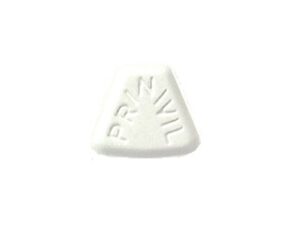

Cozaar (Losartan) – Patient-Friendly Medicine Information (Australia)
Cozaar contains losartan, a medicine used to treat high blood pressure and protect the heart and kidneys in certain people. This page explains how it works, how it’s taken, what to expect, common interactions, safety information, and practical tips—written for patients in Australia.
Quick Facts
- Active ingredient: Losartan
- Medicine type: ARB (Angiotensin II Receptor Blocker)
- Common uses: High blood pressure, heart failure, kidney protection in diabetes
- How it’s usually taken: Once daily (often morning or evening)
- Common side effects: Dizziness, tiredness, low blood pressure, increased potassium (in some people)
- Key safety points: Avoid in pregnancy; may affect kidney function and potassium
Basic Product Information
| Category | Details |
|---|---|
| Brand name | Cozaar |
| Generic name | Losartan |
| Medicine class | Angiotensin II Receptor Blocker (ARB) |
| Typical strengths | Available in tablet strengths (commonly 25 mg, 50 mg, and 100 mg depending on product range) |
| Availability in Australia | Prescription-only medicine; commonly dispensed through Australian pharmacies |
Note: Product strength and formulation can vary between brands and dispensing forms. Always check the label on the medication you receive.
How Cozaar Works (Mechanism of Action)
Cozaar (losartan) blocks the action of angiotensin II, a natural substance in the body that narrows blood vessels and increases blood pressure.
- Blood vessels relax: Less resistance for blood to flow through, helping lower blood pressure.
- Lower strain on the heart: By reducing the pressure the heart must pump against.
- Kidney protection: Especially helpful in certain patients with diabetes and kidney disease by reducing harmful pressure effects within the kidneys.
In simple terms: Cozaar helps your blood pressure stay in a safer range and can reduce the risk of heart and kidney complications.
Pharmacokinetics (How the Body Handles the Medicine)
“Pharmacokinetics” describes what the body does to a medicine over time.
- Absorption: Losartan is absorbed after oral dosing.
- Metabolism: Losartan is processed in the liver to form an active metabolite (a related compound that also contributes to the blood-pressure effect).
- Onset of effect: Blood pressure can begin to lower within hours, with ongoing improvement over days.
- Duration: The medicine is designed to be taken once daily for continued effect.
- Elimination: Metabolites are cleared primarily via the bile and urine (details may vary between individuals).
If you miss a dose or start/stop treatment, blood pressure may gradually change rather than switching instantly—so it’s important to take the medicine consistently as directed.
Typical Uses and Indications
Cozaar is used for several cardiovascular and kidney-related conditions, depending on your medical profile.
Common Indications
- Hypertension (high blood pressure): Helps reduce blood pressure and associated cardiovascular risk.
- Heart failure: In selected patients to help reduce progression of heart failure symptoms and risk in accordance with clinical guidelines.
- Kidney protection in people with diabetes: Particularly for patients with type 2 diabetes and protein in the urine (albuminuria), where kidney protection is important.
Important: The exact indication and suitability depend on your diagnosis, kidney function, potassium level, and other medicines you take.
Dosing: What’s Usually Recommended
Dosing varies by the condition being treated, age, kidney function, and how you respond. Always follow the dosing plan provided to you and read the medication label.
General Dosing Principles
- Once daily dosing: Many patients take Cozaar once a day.
- Start low, adjust as needed: Clinicians may begin with a lower dose and adjust based on blood pressure and lab results.
- Kidney or liver considerations: Dose adjustments may be required depending on kidney function or liver impairment.
- Combination therapy: Cozaar may be used with other blood pressure medicines (for example, diuretics or calcium channel blockers) when appropriate.
Common Dose Ranges (General Information)
- Hypertension: Often starts at a lower dose and may be adjusted based on response.
- Heart failure: Dosing may follow a careful titration approach.
- Kidney protection in diabetes: Typically includes monitoring and dose titration based on kidney function and potassium.
Because individual dosing can differ significantly, it’s best to rely on your own prescribed directions and the product information for your specific tablet strength.
Timing: When to Take Cozaar
Cozaar can be taken with or without food.
- Choose a consistent time: Many people take it in the morning or evening—whichever helps you remember.
- Managing dizziness: If you feel light-headed when starting, taking the dose at bedtime may help some people. Discuss with a clinician if symptoms continue.
- Don’t double up: If you miss a dose, take it when you remember unless it’s close to the next dose. Avoid taking extra tablets.
Food Interactions
No significant food interaction is generally expected with losartan. You may take Cozaar with meals or on an empty stomach.
Practical tips:
- Try to take it the same way each day to maintain routine.
- Be mindful of high-salt diets (which can reduce blood pressure control).
Alcohol and Medicine Interactions
Alcohol can affect blood pressure and may worsen certain side effects of Cozaar, especially dizziness or light-headedness.
- Blood pressure lowering: Alcohol may enhance the blood-pressure effect in some people.
- Dehydration risk: Heavy alcohol intake can contribute to dehydration, which can affect kidney function.
- Safety advice: Keep alcohol within recommended limits for Australia. If you feel dizzy after drinking, avoid alcohol or discuss options with a healthcare professional.
Tip: When starting or increasing Cozaar, be extra cautious with alcohol until you know how the medicine affects you.
Medicine Interactions (Other Medications and Supplements)
Cozaar can interact with other medicines, particularly those that affect kidney function and potassium. Always review your full medication list, including over-the-counter products and supplements.
Common Interaction Types
-
Other medicines that raise potassium:
- Potassium supplements
- Potassium-containing salt substitutes
- Some diuretics (e.g., potassium-sparing diuretics)
- Some heart medications and supplements
Reason: Losartan may increase potassium levels, so combining can lead to hyperkalaemia.
-
Medicines that affect kidneys:
- Non-steroidal anti-inflammatory drugs (NSAIDs) such as ibuprofen, naproxen, diclofenac
- Other nephrotoxic medicines
Reason: In some patients, combining can reduce kidney function or worsen risk—especially if dehydrated or older.
-
Dual blockade of the renin-angiotensin system:
- Combining with another ARB
- Combining with an ACE inhibitor
Reason: Increased risk of kidney problems, low blood pressure, and elevated potassium in many cases. Use only when specifically recommended.
-
Lithium:
Losartan may increase lithium levels, raising the risk of lithium toxicity. Monitoring is usually required if used together.
-
Diuretics (“water tablets”):
May increase risk of low blood pressure or kidney changes, particularly when starting therapy.
OTC Caution List
Be careful with over-the-counter products that may affect blood pressure or kidneys:
- Regular NSAID use (pain relief)
- Decongestants (some can raise blood pressure)
- Potassium-containing supplements
If you’re unsure about any medicine or supplement, it’s safest to check with your pharmacist or healthcare professional.
Safety Profile: Side Effects and What to Watch For
Most people tolerate Cozaar well. Side effects can vary depending on dose, age, kidney function, and other medicines.
Common Side Effects
- Dizziness (especially when standing up)
- Tiredness or weakness
- Low blood pressure symptoms (light-headedness)
- Headache
- High potassium (often detected by blood tests rather than symptoms)
Less Common but Important Risks
- Kidney function changes: More likely in people with pre-existing kidney disease, dehydration, or certain medicine combinations.
- Allergic-type reactions: Rash or swelling can occur.
- Angioedema (swelling under the skin): Rare but can be serious—seek urgent care if you develop swelling of the face, lips, tongue, or difficulty breathing.
Seek Urgent Medical Help If You Have
- Swelling of the face, lips, tongue, or throat
- Difficulty breathing or wheezing
- Severe dizziness/fainting
- Signs of very high potassium (can include unusual muscle weakness, slow heartbeat, or palpitations—often needs urgent assessment)
Pregnancy and Fertility Considerations
Cozaar should not be used in pregnancy. Medicines that act on the renin-angiotensin system can harm the developing baby. If pregnancy occurs or is planned, discuss alternatives urgently with a healthcare professional.
Practical Use Tips (Getting the Best Results)
1) Monitor blood pressure
- Check blood pressure at home if recommended.
- Use a properly sized cuff and sit quietly for several minutes before measuring.
- Keep a simple log to share at appointments.
2) Attend blood test monitoring
Your clinician may monitor:
- Kidney function (creatinine/eGFR)
- Potassium
- Sometimes sodium and other electrolytes
3) Be cautious with dehydration
Illnesses that cause vomiting, diarrhoea, or poor fluid intake can affect kidney function. If you become unwell, ask a clinician whether you should temporarily pause certain medicines.
4) Stand up slowly
If you feel light-headed, change position gradually, especially when getting out of bed or a chair.
5) Keep salt intake reasonable
High salt diets can make blood pressure harder to control. Aim for healthier eating patterns and follow any dietary advice given to you.
Recent Guidance in Australia (High-Level Overview)
Australian hypertension and cardiovascular management typically follow international evidence and local clinical guidance. ARBs like losartan are commonly used when an ARB is preferred due to patient factors (for example, intolerance to ACE inhibitors or specific comorbidities).
General trends in guidance include:
- Regular monitoring of kidney function and potassium after starting or changing dose.
- Appropriate combination choices to avoid unnecessary dual blockade of the renin-angiotensin system.
- Medication review to reduce interaction risks (NSAIDs, potassium supplements, etc.).
- Lifestyle support alongside medicines (diet, exercise, smoking cessation, alcohol moderation).
Always refer to your clinician’s advice and the most current product information and local guidance.
Alternatives to Cozaar (Losartan)
There are multiple medication options for the conditions Cozaar treats. Alternatives depend on your diagnosis, tolerability, kidney function, and other health factors.
Other ARBs
- Candesartan
- Valsartan
- Irbesartan
- Telmisartan
ACE Inhibitors (another common class)
- Enalapril
- Lisinopril
- Ramipril
Other blood pressure medicine classes (examples)
- Calcium channel blockers (e.g., amlodipine)
- Thiazide-like diuretics (e.g., indapamide)
- Beta blockers (selected patients)
Why alternatives matter: If losartan isn’t suitable due to side effects or lab results, your clinician may adjust dose, switch to another ARB, or choose a different medicine class.
Market and Legal Context in Australia
Cozaar is a medicine commonly used in Australia and is regulated under Australian healthcare rules. ARBs are prescription-only medicines in Australia, and supply should follow local pharmacy and medicine-handling requirements.
- Australian regulation: Medicines are governed by the Therapeutic Goods Administration (TGA) and relevant pharmacy standards.
- Pharmacy oversight: Dispensing is typically done through licensed Australian pharmacies.
- Quality and safety: Approved products must meet quality standards for composition and manufacturing.
Tip: If you are purchasing online, use an Australia-registered pharmacy and ensure product labelling matches approved Australian listings.
Delivery, Availability, and Ordering (Australia)
Availability and delivery options depend on the pharmacy service you choose. Many Australian pharmacies offer:
- Standard delivery to eligible Australian postcodes
- Express options where available
- Packaging designed for tablet protection
- Tracking and delivery updates for online orders
When ordering, ensure:
- You select the correct tablet strength and quantity.
- The brand name and ingredient are correct (Cozaar / losartan).
- You allow time for processing and delivery.
How to Store Cozaar
- Store at room temperature unless the label says otherwise.
- Keep tablets in the original packaging to protect from moisture and light.
- Keep out of reach of children.
- Check the expiry date and discard safely after expiry.
FAQ – Common Questions About Cozaar (Losartan)
1. What is Cozaar used for?
Cozaar (losartan) is used to treat high blood pressure. It may also be used for certain heart conditions and to help protect kidneys in people with diabetes and protein in the urine, depending on individual factors.
2. How fast does Cozaar work?
Blood pressure may start lowering within hours, but noticeable benefits often take several days. Full effect may build over time. If your blood pressure remains high, your clinician may adjust the dose or add another medicine.
3. Can I take Cozaar with food?
Yes. Cozaar can be taken with or without food.
4. What time of day should I take it?
Many people take it once daily at a time that’s easy to remember. Morning or evening is usually fine. If you feel dizzy, taking it at bedtime may help—discuss persistent symptoms with your healthcare professional.
5. Will I feel any symptoms when my blood pressure improves?
Some people notice fewer symptoms if their blood pressure was causing dizziness or headaches. Others feel nothing at all. That’s why home monitoring and follow-up are important.
6. What should I do if I miss a dose?
Take it when you remember unless it’s almost time for your next dose. Don’t take a double dose to make up for the missed tablet.
7. Can I drink alcohol while taking Cozaar?
Moderate alcohol is usually possible for many people, but alcohol can increase dizziness and lower blood pressure. Use caution, especially when starting treatment or after dose changes.
8. Does Cozaar affect potassium?
It can. Some people develop higher potassium levels. Your clinician may check blood tests after starting or changing the dose, particularly if you have kidney problems or take other potassium-affecting medicines.
9. Are there medicines I should avoid?
Some combinations require caution, especially NSAIDs used frequently, potassium supplements or salt substitutes, lithium, and combinations that “double up” on the renin-angiotensin system. Always check with your pharmacist if you’re unsure.
10. Is Cozaar safe during pregnancy?
No. Cozaar should not be used during pregnancy. If you become pregnant or are planning pregnancy, contact your healthcare professional promptly to discuss safe alternatives.
11. What are warning signs that need urgent care?
Seek urgent help if you develop swelling of the face, lips, tongue, or throat; have trouble breathing; faint; or experience severe symptoms that could indicate a serious reaction.
Summary
Cozaar (losartan) is an ARB medicine used in Australia to treat high blood pressure and provide benefits for certain heart and kidney conditions. It relaxes blood vessels by blocking angiotensin II, helping lower blood pressure and reduce strain on the body’s cardiovascular and kidney systems.
For best results, take Cozaar consistently at the same time each day, monitor your blood pressure if advised, and follow recommended blood test checks for kidney function and potassium—especially after starting or changing the dose. If you have questions about interactions, side effects, or whether Cozaar is suitable for your situation, discuss them with your healthcare professional or pharmacist.