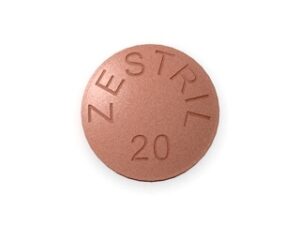



Irbesartan (Irbesartan) — Patient Guide (Australia)
Irbesartan is a medicine used to treat high blood pressure and help protect the kidneys in certain people at risk of kidney disease. It belongs to a class of medicines called angiotensin II receptor blockers (ARBs). This guide explains how irbesartan works, how to take it safely, what to watch for, and what options may be considered in Australia.
This information is designed to be patient-friendly and practical. Always follow the directions provided with your specific product and talk to a healthcare professional if you have questions.
Basic Product Information
| Category | Details |
|---|---|
| Generic name | Irbesartan |
| Medicinal class | Angiotensin II receptor blocker (ARB) |
| Common uses | High blood pressure; kidney protection in certain patients with diabetes and protein in urine |
| Common strengths | Available in several tablet strengths (varies by brand) |
| How it comes | Tablets (commonly taken once daily) |
| Key targets | Blood pressure and kidney/heart protection pathways |
How Irbesartan Works (Mechanism of Action)
Irbesartan works by blocking angiotensin II, a hormone that narrows blood vessels and increases blood pressure. Specifically, it targets the AT1 receptor on blood vessel walls and in other tissues.
- Blood vessel relaxation: Less angiotensin II activity leads to wider blood vessels, lowering blood pressure.
- Reduced strain on the heart: With lower resistance in the arteries, the heart may work more efficiently.
- Kidney protection (in eligible patients): Angiotensin II contributes to harmful changes in kidney blood vessels and filtering structures. Blocking its receptor can reduce stress on the kidneys, particularly when there is diabetes and protein leakage.
Important: Irbesartan helps manage risk factors over time. It is not a “fast relief” medicine for sudden spikes in blood pressure, but rather supports steady long-term control.
Pharmacokinetics (How the Body Handles Irbesartan)
Understanding how irbesartan behaves in the body can help you manage dosing and expectations.
- Absorption: Irbesartan is absorbed after oral dosing. Peak blood levels generally occur within a few hours.
- Distribution: It binds to blood proteins and distributes through the body to its sites of action.
- Metabolism: It is partly metabolised in the liver (and also cleared through other pathways).
- Excretion: Metabolites and drug are eliminated mainly via bile and urine.
- Half-life: The drug has a long duration of action, supporting once-daily dosing.
Kidney and liver considerations: People with kidney or liver impairment may require monitoring and dosing adjustments depending on overall clinical status.
Typical Use in Australia
In Australia, irbesartan is used for:
- Hypertension (high blood pressure): Helps lower blood pressure to reduce the risk of stroke, heart disease, and kidney complications.
- Kidney protection in selected patients: Particularly in some people with type 2 diabetes, high blood pressure, and evidence of kidney damage (commonly described as protein in the urine).
Other uses may be considered by clinicians based on individual circumstances and treatment goals.
When to Take Irbesartan (Timing)
Most people take irbesartan once daily, at a consistent time. This helps maintain stable levels in the body and supports adherence.
- With or without food: Irbesartan can be taken either way.
- Same time each day: Choose a time that fits your routine (morning or evening).
- If you miss a dose: Take it as soon as you remember on the same day. If it is close to the time for your next dose, skip the missed dose and resume your usual schedule. Do not take double doses.
How quickly will it work? Blood pressure may start to improve within the first days, but full effects can take several weeks. Continue regular dosing even if you feel well.
Food Interactions
General guidance: Irbesartan can be taken with or without food. Food does not typically require special avoidance.
However, as with any blood pressure medicine, lifestyle choices that affect hydration and blood pressure regulation can still influence how you feel (for example, heavy alcohol intake or dehydration during illness).
Alcohol and Medicine Interactions
Alcohol: Drinking alcohol can lower blood pressure further, which may increase dizziness or light-headedness, especially when starting treatment or when doses are increased.
- Be cautious: If you drink alcohol, consider limiting intake and monitor how you feel after taking irbesartan.
- Avoid dehydration: Alcohol may contribute to dehydration in some situations, which can be risky if you are prone to low blood pressure or kidney issues.
Other medicine interactions (high-level): Irbesartan can interact with several medication categories, mainly by affecting kidney function, potassium levels, or blood pressure:
- Potassium-raising medicines: Examples can include potassium supplements or certain “salt substitutes” containing potassium, and some diuretics that retain potassium (e.g., spironolactone, eplerenone). These can increase the risk of high potassium (hyperkalaemia).
- Non-steroidal anti-inflammatory drugs (NSAIDs): Regular or high-dose NSAID use (e.g., ibuprofen, naproxen, diclofenac) can sometimes affect kidney function and reduce the blood pressure-lowering effect.
- Other blood pressure medicines: Combined therapy may increase the chance of low blood pressure, dizziness, or fainting—especially during dose changes.
- Lithium: Use with lithium can be risky and requires close monitoring in clinical practice.
Always check your full medication list (including over-the-counter medicines and supplements) with a healthcare professional or pharmacist.
Indications (What Irbesartan Treats)
Irbesartan is indicated for:
- Treatment of hypertension: Lowering blood pressure to reduce cardiovascular risk.
- Kidney protection in type 2 diabetes: For patients with type 2 diabetes, hypertension, and evidence of kidney disease (for example, protein in urine), to slow progression in selected cases.
Eligibility and exact criteria depend on your clinical assessment, including blood tests and urine findings.
Dosing (Typical Adult Regimens)
Dosing should be individualised by a clinician based on your blood pressure, kidney function, overall health, and other medicines.
General adult dosing patterns include:
- Hypertension: Often started at a low-to-moderate daily dose, then adjusted based on blood pressure response.
- Diabetic kidney protection in eligible patients: A daily dose is commonly used aiming for blood pressure targets and kidney protection benefits.
How adjustments may be made:
- If blood pressure remains above target, the dose may be increased.
- If you experience side effects (such as dizziness), a lower dose or additional adjustments may be considered.
- In kidney impairment, potassium abnormalities, dehydration, or significant illness, clinicians may monitor more closely and adjust the plan.
Do not change your dose without medical advice. Stopping ARBs suddenly may worsen blood pressure control.
Safety Profile and Side Effects
Like all medicines, irbesartan can cause side effects. Many people tolerate it well, but it’s important to know what to watch for and when to seek help.
Common side effects
- Dizziness or light-headedness (often related to blood pressure lowering)
- Tiredness
- Headache
- Gastrointestinal symptoms (less commonly)
Less common but important risks
- High potassium (hyperkalaemia): May cause weakness, abnormal heart rhythms, or be detected through blood tests.
- Kidney function changes: Particularly after starting treatment or during illness/dehydration.
- Low blood pressure: More likely if you are dehydrated, on diuretics, or have kidney artery narrowing.
- Allergic reactions: Rare, but seek urgent help if swelling of the face/lips, breathing difficulties, or severe rash occurs.
When to seek urgent medical help
- Fainting, severe dizziness, or symptoms of very low blood pressure
- Chest pain, palpitations, or signs of abnormal heart rhythm
- Severe or persistent vomiting/diarrhoea leading to dehydration
- Swelling of the face, lips, tongue, or throat; trouble breathing
Practical Use Tips (Getting the Best Benefit)
- Monitor your blood pressure: Use a home blood pressure monitor if appropriate. Keep a record to share with your clinician.
- Attend blood tests: Your clinician may check kidney function and potassium, especially after starting and during dose changes.
- Stay hydrated: Adequate fluids support kidney function. Be cautious during hot weather or if you develop vomiting or diarrhoea.
- Stand up slowly: If you feel dizzy, rise gradually from sitting or lying positions.
- Avoid doubling doses: If you miss a dose, follow the missed-dose guidance above.
- Inform all healthcare providers: Let your pharmacist, dentist, or doctor know you’re taking irbesartan, especially before new treatments.
“Sick day” considerations: If you develop a significant illness that causes dehydration (for example, severe diarrhoea or persistent vomiting), you should contact a healthcare professional promptly for advice. ARBs may be temporarily reviewed in certain dehydration-risk situations.
How Long to Use Irbesartan
Irbesartan is usually taken long-term to control blood pressure and reduce risks to the heart and kidneys. Stopping can lead to rising blood pressure and loss of protective effects. If you are thinking about stopping, discuss alternatives and a taper/plan with your clinician.
Alternative Options
Depending on your diagnosis, blood pressure goals, and tolerance, clinicians may consider other medications. Alternatives typically fall into similar or different drug classes:
Other blood pressure medication classes
- ACE inhibitors (e.g., enalapril, lisinopril): Another major class affecting the renin–angiotensin system.
- Calcium channel blockers (e.g., amlodipine): Often used alone or with ARBs.
- Thiazide-like diuretics (e.g., indapamide): Helpful for many people, especially when salt intake is high.
- Beta-blockers (e.g., bisoprolol): May be chosen when there are other conditions such as certain heart diseases.
ARB alternatives
- Other ARBs (e.g., losartan, valsartan, telmisartan): Similar mechanism, different dosing and individual response.
Combination therapy: Many patients require more than one medicine to reach target blood pressure. The choice of combinations depends on kidney function, potassium levels, and other medical conditions.
Market and Legal Context for Australia
In Australia, medicines are regulated by the Therapeutic Goods Administration (TGA). Blood pressure medicines—including ARBs such as irbesartan—are typically available through prescription medicine pathways, and supply must comply with Australian regulations.
Online pharmacy services may offer different categories of products depending on TGA scheduling and state/territory requirements. Availability and pharmacy policies may vary, and customers should ensure they meet eligibility requirements for the service they use.
Quality and authenticity: Choose reputable pharmacy providers and ensure the product listing includes appropriate identifiers (such as manufacturer and batch/expiry details) and follows Australian distribution standards.
Recent Guidance (General Principles)
Clinical guidance in Australia for hypertension commonly emphasises:
- Individual cardiovascular risk assessment: Targets may vary based on age, diabetes, kidney disease, and overall risk.
- Use of guideline-based first-line options: ARBs, ACE inhibitors, calcium channel blockers, and thiazide-like diuretics are commonly considered.
- Monitoring for safety: Kidney function and potassium are routinely monitored, particularly with renin–angiotensin system medicines.
- Lifestyle support alongside medicines: Healthy eating, reduced salt, regular activity, weight management, and not smoking can improve outcomes.
Because recommendations can evolve, it’s wise to review your plan with a clinician, especially if you have diabetes, kidney disease, heart failure, or are taking other interacting medicines.
Delivery and Availability (Online Pharmacy Information)
Online pharmacy services in Australia typically provide:
- Clear product listings with strength, form (tablet), and manufacturer details.
- Shipping to Australian addresses (subject to service area and regulations).
- Packaging and handling designed to maintain product integrity.
- Delivery timeframes that can vary by location and shipping method.
Availability: Stock levels can change. If your preferred strength is temporarily unavailable, a pharmacist may suggest an alternative strength or brand where clinically appropriate.
Storage: Store tablets according to the instructions on the packaging, typically at room temperature, away from moisture and direct sunlight. Keep out of reach of children.
FAQ — Frequently Asked Questions
1) What is irbesartan used for?
Irbesartan is used to treat high blood pressure and, in selected people with type 2 diabetes and kidney disease, to help protect the kidneys.
2) How fast will my blood pressure improve?
Some improvement may be noticed within days, but it often takes several weeks to see the full effect. Continue taking it every day as directed.
3) Can I take irbesartan with food?
Yes. Irbesartan can be taken with or without food.
4) What should I do if I miss a dose?
Take it when you remember on the same day. If it’s close to the next dose, skip the missed dose and resume your usual schedule. Do not take a double dose.
5) Will irbesartan cause dizziness?
Dizziness can occur, especially when starting treatment or after dose increases. Stand up slowly and monitor your symptoms. If dizziness is severe or you faint, seek urgent medical help.
6) Are there interactions with pain relievers like ibuprofen?
Regular or high-dose NSAIDs can affect kidney function and may reduce the blood pressure effect. If you need pain relief, ask a pharmacist what is safest for you.
7) Can I drink alcohol while taking irbesartan?
Alcohol may further lower blood pressure and increase dizziness. Keep intake moderate and pay attention to how you feel—especially when starting or changing doses.
8) Do I need blood tests?
Your clinician may check kidney function and potassium, particularly after starting and during dose changes or if you are at higher risk.
9) Is it safe to use irbesartan in people with kidney problems?
Many people with kidney disease can use ARBs, but dosing and monitoring are important. Your kidney function and potassium levels should be assessed regularly.
10) What are signs of high potassium?
High potassium often has no symptoms, but it can cause weakness or abnormal heart rhythms. Blood tests are the most reliable way to detect it.
11) What if I am pregnant or planning pregnancy?
Renin–angiotensin system medicines may not be suitable during pregnancy. If pregnancy is possible, discuss contraception and treatment options with your healthcare professional promptly.
12) What alternatives exist if irbesartan isn’t suitable for me?
Depending on your circumstances, your clinician may consider other ARBs, ACE inhibitors, calcium channel blockers, or diuretics, or adjust the combination therapy.
Summary
Irbesartan is an ARB used in Australia for high blood pressure and, for certain people with type 2 diabetes, to help protect the kidneys. It works by blocking angiotensin II receptors, relaxing blood vessels and reducing stress on the cardiovascular system. Most people take it once daily, with or without food, and benefit from regular monitoring—especially of kidney function and potassium.
If you have questions about whether irbesartan is appropriate for you, or how it may interact with your other medicines, speak with a pharmacist or healthcare professional.