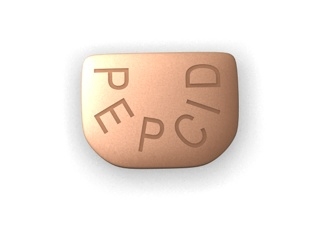

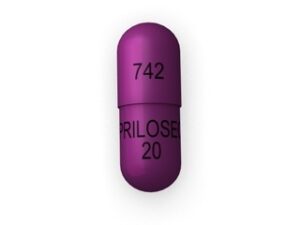
Pepcid (Famotidine) — Patient-Friendly Guide (Australia)
Pepcid is a brand of famotidine, a medicine commonly used to reduce stomach acid. It can help relieve symptoms such as heartburn and indigestion caused by acid. This guide explains how Pepcid works, when to take it, what to expect, and important safety information for use in Australia.
Quick overview
- Active ingredient: Famotidine
- What it does: Helps reduce stomach acid
- Common uses: Heartburn, acid indigestion, and symptoms related to excess stomach acid
- How it’s taken: Usually by mouth, with timing depending on your symptoms and other medicines
- Typical onset: Symptoms often improve within hours
Basic product information
Pepcid contains famotidine, which belongs to a class of medicines called H2-receptor antagonists (sometimes written as H2 blockers). These medicines work by decreasing the amount of acid your stomach produces.
In Australia, famotidine products may be available in different strengths and formulations depending on the brand and supplier. Always check the specific pack instructions for your product strength (for example, 10 mg or 20 mg tablets) and for how often you should take it.
How Pepcid works (mechanism of action)
Famotidine blocks histamine-2 (H2) receptors on acid-producing cells in the stomach. Normally, histamine helps stimulate these cells to produce stomach acid. By blocking H2 receptors, Pepcid reduces acid secretion.
This can help:
- Reduce burning in the chest (heartburn)
- Ease acid-related indigestion
- Support healing of irritation that can occur from reflux/acid exposure
Pharmacokinetics (how your body handles it)
While individual response varies, the general process is as follows:
- Absorption: Famotidine is absorbed after being taken by mouth.
- Distribution: It acts primarily on the stomach’s acid-making cells.
- Metabolism: A portion is metabolised by the liver, but a significant amount may be excreted unchanged.
- Elimination: Famotidine is largely cleared by the kidneys (urine), so kidney function can influence how long it lasts.
- Onset and duration: Effects typically begin within hours and may last long enough to help with day and/or night symptoms depending on dosing and your pattern of reflux.
If you have kidney impairment, your clinician or pharmacist may advise using a lower dose or longer dosing interval, because the medicine can stay in the body longer.
Typical uses (indications)
Pepcid is used for conditions where stomach acid contributes to symptoms. Common indications include:
- Heartburn (burning sensation in the chest)
- Acid indigestion
- Gastro-oesophageal reflux (GORD/GERD) symptoms such as regurgitation, sour taste, or burning
- Relief of upper gastrointestinal discomfort related to acid
- Some people use it to help manage symptoms that occur after meals or during the night
For persistent symptoms, repeated use over a long period should be discussed with a healthcare professional.
When to take Pepcid (timing and how to use it)
Timing can make a difference, especially if your symptoms are linked to meals or nighttime reflux. Always follow the instructions on your specific pack and/or advice from your pharmacist.
General timing tips
- For daytime heartburn/indigestion: Many people take Pepcid before meals or when symptoms are expected.
- For symptoms after eating: Taking it earlier may help reduce the chance of acid-related discomfort later.
- For nighttime symptoms: People often take it in the evening or before bed if the product instructions support that schedule.
Take with or without food?
Famotidine can usually be taken with or without food. However, the best timing for symptom control can vary between individuals. If you notice your symptoms most often occur after meals, consider taking Pepcid before the meal that usually triggers symptoms.
Food interactions
Generally, food does not have a major direct interaction with famotidine, but your symptoms may be influenced by meals. Because Pepcid reduces acid production, it may be helpful to coordinate timing with eating patterns that worsen your reflux.
To support the medicine’s effect, consider practical dietary strategies:
- Avoid large, heavy meals
- Limit foods that commonly trigger reflux (for example, very fatty meals, spicy foods, tomato-based foods, and citrus for some people)
- Avoid eating close to bedtime if nighttime heartburn is an issue
Alcohol interactions
While famotidine does not have a specific dangerous interaction with alcohol for most people, alcohol can worsen reflux and heartburn by relaxing the valve between the stomach and oesophagus and by irritating the upper gastrointestinal tract.
- If you drink alcohol, you may find symptoms persist even with Pepcid.
- For best symptom control, consider reducing alcohol intake during periods of frequent heartburn.
If you have frequent reflux, or if symptoms are severe, it’s important to discuss options with a healthcare professional.
Medicine interactions (important considerations)
Famotidine can affect the stomach’s acid environment, which may change how some medicines are absorbed. Most interactions are uncommon, but it’s still important to review your medication list with a pharmacist, particularly if you take multiple medicines.
Medicines where timing may matter
- Some medicines that require stomach acidity for absorption may be less effective if acid is reduced.
- Antacids may be used alongside some acid-reducing medicines, but avoid taking them so close together that you interfere with your personal schedule or specific product instructions.
Common practical approach
- If you take other medicines, consider spacing doses by at least 2 hours unless your pharmacist advises otherwise.
- Keep a list of your medicines (including supplements) and show it to your pharmacist if you are unsure.
Because exact interactions depend on the other medicines you use, always check with a healthcare professional or pharmacist if you take prescription-only medicines, anticoagulants, anti-epileptics, or treatments that require precise dosing.
Dosing (typical adult dosing guidance)
Dosing depends on:
- the strength of your Pepcid product
- the reason you are taking it (occasional symptoms vs ongoing control)
- your kidney function
- age and overall health
Always follow the dose on the package for your specific product strength. If you are unsure, ask a pharmacist to confirm the correct dose for your situation.
Common dosing patterns (general information)
- For occasional heartburn/indigestion: Adults often take a dose when symptoms occur or before expected triggers.
- For frequent symptoms: Some people use a scheduled approach for a short period, then reassess.
- Night-time symptoms: A dose in the evening may be considered if symptoms occur at night.
If you have kidney problems, the dose may need adjustment. Do not increase the dose beyond package instructions without professional advice.
Safety profile (what to watch for)
Pepcid (famotidine) is generally well tolerated in many adults. However, like all medicines, it can cause side effects in some people.
Common side effects
- Headache
- Dizziness
- Constipation or diarrhoea (reported by some users)
- Stomach discomfort
Seek medical advice urgently if
- you develop swelling of the face, lips, or throat
- you have difficulty breathing or widespread rash (possible allergy)
- you experience severe or persistent symptoms not responding to the medicine
When to be extra careful
- Kidney disease: dose adjustment may be necessary.
- Liver disease: discuss appropriate dosing with a healthcare professional.
- Older adults: consider medication review and kidney function.
- Pregnancy or breastfeeding: talk with a healthcare professional before use.
Practical use tips (getting the best results)
- Use consistently for the pattern you have: If your symptoms are predictable (for example, after dinner or at night), take Pepcid at the time that matches your triggers.
- Track what helps: Keep a simple note of meal timing, symptom severity, and Pepcid dose to identify patterns.
- Don’t ignore red flags: If you have symptoms that are new, worsening, or associated with weight loss or bleeding, seek medical advice.
- Combine with lifestyle changes: Avoid late meals, elevate the head of the bed if nighttime reflux is common, and reduce trigger foods for better outcomes.
- Use short-term appropriately: For occasional heartburn, Pepcid can be useful. If symptoms keep returning frequently, discuss longer-term strategies.
Alternative options to consider
Depending on your symptoms, healthcare history, and how frequent your reflux is, there are several alternative medication approaches. A pharmacist can help you choose the most suitable option.
Other acid-reducing medicines
- Antacids (e.g., aluminium/magnesium hydroxide, calcium carbonate): often work quickly for short-term relief.
- Proton pump inhibitors (PPIs) (e.g., omeprazole, esomeprazole, pantoprazole): typically more potent acid suppression and commonly used for frequent or persistent reflux.
- Other H2 blockers: similar class medications may be available.
Non-medicine measures
- Smaller meals
- Limiting alcohol and smoking
- Avoiding lying down soon after eating
- Weight management if relevant
- Adjusting bed position for nighttime symptoms
Your best choice depends on how often you have symptoms and whether you need quick, short-term relief or longer control.
Market and legal context for Australia (important notes)
In Australia, access to medicines depends on their classification and local regulatory requirements. Many acid-reducing products (including some famotidine options) may be available without prescription, while other strengths or formulations may be restricted or require additional guidance. Availability and classification can differ between brands and pack sizes.
Online pharmacy services in Australia typically:
- provide product information and recommended use directions
- encourage customers to consult a pharmacist for suitability
- follow privacy and safety requirements
- require that products are delivered in compliance with local regulations
If you are unsure whether Pepcid is appropriate for you—particularly if symptoms are frequent, severe, or associated with other health conditions—speaking to a pharmacist is recommended.
Recent guidance and evidence (general current considerations)
Acid-related symptom management evolves over time as more evidence becomes available. Current practice in many settings emphasises:
- Matching treatment intensity to symptom frequency: occasional heartburn may respond well to H2 blockers or antacids; persistent symptoms often require assessment.
- Reassessing if symptoms persist: ongoing or worsening reflux should be discussed with a healthcare professional to rule out complications.
- Using the lowest effective dose: to control symptoms while minimising side effects.
If your symptoms are not improving after a short period, or if you experience concerning features (such as difficulty swallowing, vomiting blood, or black stools), seek timely medical advice.
Delivery and availability (online pharmacy)
Pepcid may be available from online pharmacies in Australia depending on brand, strength, and stock. Delivery options and timeframes vary by supplier and location.
What to expect when ordering
- Stock availability: Online listings may reflect real-time or near-real-time availability.
- Dispatch times: Typically occur within business days, but may vary during peak periods.
- Tracking: Many online pharmacies provide tracking details once the order is dispatched.
- Delivery conditions: Storage is usually straightforward (follow the pack instructions for temperature and protection from moisture).
If you need help selecting the correct strength or dosing schedule, customer support or a pharmacist can guide you based on your symptom pattern and other medicines.
FAQ about Pepcid (famotidine)
1. What is Pepcid used for?
Pepcid is used to help relieve heartburn and acid indigestion by reducing stomach acid. It may also be used for symptoms related to reflux.
2. How quickly does Pepcid work?
Many people notice symptom improvement within hours. If your symptoms are meal-related, taking Pepcid at the appropriate time before expected triggers can improve results.
3. Can I take Pepcid with food?
In most cases, Pepcid can be taken with or without food. If your symptoms typically occur after meals, taking it before a meal may help.
4. How long can I use Pepcid?
For occasional heartburn, short-term use may be appropriate. If you need it frequently, or symptoms continue, it’s important to discuss with a pharmacist or healthcare professional for a tailored plan.
5. Is Pepcid safe for everyone?
Pepcid is generally well tolerated, but safety depends on your health and other medicines—especially kidney function. If you have kidney problems, are pregnant or breastfeeding, or take other medicines, ask for advice before using.
6. Can I drink alcohol while using Pepcid?
Alcohol may worsen reflux and heartburn, even if Pepcid reduces acid. For best control, consider limiting alcohol during symptoms.
7. What should I do if my symptoms don’t improve?
If your symptoms persist, worsen, or return quickly after stopping Pepcid, seek advice. Persistent reflux may need assessment for other causes and potentially different treatment.
8. When should I seek urgent medical help?
Get urgent help if you have trouble breathing, facial/throat swelling, severe allergic symptoms, or red-flag gastrointestinal symptoms such as vomiting blood, black/tarry stools, unexplained weight loss, or difficulty swallowing.
9. Can Pepcid interact with other medicines?
Yes, in some cases. Because acid can affect absorption, certain medicines may be impacted. If you take multiple medicines, ask a pharmacist about timing and suitability.
10. Are there alternatives to Pepcid?
Yes. Options may include antacids, proton pump inhibitors, or other H2 blockers. The best choice depends on how often you have symptoms and your health profile.
Summary
Pepcid (famotidine) is a well-known acid-reducing medicine used to relieve heartburn and acid indigestion. By blocking H2 receptors, it helps decrease stomach acid production. Many people can take it with or without food, and timing it around meals or nighttime symptoms may improve comfort. While Pepcid is generally well tolerated, it’s important to consider kidney function and possible interactions with other medicines.
If you have frequent symptoms, symptoms that keep returning, or any red-flag signs, speak with a pharmacist or healthcare professional to determine the safest and most effective next steps.