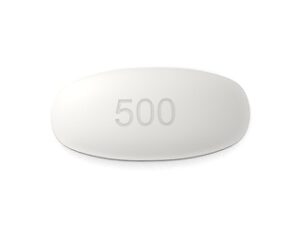

Panadol (Paracetamol) – Patient-Friendly Guide (Australia)
Panadol is a widely used pain relief and fever-reducing medicine containing paracetamol (also known as acetaminophen). This guide explains how Panadol works, how to use it safely, what to watch for, and where it fits in everyday care in Australia.
Always read the label and follow your pharmacist’s or doctor’s advice if it differs from this general information. If symptoms persist or worsen, seek medical advice.
Basic product information
- Active ingredient: Paracetamol (Acetaminophen)
- Common brand: Panadol
- Medicine type: Analgesic (pain reliever) and antipyretic (fever reducer)
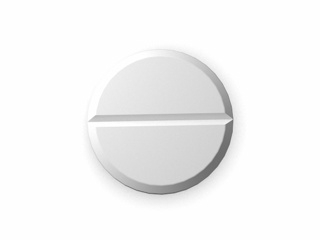
- Typical forms (varies by product range): Tablets, caplets, soluble tablets, and “rapid”/“extended” variants depending on the specific Panadol product
Panadol is designed for short-term relief of mild to moderate pain and fever. Different Panadol products can have different strengths and dosing schedules, so check the specific product packaging you’re buying.
How Panadol works (mechanism of action)
Paracetamol helps to reduce pain and fever primarily by acting on the body’s temperature regulation and pain pathways. While the exact mechanism is complex, paracetamol is thought to:
- Reduce fever by acting on the hypothalamus (the brain area that controls body temperature).
- Increase pain tolerance by influencing pain signalling in the central nervous system.
- Have minimal anti-inflammatory effect compared with medicines such as ibuprofen.
Because it doesn’t rely on strong anti-inflammatory action, paracetamol is often selected for general aches, headaches, and fever—even when inflammation is not the main issue.
Pharmacokinetics (how your body processes it)
Pharmacokinetics describes what happens to a medicine after you take it: absorption, distribution, metabolism, and elimination. For paracetamol, key points include:
| Stage | What typically happens |
|---|---|
| Absorption | Paracetamol is absorbed from the gastrointestinal tract and enters the bloodstream. |
| Onset of action | Many people feel pain relief or reduced fever within about 30–60 minutes, depending on the formulation and individual factors. |
| Peak level | Blood levels generally peak within a short period after dosing (often ~1–2 hours for conventional formulations). |
| Metabolism | Primarily processed in the liver. A small portion is converted to a reactive metabolite that is normally neutralised by glutathione. |
| Elimination | Metabolites are mainly eliminated through the kidneys (urine). |
Important: Because paracetamol is processed in the liver, taking too much (or combining it with other paracetamol-containing products) can be dangerous.
Typical use: what Panadol is for
Panadol is commonly used for temporary relief of:
- Headaches (including tension-type headaches)
- Fever (e.g., flu-like illness or post-immunisation fever)
- Muscle aches and general body pain
- Back pain (mild to moderate)
- Minor arthritis pain where appropriate
- Toothache (temporary pain relief)
- Cold and flu symptoms when pain/fever relief is needed (particularly if the product is combined with a cold/flu medicine—check ingredient lists carefully)
If your symptoms are severe, last longer than expected, or you have recurring fever, consult a healthcare professional.
Timing and how often to take it
Dosing frequency depends on the strength of your Panadol product and your age. For general paracetamol products in adults, a common schedule is:
- Adults: often every 4–6 hours as needed
- Maximum daily dose: check your specific pack for the correct maximum; do not exceed it.
For children, dosing is typically based on weight. Use a children’s paracetamol product and follow the label or advice from a pharmacist for exact mg/kg dosing.
Practical tip: Write down the time you take each dose to avoid accidental overuse—especially when symptoms come and go through the day.
Food interactions: can you take Panadol with meals?
Paracetamol is generally safe to take with or without food. However, certain tips can help with comfort and effectiveness:
- With food: Taking Panadol with a light meal can help if you feel nausea or have a sensitive stomach.
- Empty stomach: Some people prefer taking it on an empty stomach for quicker onset, but this is not required.
- Consistency: For repeat dosing, keeping a similar routine (e.g., after breakfast and at bedtime) may help you track doses safely.
If you’re taking other medicines around the same time, check their labels to confirm whether any timing guidance applies.
Alcohol interactions and warnings
Alcohol and paracetamol require extra care. While occasional use may be tolerated by some people, the combination can increase the risk of liver stress—particularly if:
- You drink regularly or in large amounts.
- You have existing liver disease or are at risk of malnutrition.
- You take higher-than-recommended doses of paracetamol.
Safety message: If you plan to drink alcohol while using Panadol, it’s safest to use the lowest effective dose and avoid exceeding recommended limits. When in doubt, ask your pharmacist.
Medicine interactions (including “double dosing”)
Paracetamol interactions are not as extensive as for some other medicines, but there are important considerations. The biggest risk is accidental duplication—taking multiple products that each contain paracetamol.
Common interaction themes
- Other paracetamol-containing products: Cold/flu combination products and many “headache & cold” remedies can include paracetamol.
- Liver-metabolised medicines: Some medicines can affect liver enzyme activity, potentially increasing risk in certain situations.
- Warfarin (blood thinner): Regular long-term paracetamol use may affect bleeding risk. Occasional use is often used safely, but talk to a clinician if you need frequent dosing.
What to check on labels
- Look for words such as paracetamol or acetaminophen in the ingredient list.
- If you use a combo product for colds/flu, confirm that its paracetamol amount is included in your daily total.
If you have multiple medicines, it’s a good idea to have a pharmacist help you confirm safe dosing.
Indications: when Panadol is most appropriate
Panadol is indicated for the temporary relief of:
- Pain such as headache, toothache, and aches
- Fever associated with common illnesses
Choose Panadol when you need pain relief or fever reduction. If your pain involves significant inflammation (for example, some swelling-related joint injuries), other options such as anti-inflammatory medicines may be more suitable—ask a pharmacist about the best choice for your situation.
Dosing: general guidance for safe use
Dosing depends on your age, body weight (for children), and the strength of the product you have. Always follow the instructions on the specific Panadol pack. The details below are general education and may not match every Panadol variant.
Adults and adolescents (general)
- Typical dose: often 500 mg to 1000 mg per dose, depending on the product strength and label instructions.
- Interval: frequently every 4–6 hours as needed.
- Maximum daily dose: do not exceed the maximum stated on the packaging.
Children
- Child dosing is usually weight-based.
- Use children’s paracetamol formulations where appropriate (e.g., syrups/children’s tablets) and measure accurately.
- Follow the dosing guide on the pack or advice from your pharmacist/doctor.
Older adults
- Older adults may be able to use paracetamol, but dose limits still apply.
- Check for liver issues, regular alcohol intake, or multiple medication use that could raise risk.
Kidney or liver impairment
- If you have liver disease or a high risk of liver injury (including regular heavy alcohol use), you may need a different approach—seek advice from a pharmacist.
- In some kidney conditions, dosing may also need adjustment. Get personalised guidance.
Never exceed the maximum daily dose stated on the label, and avoid taking more than one paracetamol-containing medicine at the same time.
Safety profile: important precautions
Panadol (paracetamol) is generally well tolerated when used as directed. The most significant risk comes from overdose or accidental duplication, which can lead to serious liver injury.
Seek urgent medical help if…
- You suspect an overdose (even if you feel okay at first).
- Your child has taken more than directed.
- You develop symptoms such as persistent nausea, vomiting, abdominal pain, unusual tiredness, or yellowing of the skin/eyes (jaundice).
When to be extra cautious
- Liver disease or history of liver problems
- Regular alcohol use or recent heavy drinking
- Malnutrition or low body weight
- Use of multiple medicines that may contain paracetamol
Side effects (possible)
Side effects are usually uncommon when taking correct doses. Possible effects include:
- Allergic reactions: rash, itching, swelling, breathing difficulties (seek urgent care)
- Uncommon gastrointestinal symptoms: nausea (often related to the person’s condition or other factors)
If you experience any worrying symptoms or signs of allergy, stop taking the medicine and seek medical advice.
Practical use tips for everyday life
- Start low and adjust: Use the lowest effective dose for the shortest time needed.
- Track dosing times: A dosing diary or phone reminder helps prevent accidental extra doses.
- Check combination products: Many cold/flu and headache remedies contain paracetamol—compare ingredient lists.
- Hydrate: For fever or illness, drink water or oral rehydration solutions when appropriate.
- Non-medicine measures: Rest, gentle stretching, warm compresses (for muscle pain), and cool fluids/light clothing (for fever) can complement medication.
- Don’t “stack” painkillers without advice: Combining medicines may increase risk. If you’re unsure, ask a pharmacist.
Alternative options (what else you can consider)
Depending on the type of pain or fever and your health profile, other options may be suitable:
- Ibuprofen (an anti-inflammatory medicine) may help where inflammation is a significant part of the pain, but it may not be ideal for everyone (for example, some people with stomach ulcers, kidney issues, or certain medical conditions).
- Other non-medication strategies: heat/cold therapy, physiotherapy approaches, or rest and hydration.
- For specific conditions: Persistent migraine or joint pain may require a tailored plan from a healthcare professional.
If you’re choosing between paracetamol and another option, a pharmacist can help you compare benefits and risks based on your age and medical history.
Panadol in the Australian market: legal and guidance context
In Australia, paracetamol products like Panadol are available as listed medicines or over-the-counter products depending on formulation and strength. They are commonly sold in pharmacies and supermarkets, with clear labelling and consumer medicine information.
Australian healthcare bodies emphasise safe use of paracetamol, particularly regarding:
- Correct dosing and adherence to label limits
- Avoiding overdose and accidental duplication
- Special risk groups (liver impairment, chronic alcohol use, children)
For the most up-to-date safety and product information, consumers should refer to: the product label, the consumer medicine information (CMI), and authoritative Australian health guidance.
Recent guidance and safety messaging (what’s most relevant)
Across Australia, consistent safety messaging focuses on preventing paracetamol overdose by:
- Reading “active ingredients” on all cold/flu and pain products.
- Keeping track of total daily paracetamol from any source.
- Using weight-based dosing for children and measuring liquid medicines accurately.
- Recognising early warning signs of overdose and seeking urgent help.
If you’re using Panadol during a viral illness, you may also be tempted to take combination cold/flu medicines—always confirm that you are not unintentionally increasing paracetamol exposure.
Delivery and availability in Australia
Panadol (paracetamol) is commonly available in Australia through:
- Pharmacy stores
- Online pharmacies and retailers
- Selected supermarkets (depending on the product and retailer)
Availability can vary by formulation (e.g., standard, rapid action, soluble), pack size, and strength. When ordering online, select the correct product variant and confirm the strength and dosing instructions shown on the listing.
Delivery: Most online pharmacies deliver within Australia using standard or express shipping options, depending on your location. Delivery times can vary during public holidays or high-demand periods. Check the listing for current estimates and shipping costs.
FAQ: Panadol (paracetamol) in Australia
1) What is Panadol used for?
Panadol is used for the temporary relief of pain (such as headaches, toothache, and aches) and to help reduce fever.
2) How quickly does Panadol work?
Many people notice relief within 30–60 minutes. Exact timing depends on the product type (standard vs rapid), your metabolism, and whether you’ve eaten.
3) Can I take Panadol with food?
Yes. Panadol can generally be taken with or without food. If you feel nauseated, taking it with a meal may be more comfortable.
4) Can I take Panadol and a cold/flu medicine together?
It may be possible, but only if the cold/flu medicine does not also contain paracetamol. Always check the ingredient list and make sure your total daily paracetamol stays within the pack limits.
5) Is it safe to drink alcohol while using Panadol?
Extra caution is advised. Alcohol can increase the risk of liver stress, especially with regular heavy drinking or high doses of paracetamol. Use the lowest effective dose and follow label maximums, and ask a pharmacist if you’re unsure.
6) What happens if I accidentally take too much Panadol?
Overdose can cause serious harm, particularly to the liver, and symptoms may be delayed. Seek urgent medical help or contact a poisons service immediately if you suspect an overdose.
7) Can children take Panadol?
Yes, children can take paracetamol, but the dose must be appropriate to their age and weight. Use children’s formulations and follow the pack’s dosing guide or pharmacist advice.
8) Can I take Panadol every day?
Occasional use for pain or fever is common. If you need paracetamol regularly (for example, most days), speak to a pharmacist or doctor to review the cause of the pain or fever and ensure safe use.
9) Does Panadol help with inflammation?
Panadol is mainly a pain reliever and fever reducer. It has less anti-inflammatory effect compared with medicines such as ibuprofen.
10) Are there people who should avoid Panadol or get advice first?
People with liver disease, those who drink significant alcohol, and those taking multiple medicines that may contain paracetamol should get advice first—especially if frequent dosing is expected.
Summary
Panadol (paracetamol) is an effective, widely used medicine for temporary pain relief and reducing fever. When used correctly—at the right dose, at the right times, and without exceeding daily limits—it is generally safe for most people.
The most important safety step is to prevent accidental overdose by checking labels and avoiding duplication with other paracetamol-containing products.