Naprelan (Naproxen) — Patient Information (Australia)
Naprelan is a brand of naproxen made as an extended-release (also called “sustained-release”) medicine. It belongs to a group of medicines called NSAIDs (non-steroidal anti-inflammatory drugs). Naprelan is used to reduce pain, inflammation, and fever associated with a range of conditions.
This guide explains how Naprelan works, how it’s used, key safety considerations, and practical tips. If you are unsure whether Naprelan is suitable for you, speak with a pharmacist or doctor.
Quick facts
- Medicine: Naprelan (naproxen) extended-release
- Type: NSAID
- Common effects: Relieves pain and inflammation
- How it’s taken: Usually once daily (varies by strength and condition)
- Key precautions: Stomach/ulcer risk, kidney effects, cardiovascular risk, interactions with other medicines
Basic product information
Naprelan is designed to release naproxen gradually over time. This helps maintain pain relief for longer than standard immediate-release naproxen formulations.
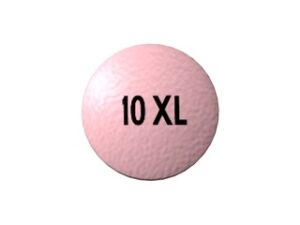
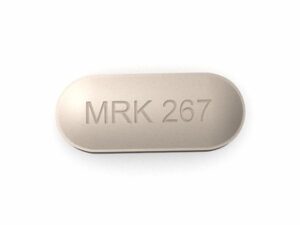
What it looks like / strengths: Naprelan comes in different strengths depending on the product you purchase. Your pharmacy label will show the exact strength you have.
Who it suits: People who need ongoing relief from pain and inflammation, where an extended-release formulation is appropriate.
Who should avoid it unless advised: People with certain stomach ulcer histories, serious kidney disease, NSAID allergy, or other contraindications (see Safety profile below).
How Naprelan works (mechanism of action)
Naproxen works by blocking enzymes called cyclooxygenases (COX-1 and COX-2). These enzymes help produce prostaglandins, which are chemical messengers involved in:
- Pain signalling
- Inflammation and swelling
- Fever
By lowering prostaglandin production, Naprelan helps reduce pain and inflammation. Because prostaglandins also help protect the stomach lining and support kidney blood flow, NSAIDs can cause side effects in some people—especially with long-term use or high doses.
Pharmacokinetics (how the body handles Naprelan)
“Pharmacokinetics” describes what happens from the time you take a dose until the medicine is cleared from your body.
Absorption
- Naprelan is extended-release, meaning naproxen is released gradually.
- After taking a dose, blood levels rise more slowly compared with immediate-release naproxen.
Time to peak concentration
- With extended-release preparations, maximum blood levels typically occur later than with immediate-release products.
- The exact timing can vary by individual factors such as dose, food, and overall health.
Distribution
- Naproxen distributes through body tissues and is partly bound to plasma proteins.
Metabolism and elimination
- Naproxen is metabolised mainly in the liver.
- Elimination is largely through the kidneys (urine), and some metabolites may also be excreted in the bile/feces.
Kidney and liver considerations: If you have reduced kidney function, the medicine may build up more easily. Your clinician/pharmacist may recommend dose adjustments or close monitoring.
Typical use and timing
Naprelan is commonly used for chronic or longer-lasting pain conditions where steady relief is helpful. Because it is extended-release, it’s often taken once daily.
When to take it
- Take Naprelan as directed on your label or as advised by your healthcare professional.
- Try to take it at the same time each day to keep pain control steady.
- If it upsets your stomach, consider taking it with food (see Food interactions).
How long it takes to notice benefits
- Some people notice relief within hours, but maximum benefit for inflammation-related pain may take days.
- If you’re not getting adequate relief, don’t increase your dose without advice—discuss options with a pharmacist or doctor.
Do not crush or chew
- Extended-release tablets should usually be swallowed whole.
- Crushing/chewing may release the medication too quickly and increase side effects.
Indications (conditions Naprelan is used for)
Naprelan may be used to relieve pain and inflammation related to:
- Osteoarthritis
- Rheumatoid arthritis
- Juvenile idiopathic arthritis (where appropriate and as advised)
- Ankylosing spondylitis
- Other inflammatory pain conditions as determined by a healthcare professional
Note: The exact suitability and dosing depend on age, condition, and overall risk factors.
Dosing guidance (important)
Dosing depends on the condition being treated, your age, kidney function, and whether other medicines are used. Always follow the instructions on your packaging.
Common dosing patterns
- Extended-release naproxen is often prescribed as once daily dosing.
- Some conditions may require different starting doses or adjustments.
General principles for safe dosing
- Use the lowest effective dose for the shortest duration needed.
- Avoid taking multiple NSAIDs together (e.g., naproxen + ibuprofen + diclofenac).
- If you miss a dose, take it when you remember unless it’s close to the next dose—do not double up.
Special populations
- Older adults: Higher risk of stomach bleeding and kidney issues—may require lower doses and closer monitoring.
- Kidney impairment: May require dose reduction and monitoring.
- Liver impairment: Risk of accumulation may be increased; consult a healthcare professional.
- Children and adolescents: Suitability depends on age and specific product rules—check with a pharmacist.
Seek urgent medical advice if you accidentally take more than the prescribed dose.
Food interactions and what to eat
Food can affect how quickly naproxen is absorbed and may change stomach tolerance.
Taking with food
- Taking Naprelan with food or milk may reduce stomach irritation.
- Even when taken with food, NSAIDs can still cause ulcers or bleeding in some people.
Grapefruit and caffeine
- Grapefruit is not a common key interaction for naproxen, but individual risk factors vary.
- Caffeine and alcohol can increase stomach irritation in some people; if you notice worsening symptoms, reduce these.
Hydration matters
- Staying well hydrated supports kidney function, especially during illness (e.g., vomiting/diarrhoea) when dehydration can increase NSAID risk.
Alcohol and medicine interactions
Alcohol
Avoid or limit alcohol while taking NSAIDs such as naproxen. Alcohol can increase the risk of:
- Stomach lining damage
- Gastric bleeding
- Worsening indigestion
Other medicines that may interact
Naprelan can interact with several commonly used medicines. Tell your pharmacist or doctor about all medicines and supplements you use, including non-prescription products.
| Medicine / group | Why it matters | What to do |
|---|---|---|
| Other NSAIDs (ibuprofen, diclofenac, aspirin for pain) | Increases risk of stomach ulcer/bleeding and kidney effects | Avoid combining unless specifically advised |
| Blood thinners (warfarin, apixaban, rivaroxaban, dabigatran) | Higher bleeding risk | Seek advice before use; monitor as directed |
| Antiplatelets (clopidogrel, some aspirin regimens) | Increased bleeding risk | Do not change antiplatelet therapy without medical advice |
| SSRIs / SNRIs (sertraline, fluoxetine, venlafaxine, etc.) | May raise gastrointestinal bleeding risk | Discuss risk; watch for black stools or bleeding |
| ACE inhibitors / ARBs (enalapril, lisinopril, losartan, valsartan) | Can affect kidney function when combined with NSAIDs | May require monitoring; maintain hydration |
| Diuretics (“water tablets”) | May increase risk of kidney problems and fluid/electrolyte imbalance | Consult your pharmacist; report decreased urine or swelling |
| Lithium | NSAIDs can raise lithium levels | Need monitoring—avoid unless advised |
| Methotrexate | NSAIDs can increase methotrexate toxicity | Extra caution and schedule review required |
| Diabetes medicines (some types) | Blood sugar effects may change in some cases | Monitor glucose and discuss with your clinician |
| Herbal supplements (e.g., high-dose ginger, ginkgo) | Some may influence bleeding risk or stomach tolerance | Tell your pharmacist about supplements |
Important: This is not a complete list. Your pharmacist can provide an individual interaction check based on your medication profile.
Safety profile (side effects and when to seek help)
Like all medicines, Naprelan can cause side effects. Many people tolerate NSAIDs well, but NSAIDs carry important risks—particularly for the stomach, kidneys, and cardiovascular system.
Common side effects
- Indigestion, heartburn, stomach discomfort
- Nausea
- Headache or dizziness
- Swelling (fluid retention) in some people
Serious risks (get urgent help)
Seek urgent medical attention if you develop signs of serious complications:
- Gastrointestinal bleeding: black/tarry stools, vomiting blood, or severe abdominal pain
- Allergic reactions: swelling of face/lips, wheezing, trouble breathing, hives
- Serious skin reactions: blistering rash or peeling skin
- Signs of kidney problems: reduced urination, persistent swelling, severe fatigue
- Chest pain, sudden breathlessness, weakness on one side, or trouble speaking (possible cardiovascular/vascular events)
Who may be at higher risk
- People with a history of stomach ulcers or gastrointestinal bleeding
- Older adults
- People taking blood thinners or multiple medicines that affect bleeding
- People with kidney disease or dehydration
- People with uncontrolled high blood pressure or heart disease
Contraindications (when Naprelan may not be suitable)
Naprelan may not be appropriate if you have:
- An allergy to naproxen or other NSAIDs
- A history of NSAID-triggered asthma or severe allergic reactions
- Active gastrointestinal ulceration or bleeding
- Severe kidney impairment (depends on severity and clinical judgement)
Always consult a pharmacist/doctor if you have any of these risk factors.
Practical use tips (how to get the best benefit safely)
- Take as directed: Follow the schedule on your label.
- Swallow whole: Do not crush or chew extended-release tablets.
- Use the lowest effective dose: Reduces risk of side effects.
- Stay hydrated: Especially during hot weather or illness.
- Avoid combining NSAIDs: If you need additional pain relief, ask which option is safer for you (e.g., some people can use paracetamol, depending on their health and medicine list).
- Watch for stomach symptoms: Pain, burning, nausea, or black stools should be taken seriously.
- Review your medicines regularly: If you use Naprelan for weeks or months, check in with a pharmacist or doctor.
What to do if you feel unwell while taking Naprelan
- If you develop vomiting, diarrhoea, or cannot drink fluids adequately, your risk of kidney complications may rise. Contact a healthcare professional for advice.
- If you notice easy bruising or bleeding, contact a healthcare professional promptly.
Alternative options
If Naprelan isn’t suitable, there may be other options depending on your condition, risk factors, and previous response to treatment.
Other NSAIDs
- Different NSAIDs (e.g., ibuprofen, diclofenac) may be considered.
- However, they share many NSAID risks, so choosing a different NSAID doesn’t remove the underlying safety concerns.
Non-NSAID pain relief
- Paracetamol (acetaminophen) may be an option for some pain types and generally has a different safety profile.
- Topical therapies (e.g., anti-inflammatory gels) may help localized conditions with less systemic exposure.
Non-medicine approaches
- Physiotherapy, strengthening exercises, weight management, heat/cold therapy
- For arthritis: activity pacing and joint-protecting strategies
Your pharmacist can help compare options based on your symptoms and current medications.
Market and legal context in Australia
In Australia, NSAIDs are supplied in different categories depending on the specific medicine and strength. Many naproxen products are regulated under Australian medicines scheduling rules, and availability may vary.
When buying online, ensure the pharmacy:
- Is operating legally in Australia
- Provides clear product information, including active ingredient and strength
- Offers appropriate customer support and pharmacist consultation where required
Regulations may change, and local supply policies can affect which products are available and how they’re listed. Always check the details provided during checkout and follow any instructions on the packaging.
Recent guidance and public health considerations
Safety messaging for NSAIDs continues to emphasise:
- Using the lowest effective dose for the shortest time
- Assessing individual risks for gastrointestinal bleeding, kidney impairment, and cardiovascular events
- Reviewing interactions with other medicines that increase bleeding risk
For the most current product-specific advice, refer to the information provided with your Naprelan pack and consult healthcare professionals if you have complex medical conditions.
Delivery and availability (what to expect online)
Many Australian pharmacies offer delivery for medicines, subject to eligibility and local regulations. Availability may vary by strength and stock levels.
When ordering online, you can generally expect:
- Packaging confidentiality (products are typically delivered in secure, plain packaging where appropriate)
- Handling time and dispatch depending on stock
- Tracking updates once the order ships (if offered)
- Storage guidance with the product (follow the label/pack instructions)
Tip: If you’re taking Naprelan regularly, consider ordering a few days early to avoid running out.
FAQ — Naprelan (Naproxen)
1) What is Naprelan used for?
Naprelan is used to relieve pain and inflammation associated with conditions such as osteoarthritis, rheumatoid arthritis, ankylosing spondylitis, and other inflammatory pain states as appropriate.
2) How often should I take Naprelan?
This depends on your prescribed directions and the tablet strength. Many people take extended-release naproxen once daily, but always follow the instructions on your label or from your healthcare professional.
3) Can I take Naprelan with food?
Yes. Taking with food or milk may reduce stomach irritation. If your label permits, taking it with a meal is often a good practical approach.
4) Can I drink alcohol while using Naprelan?
It’s best to avoid or limit alcohol because alcohol can increase the risk of stomach irritation and bleeding when combined with NSAIDs.
5) What should I avoid while taking Naprelan?
Avoid other NSAIDs unless advised (for example, ibuprofen or diclofenac). Also be cautious with medicines or supplements that may increase bleeding risk (your pharmacist can check this for you).
6) What if I miss a dose?
Take it when you remember unless it’s close to the next scheduled dose. Do not double up.
7) Are there warning signs I should watch for?
Yes. Seek urgent care if you notice black/tarry stools, vomiting blood, severe stomach pain, wheezing/trouble breathing, facial swelling, or signs of kidney problems such as reduced urine or significant swelling.
8) Can I use Naprelan long-term?
Some conditions require longer treatment, but NSAID risks can increase with dose and duration. If you need ongoing use, it’s important to have periodic reviews with a pharmacist or doctor.
9) What can I use for additional pain if Naprelan isn’t enough?
It depends on your health and current medicines. Many people ask about paracetamol, but the safest approach varies. Speak with a pharmacist before adding another pain medicine.
10) Does Naprelan affect driving or alertness?
Some people may experience dizziness or headache. If you feel affected, avoid driving or operating machinery until you know how the medicine influences you.
Important note
This information is provided to help you understand Naprelan (naproxen) better. It does not replace personalised advice. If you have concerns about side effects, interactions, or suitability—especially if you have stomach ulcer history, kidney disease, heart conditions, or are taking other medicines—please consult a pharmacist or doctor.