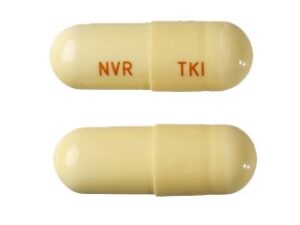

Nolvadex (Tamoxifen) — Patient-Friendly Guide for Australia
Nolvadex is a brand of tamoxifen, a medicine used to treat and help prevent certain hormone-related cancers. This guide explains how Nolvadex works, how it’s taken, what to expect, safety information, and practical tips for everyday use.
This information is designed to be clear and patient-friendly. It does not replace advice from a qualified healthcare professional. If you have questions about your situation, talk with your doctor or pharmacist.
Basic product information
- Generic name: Tamoxifen
- Brand name: Nolvadex
- Medicine type: Selective oestrogen receptor modulator (SERM)
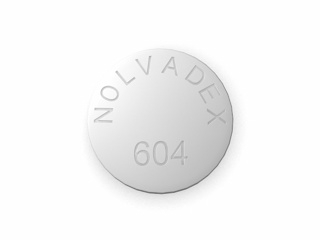
- Common strengths: Often available in tablet form (strengths may vary by product and supply)
- How it works: Blocks oestrogen effects in breast tissue while acting differently in other tissues
- Available in Australia: Dispensed via prescription pathways; availability depends on local supply
How Nolvadex works (mechanism of action)
Tamoxifen belongs to a group of medicines called selective oestrogen receptor modulators (SERMs). Oestrogen can “feed” some types of breast cancer by attaching to oestrogen receptors on cancer cells.
Nolvadex binds to oestrogen receptors and helps prevent oestrogen from stimulating growth in oestrogen-receptor positive cancers. Depending on the tissue, tamoxifen can behave as an antagonist (blocking oestrogen effects) or as a partial agonist (acting in a mixed way).
In addition to blocking receptor signalling, tamoxifen is metabolised in the liver into active forms that contribute to its anti-cancer effects.
Pharmacokinetics (how the body handles tamoxifen)
Understanding how tamoxifen is absorbed and processed can help you take it consistently and avoid common concerns.
- Absorption: Tamoxifen is absorbed after oral dosing.
- Metabolism: It is metabolised primarily in the liver by enzymes in the cytochrome system, including CYP2D6. Some metabolites (including endoxifen) are important for therapeutic effect.
- Onset: Effects develop over time as the medicine and active metabolites build up.
- Half-life: Tamoxifen and its metabolites have a long duration in the body, which is one reason adherence to the prescribed schedule is important.
- Variability: Blood levels can vary between individuals due to genetics (especially CYP2D6), liver function, and interacting medicines.
Typical use and timing
Nolvadex is used for hormone-receptor–related conditions, most commonly breast cancer. Depending on your treatment plan, it may be used:
- After initial cancer treatment to reduce recurrence risk
- To treat certain stages of breast cancer
- To help prevent development of breast cancer in higher-risk groups (in selected cases)
How to take it: Tamoxifen is usually taken as a tablet or . Choose a time of day that fits your routine and stick to it.
Consistency matters: Taking Nolvadex at the same time each day helps maintain steady exposure to the medicine and its active metabolites.
Does food affect Nolvadex?
Food interactions: Tamoxifen can generally be taken with or without food. However, practical guidance may include:
- If your stomach feels unsettled, consider taking it with food.
- Try to avoid sudden changes in your eating routine right around dose times if you notice you feel different.
- Always follow the instructions provided with your specific tablet and by your pharmacist.
Tip: If you take other medicines around the same time, consider spacing them out when advised, especially medicines known to interact through liver enzymes.
Alcohol and medicine interactions
Alcohol
Moderate alcohol consumption may be tolerated by many people, but tamoxifen can affect the liver and general side effects can overlap with alcohol (for example, nausea, dizziness, or fatigue).
- If you have liver concerns or abnormal liver tests, ask a clinician about safe alcohol limits.
- Avoid binge drinking, particularly during cancer treatment cycles or when feeling unwell.
- If you drink alcohol and notice worsened hot flushes, mood changes, or fatigue, consider reducing or stopping and speak with your healthcare team.
Important medicine interactions
Some medicines can affect tamoxifen metabolism, potentially changing its effectiveness or increasing side effects. This is especially relevant for medicines that inhibit CYP2D6.
- CYP2D6 inhibitors: Some antidepressants and other medications may reduce activation of tamoxifen by inhibiting CYP2D6. Examples commonly discussed include certain SSRIs and other CYP2D6 inhibitors. If you take an antidepressant or similar medicine, confirm the specific name with your pharmacist/doctor.
- Hormonal agents: Avoid combining tamoxifen with other treatments that may compete for hormonal pathways unless specifically advised.
- Anticoagulants (blood thinners): Tamoxifen can interact with medicines that affect blood clotting. If you take warfarin or other anticoagulants, close monitoring may be necessary.
- Liver-active medicines: Because tamoxifen is processed in the liver, other medicines that affect liver enzymes may matter.
Always check: Provide your full medication list (including over-the-counter products and supplements) to your pharmacist. Do not start or stop medicines without advice.
Indications: what Nolvadex is used for
In Australia, tamoxifen is commonly used in clinical settings for oestrogen receptor–positive breast cancer, and in specific scenarios aimed at reducing recurrence or progression. It may also be used in certain preventive strategies for selected individuals at higher risk.
Indications can vary depending on cancer type, stage, and patient circumstances, and treatment decisions are typically guided by specialist oncology plans.
- Breast cancer treatment: For hormone-receptor–positive disease in appropriate clinical situations
- Adjuvant therapy: Given after primary treatment to reduce the risk of cancer returning
- Prevention (selected patients): May be considered where appropriate based on risk factors and clinical assessment
Dosing: how much and how often
Dosing depends on the purpose of therapy, your age, other medical conditions, and tolerability. Your medication label and healthcare team’s instructions are the most reliable source for your personal dose.
Common adult dosing patterns:
- Once daily dosing is typical for many indications
- Some regimens use different schedules based on the condition being treated and overall plan
If you miss a dose:
- Take it when you remember if it’s still close to the scheduled time.
- If it’s nearly time for the next dose, skip the missed dose and resume your usual schedule.
- Do not double up unless instructed by your healthcare professional.
Stopping Nolvadex: Do not stop early without clinician advice, especially in cancer prevention or adjuvant settings. If you experience side effects, ask for guidance on symptom management or possible adjustments.
Safety profile: what to watch for
Like all medicines, Nolvadex can cause side effects. Many are manageable, and not everyone experiences them. Some effects require urgent medical attention.
Common side effects
- Hot flushes
- Vaginal dryness or discharge changes
- Irregular menstrual bleeding (if premenopausal)
- Nausea
- Fatigue
- Headache
- Muscle or joint aches
- Skin changes (for example, rash in some people)
Important risks (seek medical advice promptly)
Some risks are serious but do not affect everyone. If any of the following occur, contact a doctor promptly or seek urgent care where appropriate.
- Blood clots (thromboembolism): Seek urgent help for sudden breathlessness, chest pain, coughing blood, swelling/pain in one leg, or sudden neurological symptoms.
- Endometrial (uterine) changes: Report abnormal vaginal bleeding, spotting after menopause, or pelvic pain.
- Stroke symptoms: Sudden weakness/numbness on one side, face drooping, trouble speaking, or sudden severe headache.
- Eye problems: Vision changes should be assessed promptly.
- Severe allergic reactions: Swelling of face/lips, trouble breathing, or widespread rash.
Monitoring and follow-up
- Clinicians may monitor for uterine symptoms, blood pressure, and clot risk based on your individual profile.
- If you have a history of clots, stroke, or uterine disease, your healthcare team may use additional caution.
- Report new symptoms early rather than waiting.
Practical use tips for day-to-day life
- Create a routine: Take your tablet at the same time each day. Linking it to a daily habit (e.g., after breakfast) can help.
- Manage hot flushes: Dressing in layers, avoiding triggers (spicy foods, warm rooms), and using breathable clothing can help.
- Vaginal comfort: If dryness occurs, ask your pharmacist about suitable lubricants/moisturisers and what’s safe to use with your treatment plan.
- Know your “red flags”: Do not ignore symptoms of blood clots or abnormal bleeding—seek advice promptly.
- Keep a medication list: Include every prescription medicine, over-the-counter item, vitamins, and supplements.
- Limit avoidable interactions: Tell your pharmacist if you start a new antidepressant, herbal product, or pain medicine.
- Driving and alertness: If you feel dizzy, fatigued, or unwell, take extra care and avoid driving until you know how you respond.
Alternative options
Depending on your diagnosis and stage, alternatives to tamoxifen may include other endocrine (hormone) therapies or combinations. The best option depends on receptor status, menopause status, prior treatments, and side-effect considerations.
Common alternatives discussed in endocrine therapy for breast cancer
- Aromatase inhibitors (AIs): Often used in postmenopausal patients or as part of treatment strategies in appropriate groups
- Oestrogen receptor downregulators/modulators: Other SERMs or related therapies may be used in selected situations
- Combination endocrine regimens: Specialists may combine or switch endocrine therapies based on response and tolerability
If you’re considering switching due to side effects, do not change your medicine on your own. Ask your clinician about the most suitable alternative for your risk profile and goals of therapy.
Market and legal context for Australia
In Australia, tamoxifen medicines are regulated and dispensed in accordance with national medicines safety and prescribing frameworks. Availability may depend on formulation (tablet strength), brand supply, and pharmacy stock levels.
When buying medicines online, use reputable Australian pharmacies and ensure:
- The product is supplied from compliant channels
- Packaging and labelling meet Australian requirements
- You receive accurate product information and dosing instructions
- Storage guidance is followed (typically cool, dry conditions unless stated otherwise)
Guidelines and product information in Australia are periodically updated. Always check the latest advice from trusted clinical sources and your healthcare team.
Recent guidance and evolving best practice
Over time, clinical practice has continued to refine how tamoxifen is used, particularly regarding interactions that may reduce effectiveness. A major theme in many updates is careful review of medicines that can interfere with tamoxifen metabolism (for example, certain CYP2D6 inhibitors).
- Interaction screening: Clinicians often review antidepressants and other drugs for potential interaction risk.
- Side-effect vigilance: Increased attention is paid to symptoms of blood clots and abnormal uterine bleeding.
- Individualised choice: Treatment plans consider menopause status, clot risk, and overall health.
Guidance can differ based on the cancer setting and patient profile, so your treating team’s recommendations are key.
Delivery and availability (Australia)
Nolvadex (tamoxifen) availability may vary by pharmacy stock and supplier timelines. Online pharmacies typically confirm product details at order time and dispatch once the item is packed and verified.
How delivery usually works:
- Orders are processed during business hours (and may include confirmation steps where required).
- Dispatch times can differ based on stock availability.
- Delivery timelines depend on your location and courier service.
Storage on arrival: Keep tablets in their original packaging and store according to label instructions. Keep out of reach of children.
Product overview table
| Feature | What to know |
|---|---|
| Active ingredient | Tamoxifen |
| Medicine class | Selective oestrogen receptor modulator (SERM) |
| Main action | Blocks oestrogen receptor activity in breast tissue |
| Typical schedule | Usually once daily (or as directed) |
| Food | Usually can be taken with or without food |
| Key interactions | Some medicines may affect CYP2D6 metabolism; review antidepressants and other interacting drugs |
| Important safety concerns | Blood clot risk and endometrial (uterine) changes; report abnormal bleeding |
| When to seek urgent help | Symptoms of clots, stroke, severe allergic reactions, or significant vision changes |
FAQ — Nolvadex (Tamoxifen)
1) What is Nolvadex used for?
Nolvadex (tamoxifen) is used primarily for hormone-receptor–related breast cancer, including treatment and reducing recurrence risk in appropriate settings. It may also be used in selected prevention strategies depending on individual risk factors.
2) How long does it take to work?
Tamoxifen’s benefit develops over time. Because it has a long duration in the body and forms active metabolites, effects are not immediate. Your clinician will monitor progress and side effects during ongoing treatment.
3) Can I take Nolvadex with food?
Yes, tamoxifen can usually be taken with or without food. If you experience nausea, taking it with a meal may help.
4) What should I do if I miss a dose?
If you remember soon after your scheduled time, take it then. If it’s close to your next dose, skip the missed dose and resume your usual schedule. Do not double your dose unless instructed otherwise.
5) Are there interactions with antidepressants?
Some antidepressants can interact with tamoxifen metabolism (particularly through CYP2D6). Tell your pharmacist or doctor the exact antidepressant name and dose. Do not stop antidepressants suddenly—ask for advice first.
6) Does Nolvadex increase the risk of blood clots?
Tamoxifen is associated with an increased risk of blood clots in some people. Seek urgent help for symptoms such as sudden shortness of breath, chest pain, coughing blood, or swelling/pain in one leg.
7) Will Nolvadex affect my periods?
If you have not reached menopause, tamoxifen can cause changes in menstrual bleeding. If you are postmenopausal, any vaginal bleeding should be reported promptly.
8) Can I drink alcohol while taking Nolvadex?
Some people can drink alcohol in moderation, but alcohol may worsen side effects and tamoxifen is processed by the liver. If you have liver issues or experience bothersome side effects, ask your clinician about safe limits.
9) What are the most common side effects?
Common side effects include hot flushes, nausea, fatigue, headache, and vaginal dryness or discharge changes. Many are manageable with lifestyle measures and supportive care.
10) When should I contact a doctor?
Contact your healthcare professional promptly for abnormal vaginal bleeding, symptoms suggesting clots or stroke, severe or persistent headaches, or any worrying new symptoms such as vision changes.
Need help? If you have questions about Nolvadex, your dosing schedule, or how to take it with your other medicines, reach out to a pharmacist for personalised guidance.