Xeloda (Capecitabine) – Patient-Friendly Guide (Australia)
Xeloda is the brand name for capecitabine, a chemotherapy medicine used to treat certain cancers. This guide explains what Xeloda is, how it works, how it’s typically taken, key safety information, and practical tips for everyday use. Information here is general and may not replace advice from your treating team.
Basic product information
- Brand name: Xeloda
- Generic name: Capecitabine
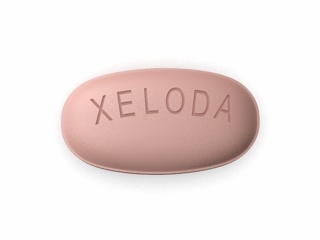
- Medicine type: Oral chemotherapy (tablet/capsule form depending on local presentation)
- How it’s taken: By mouth in defined cycles
- Common strengths (example): Available in different tablet strengths (commonly 150 mg and 500 mg tablets)
Your pharmacist or prescriber will advise the exact dose and schedule for your situation. In Australia, Xeloda is regulated and supplied through appropriate medicine channels.
How Xeloda works (mechanism of action)
Capecitabine is a prodrug—it is converted in the body into its active cancer-fighting form. The active drug is called 5-fluorouracil (5-FU).
The pathway is designed so that more of the active drug is produced in tumour tissue than in normal tissue. In simplified terms, the body converts capecitabine step-by-step until it becomes 5-FU, which then interferes with cancer cell growth.
- Blocks DNA/RNA building blocks: 5-FU disrupts the processes cells use to build genetic material.
- Inhibits key enzymes: It targets enzymes involved in nucleotide production required for cell division.
- Preferential tumour activation: Tumours often have higher levels of enzymes that help convert capecitabine to 5-FU.
Pharmacokinetics (how the body handles it)
“Pharmacokinetics” describes how a medicine is absorbed, processed, and eliminated by the body. For capecitabine, these are the key concepts:
- Absorption: Capecitabine is absorbed from the gastrointestinal tract after oral dosing.
- Conversion to active drug: The conversion to 5-FU and subsequent metabolites happens in multiple tissues, including liver and tumour tissue.
- Metabolism: Capecitabine and metabolites are metabolised primarily in the liver and through enzymatic pathways.
- Excretion: Metabolites are cleared mainly via the kidneys.
- Cycle-based exposure: Many regimens are given in repeating cycles to balance tumour control with recovery time for normal tissues.
Because clearance depends partly on kidney function, your clinician may check creatinine and calculate kidney function before and during treatment.
Typical uses and indications
Xeloda is used for several cancer types. Which indication applies to you depends on diagnosis, cancer stage, prior treatment, tumour markers, and your overall health.
Common indications (examples) include:
- Breast cancer: Certain cases where capecitabine is used as part of a treatment strategy, sometimes for metastatic or resistant disease depending on patient factors and prior therapies.
- Colorectal cancer: Including advanced (metastatic) colorectal cancer, and certain settings where capecitabine replaces or supports other chemotherapy plans.
- Gastro-oesophageal cancers: Some gastric or gastro-oesophageal junction cancers where capecitabine-based regimens are used.
- Combination regimens: Xeloda may be combined with other medicines such as targeted agents or chemotherapy, depending on the regimen.
Always follow the plan provided by your oncology team, as exact uses vary across regimens and cancer stages.
How to take Xeloda: timing and dosing concepts
Xeloda is taken in cycles. A common scheduling pattern is: twice daily for a set number of days followed by a rest period. The exact number of days and the length of rest varies by regimen.
Typical timing (general example)
- Twice daily doses: Often taken in the morning and evening, about 12 hours apart.
- With food guidance: Take with food as advised (details below).
- Cycle schedule: Commonly described as “X days on, then Y days off.”
Important: Do not change timing or schedule without guidance. If you miss doses or have interruptions due to side effects, your team may advise a temporary hold or dose adjustment.
Dosing approach
Capecitabine dosing is often calculated using body surface area (BSA) (based on height and weight), then rounded to the nearest feasible tablet strengths. Dose adjustments can be needed for:
- Age
- Kidney function
- Previous treatment tolerance
- Severity of side effects (for example, hand-foot syndrome or low blood counts)
Your medication label will specify your exact dose and schedule. If you’re unsure how many tablets to take at each dose, check with your pharmacist.
Food interactions: what to eat and when
Food can affect absorption. As a result, capecitabine is typically recommended to be taken with meals. Your instructions on the dispensing label should be followed carefully.
Practical food guidance
- Take with food: Swallow tablets with water and take them during/after a meal as instructed.
- Consistency helps: Aim for regular meal timing to keep dose absorption predictable.
- Manage nausea: If you feel nauseated, ask your team about anti-nausea strategies and suitable meal choices.
If you cannot eat normally (for example, due to vomiting or appetite changes), contact your treating team. Skipping meals and skipping doses should not be decided independently.
Alcohol and medicine interactions
There is no single universal alcohol rule for every patient on capecitabine. However, alcohol can worsen side effects such as: nausea, dizziness, fatigue, diarrhoea, and can also affect the liver and hydration status.
- General approach: Keep alcohol minimal and discuss with your oncology team.
- Avoid binge drinking: It increases dehydration risk and may worsen treatment tolerance.
- Check other medicines: Always review your full medication list for interactions.
Potential medicine interactions (common categories)
Interaction risk depends on your regimen and other medications. Some examples include:
- Warfarin and other blood thinners: Chemotherapy can increase sensitivity in some patients, raising bleeding risk. Your anticoagulation monitoring may need adjustment.
- Phenytoin: Capecitabine may affect phenytoin levels in some cases, requiring monitoring.
- Leucovorin or other folate-related medicines: In some regimens, folate-related agents may influence outcomes.
- Allopurinol: May affect metabolism in some contexts—confirm before using.
- Antacids and stomach medicines: Some acid-reducing therapies may change absorption timing; ask your pharmacist how to schedule doses.
Provide your pharmacist with a list of: prescription medicines, over-the-counter medicines, vitamins, herbal products and any recent changes.
Safety profile: common and important side effects
Like all chemotherapy medicines, Xeloda can cause side effects. Some are common and manageable; others require urgent attention. Your treating team may recommend medicines, dose adjustments, or temporary treatment breaks to reduce risk.
Common side effects
- Diarrhoea or change in bowel habits
- Nausea and sometimes vomiting
- Loss of appetite and taste changes
- Fatigue and weakness
- Mouth sores (stomatitis)
- Skin changes (dryness, rash)
- Hand-foot syndrome (also called palmar-plantar erythrodysesthesia): redness, swelling, tingling, and pain on palms/soles
- Low blood counts (including neutrophils and sometimes platelets)
Serious or urgent side effects
Seek urgent medical help if you have any of the following:
- Fever (often defined as a temperature ≥ 38°C) or signs of infection
- Severe diarrhoea, dehydration, or inability to keep fluids down
- Severe mouth sores preventing drinking
- Severe rash, blistering, or allergic-type reactions
- Breathing difficulty, swelling of face/lips, or wheezing
- Unusual bleeding (for example, nosebleeds, blood in urine/stool, or bruising)
If you’re unsure whether symptoms are serious enough, contact your oncology team immediately. Early management is important.
Who needs extra caution?
- Kidney impairment: increased risk of side effects; dose adjustments may be required.
- Older adults: closer monitoring may be needed.
- History of severe reactions to fluoropyrimidines (including 5-FU or capecitabine).
- Low baseline blood counts or active infections.
Practical use tips (how to stay comfortable)
The following tips can help you use Xeloda more safely and comfortably. Your team may recommend additional steps tailored to your regimen and side effects.
1) Prevent and manage hand-foot syndrome
- Moisturise regularly with a gentle, fragrance-free moisturiser.
- Avoid friction and heat on hands/feet (hot showers, tight shoes, heavy lifting).
- Use protective footwear and comfortable gloves if needed.
- Report early symptoms: tingling or redness early can allow quicker action.
2) Reduce diarrhoea risk
- Stay hydrated (small frequent sips if needed).
- Follow dietary advice from your team; some people benefit from bland, low-fibre foods during flares.
- Use anti-diarrhoeal medicines only as directed by your clinician.
3) Support your mouth and eating
- Use gentle oral care: soft toothbrush, non-alcohol mouthwash if recommended.
- Stay hydrated and avoid spicy/acidic foods if sores develop.
- Tell your team early if mouth sores interfere with eating or drinking.
4) Track symptoms and keep appointments
- Keep a simple log of diarrhoea frequency, mouth pain, rashes, and hand/foot symptoms.
- Attend blood tests as scheduled—these guide safe continuation and dose changes.
5) Missed dose guidance (general information)
If you miss a dose, follow the instructions provided by your treatment team or pharmacist. In many chemotherapy regimens, missed doses are not “made up” automatically, but this can vary by schedule and clinical context.
Alternative options (depending on your diagnosis)
Treatment choice depends on cancer type, stage, prior therapies, and your health. If Xeloda isn’t suitable or needs to be changed due to side effects, alternatives may include:
- Other oral fluoropyrimidines (in some settings)
- Intravenous 5-FU or capecitabine substitutes used in specific regimens
- Different chemotherapy agents combined with targeted therapies
- Targeted therapies or immunotherapies when indicated by biomarkers and cancer type
- Supportive care adjustments to improve tolerability while maintaining treatment goals
Discuss options with your oncology team. They can explain what alternatives are appropriate for your exact situation.
Market and legal context for Australia
In Australia, cancer medicines are subject to regulatory oversight and quality standards. Access typically occurs through hospital pathways, specialist prescribing, or otherwise via the approved medicine supply system.
When buying medicines in Australia, it’s important to use reputable, authorised sellers. Counterfeit or unapproved products pose serious risks—particularly for chemotherapy medicines. Ask your pharmacy about product origin, packaging integrity, and dispensing processes.
Availability can vary by stock levels and regional supply. If you need a continuous treatment cycle, allow extra time for dispatch and ensure you keep track of expected delivery dates.
Recent guidance and monitoring (what is commonly emphasised)
Ongoing clinical practice continues to emphasise safety monitoring for capecitabine, including:
- Regular blood tests to monitor blood counts and kidney/liver function as applicable.
- Early toxicity management for diarrhoea and hand-foot syndrome to prevent severe complications.
- Dose adjustments based on toxicity severity and organ function.
- Clear patient education on when to contact the oncology team urgently.
Your treating team may follow local and international oncology guidelines specific to your regimen. Always follow the instructions you receive for your care plan.
Delivery and availability (Australia-focused)
Xeloda availability may depend on stock at the supplier and your location in Australia. Many online pharmacies aim to dispatch prescriptions promptly and provide tracking where available.
- Allow processing time: Orders may require verification and packaging time.
- Check delivery dates: If you’re nearing a treatment start or end date, plan ahead.
- Packaging: Chemotherapy medicines should arrive in secure packaging to protect tablets from moisture and damage.
- Cold chain: Most capecitabine products do not require refrigeration, but always follow the label/pack instructions.
If you are concerned about running out, speak to your pharmacy early so they can help coordinate supply and reduce missed doses.
How Xeloda is supplied and handled
- Keep in original packaging until you’re ready to take a dose.
- Store as directed on the medicine label (typically in a cool, dry place).
- Keep out of reach of children.
- Do not crush or alter tablets unless explicitly instructed by a healthcare professional.
If you have difficulty swallowing tablets, ask your pharmacist for advice. Do not modify tablets unless instructed.
FAQ – Xeloda (Capecitabine)
1) What is Xeloda used for?
Xeloda (capecitabine) is used in the treatment of certain cancers such as some forms of breast cancer and colorectal or gastro-oesophageal cancers, either alone or in combination with other therapies depending on your specific situation.
2) How do I take Xeloda?
It’s usually taken twice daily on a schedule provided by your oncology team, often for a set number of days followed by rest. Take it with food as instructed, and try to keep timing consistent.
3) Can I take Xeloda with food?
Yes—capecitabine is generally recommended to be taken with meals. Follow the exact directions provided for your regimen.
4) What happens if I miss a dose?
Guidance can differ based on the schedule and your clinical plan. Contact your pharmacist or oncology team for instructions. In general, do not double up without advice.
5) What are the most common side effects?
Common side effects include diarrhoea, nausea, fatigue, mouth sores, skin changes, and hand-foot syndrome. Low blood counts can also occur.
6) When should I seek urgent help?
Seek urgent medical attention for fever, severe diarrhoea, signs of infection, dehydration, severe mouth sores, breathing problems, significant allergic reactions, or unusual bleeding.
7) Can I drink alcohol while taking Xeloda?
It’s best to discuss alcohol with your oncology team. Alcohol may worsen nausea, dehydration, fatigue, and other side effects. If allowed, keep intake minimal.
8) Are there medicine interactions?
Yes. Some medicines may interact with capecitabine or be affected by it. Provide your complete medication list to your pharmacist, including blood thinners, anti-seizure medicines, and over-the-counter products.
9) Does capecitabine affect kidney function?
Kidney function is important for capecitabine clearance. Your clinician will often monitor kidney function and may adjust dosing if needed.
10) What if I get hand-foot syndrome?
Report it early. Your team may recommend topical care and, depending on severity, dose modifications or temporary interruptions. Avoid friction and heat on hands and feet and keep moisturised.
11) What are the alternative treatments?
Alternatives vary by cancer type and regimen and may include other chemotherapy agents, intravenous 5-FU-based approaches, targeted therapies, or supportive care changes. Your oncology team can explain what’s suitable for your case.
Summary
Xeloda (capecitabine) is an oral chemotherapy medicine that is converted in the body into an active form used to interfere with cancer cell growth. It is commonly taken in scheduled cycles, often twice daily, and is typically taken with food to support absorption.
Because capecitabine can cause side effects such as diarrhoea and hand-foot syndrome, early symptom reporting and regular blood tests are essential. If you have questions about timing, food, missed doses, or interactions with other medicines, speak with your pharmacist or oncology team.
| Topic | Key points |
|---|---|
| Active ingredient | Capecitabine |
| How it works | Prodrug converted to 5-FU, disrupting DNA/RNA production in cancer cells |
| How it’s taken | By mouth, often twice daily on a cycle schedule; take with food as directed |
| Major safety focus | Diarrhoea, hand-foot syndrome, mouth sores, low blood counts; urgent symptoms require prompt help |
| Monitoring | Regular blood tests and checks of kidney function; dose changes may be needed |
| Interactions | Discuss all medicines and supplements, especially blood thinners and other regularly used drugs |