Bicalutamide (Oral) — Patient-Friendly Guide (Australia)
Bicalutamide is a prescription medicine used to treat certain hormone-sensitive cancers, particularly prostate cancer. This guide explains what bicalutamide is, how it works, how it’s typically taken, and what to consider for safety and day-to-day use. It also covers interactions (including food, alcohol, and other medicines), practical tips, and frequently asked questions relevant to people in Australia.
Important: Always follow the instructions provided by your healthcare professional and the medicine label. Your dose may be adjusted based on your individual condition and medical history.
1) Basic product information
| Category | Details |
|---|---|
| Generic name | Bicalutamide |
| Common brand examples | May vary by supplier; generic bicalutamide is widely available |
| Drug class | Non-steroidal anti-androgen (androgen receptor blocker) |
| How it’s taken | By mouth (tablet) |
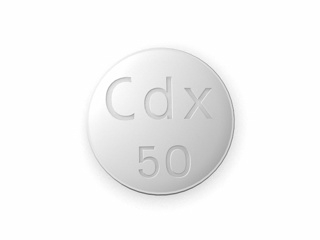
| Strengths | Common tablet strengths include 50 mg and others depending on product |
| Typical storage | Store below 30°C, protect from moisture and heat (follow label) |
2) How bicalutamide works (mechanism of action)
Bicalutamide works by blocking the effect of androgens (male sex hormones such as testosterone and dihydrotestosterone) at the level of the cancer cell. Many prostate cancers depend on androgen signalling to grow and spread.
- Androgen receptor blockade: Bicalutamide attaches to the androgen receptor, preventing androgens from activating it.
- Anti-androgen effect: This slows cancer progression in hormone-sensitive prostate disease.
- Often used with other hormone treatments: In some treatment plans, it’s combined with therapies that reduce androgen production (for example, medicines that lower testosterone).
The result is a reduction in androgen-driven tumour activity, which can help shrink cancer or slow its growth. In many cases, benefits develop over weeks as hormone signalling declines.
3) Pharmacokinetics (how the body handles bicalutamide)
Understanding pharmacokinetics can help explain timing, consistency, and why certain interactions matter.
- Absorption: Bicalutamide is absorbed after oral dosing.
- Protein binding: It is highly bound to plasma proteins, which influences distribution.
- Metabolism: Primarily metabolised by the liver (notably involving CYP450 enzymes).
- Half-life: It has a relatively long half-life, meaning steady effects can persist even if a dose is slightly late—however, consistent dosing is still important.
- Excretion: Metabolites are eliminated mainly via the urine and faeces.
Because bicalutamide is metabolised in the liver and has a long lasting presence in the body, liver health and medicine interactions are key considerations.
4) Typical uses in clinical practice (indications)
Bicalutamide is used in the management of prostate cancer and may be prescribed in different settings depending on stage and treatment goals.
- Localized (early) prostate cancer — in some cases as part of a hormone strategy when appropriate.
- Locally advanced prostate cancer — often used in combination with other therapies.
- Advanced or metastatic prostate cancer — typically in combination with other hormone-suppressing treatments.
- Combination therapy — bicalutamide is commonly used alongside treatments that lower testosterone levels.
The exact approach (timing and combination) depends on clinical factors such as cancer stage, risk level, and prior treatments. Your healthcare professional will guide which regimen is suitable for you.
5) How and when to take bicalutamide (timing and dosing principles)
Typical dosing
Doses can vary by the treatment plan and product strength. Common regimens include:
- Bicalutamide 50 mg once daily (commonly used in combination regimens)
- Bicalutamide 150 mg once daily (a higher-dose regimen used in specific settings depending on local practice and product)
Follow your exact label instructions. If you are unsure about your dose (mg strength and frequency), confirm with your pharmacist.
When to take it
- Same time each day: Consistency helps maintain steady drug levels.
- With or without food: Food does not usually require special timing for bicalutamide.
- Swallow whole: Do not crush or split unless your product instructions say it can.
- If you miss a dose: Take it when you remember on the same day. If it’s close to the next dose, skip the missed dose and resume your schedule. Do not double up.
6) Food interactions
In general, bicalutamide can be taken with or without food. Most patients do not need to adjust meals around dosing.
However, if you notice that food affects your comfort (for example, nausea or reflux), taking the tablet with a light meal may help. Always prioritise your personal tolerability and your clinician’s advice.
If you have dietary restrictions (for example, due to liver disease or other medical conditions), discuss them with your healthcare professional.
7) Alcohol and medicine interactions
Alcohol
There is no universal “no alcohol” rule for bicalutamide, but caution is sensible. Alcohol may increase strain on the liver and can worsen dizziness or fatigue.
- Moderate intake: Many people can safely use small amounts, but keep it limited.
- Avoid heavy drinking: Especially if you have liver concerns.
- Report symptoms: If you notice yellowing of the skin/eyes, dark urine, severe tiredness, or nausea, seek medical advice promptly.
Medicine interactions (important)
Interactions depend on your full medication list, including over-the-counter medicines and supplements. Bicalutamide is metabolised in the liver and can also affect other drugs.
- Warfarin and other anticoagulants: There can be increased bleeding risk if clotting status changes. If you take blood thinners, your doctor may schedule extra INR checks.
- CYP450-interacting medicines: Some medicines may alter bicalutamide metabolism, changing levels in the body. Tell your pharmacist if you use antidepressants, antifungals, certain antibiotics, or anti-seizure medicines.
- Drugs affecting liver enzymes: Supplements or prescription medicines that affect liver metabolism may be relevant.
- Other hormone therapies: If combined with androgen-deprivation treatments, the main “interaction” may be increased side effects (such as hot flushes and sexual effects).
Tip: Keep a current list of all medicines and supplements. Share it with your pharmacist each time you start or stop something.
8) Safety profile (what to watch for)
Most people tolerate bicalutamide reasonably well, but it may cause side effects due to reduced androgen signalling and because it is processed by the liver.
Common side effects
- Hot flushes
- Reduced libido and erectile dysfunction
- Breast tenderness or enlargement (gynaecomastia)
- Fatigue
- Nausea or mild gastrointestinal upset
- Increased risk of anaemia (in some patients—your clinician may monitor blood counts)
- Weight changes and changes in body composition
Less common but important: liver effects
Bicalutamide can affect liver function. Although serious liver injury is not common, it is important to monitor for warning signs.
- Seek urgent medical advice if you develop:
- Yellowing of the skin or eyes (jaundice)
- Dark urine
- Severe or persistent nausea/vomiting
- Upper right abdominal pain
- Unusual severe fatigue or weakness
- Your clinician may arrange liver blood tests before and during treatment depending on your risk factors.
Other potential safety concerns
- Blood thinning risk if on warfarin: Monitor if you use anticoagulants.
- Depression or mood changes: Some patients experience low mood or changes in wellbeing; discuss promptly.
- Effects on metabolism: Hormone changes can influence blood sugar and cholesterol in some people.
- Breathing or fluid issues: If you develop shortness of breath, swelling, or rapid weight gain, seek medical advice.
Practical advice: Tell your healthcare professional about any side effects—many can be managed with supportive care or by adjusting your regimen where appropriate.
9) Practical use tips for everyday life
- Use reminders: Set a daily phone alarm or use a pill organiser to reduce missed doses.
- Manage hot flushes: Dress in layers, keep your room cool, and consider avoiding known triggers (spicy food, alcohol, heat). Some people benefit from lifestyle cooling strategies and discuss medication options with their clinician.
- Skin and comfort: Fatigue and dryness can occur with hormone therapies; maintain hydration and gentle skin care.
- Sexual health and relationships: Libido and erections may change. Open communication and early discussion with your clinician can help with coping strategies and supportive treatments where appropriate.
- Breast tenderness: Use supportive clothing; report worsening pain or lumps to your clinician.
- Keep monitoring appointments: Regular check-ups and lab tests (including liver tests, as advised) are important for safe use.
- Don’t stop suddenly: If you feel unwell or experience side effects, contact your clinician rather than stopping on your own.
10) What to do in special situations
Pregnancy and breastfeeding
Bicalutamide is generally used in men with prostate cancer. If your situation involves care of a partner who is pregnant or breastfeeding, discuss any concerns with your healthcare professional. The medicine’s handling and contraception guidance should follow clinical advice.
Liver impairment
People with liver disease may require closer monitoring or dose adjustments. If you have a history of hepatitis, cirrhosis, or abnormal liver tests, tell your clinician before starting.
Kidney impairment
Dosing and monitoring may still be guided by your doctor based on overall health and other medicines. Inform your healthcare professional if you have significant kidney problems.
11) Alternative treatment options
Treatment for prostate cancer depends on stage and individual factors. If bicalutamide isn’t suitable, options may include:
- Other anti-androgens: e.g., medicines that also block androgen receptors (choice depends on cancer status and clinical goals).
- Androgen deprivation therapy (ADT): therapies that lower testosterone levels (may be injectable or oral depending on product).
- Watchful waiting / active surveillance: for selected early cases under specialist guidance.
- Radiation therapy and/or surgery for certain localized stages.
- Chemotherapy or other systemic anticancer treatments for more advanced disease.
Your oncology team can explain which alternatives are most appropriate and how benefits and side effects compare.
12) Delivery and availability in Australia
Bicalutamide is available in Australia through pharmacies that supply prescription medicines in line with Australian medicine regulations. Online pharmacy availability can vary by brand/supplier and pack size.
- Stock availability: Some strengths or pack sizes may be held in more limited quantities.
- Delivery times: Timelines depend on whether the item is in local stock and the delivery region.
- Packaging: Medicines are typically supplied in manufacturer-approved packaging with patient information included.
If you need help confirming the correct strength and pack size, contact the pharmacy before ordering.
13) Market and legal context in Australia (overview)
In Australia, bicalutamide is regulated under the national medicines framework. Online supply of prescription medicines must comply with relevant pharmacy and medicines legislation, including identity checks and safe dispensing processes.
As requirements can change, the pharmacy supplying your medicine will follow the current legal and regulatory rules for verified supply and counselling.
14) Recent guidance and monitoring (what clinicians commonly check)
Treatment guidance for prostate cancer may be updated as new evidence becomes available. In practice, clinicians often focus on:
- Baseline assessment: review liver history, current medicines, and overall health.
- Liver function monitoring: periodic liver blood tests as advised, particularly for patients with risk factors.
- Blood count and metabolic monitoring: depending on your overall regimen and symptoms.
- Symptom monitoring: hot flushes, mood, sexual function, fatigue, and any signs of liver problems.
- Adherence: ensuring the daily regimen is followed reliably.
Your clinician will tailor monitoring frequency to your cancer stage, treatment plan, and risk factors.
15) FAQ
How long does bicalutamide take to work?
Many people notice benefits over weeks, and tumour responses are assessed over time with specialist review and imaging/labs where relevant. The exact timeline varies by cancer stage and combined therapies.
Can I take bicalutamide with food?
Yes. Bicalutamide is generally taken with or without food. Choose the time that helps you remember, and take it consistently each day.
What if I miss a dose?
If you remember on the same day, take the missed dose when you can. If it’s near your next dose, skip the missed dose and resume your regular schedule. Do not double dose.
Does bicalutamide interact with alcohol?
Alcohol should be used cautiously because of possible added strain on the liver and potential worsening of fatigue or dizziness. Avoid heavy drinking, and seek advice if you drink regularly or have liver concerns.
Is there a risk to my liver?
Bicalutamide can affect liver function. Report symptoms such as jaundice, dark urine, persistent nausea, severe tiredness, or abdominal pain promptly. Your clinician may arrange liver tests.
Can I drive or operate machinery?
Some people experience fatigue or reduced alertness. If you feel tired, dizzy, or unwell, avoid driving or operating machinery until you know how bicalutamide affects you.
What side effects are most common?
Common side effects include hot flushes, reduced libido/erectile dysfunction, breast tenderness/enlargement, and fatigue. Many effects are manageable with supportive care and discussion with your healthcare team.
Can I take other medicines with bicalutamide?
Many medicines can be taken safely, but interactions may occur—especially with blood thinners like warfarin and medicines that affect liver enzymes. Tell your pharmacist about everything you take, including supplements.
Are there alternative options if I can’t tolerate bicalutamide?
Yes. Depending on your cancer stage and treatment plan, your clinician may consider other anti-androgens, androgen deprivation therapy, radiation, surgery, or systemic treatments.
How should I store bicalutamide?
Store tablets as directed on the label, typically below 30°C, in original packaging. Keep out of reach of children and away from moisture.
Summary
Bicalutamide is a non-steroidal anti-androgen used for prostate cancer treatment strategies in Australia. It blocks androgen receptors and helps reduce androgen-driven tumour growth. While many patients tolerate it well, watch for common side effects such as hot flushes and sexual changes, and pay special attention to potential liver-related symptoms. Consistent daily dosing, careful attention to interactions (including medicines and alcohol), and regular follow-up with your healthcare team are key to safe use.