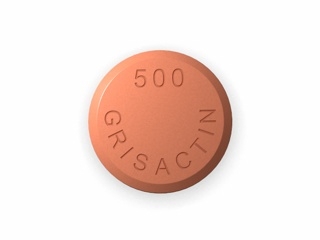

Grisactin (Griseofulvin) — Patient Information
Grisactin contains griseofulvin, an antifungal medicine used to treat certain fungal infections of the skin, scalp, and nails. This page provides general information to help you understand how it works, how it is typically taken, important safety considerations, and practical tips for successful treatment.
Important: Information below is general and may not match every individual’s situation. If you have questions about your specific regimen, speak with a qualified healthcare professional.
Basic product information
- Medicine name: Grisactin
- Active ingredient: Griseofulvin
- Common forms: Tablets (form and strength may vary by brand/product packaging)
- Therapeutic group: Antifungal (fungistatic)
- Uses: Fungal infections affecting keratin-containing tissues (skin, hair/scalp, nails)
How Grisactin works (mechanism of action)
Griseofulvin works by interfering with the way fungi grow and divide. It targets fungal cells by binding to fungal microtubules (part of the fungal cell’s internal structure), preventing normal fungal replication.
It is often described as fungistatic, meaning it stops fungal growth rather than directly killing fungi instantly. Over time, healthy tissue replaces infected tissue as treatment continues—particularly important for nail and scalp infections, where the infected material grows out slowly.
Pharmacokinetics (how your body processes it)
Pharmacokinetics describes how the body absorbs, distributes, metabolises, and eliminates a medicine.
- Absorption: Griseofulvin absorption can be increased by food, particularly fatty meals. Taking it with food may help you reach more consistent blood levels.
- Distribution: It tends to concentrate in keratin-forming tissues, including skin, hair, and nails. This is one reason it can be effective for infections involving these tissues.
- Metabolism: It is metabolised mainly by the liver.
- Elimination: Metabolites are excreted via the kidneys and possibly via other pathways. The total time needed to clear infection depends on the site affected and how fast new tissue forms.
Why this matters: Treatment often lasts weeks to months because infected nails and hair must grow out and be replaced by new, unaffected keratin.
Typical use and common indications
Grisactin is commonly used for dermatophyte fungal infections—i.e., “ringworm” infections that can involve:
- Skin (e.g., tinea corporis, tinea pedis—athlete’s foot, tinea cruris—jock itch)
- Scalp/hair infections (e.g., tinea capitis)
- Nails (e.g., onychomycosis/dermatophyte nail infection)
It may be chosen when:
- The infection is widespread or deep
- Topical treatments alone are unlikely to be sufficient (especially for scalp and nails)
- There is confirmed or strongly suspected dermatophyte infection
Note: Not all fungal infections respond to griseofulvin. It is most effective for dermatophytes. Some other fungal types may require different treatments.
How long to take it (timing and duration)
The duration depends on the infection site and severity:
- Skin infections: often improve within a couple of weeks, but treatment may continue for additional time to ensure eradication.
- Scalp infections: treatment is typically longer than skin infections.
- Nail infections: usually require extended therapy (often several months) because nails grow slowly.
Practical timing tips:
- Start taking it as directed and keep a consistent schedule.
- Even if symptoms improve, continue for the full recommended course—stopping early can lead to relapse.
- For nails, you may not see clear improvement until healthy nail grows in.
Dosing: what to expect
Dosing varies by:
- The condition being treated (skin, scalp, nail)
- Body weight (particularly for children)
- Age and overall health
- Formulation and local product guidance
General guidance (non-personalised): Your clinician will determine your dose and duration. Do not change the dose or stop early without advice.
If you are unsure of your dose schedule, check the label and confirm with a pharmacist. For medication safety, always use the strength and number of tablets/capsules specified for your regimen.
Taking Grisactin: food and absorption
Griseofulvin absorption can be affected by food. In many cases, it is recommended to take it with meals to improve absorption and consistency.
- Best approach: Take each dose with food (e.g., a meal or substantial snack), unless your prescriber or pharmacist advises otherwise.
- Consistency: Try to take doses at similar times each day.
If you miss a dose: Take it when you remember unless it is close to the next dose. Do not double up.
Alcohol and medicine interactions
Alcohol
While moderate alcohol may not directly react with griseofulvin for everyone, caution is advised because griseofulvin is metabolised in the liver. Drinking alcohol increases strain on the liver for some people, which can increase the risk of liver-related side effects.
- General recommendation: Limit or avoid alcohol during treatment, especially if you have liver disease, abnormal liver tests in the past, or symptoms like unusual tiredness, jaundice, or dark urine.
- If you drink alcohol, discuss safe limits with a pharmacist or doctor.
Interactions with other medicines
Griseofulvin can interact with some medicines by affecting how the body processes certain drugs. It may alter the effectiveness and/or safety of other treatments.
Always tell a pharmacist or clinician about all medicines and supplements you use, including:
- Warfarin (anticoagulant)
- Oral contraceptives (birth control pills)
- Some antiepileptic medicines
- Certain antibiotics or antifungal medicines
- Medicines affecting liver enzymes (examples depend on your regimen)
- Herbal products (e.g., St John’s wort) and other over-the-counter products
Why this matters: If an interaction is possible, your clinician may need to adjust doses, monitor results (such as blood tests), or choose an alternative medicine.
Women of childbearing potential: Because of potential interactions affecting hormonal contraceptives, effective contraception advice should be obtained from a healthcare professional before starting therapy.
Safety profile and important precautions
Like all medicines, Grisactin can cause side effects. Many people tolerate it well, but some adverse effects require prompt attention.
Common side effects
- Gastrointestinal symptoms: nausea, stomach upset, diarrhoea
- Headache
- Skin reactions: rash or itching (less commonly)
- Fatigue or general unwell feeling
Less common but important risks
- Liver effects: griseofulvin can affect liver function. Some people may develop symptoms such as yellowing of the skin/eyes (jaundice), dark urine, pale stools, severe fatigue, or persistent upper abdominal discomfort.
- Blood changes: rarely, it may affect blood cell counts.
- Serious skin reactions: rare, but seek urgent care if you develop blistering rash, facial swelling, or widespread skin peeling.
Who should use caution or seek advice first
Before starting, discuss with a healthcare professional if you have:
- Liver disease or a history of abnormal liver tests
- Any history of blood disorders
- Known allergy to griseofulvin or related ingredients
- Are taking medicines that may interact (e.g., anticoagulants, hormonal contraceptives, certain anticonvulsants)
- Pregnancy or breastfeeding: discuss risks and benefits before use
Practical use tips for best results
Successful fungal treatment often depends not only on the medicine, but also on reducing reinfection and caring for the affected area.
Skin infections
- Keep the affected skin clean and dry.
- Avoid tight, non-breathable clothing and consider breathable fabrics.
- Wash towels, clothing, and bedding regularly.
- Do not share personal items such as towels, combs, or socks.
Scalp infections
- Follow scalp care instructions provided by your clinician.
- Wash and disinfect brushes/comb hygiene as advised.
- Continue full treatment course even if the scalp looks better early.
Nail infections
- Expect slow improvement. Nail regrowth takes time.
- Keep nails trimmed and avoid trauma.
- Consider antifungal nail care and hygiene measures if recommended.
- Wearing breathable footwear and changing socks regularly can help reduce recurrence.
Adherence and monitoring
- Set reminders so doses are not missed.
- If your clinician recommends blood tests (e.g., liver function), attend for monitoring.
- Report any symptoms suggestive of liver problems promptly.
Alternative options (what else may be used)
Depending on the fungus type, site of infection, and your medical history, other treatments may be considered:
- Topical antifungals (for limited skin involvement): creams, gels, lotions, sprays
- Other oral antifungals (for scalp or nail infections, or widespread cases): choices depend on local prescribing practices and individual factors
- Antifungal shampoos and adjunctive scalp treatments for scalp involvement (often used with oral therapy in some situations)
Your pharmacist or clinician can help decide which option is most appropriate based on the suspected or confirmed diagnosis. In many cases, confirming the fungal type improves treatment success.
Market and legal context in Australia
In Australia, availability and prescribing arrangements for medicines are governed by the Australian Therapeutic Goods Administration (TGA) and state/territory health frameworks. The way medicines are accessed can vary depending on formulation, strength, and regulatory status.
Grisactin (griseofulvin) is a well-established antifungal medicine used for dermatophyte infections. Supply may be subject to commercial availability and distribution within Australia. If a specific strength is temporarily unavailable, a pharmacy may discuss an alternative product or treatment approach with you.
Quality and safety: Medicines sold in Australia are required to meet applicable standards for quality, safety, and efficacy. Always ensure you purchase from reputable Australian suppliers.
Recent guidance and clinical considerations
Clinical practice around antifungal therapy can evolve based on emerging evidence, resistance patterns, and safety monitoring. Key ongoing themes generally include:
- Confirming diagnosis when possible (e.g., distinguishing dermatophytes from other causes of rashes or nail discolouration)
- Completing the full course to reduce recurrence
- Monitoring for adverse effects for longer courses, particularly possible liver-related effects
- Choosing the most appropriate therapy based on location (skin vs scalp vs nails) and severity
If you have had poor response in the past, recurrent infections, or complicated nail disease, your healthcare team may consider further assessment or alternative treatments.
Delivery and availability (Australia)
Online pharmacy orders may be delivered to eligible areas across Australia subject to local delivery rules and stock availability.
- Stock availability: While Grisactin is generally an established medicine, specific pack sizes or strengths may occasionally be temporarily unavailable.
- Delivery timeframes: Depend on your location and the pharmacy’s dispatch schedule.
- Packaging: Medicines are typically dispatched in manufacturer-approved packaging with clear labelling.
If the exact product strength/pack size you ordered is unavailable, the pharmacy may contact you with options in line with their policies and regulatory requirements.
Safety FAQ
1) When should I start noticing improvement?
Skin infections may start improving within a couple of weeks, but fungal clearance can take longer. Scalp and nail infections usually take longer—especially nails, where visible improvement occurs only after healthy nail regrowth begins.
2) Can I stop early if I feel better?
It’s important to complete the recommended course. Symptoms can improve before the fungus is fully cleared, and stopping early may lead to relapse.
3) What if my rash gets worse at first?
Some infections can look worse before clearly improving. However, worsening symptoms, spreading infection, or severe inflammation should be discussed promptly with a healthcare professional.
4) Will it interact with my birth control pills?
Griseofulvin may interact with certain hormonal medicines and could reduce effectiveness in some cases. Seek advice from a pharmacist or clinician about reliable contraception during treatment.
5) Are there any foods I should avoid?
There are no universally required “avoid” foods. However, taking griseofulvin with food may improve absorption. If you have specific dietary restrictions, discuss them with a clinician.
6) Is it safe to drink alcohol while taking Grisactin?
Because griseofulvin is metabolised in the liver, it’s wise to limit alcohol and discuss your situation—especially if you have any liver issues. Stop and seek medical advice if you develop liver-related symptoms.
7) What should I do if I miss a dose?
Take it when you remember unless it’s close to the next dose. Do not double dose.
8) When should I seek urgent medical help?
Seek urgent care if you develop signs of serious allergic reaction (swelling of face/lips, breathing difficulty), severe blistering rash, or symptoms suggestive of liver problems (yellow eyes/skin, dark urine, persistent severe fatigue or abdominal pain).
Summary table: key points at a glance
| Topic | What to know |
|---|---|
| Medicine | Grisactin (griseofulvin) |
| Used for | Dermatophyte fungal infections of skin, scalp, and nails |
| How it works | Stops fungal growth by interfering with fungal cell division |
| Timing | Skin may improve in weeks; nails/scalp often require longer therapy |
| Take with food? | Often recommended to improve absorption; take consistently with meals |
| Alcohol | Caution due to liver metabolism—limit/avoid and discuss if unsure |
| Interactions | Possible interactions with anticoagulants, hormonal contraception, and other medicines |
| Safety | Watch for liver-related symptoms and serious rash; report promptly |
Disclaimer
This information is provided for general education and does not replace personalised advice from a healthcare professional. If you have questions about whether Grisactin is suitable for you, how to take it, or how it may interact with your existing medicines, please consult a pharmacist or clinician.