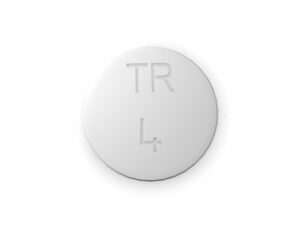


Diflucan (Fluconazole) – Patient-Friendly Guide (Australia)
Diflucan is a brand of fluconazole, an antifungal medicine used to treat a range of fungal infections. This guide explains how Diflucan works, what it’s commonly used for, typical dosing approaches, how to take it safely, and important interaction and safety considerations for people in Australia.
If you have any questions about your specific condition or a medicine you’re taking, speak with a qualified healthcare professional.
Quick Product Information
| Category | Details |
|---|---|
| Medicinal product | Diflucan (fluconazole) |
| Medicine type | Azole antifungal |
| Common forms | Oral tablets/capsules and oral suspension (depending on brand/presentation) |
| How it works | Stops fungal growth by blocking key steps in fungal cell membrane formation |
| Typical onset | Symptoms may improve within days; full resolution depends on infection type |
| Who it suits | Used for many yeast (Candida) and some other fungal infections |
| Important notes | Not all rashes are fungal; some symptoms need urgent assessment |
How Diflucan Works (Mechanism of Action)
Fluconazole is an azole antifungal. It works by interfering with the production of ergosterol, a crucial component of fungal cell membranes.
Specifically, fluconazole inhibits an enzyme called lanosterol 14-α-demethylase (often referred to as CYP-dependent pathways), which helps fungi maintain their cell membrane integrity. Without proper ergosterol, fungal cells become unstable and stop growing. Over time, the infection can clear as your immune system helps remove the remaining organisms.
Pharmacokinetics (How the Body Handles Fluconazole)
Understanding pharmacokinetics can help explain why fluconazole is often taken once daily and why dosing may differ for different infections.
- Absorption: Fluconazole is well absorbed after oral dosing.
- Distribution: It spreads into body fluids and tissues, including areas where yeast infections can occur.
- Half-life: Fluconazole has a relatively long half-life, which supports convenient dosing schedules (often once daily, and sometimes a single dose depending on the condition).
- Metabolism & elimination: It is mainly processed by the liver and cleared via the kidneys. Dose adjustments may be needed in kidney impairment.
Typical Uses of Diflucan
Diflucan is used to treat a variety of fungal infections, particularly those caused by Candida species and some other fungi, depending on the exact diagnosis and local guidelines.
Common indications include:
- Vaginal thrush (vulvovaginal candidiasis): itching, irritation, redness, and discharge due to yeast infection.
- Oral thrush (oropharyngeal candidiasis): white patches or soreness in the mouth and throat.
- Oesophageal candidiasis: pain or difficulty swallowing in certain situations.
- Skin and nail fungal infections: specific fungal types may be treated, though other antifungals may be preferred for some presentations.
- Systemic or deeper infections: certain serious fungal infections may require longer courses under specialist guidance.
Important: Symptoms such as itching and discharge can sometimes occur with non-fungal causes (e.g., bacterial vaginosis, dermatitis, sexually transmitted infections). Getting an accurate diagnosis helps ensure the right treatment.
When to Take Diflucan (Timing & Course Length)
Timing depends on the infection type and severity. Many regimens are designed to be simple, but following the exact plan provided to you is important.
- Often once daily: due to fluconazole’s long half-life.
- Single-dose regimens: may be used for certain uncomplicated yeast infections (commonly vaginal thrush), depending on clinical advice.
- Longer courses: may be needed for thrush in the mouth/throat, recurrent infections, or more extensive fungal disease.
Practical tip: Try to take your dose at the same time each day to maintain consistent drug levels and make it easier to remember.
Food Interactions (Can You Take Diflucan With Meals?)
Fluconazole can generally be taken with or without food. Food does not usually significantly change absorption, so you can choose the option that best fits your routine.
- If taking tablets makes you feel nauseous, try taking them with a light meal or after food.
- If you’re using the oral suspension, follow the instructions for shaking and measuring carefully.
Alcohol and Medicine Interactions
Alcohol
Moderate alcohol use may not always be strictly prohibited for everyone taking fluconazole, but alcohol can affect the liver and may worsen side effects such as nausea, dizziness, and fatigue. Because fluconazole is metabolised in the body and can rarely affect liver function, it’s wise to use alcohol cautiously.
- Best approach: avoid or limit alcohol while you’re taking Diflucan, especially if you’ve had liver problems.
- Seek advice: if you plan heavy or regular alcohol intake, or if you develop signs of liver trouble (see “Safety Profile”).
Interactions With Other Medicines
Fluconazole can interact with other medicines because it may affect certain liver enzymes involved in drug metabolism. Some interactions can increase the level of other drugs in your blood, raising the risk of side effects.
Examples of medicines that may interact include:
- Warfarin and other anticoagulants: can increase bleeding risk (more frequent INR checks may be needed).
- Some medicines for heart rhythm: fluconazole may increase risk of rhythm changes in susceptible people.
- Oral diabetes medicines (e.g., certain sulfonylureas): may increase the risk of low blood sugar in some cases.
- Some immunosuppressants (e.g., tacrolimus, ciclosporin): may increase drug levels.
- Other medications metabolised by liver pathways (varies by drug).
What to do: before starting Diflucan, tell your healthcare professional or pharmacist about:
- all prescription medicines
- over-the-counter products and vitamins
- herbal remedies (including St John’s wort, if relevant)
- any recent antibiotics or antifungals
Dosing – General Principles (What Your Dose May Depend On)
Dosing for Diflucan varies based on the type of infection, its severity, your kidney function, and how you respond. Because dosing is individual, this section explains general patterns rather than a one-size-fits-all dose.
Typical dosing patterns (examples):
- Uncomplicated vaginal thrush: sometimes treated with a single oral dose, depending on clinical assessment.
- Oral thrush: usually requires a multi-day course.
- More extensive or deeper infections: often involve longer daily dosing and closer monitoring.
Key dosing considerations:
- Kidney function: lower clearance can require dose adjustment.
- Liver function: caution is needed if you have liver impairment or a history of abnormal liver tests.
- Recurrent infections: repeated episodes may need a longer treatment plan or evaluation for underlying triggers.
- Age: dosing may differ in children and older adults, depending on weight and clinical factors.
Missed dose: If you miss a dose, take it when you remember unless it’s close to the next dose. Do not take double doses. If you’re unsure, check with a pharmacist.
Safety Profile – What to Know Before Using Diflucan
Most people tolerate fluconazole well, but like all medicines it can cause side effects and may not be suitable for everyone. Always read the product information leaflet that comes with your medicine and follow professional advice.
Common Side Effects
- Nausea
- headache
- abdominal discomfort
- diarrhoea
- mild rash
Less Common but Important Risks
- Liver effects: Rarely, fluconazole may cause liver inflammation or abnormal liver blood tests. Seek medical advice promptly if you develop:
- yellowing of the skin/eyes (jaundice)
- dark urine
- severe fatigue
- persistent vomiting
- upper right abdominal pain
- Skin reactions: Severe allergic or blistering rashes are rare but require urgent medical attention.
- Heart rhythm changes: In susceptible individuals, azoles can affect heart rhythm. Seek advice if you have fainting, palpitations, or severe dizziness.
- Pregnancy considerations: The safest use depends on the dose and timing. Discuss pregnancy plans or current pregnancy with a healthcare professional.
Who should use extra caution
- People with liver disease or a history of abnormal liver tests
- People with kidney impairment
- Those taking medicines known to interact with fluconazole
- People with a history of heart rhythm problems
Practical Use Tips for Better Outcomes
- Confirm the condition: It’s worth getting the diagnosis right, especially for recurrent symptoms. Not all “thrush” is fungal.
- Complete the course: If you’ve been advised a multi-day or multi-week regimen, finish it even if symptoms improve.
- Avoid stopping early: stopping early may increase the chance of recurrence.
- Hygiene and comfort: gentle cleansing, avoiding scented products, and wearing breathable underwear can help reduce irritation.
- Manage triggers: consider factors such as uncontrolled diabetes, recent antibiotic use, tight non-breathable clothing, and prolonged moisture.
- Recurrent infection strategy: recurrent thrush may require longer therapy and assessment for underlying causes.
If symptoms worsen (e.g., fever, severe pain, spreading rash, bleeding, or inability to swallow), seek medical care promptly.
Alternative Options (Depending on the Infection Type)
The best treatment depends on the site of infection, severity, and the likely fungus. Alternatives may include other antifungal medicines, different formulations, or additional measures for the underlying cause.
Possible alternative approaches include:
- Topical antifungals (e.g., creams or vaginal preparations) for certain uncomplicated localised yeast infections.
- Other oral antifungals for specific fungal types or when fluconazole is not suitable.
- Supportive and trigger management (e.g., dry skin care, avoiding irritants, managing diabetes).
If you’ve previously used fluconazole and symptoms returned quickly, discuss with a pharmacist or clinician—there may be issues such as misdiagnosis, non-fungal causes, reinfection, or resistance patterns (less common, but possible).
Diflucan in the Australian Market: Availability and Legal/Regulatory Context
In Australia, medicines are regulated by the TGA (Therapeutic Goods Administration). Medicines can be supplied through different channels depending on the product and its schedule status.
When purchasing antifungal medicines online, ensure the product is:
- listed for supply in Australia
- from a reputable, licensed pharmacy or supplier
- supplied with correct packaging and patient information
Availability can also depend on the specific presentation (e.g., tablet versus suspension) and stock levels. Online pharmacies commonly offer delivery Australia-wide, but timing can vary by state and suburb.
Recent guidance (general):
- Australian healthcare guidance emphasises accurate diagnosis of suspected fungal infections.
- For recurrent thrush, guidance often recommends considering underlying triggers and tailored treatment duration.
- Ongoing emphasis remains on safe medicine use and reviewing potential drug interactions.
Delivery and Availability (What to Expect)
Online pharmacy suppliers in Australia typically provide:
- Secure ordering and product verification
- Estimated delivery times at checkout
- Tracking updates depending on courier service
Delivery times may be influenced by:
- remote locations
- public holidays
- stock availability for the exact pack size or formulation
Storage: store Diflucan according to the label instructions (commonly at room temperature, away from moisture and heat). Keep it out of reach of children.
FAQ – Diflucan (Fluconazole)
1) Is Diflucan used only for vaginal thrush?
No. Diflucan is used for a variety of fungal infections, including oral thrush and other Candida-related infections. The exact choice of medicine and duration depends on the infection site and severity.
2) How quickly should I feel better?
Some people notice symptom improvement within a few days. However, complete resolution may take longer depending on the infection type, where it is located, and whether the course is long enough.
3) Can I take Diflucan with food?
Yes. Fluconazole is generally taken with or without food. If it upsets your stomach, try taking it after food.
4) Can I drink alcohol while taking Diflucan?
It’s best to limit alcohol. Because fluconazole can rarely affect the liver, heavy or frequent alcohol intake should be avoided while you’re taking it, particularly if you have liver risk factors. If you’re unsure, ask a pharmacist.
5) What if I’m taking other medications?
Fluconazole can interact with several medicines, including anticoagulants like warfarin and some heart rhythm medicines. Tell your pharmacist or healthcare professional about all medicines and supplements you take.
6) What should I do if symptoms return?
If symptoms return soon after finishing treatment, it may be due to misdiagnosis, incomplete course, reinfection, an underlying condition, or less commonly reduced responsiveness. Seek advice rather than repeating treatment repeatedly without assessment.
7) Are there any warning signs that need urgent medical attention?
Seek urgent help if you develop severe allergy symptoms (swelling of face/lips, difficulty breathing), widespread blistering rash, or signs of liver problems such as yellow skin/eyes or dark urine. Also seek care for severe pain, fever, or inability to swallow.
8) Can Diflucan be used in pregnancy or breastfeeding?
Medicine safety depends on the dose and your individual situation. Discuss pregnancy or breastfeeding with a healthcare professional to decide the safest option.
9) Will Diflucan treat all types of “itchy” or “rash” conditions?
No. Many causes of itch and rash are not fungal. Using antifungals when the cause is different may delay appropriate treatment. If symptoms don’t improve or are unusual, seek assessment.
10) What are the common side effects?
Common side effects include nausea, headache, and stomach discomfort. If side effects are severe or persistent, contact your healthcare professional.
Summary
Diflucan (fluconazole) is an antifungal medicine used to treat infections caused by yeast and certain fungi. It works by disrupting fungal cell membrane formation, and it’s often taken once daily due to its favourable half-life. While it is generally well tolerated, it can interact with other medicines and requires caution in people with liver or kidney issues.
If you’re considering Diflucan for symptoms, ensure the diagnosis fits fungal infection and follow a suitable treatment plan. For personalised advice about dosing, interactions, or whether an alternative is more appropriate, contact a pharmacist or healthcare professional.