

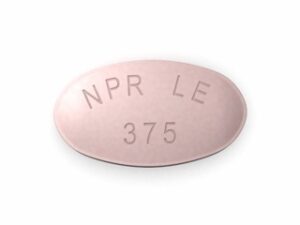
Motrin (Ibuprofen) — Patient-Friendly Medicine Guide (Australia)
Motrin is a brand of ibuprofen, a widely used non-steroidal anti-inflammatory drug (NSAID). It helps relieve pain, reduce inflammation, and lower fever. In Australia, ibuprofen is commonly available both over the counter and in pharmacy supply formats, depending on strength and pack size.
This guide explains how Motrin works, when and how to take it, key safety considerations, food and alcohol interactions, and what to do if symptoms don’t improve. It also includes information relevant to Australia, including market availability and general guidance commonly followed by health professionals.
Quick Facts
- Active ingredient: Ibuprofen
- Type: NSAID (non-steroidal anti-inflammatory drug)
- Common uses: pain relief, fever reduction, inflammation-related discomfort
- How it works: reduces prostaglandins that contribute to pain, fever, and inflammation
- Typical forms: tablets and other oral presentations (availability varies by brand and strength)
- Where to buy: often available through pharmacies and some retail health outlets in Australia
What Motrin (Ibuprofen) Is Used For
Motrin (ibuprofen) is used to treat a range of conditions where pain, inflammation, or fever are present.
Common indications
- Headaches (including tension-type and migraine-associated pain for some people)
- Dental pain
- Period pain (painful menstruation)
- Muscle aches and minor sports injuries
- Back pain and joint pain (short-term relief)
- Inflammatory aches such as sprains or strains
- Fever and aches associated with colds/flu-like illnesses
- Symptoms of arthritis (as directed; long-term management may involve clinician guidance)
Note: If you are using ibuprofen for a specific condition (for example, arthritis), the best dose and frequency can depend on age, severity, and other medicines you take.
How Motrin Works (Mechanism of Action)
Ibuprofen reduces the production of prostaglandins by inhibiting cyclo-oxygenase (COX) enzymes (COX-1 and COX-2). Prostaglandins are chemicals involved in:
- Inflammation: contributing to swelling and redness
- Pain signalling: sensitising nerves to pain
- Fever regulation: raising body temperature
By lowering prostaglandin levels, ibuprofen can provide pain relief, anti-inflammatory effects, and fever reduction.
Pharmacokinetics (How the Body Handles Ibuprofen)
Understanding pharmacokinetics can help you appreciate why timing matters.
- Absorption: Ibuprofen is absorbed from the gastrointestinal tract. Taking it with food may slow absorption, but can improve stomach comfort.
- Onset of action: Many people start to feel effects within 30–60 minutes (depending on formulation and whether it is taken with food).
- Peak concentration: Blood levels often peak about 1–2 hours after a dose.
- Distribution: Ibuprofen is widely distributed and is highly protein-bound.
- Metabolism: The liver metabolises ibuprofen into inactive or less active metabolites.
- Elimination: Metabolites are mainly removed by the kidneys via urine.
- Half-life: The elimination half-life is generally about ~2 hours, though individual factors can affect this.
Practical takeaway: Because ibuprofen clears relatively quickly, it is often taken in intervals throughout the day to maintain symptom relief (within the limits on the pack and advice from a pharmacist).
Typical Use and Timing
Motrin is commonly used for short-term relief of pain and fever. It can be taken when symptoms start and continued for the shortest time needed.
When to take it
- For pain: take at the first sign of discomfort
- For fever: take when temperature is high or fever is causing significant discomfort
- For cramps/inflammation: take as directed at the onset of symptoms
How often to take (general guidance)
Exact dosing depends on the product strength and age. Always follow the directions on the pack or advice from a pharmacist.
Typical adult pattern: ibuprofen is often taken in divided doses (for example, every 6–8 hours as needed), with a maximum daily limit depending on the specific product strength and formulation. For safety, do not exceed the maximum daily dose stated on the packaging.
Dosing — Important Safety Notes
Correct dosing is essential. Doses can vary significantly by age, strength, and health conditions.
Adults (general OTC-style guidance)
- Use the dose on the product label for your tablet strength.
- Do not exceed the maximum daily dose stated on the pack.
- Use the lowest effective dose for the shortest necessary time.
Children
If ibuprofen is being used in children, dosing must be based on age and weight and the specific child formulation. In Australia, many ibuprofen products for children are provided as liquids or chewable formulations with dosing syringes/cups.
- Always follow the child dose on the label or consult a pharmacist.
- Do not guess doses between different strengths or brands.
Always check your product: Motrin is a brand; other ibuprofen products may have different strengths (mg per tablet or per mL).
Food Interactions (Taking Motrin With Food)
Food can change how comfortable ibuprofen feels.
- Taking with food: often reduces stomach upset and can lower the risk of irritation.
- Taking on an empty stomach: may cause nausea, heartburn, or stomach pain more easily.
- Effect on absorption: food may delay absorption slightly, but it usually does not significantly reduce overall benefit.
Practical tip: If you get indigestion, take Motrin with a meal or milk (unless your clinician has advised otherwise).
Alcohol and Medicine Interactions
Alcohol
Combining ibuprofen with alcohol can increase the risk of stomach irritation and gastrointestinal bleeding, and may also affect kidney function in susceptible people.
- For safer use, limit or avoid alcohol while taking ibuprofen.
- If you drink regularly or heavily, seek pharmacist advice before use.
Common medicine interactions
Ibuprofen can interact with several medicines. Tell your pharmacist or healthcare professional about everything you take, including prescription medicines, OTC products, vitamins, and herbal products.
- Other NSAIDs (e.g., aspirin for pain, naproxen, diclofenac): increased risk of stomach bleeding and kidney issues. Do not combine multiple NSAIDs unless specifically directed.
- Blood thinners (e.g., warfarin): higher bleeding risk.
- Antiplatelet agents (e.g., clopidogrel): may increase bleeding risk.
- Selective serotonin reuptake inhibitors (SSRIs) (e.g., sertraline, fluoxetine): may increase risk of gastrointestinal bleeding.
- Corticosteroids (e.g., prednisone): increases risk of stomach irritation/ulcers.
- Diuretics (water tablets): may affect kidney function when combined, particularly if dehydrated.
- ACE inhibitors or ARBs (blood pressure medicines): combination can affect kidney function.
- Lithium: ibuprofen can raise lithium levels.
- Methotrexate: can increase methotrexate toxicity (timing and dose matter).
- Some diabetes medicines and other agents: interactions can affect glucose control in certain people.
OTC caution: Many cold/flu products include additional ingredients. Some may also contain NSAIDs. Avoid taking products that duplicate ibuprofen.
Safety Profile — Who Should Be Cautious
Most people can take ibuprofen safely when used correctly. However, ibuprofen can cause serious side effects in some cases, particularly at higher doses, with prolonged use, or in people with certain risk factors.
Seek urgent medical advice if you experience
- Signs of an allergic reaction: wheezing, swelling of the face/lips, hives, severe rash
- Stomach bleeding symptoms: vomiting blood, black/tarry stools, blood in stools
- Severe abdominal pain or persistent vomiting
- Breathing difficulties or severe chest tightness (especially if you have asthma)
- Unexplained weakness, reduced urination, or signs of kidney problems
- Fainting or severe dizziness
Common side effects
- Stomach discomfort, indigestion, nausea
- Heartburn
- Mild dizziness
- Headache (in some people)
Higher-risk groups (check before use)
Be extra cautious or speak to a pharmacist if you have any of the following:
- History of stomach ulcers or gastrointestinal bleeding
- Heart disease, stroke history, or significant cardiovascular risk
- Kidney disease or dehydration (e.g., vomiting/diarrhoea, not drinking enough)
- Uncontrolled high blood pressure
- Asthma or NSAID sensitivity (ibuprofen can trigger symptoms in some)
- Concomitant medicines that raise bleeding risk (blood thinners, steroids, SSRIs)
Pregnancy and breastfeeding (general guidance)
Ibuprofen use in pregnancy is time-dependent. As a general safety approach, avoid ibuprofen unless a clinician advises it, particularly later in pregnancy. For breastfeeding, ibuprofen is sometimes considered compatible by healthcare professionals, but individual circumstances vary—ask a pharmacist if you are unsure.
Always read the product label and seek advice if you are pregnant, planning pregnancy, or breastfeeding.
Practical Use Tips
- Use the label directions: dose and frequency are based on the product strength.
- Take with food if your stomach is sensitive.
- Stay hydrated: dehydration increases kidney risk, especially in hot weather or if you’re unwell.
- Don’t “stack” pain medicines: avoid taking multiple NSAIDs together.
- Review your symptoms: if pain or fever persists, consider speaking to a pharmacist or doctor.
- Keep a dosing schedule: especially if taking multiple doses in a day.
When to Stop and Get Advice
Consider stopping and seeking advice if:
- Your symptoms do not improve after 3 days for fever or after 4–5 days for pain (or earlier if worse).
- You develop new symptoms such as severe abdominal pain, rash, shortness of breath, or signs of bleeding.
- You need it repeatedly day after day for ongoing pain—this may require a different plan.
For children, advice thresholds should be lower—if a child is unwell or not improving, contact a pharmacist or healthcare professional promptly.
Alternative Options
Depending on your symptoms and personal risk factors, there are alternatives to ibuprofen.
Other pain and fever options
- Paracetamol (acetaminophen): often used for fever and pain, especially if NSAIDs are not suitable.
- Non-medicine approaches: rest, hydration, heat/cold packs, gentle stretching, and addressing triggers for headache or cramps.
When alternatives may be preferred
- If you have a history of stomach ulcers or are at higher GI bleeding risk, paracetamol may be safer for many people.
- If you have kidney disease, NSAIDs may require avoidance or clinician guidance.
- If you have NSAID-triggered asthma symptoms, avoid ibuprofen.
Important: Don’t combine multiple medicines that overlap. A pharmacist can help you choose the safest option for your situation.
Market and Legal Context for Australia
In Australia, ibuprofen products are generally regulated through the Therapeutic Goods Administration (TGA) framework. Availability depends on formulation and pack size, and products may be supplied either as pharmacy-only or other scheduling categories.
Online pharmacies typically require compliant product information, correct labelling, and appropriate age restrictions where relevant. Always ensure the product is supplied from an authorised Australian pharmacy or distributor and that the label matches the medicine you intend to use.
General consumer safety expectations in Australia:
- Clear directions for dose and frequency
- Warnings about maximum daily limits
- Information about interactions and when to seek help
- Age-appropriate formulations and dosing guidance for children
Recent Guidance and Updates (How to Stay Current)
Advice about NSAID use can evolve based on safety research and regulatory updates. Guidance often focuses on:
- Using the lowest effective dose for the shortest duration
- Avoiding NSAID duplication across multiple cold/flu or pain products
- Recognising that older adults and people with risk factors may have higher risk for stomach, kidney, or cardiovascular events
- Being cautious with certain combinations (blood thinners, steroids, SSRIs, and others)
Practical step: Always check the current product label and, if you have ongoing conditions or take other medicines, ask a pharmacist for the most up-to-date advice.
Delivery and Availability
Motrin (ibuprofen) is commonly stocked by pharmacies and may be available through authorised online pharmacy services in Australia. Availability can vary by:
- Strength (mg per tablet or per mL)
- Pack size
- Formulation type (e.g., tablets vs liquid for children)
- Local supply and demand
Delivery expectations: delivery times depend on the pharmacy’s shipping network and your location. Some providers offer standard and express options, and you may receive tracking information once dispatched.
Before ordering: confirm the active ingredient is ibuprofen and check the strength so you select the correct dosing instructions.
Medication Facts Table
| Category | What to know |
|---|---|
| Brand | Motrin (ibuprofen) |
| Medicinal ingredient | Ibuprofen (an NSAID) |
| Main benefits | Pain relief, anti-inflammatory action, fever reduction |
| Typical onset | Often within 30–60 minutes |
| Peak effect (general) | About 1–2 hours after a dose |
| How to take | Follow pack directions; take with food if stomach sensitive |
| Key food interaction | Food may reduce stomach upset; may slow absorption slightly |
| Alcohol guidance | Limit/avoid alcohol to reduce stomach and bleeding risk |
| Major interactions | Other NSAIDs, blood thinners, steroids, SSRIs, ACE inhibitors/ARBs, diuretics (seek advice) |
| Safety priorities | Use lowest effective dose; avoid exceeding maximum daily dose |
FAQ — Motrin (Ibuprofen)
1) Is Motrin the same as ibuprofen?
Yes. Motrin is a brand name that contains ibuprofen as the active ingredient. Different products may have different strengths, so always check the label.
2) How quickly does Motrin work?
Many people feel relief within 30–60 minutes. Taking it with food may delay the start slightly but can improve stomach comfort.
3) Can I take Motrin with food?
Yes. Taking Motrin with meals or milk is often recommended if you experience indigestion or stomach irritation.
4) Can I drink alcohol while taking Motrin?
For best safety, limit or avoid alcohol. Alcohol can increase the chance of stomach irritation and bleeding when combined with NSAIDs.
5) What should I avoid taking it with?
Avoid combining Motrin with other NSAIDs (including some aspirin products used for pain). Be cautious with blood thinners, corticosteroids, SSRIs, and some heart/blood pressure and kidney-related medicines—ask a pharmacist if you’re unsure.
6) Can I take Motrin for headaches or migraines?
Ibuprofen is commonly used for headache pain. Some people find it helpful for migraine-associated pain when taken early. If you experience frequent migraines, talk to a pharmacist or clinician about an appropriate long-term strategy.
7) How long can I take Motrin?
Use the lowest effective dose for the shortest time. If fever lasts more than 3 days or pain lasts more than 4–5 days (or gets worse), seek advice.
8) Who should not take ibuprofen?
People with a history of NSAID allergy, NSAID-induced asthma symptoms, stomach ulcers/bleeding, significant kidney disease, or those who are at high risk for complications should seek advice before use. If you are pregnant, especially later in pregnancy, consult a pharmacist or clinician.
9) What if I miss a dose?
If you miss a dose, take it when you remember unless it is close to the time for the next dose. Do not take extra doses to make up for a missed one. Continue with the schedule on the label.
10) Can Motrin be used in children?
It depends on age and the child-specific product formulation. Dosing in children is weight- and age-based. Use the child product and label directions, and consult a pharmacist if you’re uncertain.
11) Are there alternatives if Motrin isn’t suitable?
Paracetamol is often used as an alternative for fever and pain. Non-medicine approaches such as rest, hydration, and heat/cold packs may also help, depending on the cause of symptoms.
Disclaimer (General Information)
This page provides general information about Motrin (ibuprofen) and is not a substitute for professional health advice. If you have questions about whether ibuprofen is appropriate for you—particularly if you are taking other medicines, have a medical condition, are pregnant, or are caring for a child—speak with a pharmacist.