

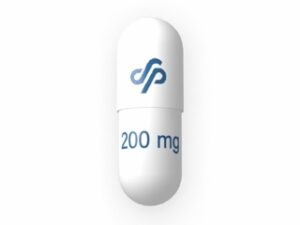
Oseltamivir (Oseltamivir Phosphate) — Patient Guide (Australia)
Oseltamivir is an antiviral medicine used to treat and, in some situations, prevent influenza (commonly known as “flu”). It works against influenza viruses and may reduce the duration and severity of symptoms when started promptly. This guide explains how it works, when it’s typically used, important safety information, and practical tips for taking it safely in Australia.
| Product name | Oseltamivir (oseltamivir phosphate) |
|---|---|
| What it treats | Influenza A and B (treatment and prevention in selected situations) |
| How it works | Inhibits viral neuraminidase (reduces viral spread in the body) |
| Typical dosing forms | Capsules and oral suspension (strengths vary by product) |
| Best timing | Start treatment as soon as possible, ideally within 48 hours of symptom onset |
| Common side effects | Nausea, vomiting, headache; usually mild and short-lived |
| Key precautions | Kidney function, allergy history, interactions with certain medicines |
Basic product information
Oseltamivir phosphate is a prodrug. After you take it by mouth, your body converts it to the active antiviral form, which targets influenza viruses. Oseltamivir is used during influenza seasons and outbreaks, especially when influenza is circulating in the community.
In Australia, oseltamivir is supplied through the usual pharmaceutical distribution channels. Availability, pack sizes, and strengths can vary between brands and products.
How oseltamivir works (mechanism of action)
Influenza viruses replicate inside the cells lining the respiratory tract. One step in viral release is controlled by an enzyme called neuraminidase.
Oseltamivir inhibits neuraminidase. By blocking this enzyme, oseltamivir helps prevent newly formed virus particles from spreading to nearby cells. The result is reduced viral multiplication, which can translate to:
- Shorter illness duration for many people when started early
- Reduced severity of symptoms in some cases
- Lower risk of complications in high-risk groups when used promptly
Pharmacokinetics (how the body handles the medicine)
Understanding pharmacokinetics can help explain why timing and dosing matter.
- Absorption: Oseltamivir is absorbed from the gastrointestinal tract after oral dosing.
- Activation (prodrug conversion): It is converted in the body to the active metabolite (commonly referred to as “oseltamivir carboxylate”).
- Distribution: The active metabolite circulates in the bloodstream and reaches relevant tissues.
- Elimination: The active metabolite is primarily eliminated by the kidneys.
- Kidney function matters: Reduced kidney function can increase medicine levels, so dose adjustment may be required for some patients.
Because oseltamivir targets viral processes, the medicine tends to work best when taken early—before the virus has replicated extensively.
Typical uses and indications
Oseltamivir is indicated for use in influenza. Depending on individual circumstances and current public health guidance, it may be used for:
1) Treatment of influenza
- For people with suspected or confirmed influenza, especially if they are at higher risk of complications.
- It is generally most beneficial when started within 48 hours of symptom onset.
2) Prevention (prophylaxis)
- After close contact with an infected person (for selected individuals).
- During outbreaks in certain settings (for example, where recommended).
- For people where influenza vaccination is not sufficient to provide protection, or where additional protection is temporarily needed.
Local Australian clinical practice and guidance determine who should receive prevention courses and for how long. Always follow the instructions provided for your specific situation.
When to take oseltamivir (timing matters)
For treatment, the general principle is: start as soon as possible. For best results, begin within 48 hours from the onset of symptoms.
- Within 12–24 hours: Often yields the most benefit.
- Between 24–48 hours: Still commonly helpful.
- After 48 hours: Benefit may be smaller for some people, but treatment can still be considered in higher-risk patients, severe illness, or special circumstances as advised by healthcare professionals.
For prevention, timing is based on exposure risk and the recommended course duration. Do not start or extend prevention courses without following appropriate guidance.
Dosing overview (adult and paediatric)
Dosing can vary depending on the indication (treatment vs prevention), age, weight (for children), and kidney function. Always use the dosing instructions provided with your product and/or by your healthcare professional.
Common dosing patterns (general information)
- Adults and adolescents: Typical treatment regimens are taken twice daily for several days (commonly 5 days for treatment).
- Children: Doses are weight-based for oral suspension and are taken for a similar treatment duration (often 5 days).
- Prevention: Taken once daily for the recommended prevention period after exposure or during an outbreak, as directed.
Kidney function adjustment
Because oseltamivir is eliminated via the kidneys, your dose may need adjustment if you have kidney impairment. Inform your pharmacist/doctor if you have any kidney disease or reduced kidney function.
Missed dose
- If you miss a dose, take it as soon as you remember.
- If it is close to the time of the next dose, skip the missed dose—do not double.
Stopping early
Completing the full course is generally important to optimise benefits. Do not stop early because you feel better, unless you have been advised to do so.
Food interactions and how to take with meals
Oseltamivir can be taken with or without food. However, food may help reduce gastrointestinal side effects such as nausea and vomiting.
- If you experience nausea: try taking it with food.
- With oral suspension: shake well as directed and measure accurately.
- Hydration: staying well hydrated can help if you are ill with influenza.
There are no widely required dietary restrictions solely due to oseltamivir for most patients. Still, follow any specific advice given by your pharmacist or prescriber.
Alcohol interactions
There is no specific, well-established direct “pharmacological” interaction between oseltamivir and alcohol that is common to all patients. However, influenza itself can cause dehydration, fatigue, and reduced coordination. Alcohol may worsen these effects.
- Best approach: avoid alcohol during acute illness if possible.
- If you choose to drink: do so sparingly and avoid binge drinking, and ensure you maintain fluids.
- Seek help urgently if you develop severe symptoms such as breathing difficulty, chest pain, confusion, or severe dehydration.
Interactions with other medicines
Oseltamivir is not extensively metabolised by the liver, which can reduce the risk of many “classic” drug–drug interactions. That said, some interactions are still possible, and your overall medicine list matters.
Tell your pharmacist if you take medicines such as:
- Kidney-affecting medicines (because kidney function influences oseltamivir levels)
- Probenecid (may affect oseltamivir levels)
- Medicines with significant renal clearance
- Any regular prescription or over-the-counter treatments, including supplements
Over-the-counter and herbal products
Even if products are available without a script, they can interact indirectly or complicate illness management. If you use herbal products or multiple supplements, mention them so you can receive consistent advice.
Safety profile and side effects
Like all medicines, oseltamivir can cause side effects. Many people experience none or only mild effects. Report severe or persistent reactions to a healthcare professional.
Common side effects
- Nausea
- Vomiting
- Headache
- General discomfort or fatigue
These side effects are more likely early in treatment and often improve when taken with food.
Serious but uncommon reactions
- Allergic reactions (e.g., swelling, rash, difficulty breathing)
- Severe skin reactions (rare)
- Neuropsychiatric events have been reported with influenza and antivirals in some settings. If you or a child experience unusual behaviour, confusion, or hallucinations, seek urgent medical advice.
When to seek urgent medical help
- Trouble breathing, severe chest pain, blue lips or face
- Severe dehydration (very little urine, dizziness, inability to keep fluids down)
- Seizures, extreme confusion, or sudden deterioration
- Signs of anaphylaxis such as facial swelling or breathing difficulty
Practical use tips for patients
Tip 1: Start early
If influenza is suspected and you’re within the first 48 hours of symptom onset, early treatment is generally key.
Tip 2: Manage nausea and vomiting
- Take with food.
- Small sips of water can help if you feel unwell.
- If vomiting prevents you from keeping doses down, contact a pharmacist for advice.
Tip 3: Use the correct formulation
- Capsules: swallow whole unless instructed otherwise.
- Oral suspension: shake the bottle and use an accurate measuring device.
Tip 4: Store properly
Follow storage instructions on the label (temperature limits, light protection, and whether refrigeration is required). Keep out of reach of children.
Tip 5: Continue infection control measures
Antivirals help with viral replication, but they do not replace hygiene and isolation measures. During illness:
- Cover coughs and sneezes
- Wash hands regularly
- Consider staying home while unwell to reduce spread
Alternative options for influenza
Choice of treatment depends on age, medical history, timing since symptom onset, severity of illness, and local guidance. Common alternative approaches include:
Supportive care (for many people)
- Fluids, rest, and monitoring
- Fever and pain relief (for example, paracetamol or ibuprofen where suitable)
- Managing cough and congestion using appropriate products
Other antivirals (where applicable)
- Zanamivir (inhaled antiviral in some regions)
- Baloxavir (where available and appropriate)
Not all alternatives are suitable for all patients, and availability can vary. Your pharmacist can help compare options based on your needs and the current influenza season.
Market and legal context in Australia
In Australia, medicines are regulated by the Therapeutic Goods Administration (TGA). The supply, labelling, and approved indications for oseltamivir are determined by national medicines regulation.
Antiviral medicines used for influenza are typically supplied under the relevant Australian medicines framework and product category. Product availability may vary by season and supply chain conditions.
During influenza outbreaks, Australian public health authorities may issue updated guidance on antiviral use, especially for people at higher risk of complications and for prevention in specific situations.
Recent guidance and practical considerations
Clinical recommendations for influenza antivirals can change with evolving evidence and the behaviour of circulating influenza strains. In Australia, current practice is influenced by:
- Whether influenza is circulating widely in the community
- Time since symptom onset
- Patient risk factors (e.g., pregnancy, chronic disease, age extremes, immunocompromise)
- Local hospital and primary care pathways
- Public health outbreak or contact management advice
If you’re unsure whether treatment is appropriate, seek medical advice promptly—especially if symptoms are severe or you are in a high-risk group.
Delivery and availability (online pharmacy)
Many online pharmacies in Australia provide delivery services for eligible medicines. Availability may depend on stock levels, formulation (capsules vs suspension), and requested quantities. Processing times can vary based on prescription/dispensing requirements and courier schedules.
- Check product strength and formulation before ordering.
- Confirm storage requirements for your specific product.
- Allow time for dispensing, particularly if you need the medicine within the first 48 hours of symptoms.
If you need urgent treatment and timing is critical, contact customer support to ask about the fastest dispatch option and delivery areas.
FAQ — Oseltamivir
1) Is oseltamivir the same as antibiotics?
No. Oseltamivir is an antiviral. Antibiotics do not treat influenza because influenza is caused by viruses, not bacteria. Antibiotics may be used only if a secondary bacterial infection occurs and a clinician determines it’s needed.
2) How quickly will it work?
Many people notice symptom improvement within a day or two after starting treatment, especially when started early. However, recovery still depends on the severity of illness and individual factors.
3) What if I don’t start within 48 hours?
Benefits may be reduced after 48 hours for many patients, but treatment may still be considered in specific high-risk cases or severe illness. If you are late starting and you are at higher risk, ask a healthcare professional for advice promptly.
4) Can oseltamivir prevent flu?
In selected situations, oseltamivir may be used to reduce the likelihood of developing influenza after exposure or during outbreak periods. The decision depends on the scenario, age, and risk profile.
5) Can I take oseltamivir with other cold/flu medicines?
Often, yes. However, it’s important to check the ingredients of combination products (particularly if they contain paracetamol). Your pharmacist can help ensure there are no duplication issues and that your medication list is safe for you.
6) Does oseltamivir replace the flu vaccine?
No. Oseltamivir is a treatment/prevention medicine around exposure or illness. The influenza vaccine remains the primary way to reduce the risk of infection and complications. Vaccination is still recommended where appropriate.
7) Are there long-term safety concerns?
Oseltamivir is typically used for short courses. Long-term concerns are not expected for short treatment courses. For repeated or prolonged use (for example, certain prevention scenarios), guidance should be followed closely and risk-benefit discussed with clinicians.
8) Can children take oseltamivir?
Oseltamivir may be used in children where appropriate, with dosing typically adjusted for age and weight. Always use the correct paediatric formulation and dosing instructions.
9) What should I do if the medicine causes vomiting?
Taking oseltamivir with food may help. If vomiting is persistent or you cannot keep doses down, contact a pharmacist for advice on how to proceed.
10) What if symptoms get worse?
If symptoms worsen—particularly breathing difficulties, severe dehydration, chest pain, confusion, or a major decline in general condition—seek urgent medical care.
Key takeaways
- Oseltamivir is an antiviral used for influenza A and B.
- Start early for best results—ideally within 48 hours of symptom onset.
- Food can help reduce nausea and vomiting.
- Kidney function matters for dosing and safety.
- Follow local Australian guidance for treatment and prevention, especially in high-risk groups.
If you have questions about suitability, dosing, interactions, or storage for your specific product, speak with a pharmacist or healthcare professional.