Betamethasone / Clotrimazole Cream & Ointment (Combination Antifungal + Corticosteroid) — Australian Product Information
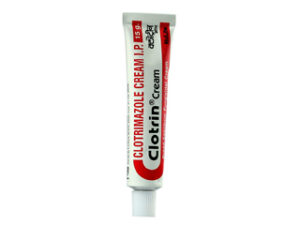
Betamethasone / Clotrimazole is a combination medicine used to treat certain skin conditions where inflammation and fungal infection (tinea/dermatophyte or yeast) occur together. It contains:
- Betamethasone (a corticosteroid): helps reduce redness, swelling, itching and irritation.
- Clotrimazole (an antifungal): helps stop the growth of fungus on the skin.
This page provides clear, patient-friendly information about how the product works, how to use it safely, and what to expect. Always follow the instructions provided with your specific brand or pack.
Quick Facts
- What it treats: fungal skin infections with significant inflammation (exact eligibility depends on diagnosis).
- How it works: clotrimazole fights fungus; betamethasone reduces inflammatory symptoms.
- Typical form: cream or ointment (varies by brand).
- Common timeframe: often short-term; improvement should be seen within days to 1–2 weeks.
- Key cautions: avoid use on eyes, mouth, broken skin unless advised; limit duration and treated area.
Basic Product Information
Combination betamethasone/clotrimazole products are commonly available in Australia as topical creams or ointments. They’re intended for skin use only.
| Component | Role in the medicine |
|---|---|
| Clotrimazole | Antifungal activity against susceptible skin fungi (commonly tinea and candidal infections). |
| Betamethasone | Anti-inflammatory corticosteroid to relieve itch, redness and swelling. |
The exact strength (for example, how much betamethasone and clotrimazole per gram) can differ between brands. Check your packaging for the precise formulation.
How It Works (Mechanism of Action)
Clotrimazole: antifungal action
Clotrimazole works by interfering with the fungal cell membrane. It reduces the fungus’s ability to maintain its membrane structure, which impairs growth and can lead to fungal death.
Betamethasone: anti-inflammatory action
Betamethasone is a corticosteroid that reduces inflammation by affecting inflammatory pathways in the skin. This helps to quickly ease symptoms such as:
- itching (pruritus)
- redness (erythema)
- swelling and irritation
- burning or discomfort caused by inflammation
Important: while the steroid may reduce visible symptoms quickly, the antifungal still needs enough time to clear the underlying fungal infection. Stopping too early can lead to recurrence.
Pharmacokinetics (Absorption, Metabolism, Elimination)
Because this is a topical medicine, most of the drug remains in the skin where it is applied. Small amounts may be absorbed through the skin—especially if:
- the skin barrier is damaged (e.g., cuts, eczema flares, open lesions)
- applied to large areas
- used under occlusion (covered with bandages or airtight dressing)
- used for prolonged periods
- used on thin skin (e.g., groin, armpits, face)
Systemic betamethasone absorption could contribute to corticosteroid side effects if absorption is high. Monitoring and limiting use are therefore important.
In general:
- On-skin action is the main goal.
- Systemic exposure is usually low when used as directed on limited areas for a short time.
- Any absorbed components are metabolised by the body and cleared through normal elimination pathways.
Typical Uses and Indications
Betamethasone/clotrimazole combination products are used for skin conditions thought to include both: fungal infection plus inflammation.
Indications can vary based on local prescribing/dispensing information and the specific product formulation. In practice, combination therapy is often considered for:
- Dermatophyte (tinea) infections with prominent inflammation (e.g., inflamed ringworm-type rashes)
- Candidal/intertriginous fungal infections (fungus in skin folds) when significant irritation is present
- Mixed presentations where both fungal growth and inflammation are present
Not for everything: steroid-containing products can mask symptoms and may worsen or complicate some infections if misused (for example, certain viral skin conditions). If your rash has features that suggest a different cause, you should seek medical advice before using a steroid combination.
If you’re unsure whether your rash is fungal, consider speaking with a pharmacist for guidance.
Timing and How to Use
When to apply
Follow the directions on the label or the product leaflet. Common instructions for topical antifungal/steroid combinations include applying one to two times daily to the affected area.
How long to use
Combination products are typically intended for short-term use. If symptoms have not improved after a brief treatment window (for example, within about 1–2 weeks, depending on the condition), or if the condition worsens, stop and seek further advice.
Continue treatment for the full course advised—even if the rash looks better early—so the fungus is cleared.
Practical step-by-step instructions
- Wash your hands before and after applying.
- Clean and dry the affected skin gently.
- Apply a thin layer of the cream/ointment to the rash and, when advised, the surrounding area.
- Rub in lightly (cream/ointment texture varies by brand).
- Avoid contact with eyes, lips, and inside the nose.
- Do not cover with airtight dressings unless instructed.
If the product is causing stinging, worsening redness, or new rash, stop and seek advice.
Food Interactions
Because this is a topical medicine, food interactions are not expected in the usual sense. You generally do not need to change what you eat while using betamethasone/clotrimazole.
However, maintaining good skin hygiene (keeping the area clean and dry) can support recovery—especially in skin folds.
Alcohol and Medicine Interactions
Alcohol
There are generally no direct alcohol-related interactions expected with topical betamethasone/clotrimazole when used as directed. If significant skin absorption occurs (e.g., large areas, prolonged use, occlusion), systemic effects are theoretically more possible—so be cautious with heavy prolonged use and follow label instructions.
Other medicines
Clinically important interactions are uncommon with correctly used topical therapy. Still, tell your pharmacist or clinician if you use:
- other topical steroids
- other antifungal products
- immunosuppressing medications (for example, certain tablets or biologics)
- medications that affect the immune system
Avoid applying multiple new creams to the same area at the same time unless advised. If you use other skin products (moisturisers, emollients, barrier creams), ask how to separate applications to reduce irritation.
Safety Profile and Precautions
Common side effects
Topical antifungal/steroid combinations may cause:
- mild burning or stinging
- skin irritation
- dryness or flaking
- temporary redness at the application site
If side effects are severe, spreading, or you notice an allergic reaction, stop use and seek medical advice.
Serious or warning signs (seek advice urgently)
- worsening rash, blistering, or ulceration
- swelling of face/eyes or difficulty breathing (possible allergy)
- signs of skin infection that is not responding (increasing pain, pus, fever)
- rapid spread beyond the treated area
Corticosteroid-specific cautions
Betamethasone is a potent corticosteroid. Risks increase with:
- using on large areas
- using longer than recommended
- use under occlusion (bandages, tight coverings)
- use on thin skin areas (face, groin, armpits)
- children, because they may absorb more per body weight
Possible steroid-related effects (particularly with prolonged or heavy use) include skin thinning, stretch marks, worsening of certain infections, and hormonal effects if absorption is significant.
Avoid use in certain conditions
Do not use this medicine if you suspect the rash is due to a condition that should not be treated with corticosteroids, such as some viral skin infections (e.g., herpes zoster/“shingles” or herpes simplex) or tuberculosis-related skin disease. If you’re unsure, check with a pharmacist or clinician.
Eye and mucous membrane safety
- Do not apply to eyes.
- Avoid use on mouth and other mucous membranes.
Children and special populations
For children, use should be conservative and based on appropriate advice due to increased absorption risk. Pregnant or breastfeeding individuals should also consider safety—particularly if treating large areas or for extended periods. Speak with a pharmacist or clinician before use.
Practical Use Tips for Better Results
- Keep the area dry (especially in groin, under breasts, and between toes).
- Wear breathable clothing and change underwear regularly.
- Don’t share towels and avoid prolonged damp towels on the area.
- Wash hands after application to prevent spreading fungus.
- Don’t stop early: symptoms may improve before the fungus is fully cleared.
- Check for spread: if the rash moves or quickly worsens, reassess diagnosis.
- Foot–body link: if you have athlete’s foot, treat the feet as directed to reduce reinfection risk.
If you’re treating a skin fold, barrier hygiene may help reduce irritation, but avoid layering too many products without guidance.
Alternative Options
Alternative treatments depend on the underlying diagnosis and severity. Options may include:
1) Antifungal-only creams/ointments
If inflammation is minimal or the diagnosis clearly supports fungal infection without needing a steroid, antifungal-only products (for example, azole antifungals such as clotrimazole alone) may be considered.
2) Antifungal tablets (in selected cases)
For more extensive infections, hair/nail involvement, or recurrent tinea, clinicians may consider systemic antifungals. This is not appropriate for all cases and should be assessed individually.
3) Antifungal lotions/sprays
Some formulations may be more convenient for larger areas or hairy skin.
4) For non-fungal rashes
If the rash is eczema, contact dermatitis, psoriasis, or another non-fungal cause, a steroid/antifungal combination may not be appropriate. Correct diagnosis is important—misuse can delay proper treatment.
A pharmacist can help you consider whether your symptoms are consistent with a fungal rash and the best next step.
Dosing (General Guidance)
Dosing depends on the exact formulation and the condition being treated. In many cases, the typical approach is:
- Adults and children (where appropriate): apply a thin layer to the affected area.
- Frequency: usually once or twice daily (check your label).
- Duration: typically short-term; do not extend beyond the advised course.
How much to apply: a thin layer is generally enough. More is not necessarily better and may increase absorption and side effects.
If you miss a dose: apply when you remember unless it is almost time for the next dose. Do not apply double the amount.
What to Expect (Effectiveness and When to Reassess)
With correct use, many people notice reduced itch and redness within a few days. However, clearing fungus completely can take longer. Consider reassessment if:
- no improvement after the short course recommended on the label
- the rash worsens at any point
- the infection spreads, becomes painful, or produces pus
- you repeatedly need the treatment for the same area
Recurrence can be due to reinfection, incomplete clearance, or a different underlying diagnosis.
Market and Legal Context for Australia
In Australia, topical medicines are supplied under the regulatory framework of the TGA (Therapeutic Goods Administration). Availability as an over-the-counter or pharmacist-only product depends on the formulation strength, intended indication, and product classification.
Combination antifungal–steroid creams are commonly marketed for relevant dermatological indications and are generally intended for appropriate short-term use. Because corticosteroids can suppress symptoms and potentially worsen certain conditions, Australian product labelling includes precautions—especially regarding duration and suitable body sites.
Always follow:
- the instructions on the pack (frequency, duration, and body sites)
- any directions from your pharmacist
- advice about whether the affected area should be examined to confirm the cause
Note on “recent guidance”: Australian and international dermatology guidance generally emphasises avoiding potent topical corticosteroids on the wrong diagnosis, limiting duration, and reassessing persistent rashes rather than continuing treatment indefinitely. Product labels commonly reflect these safety principles.
Delivery and Availability (Online Pharmacy Australia)
Availability can vary by brand, pack size, and whether you’re seeking cream or ointment. When ordering online in Australia, medicines are typically supplied with:
- clear pack labelling and a consumer medicine information document (where required)
- expiry dates and storage instructions
- shipping options based on your location
Delivery times depend on the pharmacy and your postcode. Most online pharmacies in Australia deliver within standard local timeframes, and tracking is often provided. For urgent symptoms, local advice is recommended over waiting for delivery.
FAQ
1) What is Betamethasone / Clotrimazole used for?
It’s used for certain skin conditions where fungus and inflammation occur together. The exact suitability depends on your rash type and location—labels and pharmacist advice are important.
2) How fast will it work?
Many people notice reduced itch and redness within a few days. Full clearing may take longer. If there’s no improvement within the timeframe on the label, reassess your diagnosis and treatment plan.
3) Can I use it on my face?
Do not apply to the face unless the product labelling and your pharmacist or clinician specifically advise it. Facial skin is thinner and corticosteroid side effects can be more likely.
4) Can I put it on genital or groin skin?
It may be used for certain fungal infections in the groin region, but it should be used carefully and only as directed. Avoid misuse and seek advice if symptoms are severe, recurrent, or unclear.
5) Is it safe to use with other creams or moisturisers?
Usually, you can apply moisturisers to surrounding skin, but try not to mix too many products in the same area. If you’re using emollients or barrier creams, ask your pharmacist about spacing applications.
6) What should I avoid while using it?
Avoid applying to eyes and mucous membranes. Avoid bandaging/occluding the area unless instructed. Don’t apply to a rash that looks viral or otherwise non-fungal without confirmation.
7) Can alcohol affect this medicine?
Direct interactions are not expected with topical use when applied as directed. If you have concerns—particularly if treating large areas— check with your pharmacist.
8) What if the rash comes back?
Recurrence can occur if the fungus wasn’t fully cleared, if reinfection happened (from towels, close contact, or athlete’s foot), or if the rash wasn’t fungal. Reassess the cause and treatment. Consider treating reservoirs like feet if relevant.
9) When should I stop and get advice?
Stop and seek advice if you experience a worsening rash, severe irritation, signs of allergy, spreading infection, or no improvement within the advised period.
10) Can I use it during pregnancy or breastfeeding?
Many topical medicines can be used cautiously, but it depends on the situation (area treated, duration, and your health). Discuss with a pharmacist or clinician if you’re pregnant or breastfeeding.
Summary
Betamethasone/clotrimazole combines an antifungal (clotrimazole) with a corticosteroid (betamethasone) to reduce inflammation while treating fungal infection. When used as directed—on the right skin condition, for the recommended short course, and with good hygiene—many people experience symptom relief and improved skin appearance. If you’re unsure about the cause of your rash, or if it doesn’t improve, reassessment is the safest next step.