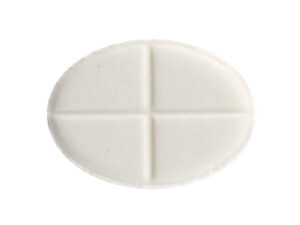
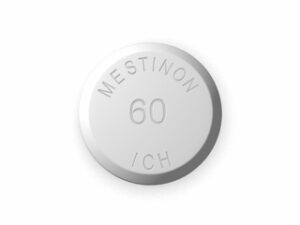
Medrol Active (Methylprednisolone) — Patient Information
Medrol Active contains methylprednisolone, a corticosteroid medicine used to reduce inflammation and calm an overactive immune response. It can be highly effective for a range of conditions, but it must be used carefully because corticosteroids can affect the whole body.
This guide is written for people in Australia and explains how Medrol Active works, when it’s typically taken, what to watch for, and how to use it safely. Always follow the advice provided by your prescriber and read the consumer medicine information (CMI) that comes with your product.
Key Product Information
| Category | Details |
|---|---|
| Medicine | Medrol Active |
| Active ingredient | Methylprednisolone |
| Type | Corticosteroid (glucocorticoid) |
| What it does | Reduces inflammation and immune activity |
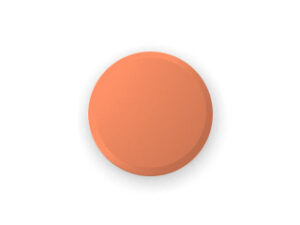
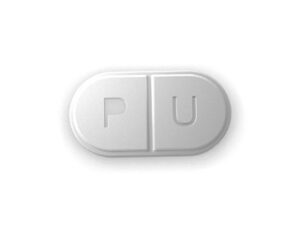
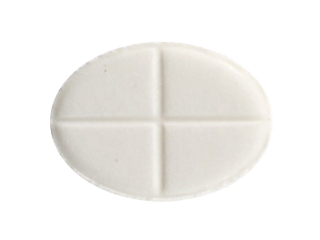
| Common forms | Oral tablet (strengths may vary by product availability) |
| Typical use | Short-term or time-limited courses; sometimes longer courses with specialist monitoring |
| How long it takes | Often begins within hours to a day; full benefit may take days |
How Medrol Active Works (Mechanism of Action)
Methylprednisolone is a glucocorticoid. It works at the cellular level to influence inflammation and immune signalling. In simple terms, it helps to:
- Decrease inflammatory chemicals released during immune responses.
- Reduce activity of immune cells involved in swelling, redness, pain, and tissue irritation.
- Stabilise blood vessels and reduce leakage that contributes to swelling.
- Lower symptoms such as pain, stiffness, itching, wheezing, and flare-ups in inflammatory disease.
Because it affects the body’s immune and inflammatory pathways, methylprednisolone can improve symptoms quickly in many conditions. However, the same effect is the reason it can also increase susceptibility to infection and cause other side effects.
Pharmacokinetics (How the Body Handles It)
Pharmacokinetics describes what happens to a medicine after you take it. While individual responses vary, the general pattern for methylprednisolone is:
- Absorption: After oral dosing, methylprednisolone is absorbed from the gastrointestinal tract.
- Distribution: It distributes throughout the body and binds to plasma proteins.
- Metabolism: The medicine is mainly metabolised in the liver.
- Elimination: Metabolites are eliminated primarily via the kidneys.
The exact onset and duration of symptom relief may depend on the condition being treated, the dose, and how long you’ve been taking it. If you have liver disease, you should discuss dosing and monitoring with your healthcare provider.
What Medrol Active Is Used For (Typical Use & Indications)
Medrol Active is used to treat conditions where reducing inflammation and suppressing an overactive immune response is beneficial. Typical indications may include:
- Inflammatory and autoimmune disorders such as rheumatoid arthritis flare-ups and other inflammatory joint conditions (as advised by your clinician).
- Severe allergic reactions and inflammatory allergic conditions (with clinician guidance).
- Asthma exacerbations and other airway inflammation conditions in selected situations.
- Skin conditions where inflammation is prominent (for example, certain severe inflammatory or immune-mediated skin diseases).
- Some eye inflammations and other specialist inflammatory conditions (managed by a specialist).
- Other immune/inflammatory conditions as determined by a healthcare professional.
The precise indication depends on your diagnosis, severity, past treatment response, and overall health. Your prescriber will aim to use the lowest effective dose for the shortest necessary time.
Timing & How to Take It
A common strategy with corticosteroids is to take the dose in the morning to better mimic the body’s natural cortisol rhythm. However, your plan may differ depending on your condition and dosing schedule.
General timing guidance
- Morning dosing is often preferred: If you’re taking one dose per day, it’s frequently taken in the morning.
- Multiple daily doses: If your dosing schedule includes more than one dose, your clinician will advise the timing.
- Take with food if needed: To reduce stomach discomfort, some people find it helpful to take it with meals.
Missed dose
If you miss a dose, take it when you remember unless it’s close to the next dose. If you’re unsure, ask your pharmacist for advice. Avoid doubling doses to “catch up.”
Dose Information (Important)
Dosage must be individualised. Medrol Active dosing depends on:
- Your condition and severity
- How quickly you need symptom control
- Your age and general health
- Other medicines you use
- How long you’ve previously used corticosteroids
Because methylprednisolone is a strong medicine, dosing should be determined by a qualified healthcare professional. A typical approach for many conditions is a course that starts at a certain dose and may be reduced gradually (a “taper”) rather than stopping suddenly, especially if the medicine has been used for more than a short period.
Tapering and stopping safely
If you’ve been taking corticosteroids for more than a short time, do not stop abruptly unless your clinician has advised it. Sudden stopping can be risky because your adrenal glands may reduce natural cortisol production during therapy.
Food Interactions & Dietary Tips
Food does not usually “cancel out” methylprednisolone’s effect, but it can affect comfort and side effects. Consider the following:
- Take with food or milk: This may help reduce stomach irritation.
- Gastric protection: If you have a history of stomach ulcers or take medicines that increase ulcer risk (for example, some painkillers), your clinician may recommend additional protection.
- Salt and fluid balance: Corticosteroids can cause fluid retention. If you’re prone to swelling or high blood pressure, ask for diet advice.
- Potassium and bone health: Long-term use can affect potassium and increase bone loss risk. Your clinician may suggest dietary changes or supplements depending on your situation.
- Grapefruit: Grapefruit can interact with certain medicines via liver enzymes. Check with your pharmacist if you plan to consume grapefruit regularly.
Staying hydrated and maintaining a balanced diet can help you manage weight changes, energy fluctuations, and other effects that may occur during treatment.
Alcohol Interactions
Alcohol can increase the risk of stomach irritation and may worsen sleep disturbances or mood changes that can sometimes occur with corticosteroids. Alcohol can also complicate other health conditions such as diabetes, liver disease, or blood pressure issues.
For safety, consider limiting alcohol during treatment and discuss with your pharmacist or doctor if you use alcohol regularly. If you develop stomach pain, black/tarry stools, vomiting blood, or severe indigestion, seek urgent medical advice.
Medicine Interactions (Common & Important)
Methylprednisolone can interact with multiple medicines due to its effects on metabolism and immune function. Always tell your healthcare provider and pharmacist about all medicines you take, including:
- Prescription medicines
- Over-the-counter medicines
- Herbal products (including St John’s wort)
- Vitamins and supplements
Examples of medicines that may interact
- Diabetes medicines (insulin and tablets): Corticosteroids can raise blood glucose levels, sometimes requiring adjustment.
- Blood thinners (anticoagulants) such as warfarin: Steroids may alter bleeding risk and INR control; monitoring may be needed.
- Non-steroidal anti-inflammatory drugs (NSAIDs) such as ibuprofen, naproxen, or aspirin (for pain): The combination can increase stomach irritation and bleeding risk.
- Antifungal and antiviral medicines: Some can affect steroid metabolism, changing steroid levels.
- Antiepileptics and some antibiotics that affect liver enzymes may change steroid levels.
- Vaccines: During higher-dose or longer steroid courses, the immune response to vaccines may be reduced and live vaccines may be contraindicated.
- Other immune-modifying medicines: Combining multiple immune-suppressing drugs can increase infection risk.
This list is not exhaustive. Your pharmacist can check interactions using your exact product and dose. If you start any new medicine during treatment, it’s wise to ask whether it changes how Medrol Active should be used.
Safety Profile & Possible Side Effects
Like all medicines, Medrol Active can cause side effects. Not everyone gets them, and the likelihood often increases with higher doses and longer durations. Side effects may be different for short courses versus prolonged treatment.
Common side effects
- Increased appetite
- Weight gain
- Fluid retention or swelling
- Indigestion or stomach discomfort
- Changes in mood (such as irritability, anxiety, or mood swings)
- Difficulty sleeping
- Headache
- Increased blood sugar levels (especially in people with diabetes or prediabetes)
Other possible effects
- Infection risk: Corticosteroids can reduce immune response. Seek medical advice if you develop fever, chills, worsening cough, painful urination, or other signs of infection.
- Skin changes: Acne, thinning skin, easy bruising, slower wound healing. >
- Eye effects: Long-term use can increase risk of cataracts or glaucoma. Eye symptoms should be assessed.
- Muscle and bone effects: With longer use, risk of muscle weakness and bone thinning (osteoporosis) may increase.
- Hormonal effects: Adrenal suppression may occur with ongoing use; tapering helps reduce risk.
Serious warning signs (seek urgent medical help)
- Signs of a severe allergic reaction: swelling of face/lips, difficulty breathing, severe rash
- Severe stomach pain, vomiting blood, or black/tarry stools
- Severe headache, vision changes, or eye pain
- High fever or signs of serious infection
- New confusion, severe agitation, or hallucinations
- Unusual weakness or severe muscle pain
If you’re unsure whether a symptom could be related to Medrol Active, contact your pharmacist or healthcare provider for advice.
Practical Use Tips (Getting the Best Results Safely)
- Follow the schedule exactly: Use the dose plan provided. Avoid changing the dose without advice.
- Don’t stop suddenly: Especially if you’ve used it for more than a short time.
- Take with food if it upsets your stomach: This can improve comfort.
- Monitor blood sugar if relevant: If you have diabetes, check glucose more frequently during treatment and report changes promptly.
- Look after bone and muscle health: Gentle weight-bearing activity, adequate calcium/vitamin D (if appropriate), and clinician-guided prevention strategies may help if treatment is longer.
- Plan around sleep and mood changes: Morning dosing often helps. If sleep problems occur, discuss strategies with your pharmacist.
- Infection precautions: Wash hands often, avoid close contact with people who have contagious infections where possible, and report fever promptly.
If you’re taking other medications that affect the stomach or immune system, it’s particularly important to review the combination with a pharmacist.
Alternative Options (Discuss With Your Clinician)
Depending on the condition being treated, alternatives may include other corticosteroids, different anti-inflammatory therapies, or non-steroid treatments. Your clinician will tailor options based on your diagnosis and your risk factors.
Possible alternatives (examples)
- Other corticosteroids: Such as prednisolone or dexamethasone (choice depends on potency, dosing schedule, and condition).
- Inhaled or topical steroids: For some conditions, localised steroids can reduce systemic side effects.
- Disease-modifying medicines: For some chronic autoimmune diseases, immunomodulators or disease-modifying therapies may be considered.
- Non-steroidal anti-inflammatory options: Depending on the condition and your safety profile.
Never switch between steroid products without medical advice. Even when they’re in the same class, dosing equivalents are not one-to-one.
Medrol Active in Australia: Market & Legal Context
In Australia, access to medicines is regulated to support safe use. Many corticosteroid products, including oral methylprednisolone products, may be supplied under specific arrangements depending on strength and formulation. Availability can also differ between pharmacies and online dispensary services.
When purchasing online, reputable Australian pharmacies follow established compliance practices, including verifying customer details where required and providing consumer medicine information.
Important: Always ensure you are buying from an Australian-licensed pharmacy or service that is authorised to dispense medicines in Australia. Avoid unverified listings, imported products without appropriate documentation, or products with unclear labelling.
Recent guidance (general trends)
In recent years, clinical guidance worldwide has continued to emphasise:
- Lowest effective dose and shortest effective duration
- Careful assessment of infection risk and vaccination timing
- Monitoring for glucose, blood pressure, mood changes, and stomach effects
- Structured tapering when prolonged use occurs to prevent adrenal insufficiency
Local protocols in Australia may vary by condition and prescribing specialist, but these principles remain widely used.
Delivery & Availability (Australia)
Online pharmacies in Australia may offer delivery across states and territories. Delivery times can vary depending on:
- Your location
- Stock availability
- Dispatch cut-off times
- Transport conditions
When ordering, confirm:
- Estimated delivery timeframes
- Packaging and handling (for tablets, generally stable)
- Returns and support policy
- Customer service hours if you have questions about dosing or side effects
If you need the medicine urgently, contact the pharmacy before placing the order to confirm dispatch dates.
FAQ (Frequently Asked Questions)
1) How fast does Medrol Active work?
Many people notice improvement within hours to a day, but complete benefit can take several days depending on the condition. If you don’t notice any improvement after an expected timeframe, speak with your healthcare provider.
2) Why do I need to taper if I’ve been taking it for a while?
Long-term or higher-dose corticosteroids can suppress your body’s own cortisol production. Tapering helps your adrenal glands gradually resume normal function and reduces the risk of adrenal insufficiency.
3) Can I take Medrol Active with food?
Yes. Taking it with food or milk can help reduce stomach irritation. Follow your product instructions and your clinician’s advice.
4) Will it affect my blood sugar?
It can. Corticosteroids may raise blood glucose levels. If you have diabetes or prediabetes, monitor your glucose more closely and seek medical advice for any significant changes.
5) Is it safe to drink alcohol while taking Medrol Active?
Alcohol may increase the risk of stomach irritation and can worsen sleep or mood effects. It’s generally best to limit alcohol and discuss your situation with a pharmacist, especially if you drink regularly or have liver or stomach conditions.
6) Can I take vaccines while using methylprednisolone?
It depends on the dose and duration. Higher-dose or longer courses can reduce vaccine effectiveness and may make certain vaccines (particularly live vaccines) inappropriate. Ask your pharmacist or clinician for personalised advice.
7) What should I do if I miss a dose?
Take it as soon as you remember unless it’s near the next scheduled dose. Do not double up. If you’re unsure, contact your pharmacist.
8) What are the most important side effects to watch for?
Key concerns include infection signs (fever, worsening symptoms), stomach bleeding/ulcer symptoms, significant mood changes, and eye symptoms. Seek urgent help for severe or alarming symptoms.
9) Can Medrol Active be used for a flare-up repeatedly?
Sometimes corticosteroids are used for flares, but repeated courses should be discussed with your healthcare provider. Frequent steroid use may increase the risk of side effects, including bone loss and metabolic changes.
10) How should I store Medrol Active tablets?
Store according to the label directions—typically at room temperature, in a dry place, and away from direct sunlight. Keep out of reach of children. Do not use after the expiry date.
When to Seek Medical Advice
Contact your pharmacist or healthcare professional promptly if you:
- Develop fever or symptoms suggesting infection
- Experience severe indigestion, stomach pain, or any signs of bleeding
- Have new or worsening mood changes, severe insomnia, or confusion
- Notice vision changes or eye pain
- Have concerns about tapering or missed doses
Medrol Active can be very helpful when used correctly. With appropriate monitoring and careful dosing, many people can manage their condition effectively while reducing risk.