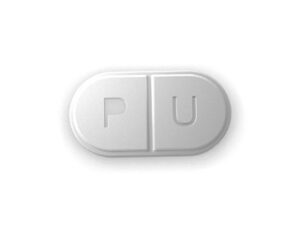
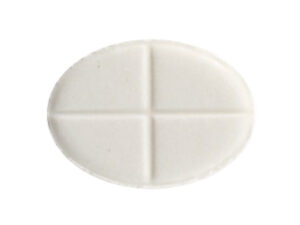
Medrol (Methylprednisolone) – Patient-Friendly Guide
Medrol contains methylprednisolone, a corticosteroid medicine used to reduce inflammation and suppress an overactive immune response. It is available in different strengths and forms depending on the product brand and manufacturer. This guide is written to help you understand what Medrol is used for, how it works, how it’s commonly taken, and what to watch for.
If you have any questions about your specific regimen, it’s important to follow the instructions provided by your healthcare professional. Do not stop or change your dose without medical advice, because stopping suddenly after prolonged use can be unsafe.
1) Basic product information
- Medicine: Medrol
- Active ingredient: Methylprednisolone
- Medicine type: Corticosteroid (glucocorticoid)
- Common purpose: Anti-inflammatory and immunosuppressive
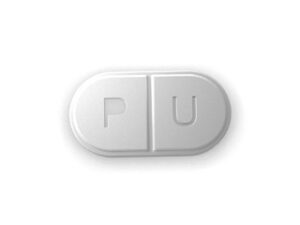
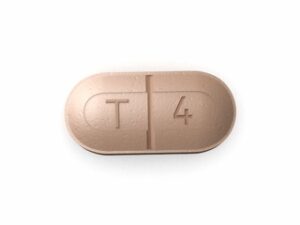
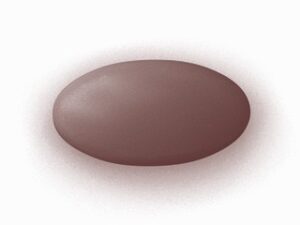
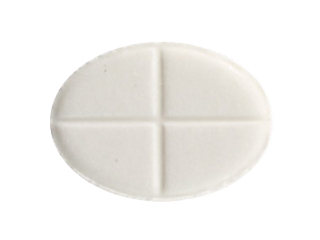
- How it’s supplied: Oral tablets (varies by strength/pack size)
- Prescription status in Australia: Typically available as a prescription medicine (availability can vary by formulation and regulatory category)
Medrol is often used for short courses or for ongoing management of specific inflammatory/immune conditions, depending on your diagnosis and response.
2) How Medrol works (mechanism of action)
Methylprednisolone belongs to the glucocorticoid class of steroids. It works at the cellular level to help control inflammation and modulate immune activity. Broadly, Medrol:
- Reduces inflammation by decreasing the production of inflammatory signalling molecules (such as cytokines).
- Limits immune cell activity, lowering immune-mediated swelling, redness, and tissue damage.
- Changes how the body responds to stress: glucocorticoids influence metabolism and can affect how the body’s natural cortisol system behaves.
Different conditions respond differently. Some people notice improvement within days, while others may require longer treatment or specific dosing schedules.
3) Pharmacokinetics (how the body processes it)
Pharmacokinetics describes what happens to a medicine in the body—absorption, distribution, metabolism, and elimination. For methylprednisolone:
- Absorption: After oral administration, methylprednisolone is absorbed from the gastrointestinal tract.
- Peak effect / maximum levels: Blood levels generally rise within a few hours of taking a dose (exact timing can vary by formulation and individual factors).
- Distribution: It distributes throughout body tissues and binds to plasma proteins.
- Metabolism: Mainly metabolised by the liver.
- Elimination: Metabolites are excreted primarily via the kidneys (through urine).
Because it’s metabolised by the liver, liver function and interactions with other medicines may affect how quickly Medrol is processed.
4) Typical uses in clinical practice
Medrol is used for a range of inflammatory and immune-related conditions, as well as some endocrine and haematologic indications. Healthcare professionals choose the steroid dose and duration based on severity, diagnosis, and the goal of balancing benefits and risks.
Common indications include
- Inflammatory disorders (for example, severe flare-ups of inflammatory conditions)
- Autoimmune conditions where immune overactivity causes symptoms
- Allergic and hypersensitivity reactions in specific scenarios (often as part of a broader treatment plan)
- Some lung conditions under specialist guidance (e.g., inflammatory exacerbations)
- Rheumatologic and dermatologic conditions that respond to steroid therapy
- Certain haematological conditions where immune mechanisms are involved
The appropriate use depends heavily on your diagnosis. Steroids treat inflammation and immune effects; they don’t replace targeted treatments for infections or specific causes of disease.
5) Timing: when and how to take Medrol
Timing can influence tolerability. Many people are advised to take corticosteroids earlier in the day to better match the body’s natural cortisol rhythm (which is highest in the morning for many people).
- Morning dosing is often preferred: If you’re taking a once-daily dose, it’s commonly taken in the morning.
- Multiple daily doses: If your regimen requires more than one dose per day, spacing doses as directed can reduce side effects.
- Follow your schedule: Dose changes should be guided by your prescriber, especially during tapers.
If Medrol causes stomach irritation, many people find it easier to take with food or after meals—though not all interactions are preventable by food.
6) Food interactions and eating advice
Medrol can affect appetite and blood sugar. Food may help with stomach comfort.
Practical food-related tips
- Take with food if you experience nausea or indigestion.
- Manage blood sugar impact: If you have diabetes or prediabetes, monitor glucose as advised.
- Consider reducing high-salt foods: Steroids can contribute to fluid retention; your clinician may advise dietary changes if needed.
- Maintain adequate protein and calcium intake: Long-term steroids can affect bone health.
Medrol does not typically have a specific “must avoid” food in the way some medicines do, but your overall diet can influence side effects such as weight gain, blood pressure, glucose control, and heartburn.
7) Alcohol and medicine interactions
Alcohol can increase the risk of stomach irritation and may worsen some side effects such as mood changes or sleep disturbance. Alcohol also interacts indirectly with health risks that steroids can increase (such as blood sugar and susceptibility to infections).
General alcohol guidance
- Use caution: If you choose to drink alcohol, consider keeping intake low and avoid binge drinking.
- Watch for symptoms: If you notice reflux, nausea, dizziness, or mood changes, avoid alcohol and seek advice.
Medicine interactions to discuss with a pharmacist or prescriber
Interaction risk depends on your dose, duration, and other medicines. Common categories include:
- NSAIDs (e.g., ibuprofen, naproxen): Combined use may increase risk of stomach irritation or ulcers.
- Blood thinners (e.g., warfarin): Steroids can affect INR and bleeding risk, requiring monitoring.
- Vaccines: Live vaccines may be less suitable during higher-dose or prolonged steroid therapy.
- Antidiabetic medicines: Steroids can raise blood glucose, potentially requiring adjustments.
- Antifungal and antiviral medicines: Some can affect steroid metabolism (liver enzyme pathways).
- Enzyme inducers/inhibitors: Certain medicines can either increase or decrease methylprednisolone levels.
Always keep an up-to-date list of your medicines (including supplements) and share it with a healthcare professional.
8) Indications and the importance of personalised dosing
Medrol is indicated for conditions where reducing inflammation or suppressing immune activity is beneficial. Doses vary widely by diagnosis, severity, and your response.
Because steroids can produce both benefits and risks, your healthcare team chooses:
- The dose: often the smallest effective dose.
- The schedule: for example, once daily versus divided doses.
- The duration: often the shortest time that achieves control.
- The taper plan (if needed): gradual reduction may be required after extended use.
9) Dosing: what “typical dosing” can look like
Medrol dosing must be individualised. Below are general patterns often used in practice. Your specific dose may differ. Always follow the directions on your medicine label or as advised by your healthcare professional.
Common dosing patterns
- Short course (acute flare): may start at an effective dose then reduce over days to weeks.
- Longer course (chronic control): may involve gradual tapering to the lowest effective dose.
- Once-daily dosing: commonly used to improve tolerability and align with circadian rhythms.
- Divided dosing: may be used depending on the condition and tolerability.
Important: After prolonged use, stopping suddenly may risk adrenal insufficiency. A supervised taper is often necessary.
When to seek urgent advice
- Signs of severe infection (high fever, severe sore throat, rapidly worsening symptoms).
- Severe mood or behavioural changes.
- Severe stomach pain, black/tarry stools, or vomiting blood.
10) Safety profile: side effects and risks
Medrol can cause side effects, especially at higher doses or when used for longer periods. Many side effects are dose-related and can improve when the dose is reduced. However, some risks (such as bone thinning) are more likely with long-term use.
Common side effects
- Increased appetite and weight gain
- Indigestion or stomach irritation (especially if taken on an empty stomach)
- Sleep disturbance or feeling “wired”
- Mood changes (irritability, anxiety) in some people
- Higher blood sugar (particularly in people with diabetes or risk factors)
- Fluid retention (may raise blood pressure in some)
- Headache
Less common but important risks
- Increased infection risk: steroids can reduce immune response.
- Gastric ulcer risk: risk increases with NSAIDs and certain other medicines.
- Bone thinning (osteoporosis) with long-term use.
- Cataracts or glaucoma with prolonged therapy (eye monitoring may be advised).
- Muscle weakness over time.
- Adrenal suppression: the body’s natural steroid production may decrease; tapering can be necessary.
- Skin changes: bruising, thinning skin, slower wound healing.
Who should use extra caution
- People with diabetes
- People with uncontrolled high blood pressure
- People with history of peptic ulcer or gastrointestinal bleeding
- People at higher risk of infections
- People with glaucoma or cataracts
- Older adults or those with additional chronic conditions
If you are unsure whether your condition or personal history increases risk, ask a pharmacist or healthcare professional.
11) Practical use tips (day-to-day guidance)
The following tips can help you use Medrol more comfortably and safely.
- Take it at the right time: morning dosing is often preferred; follow your label instructions.
- Be consistent: aim for the same time each day unless advised otherwise.
- Use reminders: set a phone alarm if the schedule is complex (especially during tapers).
- Protect your stomach: if you get indigestion, take with food and discuss gastroprotection options if needed.
- Monitor blood sugar: if you have diabetes, check levels more frequently as advised.
- Watch for infection signs: fever, chills, burning with urination, or persistent sore throat should prompt medical advice.
- Do not stop suddenly after long use: tapering should be planned.
- Keep medical follow-up: long courses may require monitoring (blood pressure, glucose, eye exams, bone health).
If you miss a dose, do not double up. Instead, take the next dose at the usual time and contact a pharmacist for advice on what to do.
12) Alternative options
Treatment alternatives depend on the underlying condition. Options might include other corticosteroids, non-steroidal anti-inflammatory strategies, or targeted therapies that directly control inflammation or immune activity.
Examples of alternatives (discuss with your clinician)
- Other oral corticosteroids: such as prednisolone (choice depends on condition and clinician preference).
- Inhaled corticosteroids: used for specific chronic airway conditions to reduce systemic exposure.
- Topical corticosteroids: for certain skin inflammations with localised effects.
- Non-steroidal anti-inflammatory medicines: sometimes used when appropriate, but may not replace steroid therapy in severe disease.
- Immunomodulators or biologic medicines: for some autoimmune conditions when long-term immune control is needed.
Switching medicines should be supervised because potency, dosing frequency, and side-effect profiles differ.
13) Australia: market and legal context
In Australia, corticosteroids are regulated medicines. Their supply and use are governed by Australian legislation and pharmaceutical standards. Availability may depend on the specific strength and formulation, and many corticosteroids require appropriate clinical assessment.
For online purchasing in Australia, reputable pharmacies follow relevant requirements for medicine distribution, safe supply, and customer verification processes. Always ensure you buy from an appropriately authorised provider and that the product you receive matches the labelled details and expiry date.
14) Recent guidance and safety updates (general themes)
Over time, Australian and international medical guidance commonly emphasises:
- Using the lowest effective dose for the shortest necessary duration to reduce risk.
- Screening and monitoring for blood pressure, blood glucose, infection risk, bone health, and mood changes where relevant.
- Careful infection precautions (including vaccine planning and infection risk counselling).
- Safe tapering when steroids have been used for long enough to suppress adrenal function.
Local practice varies by condition and specialist involvement. If you have concerns about side effects or monitoring, speak with your healthcare team.
15) Delivery and availability
Medrol availability can vary by strength, pack size, and manufacturer. When ordering online from an Australian pharmacy, delivery options typically depend on stock status and location.
What to expect when ordering
- Stock checks: your order may be confirmed once stock availability is verified.
- Dispatch time: depends on warehouse processing and courier schedules.
- Packaging: medicines are usually shipped in sealed, tamper-evident packaging.
- Cold chain: Medrol tablets generally do not require refrigeration.
Before placing an order, check delivery estimates, return policies, and whether the pharmacy can ship to your area.
16) FAQ
What is Medrol used for?
Medrol (methylprednisolone) is used to reduce inflammation and suppress immune activity in a range of conditions, such as inflammatory or autoimmune flare-ups, selected allergic reactions, and other immune-mediated problems. The exact reason depends on the diagnosis.
How fast does Medrol work?
Some people notice improvement within a few days, particularly for inflammatory flare-ups. Others may need longer or a different taper schedule. The timing depends on the condition and dose.
Should I take Medrol with food?
Many people take corticosteroids with food to reduce stomach irritation. If you experience nausea, indigestion, or reflux, taking with meals can help.
What time of day is best to take Medrol?
Once-daily doses are often taken in the morning to match natural cortisol patterns and reduce sleep disturbance. Follow your label instructions for your dose schedule.
Can I drink alcohol while taking Medrol?
Use caution. Alcohol may worsen stomach irritation and affect sleep and mood. If you choose to drink, keep it moderate and be alert to side effects. Avoid alcohol if you notice worsening reflux, nausea, or mood changes.
Are vaccines safe during Medrol treatment?
Vaccine suitability depends on dose and duration. Live vaccines may be less suitable during higher-dose or prolonged corticosteroid therapy. Discuss vaccination timing with a healthcare professional or pharmacist.
How long can I take Medrol?
Duration depends on your condition. Many courses are short, but some people require longer treatment with careful tapering and monitoring. Always follow your clinician’s plan.
Can I stop Medrol suddenly?
Don’t stop suddenly after prolonged use or long courses without advice. Medrol can suppress the adrenal glands, so tapering may be necessary to allow recovery safely.
What side effects should I watch for?
Common effects include increased appetite, sleep disturbance, and mood changes. Seek urgent advice for signs of severe infection, severe stomach pain or bleeding, or serious mood/behaviour changes.
Does Medrol affect blood sugar?
Yes. Medrol can raise blood glucose levels. If you have diabetes, monitor your readings closely and follow any advice about medication adjustments.
Does Medrol cause weight gain?
It can. Weight changes may be due to increased appetite and fluid retention. Lifestyle measures may help, but significant weight changes should be discussed with your healthcare team.
What should I do if I miss a dose?
If you miss a dose, take it when you remember unless it is close to the time of the next dose. Do not double doses. Contact a pharmacist for advice based on your dosing schedule.
Are there natural supplements that interact with Medrol?
Some supplements can affect liver enzymes or blood sugar and may change side-effect risk. Always disclose supplements to a pharmacist or doctor.
Summary
Medrol (methylprednisolone) is a corticosteroid used to treat inflammatory and immune-related conditions. It works by reducing inflammation and modifying immune responses. While it can be highly effective, it also carries risks—particularly for infection, blood sugar changes, stomach irritation, mood/sleep effects, and longer-term complications such as bone thinning. Taking Medrol at the right time, monitoring for side effects, and following a safe dose plan (including tapering when needed) are key to safer use.
For personalised advice, consult a healthcare professional or pharmacist—especially if you have diabetes, a history of ulcers, frequent infections, or you are taking other medicines that may interact with corticosteroids.